As an Amazon Associate, we earn from qualifying purchases. Some links on this site are affiliate links at no extra cost to you. Our recommendations are based on thorough research and editorial judgment.

How To Store Batteries Safely?

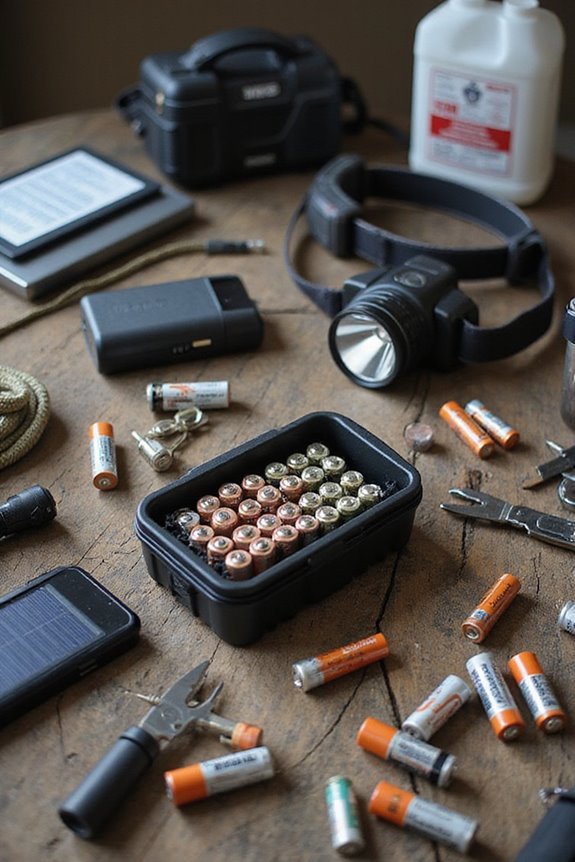
To store batteries safely, we should start by keeping them in a cool, dry place. Ideally, temperatures between 15°C to 25°C (59°F to 77°F) are best. Let’s avoid mixing different battery types, and always inspect them for damage, like cracks or corrosion. Using protective gear, we can clean terminals with baking soda if necessary. Remember to label them clearly and store them upright. If we follow these basic steps, we’ll keep our batteries in good shape and stay safe. Stick around for more essential tips!
Key Takeaways
- Store batteries in a cool, dry environment between 15°C to 25°C (59°F to 77°F) with humidity levels between 30% and 50%.
- Organize batteries upright on insulated racks, grouped by type, and clearly labeled for easy identification.
- Regularly inspect battery terminals for corrosion, and clean them with baking soda and water when necessary.
- Always use personal protective equipment (PPE) like gloves and goggles when handling batteries to ensure safety.
- Maintain proper ventilation in storage areas to prevent gas buildup and monitor for hydrogen gas accumulation.
Understanding Environmental Conditions for Battery Storage
Understanding the right environmental conditions for storing batteries is essential for their longevity and performance. We need to focus on temperature management and humidity control to keep our batteries in tip-top shape. Ideally, we want to store them between 15°C and 25°C (59°F to 77°F). Too hot, and the chemicals inside accelerate their breakdown. Too cold, and we risk losing battery capacity.
Now, about humidity: let’s keep it between 30% and 50%. Too much moisture can lead to short circuits, while too little can cause seals to break down. Using a dehumidifier or desiccants can help us maintain that perfect balance. By managing these conditions, we’re ensuring our batteries last longer and perform better—every little bit helps! Additionally, proper maintenance is vital for extending the lifespan of batteries, as regular checks can prevent performance issues over time.
Importance of Handling and Safety Equipment
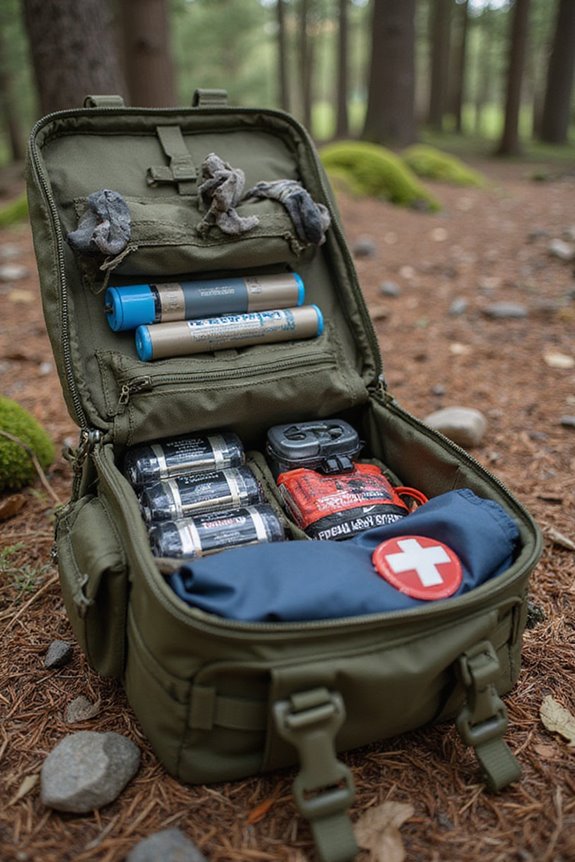
Storing batteries isn’t just about the right conditions; it also involves knowing how to handle them safely. Proper PPE usage, like gloves and goggles, are essential to protect us from corrosive materials and hazardous spills. It’s important to remember, safety training is key. When handling batteries, we must always wear our protective gear, especially if there’s a risk of leaks or damage.
Before using batteries, let’s check for any damage, like bulges or cracks. Mixing battery types? That’s a no-go! Keep our tools—like lifting straps and non-sparking wrenches—close to avoid accidents. By being vigilant and prepared, we fully protect ourselves while safely storing these powerful little energy sources. Ensure that we store them according to their power source options for enhanced reliability. Remember, it’s always better to be safe than sorry!
Recommended Products

Advanced water-based, non-toxic, biodegradable, “benign-by-design” formulation; Safe for plants and wildlife. Komodo provides fire relief and peace of mind for home and property owners in high hazard fire prone areas. Part of the suite of products developed to combat wildfires, Komodo is the next generation of advanced fire prevention and fire protection technology (US and World Organization Patents Pending).

【Why Do You Need It】Not changing your brake fluid for a long period of time can cause it to deteriorate, so your vehicle's brakes will fail. It is very dangerous. So you need to change the brake fluid regularly. Brake fluid is usually replaced once in 2 years or around 5W kilometers. Automotive brake fluid, also known as brake fluid, enables the car to maintain braking flexibility, effectiveness and safety at high speeds, high loads and other conditions.

🎁[Fall Sale]: S4 Pro - 50 off + Free Helmet, Protective Gloves, Safety Goggles, Riding Face Cover & Brush Guards with every purchase.
Best Practices for Battery Charging and Maintenance

While we often think of batteries as simple power sources, proper charging and maintenance are essential for keeping them in top shape. To guarantee battery longevity, let’s implement some effective battery longevity techniques. Regularly inspect terminals for corrosion—baking soda and water work wonders! Using a matched charger is key; it helps prevent overheating and damage. We should aim to keep batteries between 20% and 80% charged, avoiding extremes. As a safety precaution, always charge in well-ventilated spaces to dodge any unwanted surprises. Remember to store batteries in cool, dry places, and monitor their temperature. Incorporating proper materials can also affect the longevity of the connections. With these straightforward practices, we’re setting up our batteries for success—who wants a grumpy battery anyway? Let’s keep them happy!
Guidelines for Storage Quantity and Organization

When we think about keeping our batteries safe, it’s crucial to take into account how we’re storing them. First, let’s limit our battery quantity based on storage space—it’s vital to avoid heat buildup and gas accumulation. We should aim for battery capacities that cover 50%-100% of our daily energy needs for reliability. Additionally, employing safety features like spark-proof connections can enhance storage safety.
Organizing our batteries is just as important for storage efficiency. Storing them upright and on insulated racks helps prevent accidents. Grouping batteries by type and labeling them with their capacity guarantees we understand exactly what we’re working with. Let’s keep a close eye on temperature and humidity, which can really impact battery life and effectiveness. Remember, safety comes first, so let’s stay organized and informed!
Emergency Preparedness and Response Procedures

As we plunge into emergency preparedness for battery storage, we can’t overlook the importance of having a solid plan in place. First, we’ll develop hazard identification procedures to spot fire and electrical risks early. Clear emergency contact protocols must be defined, ensuring that everyone knows who to call when the unexpected happens.
Next, let’s train our team regularly on battery hazards and the proper use of personal protective equipment. This keeps everyone safe and reduces injuries. Additionally, we should maintain emergency lighting such as rechargeable flashlights to ensure visibility during incidents involving battery failures.
Lastly, it’s essential to post emergency numbers and response guidelines where we handle batteries. Keeping suitable fire extinguishing equipment nearby? That’s a must for battery fire prevention. With this plan, we can confidently face any battery mishaps while keeping safety at the forefront.
Regulatory Compliance and Best Practices
A solid emergency plan doesn’t just stop at response procedures; it needs to include compliance with regulations and best practices for battery storage. We must stay aware of regulatory updates, ensuring our storage practices meet standards like NFPA 855 and OSHA requirements. Regular compliance audits help us identify potential issues before they become serious.
Batteries need a cool and dry space, free from flammable materials. Let’s make sure we train everyone involved in handling them. It’s about teamwork!
We can’t overlook the importance of documentation. Keeping our safety plans updated is a must—we’re all in this together. Not only does it keep us compliant, but it also builds trust with others. Remember, proactive measures today prevent problems tomorrow! Additionally, understanding the necessity of emergency shelters can further enhance our preparedness and safety measures in critical situations.
Selecting the Right Storage Location
Choosing the right storage location for batteries is essential, especially since the wrong spot can lead to safety risks or even damage to the batteries themselves. We need to pay attention to whether we’re opting for indoor placement or outdoor clearance.
Indoors, garages and utility rooms work well, but let’s make sure there’s enough space for maintenance too. For outdoor storage, we must keep batteries at least three feet away from doors and windows for ventilation. Let’s avoid placing them near wetlands or areas prone to flooding, ensuring they’re protected from the elements.
Recommended Products

Helps Prevent Battery Fires - The Justrite Lithium Ion Battery Charger Cabinet boasts multiple shielding layers, an axial fan for temperature regulation, and a grounding attachment for added safety

【3300 lbs Electric Pallet Jack】 Perfect for high-volume logistics; this heavy-duty power pallet truck handles standard 48"x27" US pallets.

Helps Keep Your Space Safe - Our classic flammable liquid storage cabinet is essential for the proper storage and handling of flammable liquids, and for adherence to relevant safety standards
Identifying Different Types of Batteries
Batteries come in various forms, and knowing the differences can help us make smarter choices for our needs. We generally classify batteries based on their rechargeability and battery chemistry. Primary batteries, like alkaline, are single-use and great for low-drain devices. Secondary batteries, such as lithium-ion, are rechargeable and ideal for our smartphones or laptops.
Now, let’s talk about discharge characteristics—some batteries release energy slowly, like lead-acid, while others, like lithium polymer, thrive with high energy density. Understanding these types helps us pick the right one for every scenario. So, next time we’re shopping for batteries, let’s keep these distinctions in mind. It’ll save us hassle and guarantee our devices always have the power they need to work!
Recommended Products

Items Include: 1 x Sony FX3 Full-Frame Cinema Camera, 1 x Sony FE 24-70mm f/2.8 GM II Lens, 1 x SecureDigital 64GB Extreme PRO Cmemory Card, 1 x 3 Piece Filter Kit, 1 x Soft Bag, 1 x NP-FZ100 Battery, 1 x Memory Card Reader, 1 x Photo Software With PhotoMirage, AfterShot, Painter Essentials, PaintShop Pro, and Video Studio, 1 x Flexible Tripod, 1 x Hand Strap, 1 x Memory Card Wallet, 1 x Lens Cap Keeper, 1 x Cleaning Kit, 1 x HDMI Cable

Items Include: 1 x Sony FX3 Full-Frame Cinema Camera, 1 x Lilliput A7S 7" Full HD Monitor, 2 x SecureDigital 64GB Extreme PRO Cmemory Card, 1 x Soft Bag, 3 x NP-FZ100 Battery, 1 x LED Light, 1 x Card Reader, 1 x Photo Software With PhotoMirage, AfterShot, Painter Essentials, PaintShop Pro, and Video Studio, 1 x VideoMicro Ultracompact Camera-Mount Shotgun Microphone, 1 x Tripod, 1 x Hand Strap, 1 x Memory Card Wallet, 1 x Lens Cap Keeper, 1 x Cleaning Kit and more...

Items Include: 1 x Sony a7R V Mirrorless Camera, 1 x Sony FE 24-105mm f/4 G OSS Lens, 1 x 64GB Memory Card, 1 x 3 Piece Filter Kit, 1 x Graduated Color Filter Kit, 1 x Photo Software With PhotoMirage, AfterShot, Painter Essentials, PaintShop Pro, and Video Studio, 1 x Soft Bag, 1 x NP-FZ100 Battery, 1 x NP-FZ100 charger, 1 x Memory Card Reader, 1 x 12_inch Flexible Tripod, 1 x Memory Card Wallet, 1 x Cleaning Kit
Preventing Short Circuits During Storage
When it comes to preventing short circuits during battery storage, a few simple steps can make a big difference. First, let’s think about our battery condition. We should use non-conductive caps or tape to cover those exposed terminals. Trust me, it’s worth it! Next, let’s choose the right packaging materials. Individual batteries need to be cushioned and securely placed in non-conductive packaging.
We should store them away from metal objects or conductive materials. Oh, and remember to separate incompatible batteries. It’s a recipe for trouble otherwise! Regularly inspecting our setup helps catch any potential issues before they escalate. By following these straightforward practices, we can keep our batteries and homes safe, ensuring peace of mind while we charge ahead.
Strategies for Ventilation in Storage Areas
Although we often focus on the batteries themselves, it’s vital to guarantee that their storage areas are well-ventilated. To keep things safe, we need proper ventilation systems, which should assure a minimum air exchange to prevent gas buildup. Hydrogen gas can be a sneaky danger, so gas monitoring is essential, especially if the levels reach about 1% volume.
We recommend installing hydrogen sensors in high places, where the gas tends to gather. These smart systems can activate fans as needed, staying energy-efficient while keeping us safe. Exhaust ducts should lead outside to whisk away any gases, making certain we’re far from trouble. With these steps, we’ll create an environment where both batteries and people can thrive.
Regular Inspection and Maintenance Protocols
To guarantee our batteries stay safe and efficient, we can’t skip regular inspections and maintenance. First, let’s create an inspection frequency—monthly sounds good. We should visually check for any cracks, leaks, or corrosion on terminals. Have a maintenance checklist handy to track what needs doing. Mmm, nobody likes surprises!
Next, let’s measure the voltage at the terminals occasionally. We can catch issues early this way. Don’t forget to clean terminals with a little baking soda magic to neutralize corrosion!
Finally, safety gear is a must. Goggles and gloves protect us from any nasty battery spills. If we spot something odd, let’s document it right away. A little attention now keeps our batteries healthy for the future!
Recommended Products

[● KomShine EX39 Fiber FTTX Fusion Splicer Fast-splicing 8s Fast-heating 18s; Automatic splicing & automatic heating ]

Crimps both Open Barrel Terminals and Closed Barrel Terminals
![WD-40 Specialist® Contact Cleaner for Metal, Plastic, Rubber, Electrical Contacts, Battery Terminals, Switches, Fast-Drying Cleaner for Terminals & Motors, Auto, Bigger Can, 13.3 OZ [6-Pack]](https://m.media-amazon.com/images/I/51S-OcC148L._SL500_.jpg)
ONE-STEP ELECTRICAL CONTACT CLEANER: High-performance contact cleaner removes oil, dirt, flux residue, and condensation for reliable electrical connections.
Importance of Labeling and Inventory Control
Labeling and inventory control might not be the first things that come to mind when we think of battery safety, but they play an essential role in ensuring our batteries are handled and stored correctly. By using proper labeling techniques, we can identify each battery’s chemistry, age, and charge state, which helps prevent mix-ups and mistakes.
With a solid inventory management system in place, we can track crucial information like quantity and condition, ensuring we always use the oldest batteries first—what we call FIFO, or First In, First Out. This not only keeps our storage organized but also enhances safety all around. Let’s label, track, and keep our batteries orderly so we can avoid unnecessary hazards.
Dealing With Battery Leaks and Corrosion
Keeping track of batteries is just the first step. We’ve got to pay attention to battery leaks and corrosion, especially with common battery types like alkaline. Over time, pressure builds and can lead to leaks, causing corrosion that messes with our devices. To tackle this, let’s store our batteries in cool, dry places—this is essential for corrosion prevention. Avoid mixing old with new batteries; trust us, it’s a recipe for disaster! If we leave devices unused, let’s remove those batteries to prevent leakage. For any corrosion we see, safety gear is a must; then, we can gently clean terminals with something like vinegar or use a soft file for light corrosion. Keep our devices safe and happy!
Training and Educating Staff on Battery Safety
When it comes to battery safety, effective training and education for staff is essential. We all play important roles in ensuring a safe environment. Ongoing training isn’t just a box to check; it’s how we prevent accidents and protect each other. Our sessions should cover everything from identifying hazards to using protective equipment properly.
It’s critical for us to learn how to handle batteries safely. This includes inspecting for damage before using them and knowing the right way to store them. We’ll also understand emergency response protocols, so if things go sideways, we are aware of what to do.
Let’s make safety a priority together. The more we learn, the safer our workplace becomes. Plus, a little knowledge can go a long way—like avoiding an explosive surprise!
Frequently Asked Questions
Can I Store Batteries in a Garage or Shed?
We can definitely store batteries in a garage or shed. Just remember, like planting seeds, they thrive best in cool, dry storage containers, keeping temperature stable for our long-term battery’s health and happiness.
How Long Can I Store Batteries Without Using Them?
We can typically store batteries for 5 to 15 years depending on the type and storage conditions. Let’s guarantee they’re kept cool and dry to maximize battery lifespan, so we can trust them when needed.
What Signs Indicate Batteries Are No Longer Safe to Use?
Like a ticking time bomb, we’ve gotta watch for leaking batteries and bulging batteries. If we notice unusual warmth, swelling, or odd smells, let’s prioritize safety and dispose of them right away.
Are There Special Considerations for Storing Batteries in Humid Climates?
Yes, when we store batteries in humid climates, we must consider humidity effects that accelerate corrosion. Let’s prioritize corrosion prevention with moisture barriers and regular monitoring to guarantee our batteries last longer and perform better together.
How Do I Dispose of Expired or Damaged Batteries Safely?
When we dispose of expired or damaged batteries, let’s guarantee we utilize recycling programs or designated hazardous waste sites. It’s a responsible choice, keeping our environment safe while guaranteeing proper handling of toxic materials together.