As an Amazon Associate, we earn from qualifying purchases. Some links on this site are affiliate links at no extra cost to you. Our recommendations are based on thorough research and editorial judgment.

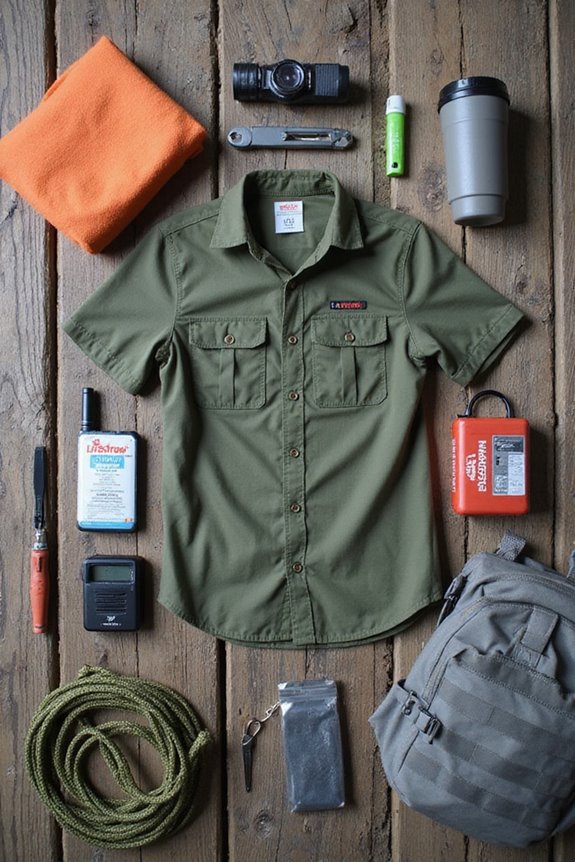
Are Permethrin Clothing Sprays Safe?

Permethrin clothing sprays are generally safe when used properly. They provide solid bug protection but need careful handling, especially for kids and pets. The absorption rate from treated clothing is minimal, meaning potential health risks are low. Just make sure to follow product instructions and avoid spraying near water to protect wildlife. A combination of treated gear and topical repellents can boost your defenses. Curious about how to maximize their effectiveness and minimize risks? Let’s explore that next!
Key Takeaways
- Permethrin-treated clothing is generally safe, with less than 1% absorption and minimal systemic effects for most users.
- Vulnerable populations, including young children and pets, should use caution when exposed to permethrin.
- Skin sensitivity and mild irritation may occur, advising users to apply sprays outdoors and wear gloves.
- The environmental impact is a concern, particularly for aquatic life; users should avoid application near water sources.
- Current EPA risk assessments indicate low health risks for typical users of permethrin products when used correctly.
Understanding Permethrin and Its Uses
When we think about keeping bugs at bay, permethrin often comes to the forefront. This synthetic pyrethroid is derived from chrysanthemum extracts and is tough on insects, causing muscle spasms and even death. It’s widely used in agriculture, protecting our crops, but its applications don’t stop there.
Permethrin is also effective in safeguarding our clothing and outdoor gear. Impregnated at 0.5%, it acts as a contact insecticide, stopping bugs in their tracks. Whether in military gear or on mosquito nets, it’s designed to keep us safe from bites. However, regular washing can reduce its potency, so re-treating is key. Understanding these permethrin applications allows us to better protect ourselves from pesky pests. Additionally, products containing permethrin can provide long-lasting protection against insects, similar to DEET concentration levels that help keep you bite-free.
Recommended Products

Insect Repellent: Permethrin Clothing & Gear treatment Ready Mix Liquid for Protection from disease-spreading ticks (Lyme disease) and mosquitoes (West Nile and Zika viruses) Protection Against Mosquitoes, Ticks & Chiggers; as effective as 100 percent DEET. Repels insects, but also kills mosquitoes, ticks, chiggers, mites, and more!


Toxicological Safety Overview
Understanding the safety of permethrin is essential for anyone using it, especially when it’s applied to clothing or gear. While permethrin can be neurotoxic at high doses, our exposure from treated clothing is typically much lower than levels seen in studies. Safety recommendations suggest that less than 1% is absorbed through our skin, and reports indicate minimal systemic effects. We should still be cautious, especially around vulnerable populations, like young children and pets, since they might be more sensitive. Remember, the potential toxicology implications are real but manageable. By following safety guidelines and remaining informed, we can enjoy the benefits of permethrin while minimizing risks. Additionally, considering the tactical versatility of gear treated with permethrin may enhance outdoor experiences by providing necessary protection against pests. So, let’s stay safe out there!
Efficacy of Permethrin-Treated Clothing
Exploring the efficacy of permethrin-treated clothing sheds light on why it’s a popular choice for outdoor enthusiasts. This clothing can cut tick bites by about 65% in the first year! After that, it still holds onto 50% effectiveness for the second year. With user testimonials celebrating this significant reduction, many praise its lasting protection against both ticks and mosquitoes. The treated fabric actually kills or repels mosquitoes, lowering bite counts. It’s worth noting that effectiveness metrics show variation based on fabric type, washing frequency, and the outdoor environment. Overall, permethrin-treated clothing provides a reliable layer of protection for those of us who love outdoor adventures—giving peace of mind on every hike or camping trip. Additionally, many outdoor enthusiasts recognize the value of high tensile strength in outdoor gear, ensuring durability and reliability during their adventures.
Recommended Products

Rugged Stretch Fabric – Tough, abrasion-resistant construction with comfortable give for all-day wear in the field.
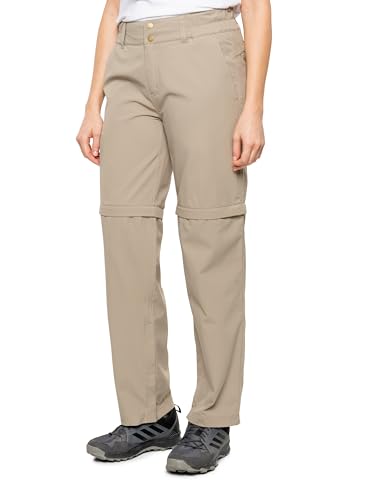
Repels mosquitoes, ticks, ants, flies, chiggers and midges EPA-registered permethrin repellent built into the fabric

Each Sawyer MINI Filter Attaches to included drinking pouch, standard disposable water bottles, hydration packs, or use the straw to drink directly from your water source
Absorption and Exposure Concerns
Although many of us love outdoor activities, it’s important to know how our clothing can affect our health. When we apply permethrin to our clothes, skin absorption rates are generally low—less than 2% of what we apply. That’s comforting, right? Factors like fabric type and the time we wear our clothing can slightly influence absorption rates, but it’s usually minimal.
While we might have some concerns about exposure duration, the EPA assures us that permethrin isn’t considered toxic for humans, although cats should steer clear of it. So, while we enjoy nature, it helps to be aware that while irritation can happen, serious risks remain quite low, meaning we can focus on catching those beautiful sunsets instead! Additionally, using clothing treated with water purification methods can further enhance safety during outdoor activities.
Potential Adverse Effects
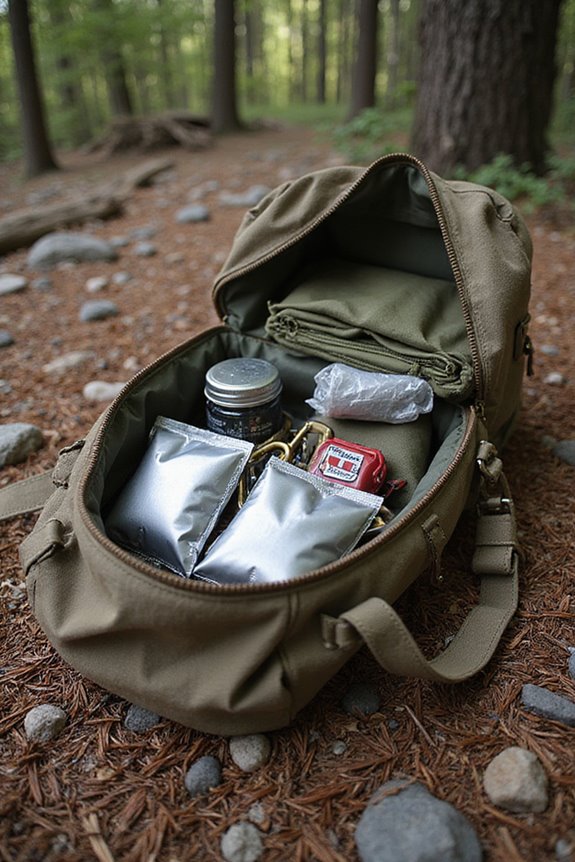
When we head outdoors, we might not think about the potential downsides of using permethrin-treated clothing. Sure, it can keep bugs away, but it’s important to evaluate possible issues. For instance, some folks may experience skin sensitivity, including mild irritation or a tingly feeling on their skin after direct contact. And let’s not forget the inhalation risks—breathing in permethrin, especially as an aerosol, can irritate our lungs and make it hard to catch our breath. It’s a good idea to handle these sprays outside and wear gloves to protect our skin. As with anything, moderation and care go a long way in preventing any adverse effects! So, stay safe while enjoying nature! Additionally, effectiveness against over 55 types of insects underlines the importance of using these sprays strategically to maximize benefits while minimizing risks.
Environmental Impact of Permethrin
Using permethrin-treated clothing can help keep us safe from pesky bugs while we enjoy the great outdoors, but we can’t overlook its environmental impact. While these treatments are effective, they pose some risks to our ecological balance. Permethrin is particularly harmful to aquatic life, including fish and bees, so it’s essential we’re responsible in our application.
To protect the environment, we should avoid spraying near waterways and follow the instructions on the label. Washing treated clothing carefully can also minimize any potential environmental release. Additionally, just as emergency water filters can remove harmful substances, being mindful about how we use permethrin can support environmental sustainability while still enjoying our time outside, ensuring nature remains vibrant and healthy. After all, we all want clean, buzzing ecosystems!
Effectiveness Against Insect Bites
Getting outdoors can be a blast, but that fun can quickly turn into a battle with pesky insects. Luckily, permethrin applications provide a powerful solution. When we treat our clothing with permethrin, it disrupts bug nervous systems, helping us avoid those annoying bites. Studies show that wearing permethrin-treated gear greatly reduces mosquito and tick bites—up to 65% for ticks!
This long-lasting insect protection lasts for weeks, even after washing. Think of it as a passive barrier that keeps those unwanted pests at bay without needing constant reapplication. Whether we’re camping or enjoying our backyard, having permethrin-treated clothing means we can focus on fun rather than swatting at bugs. So let’s gear up and enjoy the great outdoors!
Recommended Products

DEET mosquito repellent that contains 98.25% DEET for maximum strength

Formulated with 25% DEET Provides up to 8 Hours of Protection against Mosquitoes

Recommended Usage Guidelines
Ready to maximize the benefits of our permethrin-treated clothing? First, let’s talk about application techniques. Always spray outdoors or in well-ventilated spaces to dodge inhalation risks. And remember, we’ve got to hang our gear before spraying—nobody wants to accidentally spray themselves!
Hold the can about 6 to 8 inches away. Cover everything, but don’t soak it—no one likes soggy socks! After applying, let your gear dry completely. Trust us, no one wants to experience the feel of wet permethrin on their skin.
Then, keep those sprays and treated items away from kids and pets. Following these safety measures guarantees we enjoy the outdoors without worries. Let’s keep us safe while we conquer nature together!
Long-Term Health Monitoring
Although we often focus on immediate effects, it’s vital to keep an eye on potential long-term health impacts of permethrin exposure from treated clothing. Chronic surveillance through rigorous epidemiological studies is essential to uncover the hidden effects we might not notice right away. While lab animals show neurotoxicity from high doses, we don’t have solid human data yet. This lack of information means we should be vigilant. It’s wise to take into account monitoring for subtle hormonal changes or even potential cancer risks, especially for vulnerable groups. So, as we embrace these sprays, let’s advocate for research that guarantees our safety in the long run. After all, staying informed is key to staying healthy!
Regulatory Approvals and Safety Ratings
When it comes to permethrin-treated clothing, understanding the regulatory approvals and safety ratings is essential for our peace of mind. The Environmental Protection Agency (EPA) has had permethrin products registered since 1979, ensuring they meet rigorous regulatory compliance standards. This means they’ve been tested for safety and environmental impact before hitting the market.
You’ll notice a registration number on your products; that’s a sign they’ve passed strict safety monitoring processes. The EPA’s risk assessments show low health risks for typical users, even little ones chewing on treated fabrics! Overall, wearing permethrin-treated clothing gives us the confidence we need to enjoy the outdoors, knowing we’re protected without undue worry about our health.
Comparison With Topical Repellents
Permethrin-treated clothing offers one solid layer of protection against bugs, but it’s good to understand how it stacks up against topical repellents like DEET and picaridin. While permethrin reduces tick bites by 50-65% for outdoorsy folks, it can’t go on skin—only on clothes. That’s where DEET and picaridin shine, applied directly to exposed skin for immediate protection.
On the plus side, permethrin lasts longer through washes compared to DEET on your skin. We can mix the two approaches for maximum coverage; wearing permethrin gear and applying DEET or picaridin creates that cozy bubble of safety. So, let’s layer up wisely, keeping those pesky bugs at bay while we enjoy the great outdoors!
Recommended Products

HUNTER-GRADE PERMETHRIN PROTECTION; 0.5% Permethrin spray for clothing and gear that kills and repels ticks, mosquitoes, chiggers, fleas, gnats and biting insects. Zone Realtree Outfitter’s formula built for the woods, fields, and backcountry.

FOR CLOTHING & FABRICS: This unscented bug spray with Permethrin 0.5% should be applied directly to clothing, sleeping bags, gear, and tents

TOTAL TICK PROTECTION; You get Zone Realtree Outfitters Permethrin insecticide PLUS Zone Realtree Picaridin-based insect repellent for your skin! THE hunter’s choice for safety and protection in the woods, camping or anywhere bugs hunt for you. Highly effective as an insecticide for your clothes AND protection for your skin. Backed and tested by Realtree and is the ONLY permethrin and picaridin products endorsed by Realtree
Research Gaps and Future Studies
As we plunge into the critical domain of research gaps and future studies regarding permethrin clothing sprays, it’s clear that more thorough investigation is needed. It’s crucial to explore the long-term effects of wearing these sprays and how permethrin might impact vulnerable groups, like kids and pregnant folks.
Future research should also focus on the concerns about endocrine disruption and guarantee consistent permethrin levels in all clothing batches. We’re also craving data on how the environment responds to permethrin, particularly its impact on aquatic life.
Ultimately, these studies will help us with a proper safety assessment, giving everyone peace of mind. So, let’s keep pushing for those answers—after all, safety shouldn’t be left to chance!
Frequently Asked Questions
Can Children Wear Permethrin-Treated Clothing Safely?
Absolutely, our children can wear permethrin-treated clothing safely. By following treatment duration guidelines and ensuring proper application, we enhance child safety while providing effective protection against insects, making outdoor adventures enjoyable and worry-free for our families.
How Should Permethrin-Treated Clothing Be Stored?
When storing permethrin-treated clothing, we should follow essential storage guidelines to preserve treatment lifespan. Keeping it cool, dry, and away from children guarantees safety while maintaining the effectiveness of its protective barrier against insects.
Is Permethrin Effective Against All Insects?
Permethrin isn’t effective against all insects. While it excels against ticks and many biting flies, certain mosquito species may show insecticide resistance. For best results, let’s combine it with other mosquito repellents for added protection.
Can Permethrin Treatments Lose Effectiveness Over Time?
Yes, permethrin treatments can lose effectiveness over time. We need to take into account treatment frequency and maintain long-term stability by reapplying every 42 days to guarantee we stay protected from pesky insects during our outdoor adventures.
What Happens if Permethrin Clothing Is Accidentally Ingested?
What would happen if permethrin clothing’s ingested? We could face serious health risks like vomiting and abdominal pain. It’s essential to follow emergency procedures, seek medical help, and keep treated items out of reach.