As an Amazon Associate, we earn from qualifying purchases. Some links on this site are affiliate links at no extra cost to you. Our recommendations are based on thorough research and editorial judgment.

Are Dual Fuel Generators Reliable?

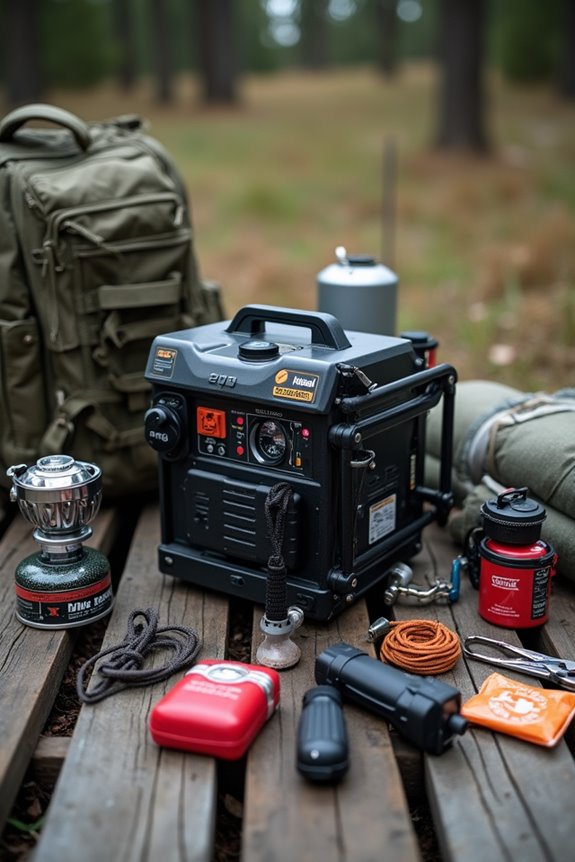
Dual fuel generators are generally reliable because they can run on both gasoline and propane. This flexibility allows us to switch fuels easily, ensuring longer runtimes, especially with propane. While gasoline offers more power, propane burns cleaner, producing fewer emissions. Maintenance plays a vital role in performance, with well-kept generators running smoothly for over 35,000 hours. If you’re considering a dual fuel generator, you’ll find that understanding reliability is key to decision-making, and we can share more insights!
Key Takeaways
- Dual fuel generators offer reliable operation with efficient fuel switching capabilities, ensuring uninterrupted power supply.
- Well-maintained generators can have an impressive mean time between failures (MTBF) of over 35,000 hours.
- Propane, which burns cleaner and has a longer storage life, enhances the reliability of dual fuel generators.
- Regular maintenance is crucial for maximizing reliability and operational readiness of dual fuel generators.
- Advanced technologies in dual fuel generators promote cleaner emissions and optimize performance, contributing to their reliability.
Understanding Dual Fuel Generators
When we think about backup power options, dual fuel generators definitely deserve our attention. These fantastic machines can run on two types of fuel, like gasoline and propane, which gives us great fuel compatibility. Switching between fuels can be as easy as flipping a switch, depending on the model.
They’re not just versatile; they’re also efficient! Gasoline usually packs more power, but propane burns cleaner and lasts longer. Plus, with their lower emissions, we contribute to a healthier planet while keeping our power on. Additionally, fuel efficiency ratings show that propane typically allows for longer runtimes compared to gasoline.
Perfect for home use, job sites, or RV adventures, dual fuel generators make life easier. We’ve got the best of both worlds, ensuring we’re always prepared, no matter what!
Key Reliability Metrics
Understanding how reliable dual fuel generators are involves looking at key metrics that track their performance. We can focus on failure rates, which measure how often generators fail over time. Standby generators, often part of dual-fuel setups, have higher failure rates than continuous ones. This impacts our decision on maintenance, as a higher failure rate means more frequent care is needed to keep the unit operational.
Another essential metric is the mean time between failure (MTBF), which tells us how long we can expect the generator to run before it needs repairs. A well-maintained dual fuel generator can achieve impressive MTBF values, sometimes exceeding 35,000 hours. So, by paying attention to both failure rates and maintenance impact, we guarantee our generators remain reliable and ready when we need them. Additionally, selecting a generator with eco-mode features can significantly enhance fuel efficiency while maintaining reliability.
Operational Benefits of Dual Fuel Systems
Dual fuel systems offer practical benefits that can considerably enhance our energy management. With the ability to switch between fuels like gasoline and propane, we gain greater fuel efficiency and operational adaptability. When one fuel source runs low, the seamless change guarantees our power supply remains uninterrupted. Plus, using a mix of fuels, such as 75% natural gas with 25% diesel, boosts our overall operational efficiency.
We don’t have to worry about fuel spoilage either, as propane can be stored for long periods. This flexibility is a lifesaver in emergencies, giving us peace of mind. Ultimately, dual fuel systems provide a reliable and efficient way to tackle energy needs no matter the circumstances. Additionally, their high conversion efficiency ensures that we maximize energy output while minimizing waste.
Recommended Products

OFF-GRID HYBRID POWER: 7.6kW Continuous, scales to 22.8kW. 10kW Turbo Output, scales to 30kW Turbo with triple units.

HUGE PORTABLE POWER: Gasoline: 28,000 peak watts and 20,000 running watts; Propane: 25,200 peak watts and 18,000 running watts; Natural gas: 22,400 peak watts and 16,000 running watts; up to 15 hrs. of run time at 25% load on a 17.2-gal. tank with gauge; perfect backup power source for larger homes

Automatically restore power in just 10 seconds with the premium power of a Kohler generator that delivers advanced voltage and frequency regulation while still protecting valuable electronics
Market and Economic Factors Affecting Reliability

Market and economic factors play a huge role in how reliable dual fuel generators are perceived. It’s no surprise that rising demand from power outages and the growth of remote work emphasize the need for consistent backup power. However, economic barriers, like high initial costs and complex maintenance, can hinder adoption. While dual fuel generators offer flexibility during fuel supply issues, those upfront costs might deter budget-conscious folks. Additionally, the need for reliable propane storage can bump up expenses but can enhance your generator’s readiness during outages. Basically, while these generators shine in reliability, we must navigate market supply and economic pressures to make them a practical choice for many. Let’s weigh our options carefully! In addition, having a comprehensive survival kit in your vehicle can minimize risks during unexpected situations, ensuring you’re well-equipped to handle emergencies effectively.
Environmental Advantages of Dual Fuel Generators

As we explore the benefits of dual fuel generators, it’s clear that these machines aren’t just about providing backup power. They play a crucial role in reducing our environmental impact. By mixing fuels like propane and gasoline, we achieve cleaner combustion, which means fewer harmful emissions.
This leads to improved air quality, helping communities breathe easier. Not only do these generators lower greenhouse gas emissions, but their flexibility also allows us to switch fuels based on what’s greener and more cost-effective. Furthermore, many models offer dual-fuel capabilities, further enhancing convenience and emissions reduction.
Plus, they support sustainability by using renewable energy sources. Essentially, choosing dual fuel generators means we’re making a proactive choice for a cleaner, healthier planet. Who wouldn’t want to contribute positively to our environment?
Technical Specifications and Performance Indicators
When it comes to choosing a generator, understanding the technical specifications and performance indicators can feel a little overwhelming. But don’t sweat it, we’re here to help break it down. Dual fuel generators, like the Westinghouse WGen9500DF, deliver different power ratings depending on fuel types. For instance, it offers impressive peak and running watts on both gasoline and propane. Runtime varies too; gasoline generally provides longer operation than propane. We also appreciate the handy fuel gauges and hour meters that keep track of usage. With electric start mechanisms and love for safety features like low oil shutdowns, these generators are designed for reliability. So, whether you’re prepping for a storm or planning that camping trip, you’re covered! Moreover, features such as multiple output options ensure versatility when powering various devices during your outdoor adventures.
Recommended Products
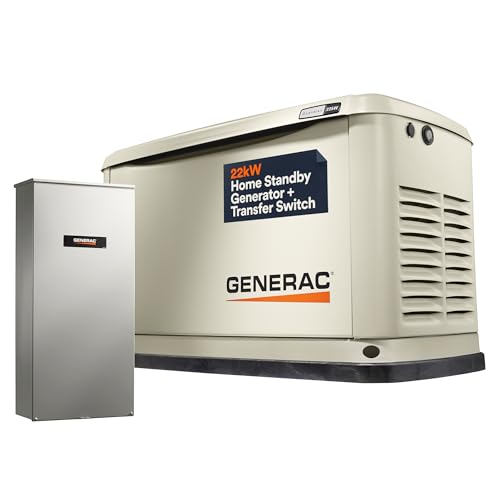
Remote Monitoring Anywhere: With Generac 7043 22kW Mobile Link Wi-Fi connectivity, effortlessly track generator performance from anywhere. Stay updated on status and maintenance alerts, ensuring peace of mind even when you’re away
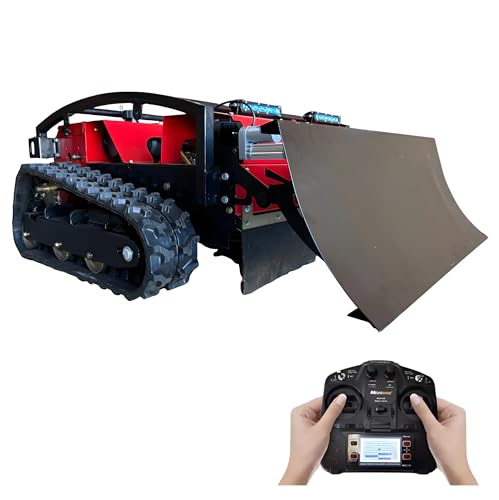
Remote-Controlled Operation (Up to 200m): Operate the mower from a safe distance. Start, stop, steer, and control the machine wirelessly. Perfect for ditches, steep slopes, ponds, fences, thick brush, and hard to reach areas.

Powerful Performance: With an 816cc Electronic Fuel Injection Engine from Generac, the 7705 GP15500EFI portable generator delivers optimal performance and efficiency, ensuring you have the power you need, when you need it
Fuel Flexibility and Its Impact on Reliability
Fuel flexibility in dual fuel generators isn’t just a cool feature; it can make a big difference in reliability when you need it most. When fuel sourcing becomes tricky, being able to switch between gasoline and propane is a game-changer. This means we can keep the power flowing without stressing about fuel shortages.
Propane has a longer shelf life, so for emergency preparedness, it’s a trusty ally. Not to mention, using propane can lower emissions and reduce engine wear, which helps the generator last longer. With the ability to adapt to different situations, dual fuel generators offer us peace of mind. So, let’s embrace that fuel switching capability—it’s all about staying reliable when we need it the most!
Recommended Products

𝐂𝐚𝐥𝐢𝐟𝐨𝐫𝐧𝐢𝐚 𝐑𝐞𝐬𝐭𝐫𝐢𝐜𝐭𝐢𝐨𝐧: Smart Generator not available in CA. For CA customers, explore E10 battery & solar solutions.

15,000 W Peak; 12,000 W Running Power – Delivers massive output for full-home backup or heavy-duty tools.

[Important Notice] Due to local regulations, this product is NOT CARB-approved. Cannot be shipped to California.
Maintenance Considerations for Dual Fuel Generators
Taking care of our dual fuel generators is essential to guarantee they perform reliably, especially during critical times. Regular oil maintenance is key. We should check the oil level before every startup and change it every 50-100 hours, or annually, using the manufacturer’s recommended oil. Don’t forget to dispose of used oil properly!
Next, let’s chat about the air filter. It keeps dust and debris out of the engine, which is vital for keeping it healthy. We should inspect it monthly and clean or replace it as needed. A clean air filter boosts efficiency and lowers fuel consumption!
Recommended Products

Float carburetor for consistent easy starting

【15HP 420cc Replacement Engine for Heavy-Duty Equipment】 Powered by a 420cc OHV 4-stroke engine with up to 15HP output, this engine is suitable as a replacement power source for water pumps, pressure washers, agricultural equipment, small construction machines, chippers, go-karts, and other general-purpose equipment. Please verify mounting dimensions, shaft specifications, and rotation direction before purchase.

Consistent performance and easy maintenance: The high-quality and user-friendly structure of the final fuel filter ensures reliable fuel flow, fast and hassle free filter replacement, minimizes downtime, and consistent engine performance, even under challenging operating conditions
Redundancy and Backup Solutions
Though we often take power for granted, having reliable backup solutions can make all the difference during outages. Dual fuel generators are designed with fuel redundancy strategies, allowing seamless automatic switching between fuel sources. This flexibility guarantees that we’re never left in the dark due to fuel shortages.
Automatic transfer switches (ATS) are a game-changer, instantly switching from primary to backup power. They reduce downtime and help our generators function like a reliable safety net.
Recommended Products

26KW rated LP/ 24KW rated NG

Whole House Protection: Keep your family comfortable and connected during power outages. Avoid the disruption of losing refrigeration, heating/cooling, lights and connectivity of your devices with a Home Standby Generator that automatically detects an outage and delivers backup power to your home.

10-SECOND AUTOMATIC POWER RESTORATION: Ensure seamless emergency home power backup during unexpected blackouts. Equipped with a premium 200-amp transfer system, this generator with automatic transfer switch detects grid failures and restores electricity to your entire house in just 10 seconds.
Future Trends in Dual Fuel Technology
As we explore the future of power generation, the trends emerging in dual fuel technology are nothing short of exciting. Advanced emission technologies are leading the way. We’re seeing improved fuel injection systems that adapt real-time, boosting efficiency and minimizing pollutants. This means better fuel compatibility with renewable sources, which is awesome for the environment.
Moreover, integrating AI and IoT makes it possible to monitor performance from anywhere, adjusting fuel mixes as needed. Isn’t that cool? The market for dual fuel generators is booming, driven by a search for reliable, sustainable power. So, as we look ahead, we’ll be witnessing a powerful shift toward greener, smarter, and even more efficient energy solutions. Exciting times are ahead!
Frequently Asked Questions
How Do Dual Fuel Generators Compare to Traditional Generators in Reliability?
When we assess performance, dual fuel generators often outshine traditional ones in reliability. Their fuel efficiency and ability to adapt to supply disruptions make them a smart choice for consistent, uninterrupted power when we need it most.
What Are Common Causes of Failure in Dual Fuel Generators?
We’ve learned that dual fuel generators often fail due to fuel compatibility issues and improper maintenance practices. Just like our cars need regular oil changes, these generators require consistent care to keep them running smoothly.
Can Dual Fuel Generators Operate Continuously on One Fuel?
Yes, we can operate dual fuel generators continuously on one fuel. Fuel efficiency varies, but with proper maintenance, we find they provide reliable power, making them a favored choice for extended operation in various situations.
How Does Weather Impact Dual Fuel Generator Performance?
Weather conditions really shape our dual fuel generator performance, don’t they? When temperatures drop or humidity spikes, we notice significant changes in generator efficiency. It’s essential to prepare for these elements to guarantee smooth operation.
What Training Is Needed for Operators of Dual Fuel Systems?
To operate dual fuel systems effectively, we need operator certification and technical proficiency. Extensive training boosts our confidence, ensuring we’re prepared for emergencies and understand the nuances of fuel management and generator operation.