As an Amazon Associate, we earn from qualifying purchases. Some links on this site are affiliate links at no extra cost to you. Our recommendations are based on thorough research and editorial judgment.

What Is A Two Way Radio?

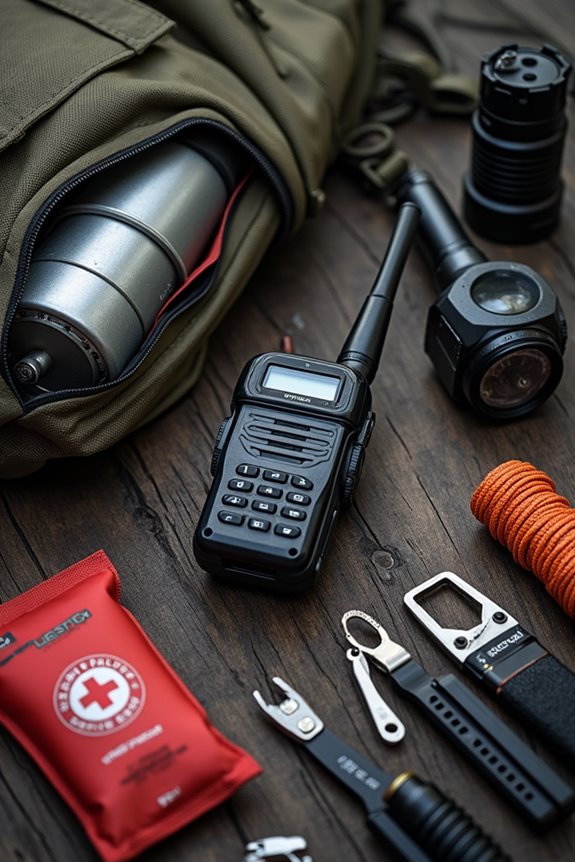
A two-way radio is a handy device that lets us chat back and forth using radio waves. They’re super reliable, especially at construction sites or during outdoor events. We just push a button to talk, making instant communication a breeze. Plus, they usually have clear audio and fewer dead spots than cell phones. Whether we’re coordinating teams or responding to emergencies, two-way radios are essential tools. Stick around; we’ve got more exciting details coming up!
Key Takeaways
- Two-way radios enable back-and-forth communication using a push-to-talk feature for ease of use.
- They operate on specific channels to ensure clear conversations without interference.
- Designed for various settings, including construction sites and outdoor activities, offering reliable communication.
- Many models include NOAA weather alerts for increased safety during emergencies.
- Two-way radios are cost-effective, eliminating monthly fees and providing durable, dependable communication.
Definition and Basic Functionality
When we think about communication tools, two-way radios are like the dependable friends of the radio world. These nifty radio transceivers allow for two-way communication, letting us chat back and forth without missing a beat. Unlike ordinary radios that only listen, two-way radios can send and receive messages. Picture a handheld walkie-talkie in your hand, connecting you with teammates or friends.
To work, we just push a button, talk, then release it to listen—pretty simple, right? These radios tap into specific channels, allowing clear conversations without interference. This makes them perfect for everything from construction sites to family outings. With two-way radios, we can keep the lines open and stay connected, no matter where we are! Additionally, many models come equipped with NOAA weather alerts, enhancing safety during outdoor activities.
Technical Operation and Components
Two-way radios are fascinating devices packed with technology that makes our conversations possible. They rely on transmitters and receivers to function. The transmitter converts our voice into radio waves, while the receiver captures incoming waves and turns them back into sound. Isn’t that cool?
The antennas play a big part, too, as they help send and receive those waves effectively. With different transmitter types and receiver technology, we can optimize performance for any environment. Additionally, some models come equipped with advanced features like NOAA weather alerts, providing users with real-time updates during outdoor adventures.
Our radios usually run on batteries, so keeping those fresh is essential for clear communication. Plus, user-friendly features like volume knobs and push-to-talk buttons make our experience smoother. It’s amazing how these components work together for seamless connections!
Recommended Products
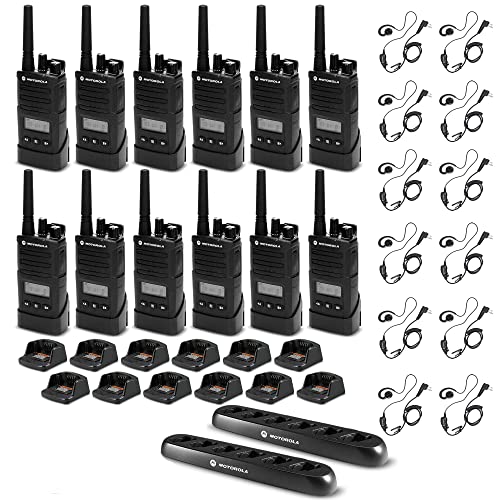
Bundle Includes: 12 x Motorola RMU2080d On-Site 2-Way Business Radio with Display, 2 x Motorola PMLN6384 RM Series Multi-Unit Charger, 12 x Motorola HKLN4604 Swivel Earpiece with In-Line Microphone & Push-to-Talk

Jobsite Range: 1W output reaches up to 250,000 sq ft or 20 floors under optimal conditions, keeping large crews connected across multi-level commercial sites

IP67 Waterproof: Count on the T600 H2O two-way waterproof radio to keep you connected whether on land or at sea; Use the VibraCall feature where ringing can be intrusive; The keypad lock prevents your personalized settings from being inadvertently changed.
Communication Modes and Channels
Communication modes and channels are key to how we connect using two-way radios. Whether we’re chatting casually or coordinating major events, understanding these modes can enhance our interactions. For example, half-duplex mode lets one person talk while the other listens, which is handy for quick back-and-forths. In contrast, full-duplex mode allows chatting simultaneously—no waiting necessary!
When we think about channels, conventional channels are simple and direct, while trunked channels maximize efficiency among users. It’s all about smart communication protocols that keep our chats clear and reliable. Additionally, selecting hand crank radios with NOAA weather updates can enhance safety during emergencies by ensuring you receive vital information. So, as we navigate these options, let’s remember: effective communication channels and efficiency can make our conversations more impactful, ensuring we stay connected without the hassle of interference.
Historical Background
The journey of two-way radio technology is packed with fascinating developments that have shaped how we connect with one another. Starting with Heinrich Hertz’s discovery of wireless waves in 1886, the groundwork for radio communication was laid. Fast forward to 1901, and we see Guglielmo Marconi achieving transatlantic communication, transforming global connectivity. Four season tents have since evolved as a critical tool for adventurers and outdoor enthusiasts, emphasizing the importance of reliable communication in various environments.
Range and Frequency Characteristics
When we think about how far we can chat on our two-way radios, it’s not just a matter of flipping a switch and talking. It’s all about frequency selection and range optimization. Lower frequencies, like VHF, work wonders outdoors since they can bend around obstacles. But when we’re in a city, UHF frequencies come in handy as they cut through buildings more effectively.
Our radios can reach just about 100 meters indoors, but in open spaces, we might chat over several kilometers. Weather and terrain play a huge role, too—rain and hills can really dampen our signal. By understanding these characteristics, we can make the most of our conversations and stay connected, no matter where we are. Additionally, ensuring we have the right equipment, such as a lightweight generator for camping, can also improve communication reliability during outdoor adventures.
Applications and Variations
Two-way radios are more than just nifty gadgets; they play an essential role in various industries. In hospitality coordination, these devices help hotel staff communicate seamlessly. When a guest requests a service, teams can respond instantly, ensuring smooth and enjoyable experiences. Sounds invigorating, right?
In manufacturing environments, these radios boost efficiency. They keep production lines running by connecting teams and relaying important updates fast. Imagine no downtime—everybody’s in sync!
From emergency services to farming, two-way radios facilitate quick responses where cell coverage fails. They’re not just handy; they’re lifesavers. As we’ve seen, they improve communication considerably. So, whether you’re coordinating a wedding or a warehouse, two-way radios are our trusty allies every step of the way. Additionally, the importance of having reliable tools for emergency preparedness cannot be overstated in environments where quick communication is critical.
Advantages of Two-Way Radios
While we rely on our smartphones for everyday communication, two-way radios offer several advantages that make them a top choice for many industries. First up, there’s cost savings. Without pesky monthly fees or service contracts, the initial investment in radios pays off quickly. We’re looking at lower expenses than even push-to-talk cellular systems.
Now, let’s talk communication reliability. Two-way radios provide clear audio, immune to dead spots that plague cell phones. The push-to-talk feature connects us instantly, making it much easier to coordinate during urgent tasks. Plus, they’re built tough for any environment!
Recommended Products

Bundle Includes: 2 x Motorola PMLN6384 RM Series Multi-Unit Charger, 12 x Motorola RMU2040 On-Site 2-Way Radio, 12 x Motorola HKLN4606 Remote Speaker Microphone, 1 x Microphone Cleaner, 12 x 6AVE Electronics TM MicroFiber Cloth, 2 x 6 Assorted Color Straps

Bundle Includes: 2 x Motorola PMLN6384 RM Series Multi-Unit Charger, 12 x Motorola RMM2050 On-Site 2-Way Radio, 12 x Motorola HKLN4606 Remote Speaker Microphone

4-Pack includes 4-Motorola RDU4100 Two-Way Radios, 4 - 2400 mAh Li-ion Rechargeable Battery, 4 - 10 Hour Plug-In Charger, 4-Spring Loaded Belt Clip, 4-Antenna, 4-Speaker Mics HKLN4606
Future Trends in Two-Way Radio Technology
As we look ahead, we can see some exciting trends shaping the future of two-way radio technology. Digital advancements are turning heads, with the shift from analog to robust digital systems like DMR enhancing our communication experience. We’ll likely see faster data speeds thanks to 5G tech, pushing the limits of what’s possible. Market predictions show growth worldwide, especially in North America and Europe, while emerging regions rise to prominence. Hybrid connectivity will become a norm, linking our radios with LTE and Wi-Fi for better coverage. Plus, innovations like AI and IoT will offer seamless communication, making two-way radios even more indispensable across industries. It’s a thrilling time, and we can’t wait to see what unfolds next!
Frequently Asked Questions
Can Two-Way Radios Connect to Smartphones or Other Devices?
Absolutely, two-way radios can connect to smartphones through innovative solutions like RadioPro Talk™, ensuring seamless smartphone connectivity and device compatibility. Together, we can achieve efficient communication in challenging environments, balancing rugged reliability with modern technology.
How Do I Choose the Right Two-Way Radio for My Needs?
When choosing the right two-way radio for our needs, let’s consider brand comparisons and prioritize features like range, power, and ease of use. Together, we can find the perfect fit for our communication style.
What Is the Battery Life of Typical Two-Way Radios?
Typical two-way radios offer 10 to 12 hours of battery life, depending on usage. By choosing the right battery types and utilizing smart charging options, we can enhance performance and stay connected longer together.
Are Two-Way Radios Weatherproof or Durable for Outdoor Use?
Yes, two-way radios often boast impressive weatherproof features and outdoor durability. We can trust them in harsh conditions, ensuring reliable communication whether it’s rain, snow, or rugged terrain. Finding the right model enhances our safety and connectivity.
Can I Use Two-Way Radios Internationally Without Licenses?
Maneuvering through international regulations can feel like weaving through a maze. We can’t use two-way radios internationally without licenses—different frequency bands create hurdles. Let’s make sure we follow the rules to stay connected safely.