As an Amazon Associate, we earn from qualifying purchases. Some links on this site are affiliate links at no extra cost to you. Our recommendations are based on thorough research and editorial judgment.

What Are Plug In Emergency Lights?

Plug-in emergency lights are handy devices that automatically turn on when the power goes out. They’re perfect for illuminating hallways and stairwells, making sure we can see clearly during emergencies. These lights plug directly into outlets and feature rechargeable batteries, giving us at least 90 minutes of backup power. With energy-efficient LEDs, they save electricity and last a long time. Curious about how to choose the best one for your space or its installation process? Stick around, and let’s explore further!
Key Takeaways
- Plug-in emergency lights automatically activate during power outages, providing reliable illumination for safety and visibility.
- They feature built-in rechargeable batteries, ensuring 90 minutes of backup power and can serve as nightlights when the power is on.
- Installation is simple; users just need to plug the lights into existing outlets without any complicated hardwiring.
- These lights are energy-efficient, using only 3-5 watts, and can last up to 25 times longer than traditional bulbs.
- Regular maintenance involves monthly functional tests and annual inspections to ensure compliance with safety standards and proper operation.
Definition and Functionality
Plug-in emergency lights are a lifesaver when the power goes out. They’re designed to stay plugged into standard outlets, automatically switching on during outages. This means we don’t have to scramble for flashlights! Their built-in rechargeable batteries keep them bright and ready, ensuring power reliability in critical moments.
These lights shine in areas we often take for granted, like hallways and stairwells. By lighting up these spaces, they boost our safety awareness, helping us avoid trips or falls when the lights go out. Plus, they double as nightlights when everything’s functioning normally! Installation is a breeze—just plug them in. Additionally, incorporating essential supplies in emergency kits can further enhance preparedness during unexpected power outages. So, let’s embrace this slice of security and keep our homes safe through even the darkest moments.
Key Features and Components

When it comes to emergency lighting, there are some key features and components that make these devices reliable and effective. First, we have bright, energy-efficient LEDs that provide high lumen output, making certain we can see during emergencies. Many of us appreciate the flexibility of adjustable lamp heads, allowing light to be directed exactly where it’s needed.
Next, backup batteries of various types guarantee that we have at least 90 minutes of backup power when the lights go out. The advanced components, like charging indicators and leak-resistant battery compartments, extend both functionality and durability. Additionally, having a reliable power backup system ensures that lights remain operational during power outages.
Finally, durable thermoplastic housing guarantees our lights are fire-resistant and compliant with safety standards. These features combine for confident, reliable emergency lighting that we can trust.
Recommended Products

Battery Backup – This LED ceiling panel comes with a built-in battery backup that provides up to 90 minutes of emergency lighting during power outages. The panel includes an indicator screen that displays three different colors to show the status of the battery and a convenient test button to ensure it is always ready when needed.

HUGE PORTABLE POWER: The WGen14500TFc tri fuel generator with CO sensor is an ideal power source for jobsites and emergency backup of larger homes. Gas: 18,000 peak watts, 14,500 running watts; Propane: 16,000 peak watts, 13,000 running watts; Natural gas: 14,400 peak watts, 11,600 running watts

【Strong Load Capacity】GM10500iETC has the maximum power among single cylinder silent inverter generator, the whole machine can work stably at 8500w running watts and 10500w starting watts on gasoline, 8000w running watts and 9500w starting watts on LPG, 6800w running watts and 8400w starting watts on Natural Gas, so large load starting current equipment, air compressor/blower/air conditioner can carry at one time.THD less than 3% perfect for sensitive equipments such as computer and cell phone.
Installation Process and Cost Advantages

Installing emergency lights can feel a bit intimidating, but it’s actually quite straightforward if we break it down into manageable steps. First, let’s remember to verify the power is off—no one wants to turn a light installation into an electrifying experience!
We can save time and money with some savvy installation tips. With plug-in lights, we bypass complicated hardwiring; most simply connect to existing power sources. This not only speeds up installation but also cuts down on labor costs. Additionally, selecting suitable power output can ensure that the lights meet your needs without overloading the circuit.
For an efficient setup, align the light correctly with the mounting box. Trust us, nothing screams “amateur” like a crooked emergency light! Finally, with these cost savings and simplicity, we can enhance safety without breaking the bank.
Recommended Products
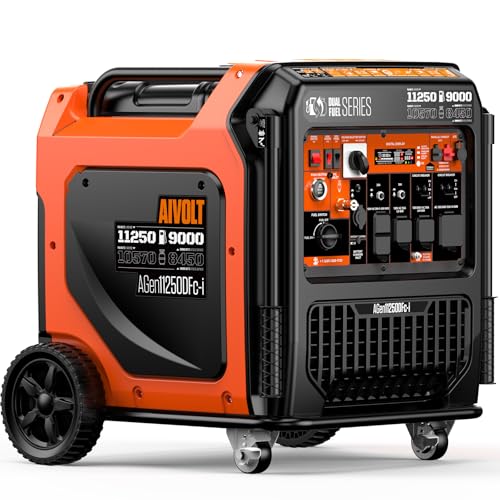
Meets U.S. Standards: This generator follows strict U.S. environmental and safety rules. EPA & CARB Compliant. Available for purchase in CA

HOME BACKUP POWER, ≤3% THD: The Westinghouse iGen12000DFc dual fuel inverter generator provides whole home backup power that's safe for sensitive electronics; It also has a 50A outlet; Gasoline: 12,000W peak and 9,000W running; Propane: 11,000W peak and 8,100W running

【Harness the Sun's Energy】 Embrace an eco-conscious lifestyle with the ALLWEI 2400W Solar Generator, offering up to 1200W Fast Solar Recharging, fully powering the device in just 1.5 hours, merging technology with sustainability for Outdoor Camping. This solar generator kit includes a 2400W Power Station, a 400W Solar Panel and a 2048Wh Expansion Battery.
Technical Operation and Compliance Standards

Understanding how plug-in emergency lights work and ensuring they meet compliance standards is essential for maintaining safety in our spaces. These lights run on standard AC power, having battery packs that automatically kick in during outages.
We need them to comply with national codes like NFPA 101, ensuring they provide adequate lighting quickly—usually within 10 seconds—lasting for a minimum of 90 minutes. The technical specifications guide us in selecting energy-efficient, LED models that offer bright illumination with low power consumption. With reliable backup systems and self-diagnostics, these lights alert us to maintenance needs. Additionally, selecting models with NOAA weather alert capabilities can enhance safety by providing timely notifications during emergencies.
In short, by prioritizing regulatory compliance, we can confidently keep our paths illuminated during emergencies, making our environments safer for everyone.
Suitable Applications and Use Cases

Have you ever thought about where plug-in emergency lights should go in our homes and workplaces? In residential applications, they’re perfect in hallways and stairwells, helping us navigate during power outages. We can position them near exits to mark those crucial escape routes. At work, they’re essential in factories and office buildings, ensuring safe passage during emergencies.
Let’s not forget about vehicle lighting! Plug-in modules can be quickly added to fleet vehicles for better roadside safety. These lights improve our visibility and signal first responders in emergencies. Emergency weather radios can be an important addition to your home emergency preparedness plan, ensuring you stay informed during critical situations. Whether indoors or out, these lights make sure we’re prepared and safe. So, let’s keep our spaces bright and secure!
Benefits of Using Plug In Emergency Lights
When we think about keeping our homes and workplaces safe during emergencies, plug-in emergency lights are like the trusty sidekick we never knew we needed. These lights not only save us money—but they also shine brightly, making our spaces safer when we need it most. Since they use LED technology, they consume less energy and last longer, which means fewer replacements for us!
With no complicated wiring, setup feels like a breeze. User experiences show they activate automatically during power outages, helping us avoid accidents in dark hallways. Plus, integrated features let them double as gentle nightlights. All these factors are crucial design considerations, proving that keeping safe can be effortless, energy-efficient, and even a little fun. Additionally, having a self-locking mechanism in emergency lights can enhance their usability and reliability during critical situations.
Maintenance and Testing Requirements
Maintaining plug-in emergency lights is essential for guaranteeing they’re ready to shine in a power outage. We need to follow our maintenance schedules closely to stay compliant and safe. Each month, we should conduct a functional test that lasts at least 30 seconds. This way, we can verify both lamp illumination and battery function.
Don’t forget those visual inspections! Every month, check for cracks or dirt that could dim our lights. Also, annual testing is a must, lasting 90 minutes to guarantee everything’s working properly. Remember to keep compliance documentation, like maintenance logs and inspection reports. They’re our safety net, proving we’ve done our due diligence. Trust us, addressing these checks can save us during an emergency!
Battery Types and Backup Functionality
Now that we’ve got our maintenance schedule locked down, it’s time to talk batteries—these little powerhouses guarantee our emergency lights shine bright when we need them most. We’ve got several battery chemistry options, from the reliable Sealed Lead-Acid to the newer Lithium-Ion, each delivering varying backup duration. A typical emergency light should give us about 90 minutes of illumination after a power loss, depending on the battery’s capacity. It’s important to match the voltage to our specific lights to avoid dim failures. And let’s not forget, while Lead-Acid might feel like the old faithful, Lithium-Ion offers longevity and energy density. Choosing the right one guarantees our lights stay ready for action without any hiccups!
Recommended Products

𝐍𝐨𝐭𝐞: 𝐓𝐡𝐞 𝐇𝐨𝐦𝐞𝐏𝐨𝐰𝐞𝐫 𝟑𝟎𝟎𝟎 𝐝𝐨𝐞𝐬 𝐧𝐨𝐭 𝐬𝐮𝐩𝐩𝐨𝐫𝐭 𝐩𝐚𝐫𝐚𝐥𝐥𝐞𝐥 𝐜𝐨𝐧𝐧𝐞𝐜𝐭𝐢𝐨𝐧 𝐨𝐟 𝐭𝐰𝐨 𝐮𝐧𝐢𝐭𝐬.

Space-Saving Powerhouse: 1/3 the size of standard 12V 300Ah batteries (32% smaller footprint!) but with 20AH HIGHER capacity. Ideal for RVs, campers, and marine vessels where every inch matters – fits seamlessly into tight battery compartments without sacrificing energy storage.
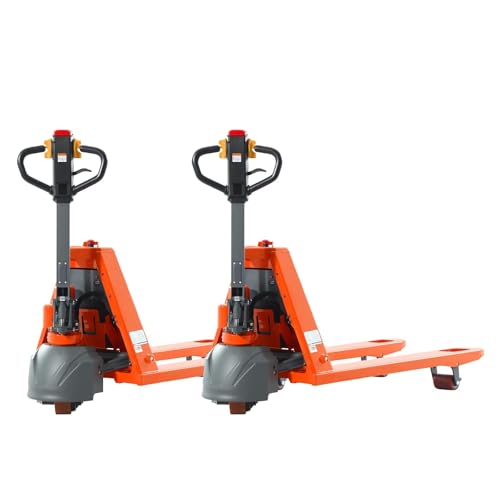
This pallet jack with load capacity: 3300lbs.Lithium battery capacity: 24V/20AH. Walking and lifting by electricity. Max. lifting height: 7.5". Fork lowered height: 3"
Energy Efficiency and Sustainability
As we prioritize energy efficiency and sustainability in our emergency lighting systems, it’s imperative to recognize that our choices can make a significant impact. Plug-in emergency lights, especially those with LED technology, consume just 3-5 watts, leading to amazing energy savings. Compared to old incandescent bulbs, they use up to 90% less energy!
Plus, they last up to 25 times longer, slashing replacement waste. Many products, like photoluminescent exit signs, don’t even need electricity!
Comparison With Hardwired Emergency Lighting
When we think about emergency lighting options, the choice between plug-in and hardwired systems can be pretty confusing. Plug-in lights shine with portability advantages—they’re easy to install, remove, and transfer between vehicles, making them perfect for volunteer needs. We don’t have to worry about drilling or cutting wires.
On the other hand, hardwired systems offer great customization flexibility, as they can integrate with a vehicle’s controls for advanced functions. However, they require professional installation, which can be complicated and costly. If we only need straightforward emergency signaling, plug-in lights are often more than enough. Hardwired lights might be the choice for dedicated, owned vehicles, but they lack the adaptability we appreciate in plug-in options.
Recommended Products

NEW Power More Things: 2,000 watt inverter and 3,600-watt surge means you’ll have home outlet power anywhere you go. Multiple power-hungry devices to run? No problem
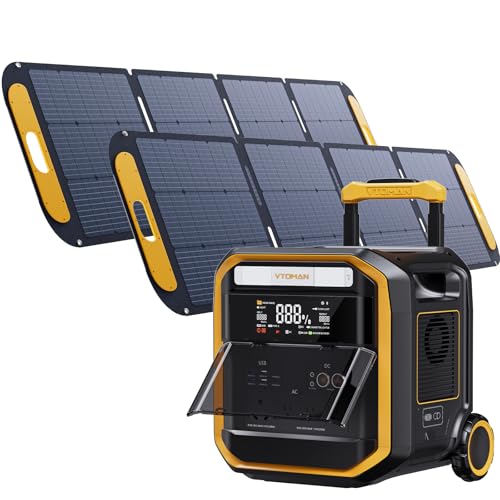
【2‑Hour Ultra‑Fast AC & Solar Charging with CHARGECORE】VTOMAN’s CHARGECORE energy management system delivers faster, more efficient power tailored for real‑world use, from off‑grid camping to home backup. Recharge 0‑100% via wall outlet in just 2 hours, and accept up to 800W solar input – perfect for RV trips and emergency readiness.
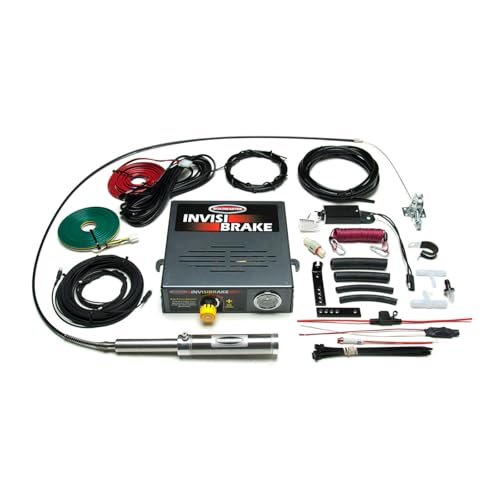
Product Compatibility: The Roadmaster Invisibrake Support Braking System with Emergency Breakaway System fits Towed Vehicles with Vacuum-Powered Brakes
Selecting the Right Model for Your Needs
Selecting the right model for your needs can feel overwhelming, especially with so many options out there. First, let’s consider product compatibility. Make sure the emergency light fits your space, whether for indoor coziness or outdoor resilience. We should also check user reviews; they offer insights into real experiences that can guide us toward the best quality models.
Next up, think about light output—some need brighter lights for larger areas. Don’t forget battery backup! A reliable model should offer at least 90 minutes of illumination during outages. Finally, look at installation ease. The simpler, the better! Choosing wisely can make all the difference, keeping our homes both safe and well-lit when we need it most.
Recommended Products

Energize Almost Everything. The EcoFlow DELTA Pro 3 supports 120V/240V voltage and has a 4000W output (6000W with X-Boost, scalable up to 12000W), powering nearly all essential home appliances, such as a 3-ton* central AC or a 1 HP water pump.

Enhance your comfort and sleep with full head and foot articulation the Head Adjusts up to 80° and the Foot up to 50° giving you the ability to adjust to virtually any position or angle, Innovative Wall-Hugger Design Tubular Steel Frame with Advanced Motion

EXTENDED WARRANTY SERVICE - The Irvine Home Collection adjustable bed base comes with a dedicated nationwide customer service contact at no cost to you that can handle all warranty and parts requests swiftly.
Frequently Asked Questions
Can Plug in Emergency Lights Be Used Outdoors?
No, we shouldn’t use plug-in emergency lights outdoors unless they’re rated for such. For outdoor safety, let’s pick weatherproof options instead. Remember to follow installation tips to guarantee proper function and compliance with safety standards.
How Long Do Batteries Typically Last in These Lights?
Battery life in these lights usually ranges from 3 to 10 years, depending on the type. By following some simple maintenance tips, we can guarantee they last as long as possible for our safety.
Are Plug in Emergency Lights Waterproof?
Yes, some of ’em have waterproof ratings, ensuring outdoor durability. Just like a cozy night under a sturdy roof, we can count on these lights to shine bright, even when the storms come calling.
Can I Paint or Modify These Lights?
We can’t safely paint or modify these lights. Doing so risks compliance and functionality. Instead, let’s choose proper modification options or accessories recommended by manufacturers. This way, we guarantee safety and maintain performance when we need it most.
Do Plug in Emergency Lights Need a Specific Type of Outlet?
Plug-in emergency lights don’t need a specific outlet type, but they must guarantee outlet compatibility for emergency power. Let’s keep it simple: standard outlets work, as long as they meet basic safety requirements together.