As an Amazon Associate, we earn from qualifying purchases. Some links on this site are affiliate links at no extra cost to you. Our recommendations are based on thorough research and editorial judgment.

What Is A Multi Use Item Strategy?

A multi-use item strategy encourages us to reuse products instead of tossing them after a single use. This not only cuts down on waste but also helps save money and protect our planet. We see it in action with reusable containers, shampoo bottles, and even pallets in businesses. By using these options, we’re minimizing pollution and conserving resources. It’s a win-win for everyone, and there’s so much more interesting stuff to explore about this topic!
Key Takeaways
- A multi-use item strategy promotes using products repeatedly instead of single-use, reducing waste and environmental impact.
- It encompasses various sectors, including retail, food services, and B2B, with a focus on reusable packaging and containers.
- Economic benefits include job creation, resource conservation, and decreased costs in waste management through reduced landfill contributions.
- Business models like product-as-a-service and sharing platforms enhance usability and maintenance of multi-use items, tailoring solutions for customer needs.
- Implementation involves addressing infrastructure challenges and ensuring clarity on ownership models to maintain product quality and encourage sustainable consumption.
Definition and Purpose
When we think about making our world a cleaner place, it’s clear that adopting a multi-use item strategy can be a game-changer. So, what does it mean? At its core, this strategy encourages us to use products multiple times, rather than tossing them after one use. It’s not just about ditching single-use items; it’s about embracing durable alternatives that stick around longer. The purpose? It helps reduce our environmental footprint, tackle plastic pollution, and makes life easier by cutting down on waste. By rethinking how we buy and use things, we not only save money—who doesn’t love that?—but we’re also fostering a healthier planet for future generations. Let’s get on board with this sustainable shift! Additionally, adopting a multi-use strategy aligns with the benefits of multitools that enhance versatility and reduce material consumption.
Key Sectors and Applications

Key sectors and applications of a multi-use item strategy are popping up all around us, making a significant difference in how we live and consume. In retail packaging, for example, items like shampoo bottles and pantry containers are embracing reuse to entice repeat customers. B2B reusable options, such as pallets and crates, enable businesses to collaborate and share resources, reducing waste while saving money. We’re seeing this trend in food service too, where restaurants and venues use reusable containers to cut down on single-use waste. It’s exciting to think about how these practices create a more sustainable cycle of consumption for all of us. By supporting reusable systems, we’re not just saving dollars; we’re supporting our planet’s health! Additionally, the use of BPA-free materials in water jugs emphasizes the importance of safety in reusable product design.
Environmental and Economic Benefits

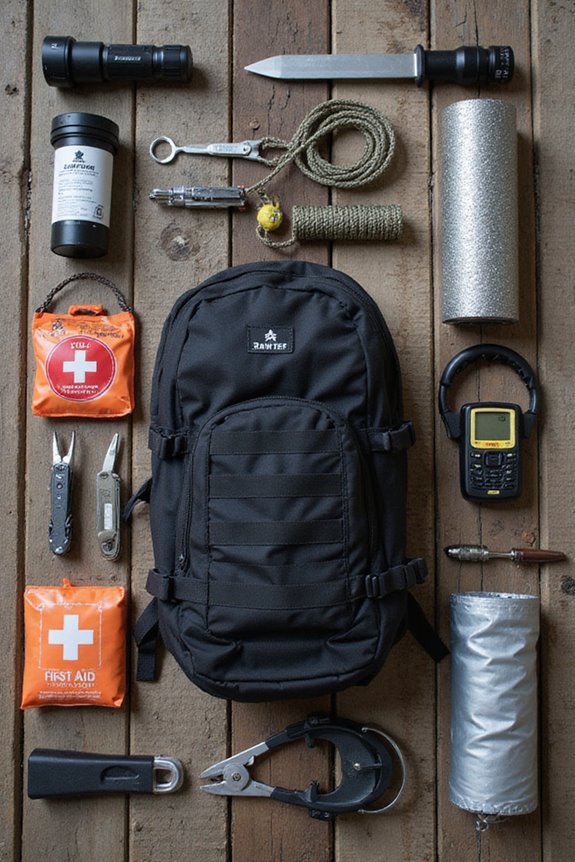
The exciting shift towards multi-use items isn’t just good for business; it also comes with a host of environmental and economic benefits that we all can appreciate. By embracing these products, we can enjoy significant waste reduction. That means less stuff in landfills! They also promote resource conservation since we’re using fewer raw materials. Plus, switching from single-use plastics cuts down on pollution, protecting our planet. From an economic standpoint, more jobs pop up in reuse systems rather than landfills, which is a win for everyone. Think about it: we save money on waste management while creating new market opportunities. Additionally, multi-use items can enhance preparedness by providing essential survival gear to minimize environmental impact. Together, we can embrace multi-use items and make a difference for our environment and our wallets!
Recommended Products

Made in the USA: Veteran-owned and based in Evansville, Indiana—we stand by our products and put customers first. Our long-term food storage containers, pails, and buckets are durable, reliable, and built to last. It’s a food-grade 5-gallon bucket with lid you can rely on.
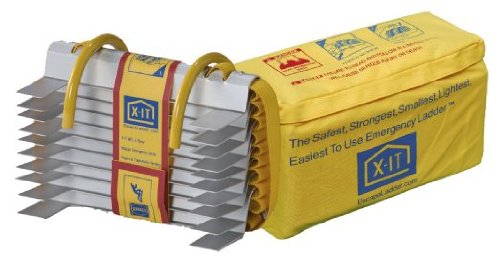
The Award Winning: Safest, Strongest, Smallest, Lightest, Easiest To Use Emergency Ladder

Business Models Supporting Multi-Use Item Strategies
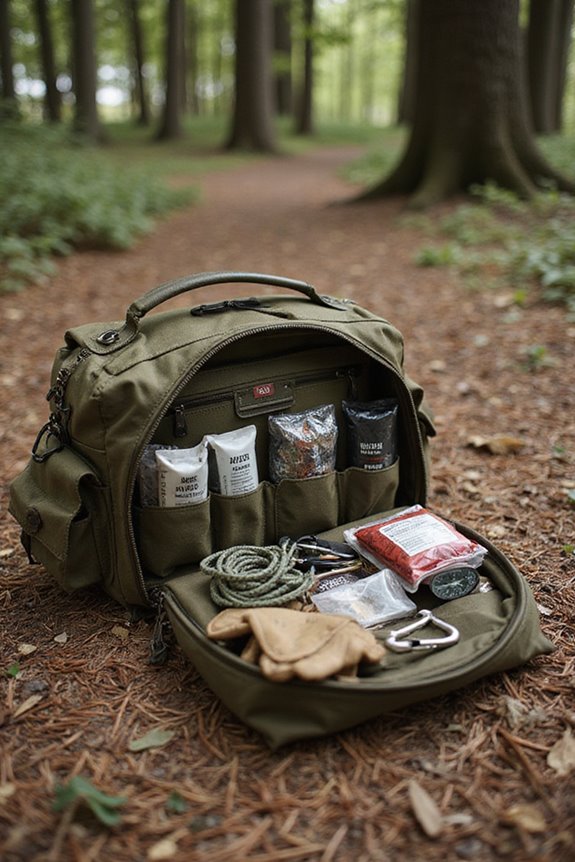
As we explore the world of multi-use item strategies, it’s clear that innovative business models play a pivotal role in driving this change. Multi-brand ecosystems operate several brands under one umbrella, allowing us to tap into economies of scale and expand our market reach with reusable items. Meanwhile, platform integration creates connections between users and products, enhancing our access to shared multi-use goods.
Think of those sharing platforms that let us rent or resell items! Product-as-a-service platforms take it a step further, automating maintenance and keeping customers within multi-use ecosystems. By inviting users to contribute to production or refurbishment, we can boost longevity while adding value. Portable generators are a prime example of multi-use items that offer versatile applications, enhancing user experience further. It’s about teamwork for a sustainable future!
Implementation Considerations and Challenges
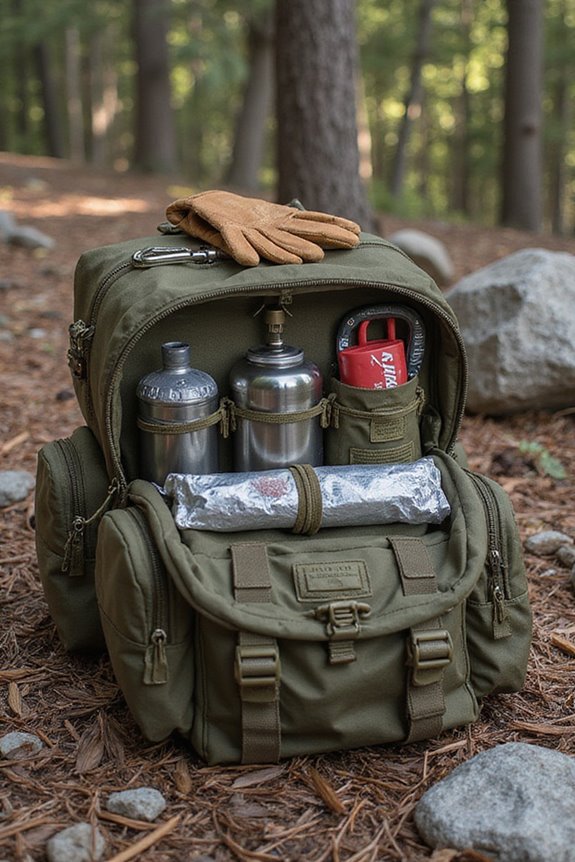
When we immerse ourselves in the implementation of multi-use item strategies, it’s clear that several hurdles lie ahead. First, infrastructure challenges can stall our efforts. Without enough collection points or cleaning facilities, consumer participation dwindles. Next, ownership models must be clarified. If we don’t know who’s responsible, communication breaks down, making it tough to manage quality control. Recycling complexities add another layer of difficulty; mixing materials can lead to contamination, harming our eco-friendly goals. Finally, policy interventions are essential. We’ll need supportive regulations that encourage design for circularity. So, as we navigate through these challenges, let’s work together to create a smoother path for multi-use items and make our efforts truly impactful!
Practical Examples and Innovations
Innovative approaches to multi-use items are popping up everywhere, showcasing how creativity can tackle waste and engage consumers. Let’s explore some amazing innovation examples. Imagine packaging that transforms into stylish storage containers or even pet houses! These designs not only extend the lifecycle of materials but invite us to rethink waste.
In the beauty sector, refillable containers are gaining popularity. They encourage eco-friendly habits and keep us connected to the brand. Also, real-time data from products like Coca-Cola Freestyle lets us customize our drinks while brands adapt to our preferences. By blending sustainability with fun, these innovations delight us while promoting responsible consumption, proving that practical design can truly enhance our everyday lives!
Frequently Asked Questions
How Does a Multi-Use Item Strategy Impact Consumer Behavior?
A multi-use item strategy shapes our consumer preferences by aligning with sustainability concerns. Together, we’re more likely to choose reusable products when we feel supported by our peers, creating a shared commitment to a greener lifestyle.
What Are the Main Differences Between Multi-Use and Single-Use Items?
While single-use convenience might tempt us, multi-use sustainability ultimately benefits our planet. Multi-use items offer durability and lower environmental impact, while single-use products lead to unnecessary waste. Together, we can choose wiser and create lasting change.
How Can Businesses Promote Multi-Use Item Adoption Among Customers?
We can promote multi-use items through effective consumer education and enticing marketing incentives. By highlighting savings, sharing compelling stories, and offering trials, we’ll create a meaningful connection that encourages sustainable choices for all of us.
Are There Any Risks Associated With Multi-Use Item Strategies?
Absolutely, there’re potential drawbacks to multi-use item strategies. We face environmental concerns, cost implications, and consumer resistance, alongside market limitations. Plus, product durability is essential, or we risk greater waste than with single-use options.
What Role Does Technology Play in Enhancing Multi-Use Item Systems?
Technology plays an essential role in enhancing multi-use item systems; smart packaging and digital tracking empower us to monitor usage seamlessly. Together, we can embrace efficiency and sustainability while fostering a deeper connection to our shared resources.