As an Amazon Associate, we earn from qualifying purchases. Some links on this site are affiliate links at no extra cost to you. Our recommendations are based on thorough research and editorial judgment.


How Often To Rotate Supplies?

We should rotate supplies based on their shelf life. Short shelf life items need daily to weekly checks to guarantee freshness and safety. Medium shelf life products benefit from monthly rotations, while long shelf life supplies can be inspected every few months. Each rotation helps avoid waste and keeps everything compliant with health regulations. Keeping an eye on expiration dates is essential, too! Stick around, and let’s get into more ways to streamline our inventory process!
Key Takeaways
- Rotate short shelf life items daily or weekly to ensure freshness and quality.
- Implement a monthly rotation schedule for medium shelf life products.
- Check long shelf life supplies every few months to monitor condition.
- High-use items may require more frequent checks due to usage patterns.
- Consider environmental factors that could affect product degradation when setting rotation frequency.
Importance of Stock Rotation in Healthcare
When it comes to healthcare supplies, understanding the importance of stock rotation is vital. Proper stock rotation guarantees that we’re using items within their recommended shelf life, which is critical for maintaining quality assurance. Imagine needing a significant supply, only to find it’s expired; that’s a risk we can’t afford. Regularly checking and cycling products not only reduces waste but also keeps our supply chain efficient.
We should keep an eye on environmental factors like light and humidity, as these can degrade supplies. Plus, proper rotation aids in complying with health regulations, making certain we’re always audit-ready. Additionally, being aware of potable water purification methods ensures that we maintain the highest standards in supply management. Let’s commit to this practice—our patients deserve the best care, and it all starts with fresh, effective supplies.
Understanding Rotation Frequency for Different Products

Understanding how often we need to rotate different products is fundamental to maintaining the integrity of our healthcare supplies. For items with a short shelf life, we should rotate daily or weekly to confirm stock freshness. Medium shelf life products? A monthly rotation schedule is ideal. Long shelf life supplies can wait longer, with checks every few months.
It’s essential to take usage patterns into account, too. High-use items need more frequent checks, while emergency supplies can be reviewed less often. Keeping an eye on environmental factors also helps; temperature changes can speed up degradation risks. By following proper rotation protocols, we not only meet medical compliance but also guarantee quality assurance of our significant supplies. Regular updates to the emergency kits contents can help ensure that items remain effective and ready for use. Let’s stay proactive in maintaining our inventory turnover!
Recommended Products

Professional design: Electric beauty chair is a very versatile bed with a towel bar and four motors electric control, which allow lying, sitting and adjusting position without rotating the patient. To keep the client comfortable during Treatments.

Specification: 28.6 inch IPS 1920x540 digital signage display android LCD monitor,with 500cd/m2 high brightness,widely viewing angle bring vivid and clarify image display

✅ SIZED FOR L/XL FIT: Chin-to-Shoulder 3.25–5.25 in / Neck 15–20 in – universal left/right design for precise cervical and thoracic immobilization.
Weekly vs. Monthly Checks for Consumables

Rotating consumables on a consistent schedule can seem like a chore, but it’s essential for keeping our supplies safe and effective. When we consider rotation frequency, weekly checks help us catch spoilage risks early. This proactive approach reduces waste and guarantees freshness. On the flip side, monthly checks might let short-dated items slip through our fingers, risking expired products.
Let’s not forget that higher-frequency checks might require a bit more labor but give us better inventory responsiveness. Assigning different consumables to weekly or monthly cycles can make this manageable. Fresh foods may need weekly poking, while shelf-stable goods can chill out with monthly rotations. Additionally, keeping track of shelf life helps ensure that our emergency food rations remain effective and edible. Together, we can maintain a balanced approach that keeps our supplies ready and reliable!
Recommended Products

Large meal planner and shopping list in one: Plan your full week on the left side, then detach the right-side shopping list and take it on the go - designed for daily task management and errand tracking

PREMIUM QUALITY: Proudly designed and made in the USA using smooth, heavyweight (70lb) sheets and crisp, clear printing. Notepad is easy to write on, won't bleed through, and perfect for all your favorite pens.

A TOOL FOR PRODUCTIVITY AND ORGANIZATION - Using a weekly appointment planner by hour offers numerous benefits that can greatly enhance your productivity and organization. It allows you to visualize your entire week at a glance, enabling you to see the big picture and plan accordingly. With this bird’s-eye view, you can identify potential conflicts, allocate sufficient time for each task, and avoid over committing yourself.
Annual Rotation for Durable Medical Equipment

Keeping track of our supplies isn’t just about food and everyday items; it also includes essential medical equipment that needs regular attention. Annual rotation for Durable Medical Equipment (DME) is vital for our well-being. Most equipment has a reasonable use lifetime of about five years. If it’s deteriorating, not functioning right, or if our medical needs change, we must follow the replacement criteria to guarantee we’re safe.
Let’s remember to rotate items like support surfaces and filters annually, based on their usage. Our healthcare providers can help keep track of equipment maintenance. By staying proactive in our equipment management, we guarantee our health isn’t just maintained but also optimized—because when it comes to our well-being, we can’t afford to cut corners! Regular assessments of emergency kits ensure that we have everything needed for any crisis.
Monitoring Expiration Dates Effectively

While it might seem like an afterthought, monitoring expiration dates is a crucial part of managing our medical supplies. Effective expiration tracking helps us protect patient safety and reduce waste. We should embrace technology for this; automated systems can alert us before items expire, which allows for proactive measures. To kick-start our tracking, let’s implement robust inventory management software. We can use barcode scanning to make data entry faster and more accurate. Regular audits and physical inspections also help us spot soon-to-expire items before they become a problem. And remember, labeling incoming supplies clearly with expiration dates makes all the difference. By staying on top of these practices, we can create a safer environment for everyone, while also managing our resources better. Moreover, having emergency food supplies with long shelf lives ensures that we’re prepared for unforeseen circumstances while effectively rotating our inventory.
Recommended Products

The 2024 DOT Medical Examination Guide Book provides a detailed guide to the physical standards to be qualified to drive a CMV. Medical exam handbook helps you understand medical qualification and the examination process.

Keep track of visitors with one convenient book.
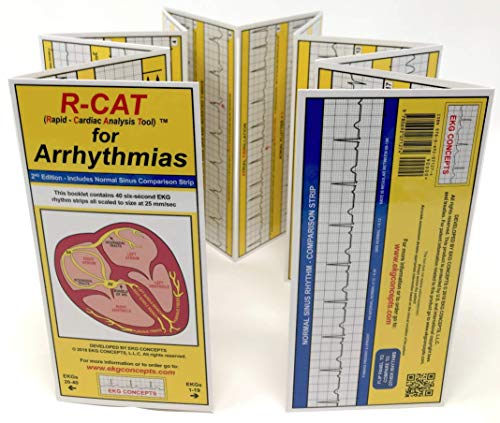
Contains literally every six-second EKG rhythm strip, all calibrated to the exact size as an EKG printout - Also includes Normal Sinus Comparison Strip, which can be flipped over to compare to other rhythms
Designating Staff Responsibilities for Stock Management
Designating clear staff responsibilities for stock management is essential, and we can’t take it lightly. Each of us must know our roles, from procurement to dispensing. This means we need to delegate responsibility carefully. It’s essential that just one or two people handle purchase orders, while others manage physical stock.
We should also include everyone—clinical and support staff alike—in inventory tasks. Training plays a significant role here too; we can’t forget to educate our team on order verifications and proper storage methods. Regular inventory audits should be assigned, fostering employee accountability throughout the process. By clearly defining these responsibilities, we can work together efficiently, keep our supplies in check, and ultimately avoid those all-too-common stockouts. Additionally, keeping a well-equipped First Aid Kit is vital for treating injuries during emergencies. Let’s do this!
Regulatory Limits on Medical Supply Dispensing
When we think about medical supply dispensing, it’s important to realize how strict regulatory limits can be. These regulations are designed to guarantee we maintain safety and accountability in our practices. For instance, we must keep proper documentation for medical necessity, including valid Certificates of Medical Necessity (CMNs). Otherwise, we could face penalties of up to $1,000.
Additionally, compliance with both federal and state laws is non-negotiable. Physicians must stay updated on dispensing laws to avoid sanctions.
Managing Replacements Within Frequency Guidelines
Regulatory limits shape how we handle medical supplies, and now it’s time to focus on managing replacements within frequency guidelines. First, we need a solid replacement scheduling plan. We should establish fixed review intervals based on shelf life and usage rates. Critical supplies? They require more frequent checks.
Let’s use compliance tracking tools, like automated alerts, for timely monitoring. We’ll replace expired items immediately to maintain safety. Don’t forget historical data – it helps us predict when to reorder, avoiding frustrating stockouts. We can also audit every month or quarter to guarantee we’re on track. By doing this, we create an efficient, reliable system for keeping our supplies fresh and effective, ensuring we’re always ready for whatever comes our way.
Best Practices for Implementing FIFO
Keeping our inventory fresh is like maintaining a well-tuned engine; if we don’t pay attention to the details, things can go south quickly. To tackle FIFO challenges, we should design our warehouse layout smartly. Position older stock at the front and new inventory at the back. Clear labeling is key for avoiding confusion.
Next, let’s employ technology. Inventory management software helps us track entry and exit dates effortlessly. This allows for better stock analysis and keeps our FIFO practices in check.
Regular audits guarantee compliance, revealing any lingering issues. Remember, consistency is vital for reducing waste and enhancing efficiency. With these best practices, we can smoothly implement FIFO and keep our inventory running like a champ!
Staff Training for Effective Inventory Management
Managing inventory effectively isn’t just about having a solid system in place; it’s also about training our team to use that system to its fullest potential. We need to identify knowledge gaps among our staff before setting clear training objectives. This guarantees everyone understands essential skills like stock rotation and accurate record-keeping.
Let’s kick off with concise training sessions—around 60 minutes each. Hands-on modules are a must! We can incorporate role-playing scenarios to help everyone tackle real-world inventory challenges.
Regular refresher courses will maintain long-term skill retention. By monitoring performance indicators post-training, we can see if we’re hitting our goals. Together, we can create an environment where every team member feels empowered and informed about effective inventory practices.
Utilizing Inventory Management Systems
When it comes to running a smooth operation, an effective inventory management system can feel like having a trusty sidekick. These systems streamline our inventory tracking, letting us see stock levels in real time. With automation benefits, we reduce human errors, making sure we order just what we need, no more, no less. Imagine cutting down wasted time on manual checks while gaining deeper insights through reporting tools. That’s pure gold for decision-making!
To get started, pick software that fits our needs. Then, train our team on how to use it. We’ll not only enhance productivity but also make our operations more efficient. Think of it this way: a well-managed inventory system is our best friend, helping us save time and money!
Recommended Products


Higher Sales per Vending Machine: These AI-powered coolers from HAHA Vending let you offer a wider variety of fresh food, snacks, and drinks. With a self-serve system, you can grab what you want.

AI-Powered Smart Shopping Experience - Just grab what you want and go! Our 99% accurate ai vision camera automatically detects selected items for seamless checkout.
Conducting Regular Audits for Compliance
An effective inventory management system puts us in a great position—now it’s time to contemplate how regular audits can keep our suppliers in check. These audits help us assess compliance and guarantee that the quality management systems are running smoothly. We need to determine audit frequency based on risk and performance, especially for higher-risk suppliers.
Initially, we should schedule thorough on-site audits when onboarding new suppliers. For existing ones, we ought to assess how critical their products are. After the audits, confirming corrective actions is essential for ongoing compliance. Incorporating these practices not only boosts audit effectiveness but also reinforces our commitment to quality. Regular audits create a feedback loop that strengthens supplier relationships and keeps our inventory fresh and reliable.
Addressing Coverage Policies and Regulatory Considerations
As we engage in the topic of coverage policies and regulatory considerations, it’s essential to understand how these guidelines shape our supply rotation practices. Coverage policies often require us to rotate supplies before they expire, helping us avoid financial losses from unused inventory. Remember, effective inventory forecasting can save us headaches down the road.
Regulatory updates, like those from the Veterans Affairs Acquisition Regulation, stress the importance of using our agency’s inventory first. So, let’s stay organized! Keeping detailed records of expiration dates and stock levels helps us guarantee compliance and promotes smooth audits. If we approach these practices with care, we not only follow the rules but also keep our supplies fresh and our operations efficient. Gotta love that peace of mind!
Continuous Monitoring Techniques for Stock Levels
Monitoring our stock levels continuously can revolutionize how we manage supplies. With automated data capture, we can instantly update stock levels every time we receive or ship items. This real-time approach helps us dodge stockouts and prevents panic at the last minute. It’s all about dynamic stock optimization!
Using barcode systems, we can streamline the inventory tracking process, making it accurate and quick. Think of it as giving us superpowers to sort through our stock efficiently.
Plus, by continuously monitoring key metrics like inventory turnover and holding costs, we get a clearer picture of what’s working and what isn’t. Embracing these techniques keeps us organized and ready for whatever comes next!
Benefits of Streamlined Inventory Processes
When we think about inventory processes, it’s clear that streamlining them can bring a world of benefits. By embracing inventory optimization and process automation, we can markedly reduce carrying costs. No one enjoys seeing cash tied up in excess stock. With accurate forecasting, we minimize overstock and keep our finances robust.
Plus, streamlined processes trim down those pesky manual tasks. Fewer errors mean we won’t stress about stock discrepancies. Efficient inventory rotation ensures our products stay fresh and relevant—not dusty relics on the shelf.
It’s all about striking that balance. We improve cash flow, enhance customer satisfaction, and fortify our supply chain. So let’s get started on making our inventory processes as smooth as possible!
Frequently Asked Questions
What Happens if Supplies Are Not Rotated Properly?
If we don’t rotate our supplies, we face supply spoilage, increased risk management issues, and potential operational failures. Together, let’s guarantee we prioritize effective practices to maintain quality and protect our interests in every aspect.
Can Supplies Be Used After Their Expiration Date?
Yes, we can sometimes use expired supplies, depending on their shelf life and condition. However, it’s crucial to inspect them for signs of spoilage before consuming to guarantee our safety and health.
How Should Expired Supplies Be Disposed Of?
They say, “Out with the old, in with the new.” For expired supply disposal, we must prioritize safe waste management, segregating items and following protocols to guarantee safety and compliance for everyone involved.
Are There Specific Software Recommendations for Inventory Management?
We’ve found some fantastic software solutions for inventory tracking! Options like Zoho Inventory and Veeqo really stand out for their features, helping us manage our stock efficiently and keeping everything organized just the way we like it.
How Do We Handle Rotation in Emergency Situations?
In emergencies, we prioritize supplies based on urgency and necessity. By following our emergency protocols, we guarantee timely rotation, using older items first to maintain freshness and effectiveness, fostering safety for all involved.