As an Amazon Associate, we earn from qualifying purchases. Some links on this site are affiliate links at no extra cost to you. Our recommendations are based on thorough research and editorial judgment.


How To Start A 7 Day Pantry?

To start a 7-day pantry, we’ll want to assess what we already have. Let’s take inventory of our staples, perishables, and obscure items. Next, we should stock up on essentials like canned proteins, grains, and spices. Organizing our pantry into zones will make it easier to find what we need. Finally, let’s brainstorm simple meals using these ingredients. We’re setting the stage for delicious weeknight dinners—stick with us for more meal ideas and tips!
Key Takeaways
- Assess your pantry by inventorying items and categorizing them into staples, obscure ingredients, and perishables for effective planning.
- Stock essential proteins like canned tuna and chicken, alongside grains and shelf-stable veggies for a balanced meal plan.
- Organize pantry items into zones and use airtight containers to maintain freshness and visibility of essential ingredients.
- Create a 7-day meal plan incorporating budget meals and versatile recipes using pantry basics for variety and convenience.
- Regularly check expiration dates and update your inventory to ensure freshness and avoid waste in your pantry.
Assessing Your Pantry’s Current State
Before we plunge into stocking our pantry for the week, let’s take a moment to assess what we’ve already got on hand. We can start by doing a full item-by-item inventory using handy inventory methods—like a printable checklist or a digital app. Let’s categorize items into staples, obscure ingredients, and perishables. Don’t forget to note the quantities and expiration dates for effective expiration tracking. This helps us see what’s still usable and what’s on its last legs. Keep our essential items visible and make sure we’re not overbuying. With just a bit of organization, we’ll be ready to reclaim our pantry space. Plus, it’ll save us from finding that unidentifiable can at the back—yikes! Having a selection of long shelf life emergency food supplies can also offer peace of mind during unexpected situations.
Essential Ingredients for a 7-Day Meal Plan
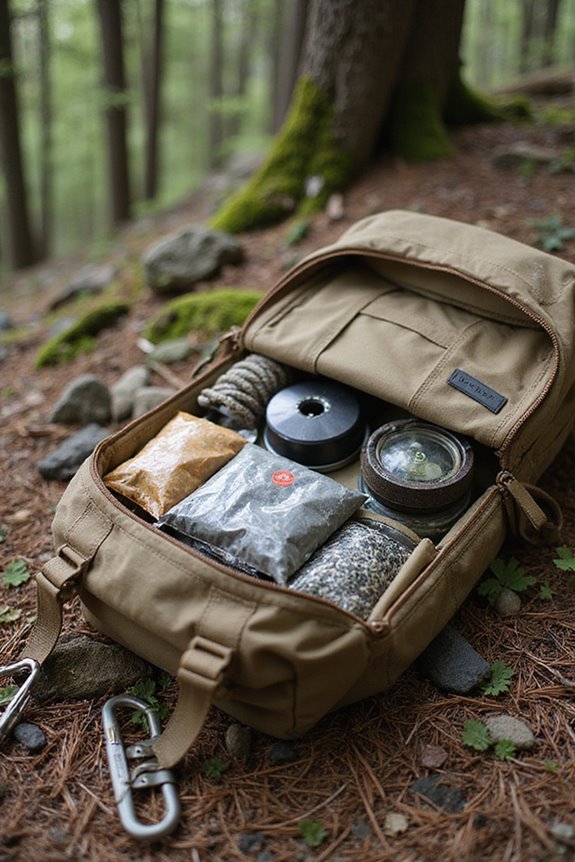
When we’re ready to put together our 7-day meal plan, having the right ingredients on hand is key to making cooking easy and fun. Let’s talk about the essentials. For protein variety, we can stock up on canned tuna, chicken, and even freeze-dried eggs. These are all versatile and last long.
We’ll also want grains like pasta and rice, plus delicious potato options. To jazz things up, our pantry should have flavorful spices, olive oil, and shelf-stable condiments! Don’t forget canned or freeze-dried veggies and fruits for nutrients and snacks. Incorporating nutritional value from premium ingredients ensures our meals are not only tasty but also well-balanced.
With these goodies in our pantry, we’ll have everything we need for tasty meals. Let’s get started and make our week delicious!
Organizing and Storing Pantry Staples
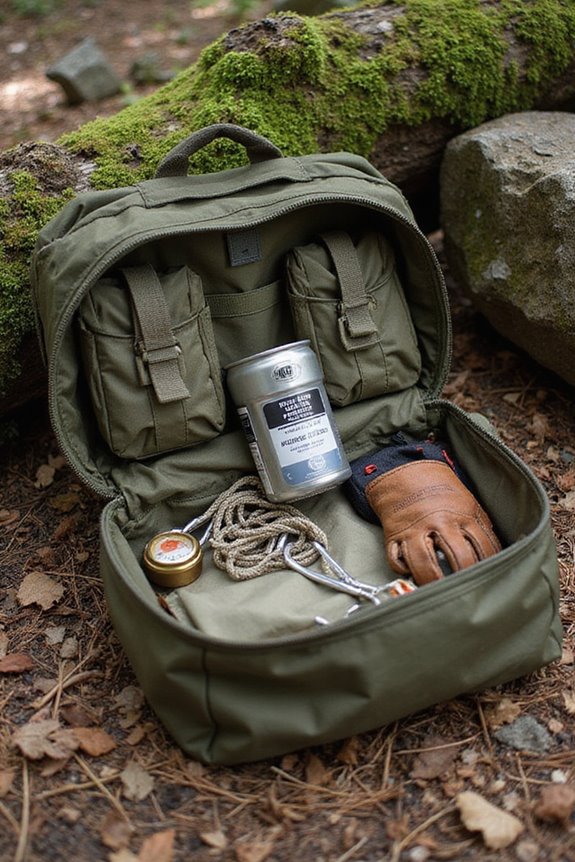
Having a well-stocked pantry is only half the battle; how we organize those goodies is just as important. To achieve an effective pantry layout, let’s start by creating zones. Group snacks, canned goods, and baking supplies together for easy access. Adjustable shelves can make a world of difference, too—use them to keep frequently used items at eye level.
Airtight containers keep our food fresh and visible. Don’t forget to label everything! Clear bins help us quickly identify contents. Embrace vertical space with tiered shelving for spices—it’s a game-changer. Regularly purging expired items keeps clutter at bay. With these simple storage solutions, our pantry turns from chaos into a well-organized haven. Now, let’s enjoy the delicious meals we can create! Additionally, having an organized pantry enhances emergency preparedness, making it easier to locate essential supplies during unexpected situations.
Meal Ideas and Recipes Using Pantry Basics

It’s easy to feel overwhelmed with all the meal possibilities using pantry staples, but we’ve got this! For budget meals, let’s whip up pinto bean burritos or a cozy chicken noodle soup. We can customize instant noodles or create a one-pot tortilla soup for lunch—talk about easy meal prep!
For breakfasts, think of oatmeal topped with seasonal fruits or sourdough pancakes with nuts. Dinner can be fun too; why not a stir-fry with peanut sauce or chana masala?
Batch cooking gives us delicious leftovers, so we can repurpose beans into rice bowls the next day. With creativity and our trusty pantry, we’ll tackle meals without breaking the bank or our spirits! Incorporating a range of meal variety options will also ensure we meet our nutritional needs throughout the week.
Maintaining Your Pantry Inventory and Freshness
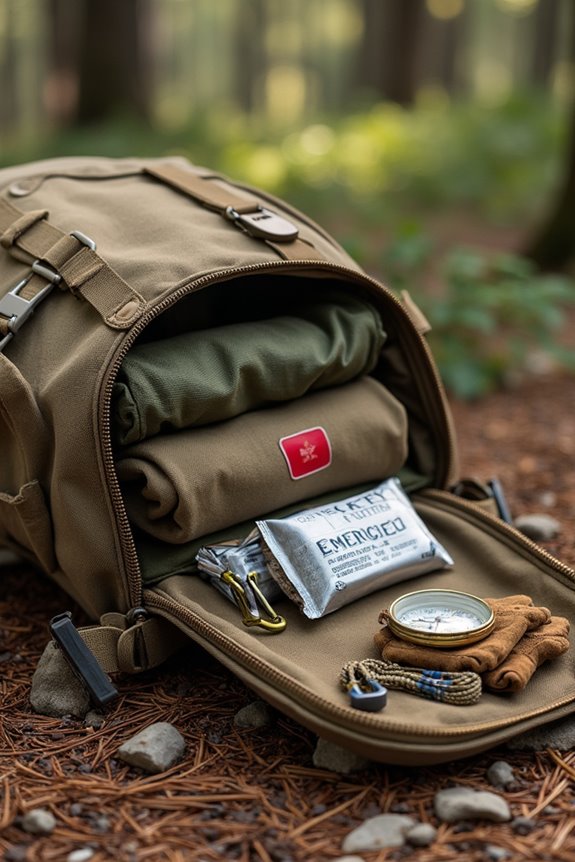
Maintaining a well-organized pantry is essential—after all, we want to keep our food fresh and reduce waste, right? To guarantee this, let’s set up a simple inventory checklist. By labeling items and grouping them by category, we can easily see what’s in stock.
We should do regular expiration management, checking dates each month and rearranging items so older ones are in front—goodbye expired snacks! Using containers not only keeps things neat but also minimizes exposure to air. It’s a game changer!
Let’s make it a habit to do a quick check during our grocery trips, too. Additionally, consider stocking up on emergency food kits that have a long shelf life to ensure you’re always prepared for unexpected situations. By making these simple adjustments, we’ll keep our pantry fresh, tidy, and ready for delicious meals!
Frequently Asked Questions
How Can I Make My Pantry More Appealing Visually?
To make our pantry visually appealing, let’s embrace decorative storage and color coding. Imagine vibrant jars neatly lined up, each labeled, creating a delightful and inviting space that sparks joy every time we open the door.
What Are Some Common Pantry Organization Mistakes to Avoid?
We should avoid overcrowded shelves and mismatched containers that create chaos. By keeping items organized and easily accessible, we’ll make our pantry a welcoming space that’s enjoyable for everyone to use and maintain.
How Do I Safely Store Pantry Items Long-Term?
Storing our pantry items is like safeguarding treasures. For long-term storage, we should use airtight containers, control moisture, and maintain food safety. Together, let’s create a safe haven for our cherished food supplies.
What Pantry Essentials Are Best for Specific Dietary Restrictions?
For gluten alternatives, we love quinoa and chickpea flour. As for vegan staples, we keep nutritional yeast and nut butters handy. Mixing these essentials makes it easy to cater to various dietary needs together!
How Often Should I Declutter My Pantry?
We should aim for pantry maintenance every 3 to 6 months. With a few decluttering tips, like checking for expired items, we can effortlessly keep our space organized, reducing waste and making cooking a joy.