As an Amazon Associate, we earn from qualifying purchases. Some links on this site are affiliate links at no extra cost to you. Our recommendations are based on thorough research and editorial judgment.

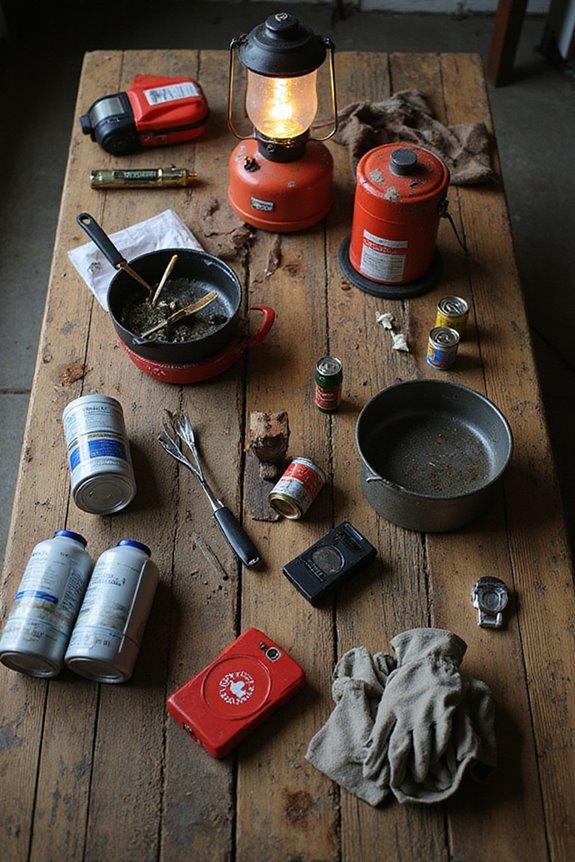
What Are Safe Indoor Cooking Options?

When we think about safe indoor cooking options, it’s all about choosing the right equipment and methods. We can opt for electric or induction cooktops, as they release fewer pollutants than gas. Let’s remember to ventilate our kitchens with exhaust fans to clear out harmful particles. Using thermal cookers can also be a safe bet. By marinating meats and covering pots, we can cut down on indoor pollutants and keep our air cleaner. Stick around to explore more tips on safe cooking!
Key Takeaways
- Use thermal cookers for safe cooking without flames, maximizing retained heat for meals.
- Choose butane or propane stoves that are rated for indoor use and properly ventilated.
- Opt for electric or induction cooktops to reduce indoor air pollution emissions.
- Keep fire extinguishers accessible and ensure basic fire safety precautions in the kitchen.
- Utilize exhaust fans to improve air quality by venting cooking pollutants outdoors.
Choosing Safe Cooking Equipment
When it comes to indoor cooking, safety should always be our top priority. We need to carefully consider our equipment selection and fuel types to guarantee our cooking experiences are both enjoyable and safe. For instance, thermal cookers are a charming choice, using retained heat without any flames. But let’s not ignore butane or propane stoves; they’re popular for a reason! Just make sure they’re rated for indoor use and that we get some ventilation going. Moreover, opting for stoves with automatic safety shut-off can provide additional peace of mind while cooking. Alcohol stoves also burn clean and can be our secret weapon for emergencies. And remember, stable and compact models help prevent tipping over—nobody wants a cooking disaster! By choosing wisely, we can whip up delicious meals while keeping our spaces safe and cozy.
Impact of Ventilation on Indoor Air Quality

Ventilation is essential for maintaining healthy indoor air quality, especially while cooking. When we cook, our kitchens can quickly fill up with pollutants like fine particulate matter and nitrogen dioxide. This is where good ventilation systems come in handy! Exhaust fans that vent outdoors effectively remove these harmful particles, clearing the air and reducing health risks.
Yet, many of us aren’t using these systems as consistently as we should. It’s easy to forget about them until we’re deep-frying, right? By simply upping the ventilation airflow while we’re cooking and keeping those fans on, we can make a huge difference. Let’s promise to give our lungs a break and become more aware of our air quality while cooking together! Furthermore, understanding the importance of weight capacity in outdoor gear can also help in making informed choices for safety and comfort in various activities.
Techniques for Reducing Pollutants While Cooking
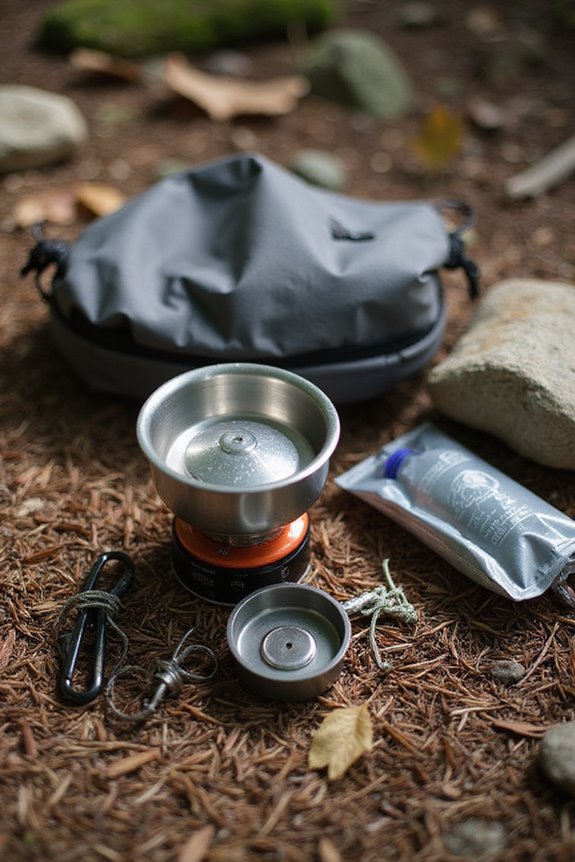
Cooking can be fun, but it can also create a lot of indoor pollutants if we’re not careful. To keep our air cleaner, we should marinate meats before cooking. This simple step can reduce harmful substances released during cooking. Also, let’s remember to use covered pots. They trap cooking fumes and moisture, minimizing pollutants escaping into our kitchens.
Using lower cooking temperatures can really help, too. It’s best to avoid grilling or frying indoors since that can really crank up those harmful emissions. When we can, using electric or induction cooktops is a great choice—they create fewer pollutants. Additionally, being mindful of heat output measured in BTUs can make a difference in cooking efficiency. So, let’s be mindful in the kitchen. We can cook delicious meals while keeping our air fresh and our health in check!
Importance of Monitoring Indoor Air Quality

While we all enjoy our cozy kitchens, we need to pay attention to the air we’re breathing indoors. Indoor air quality can notably affect our health, thanks to common pollutant sources like carbon monoxide and volatile organic compounds. Ignoring these could lead to respiratory and cardiovascular issues, which we definitely don’t want!
Monitoring our air quality isn’t just a smart idea; it’s crucial for a healthier home. With sensors detecting everything from humidity to radon, we gain insights that help us make necessary changes. Placing these sensors strategically can enhance our awareness of any hidden dangers lurking in the air. In addition, maintaining emergency kits with essential supplies ensures we’re prepared for any emergencies that might arise from poor air quality. Let’s commit to keeping our air fresh and clean—it’s a critical step in protecting our well-being!
Cooking Methods That Promote Health
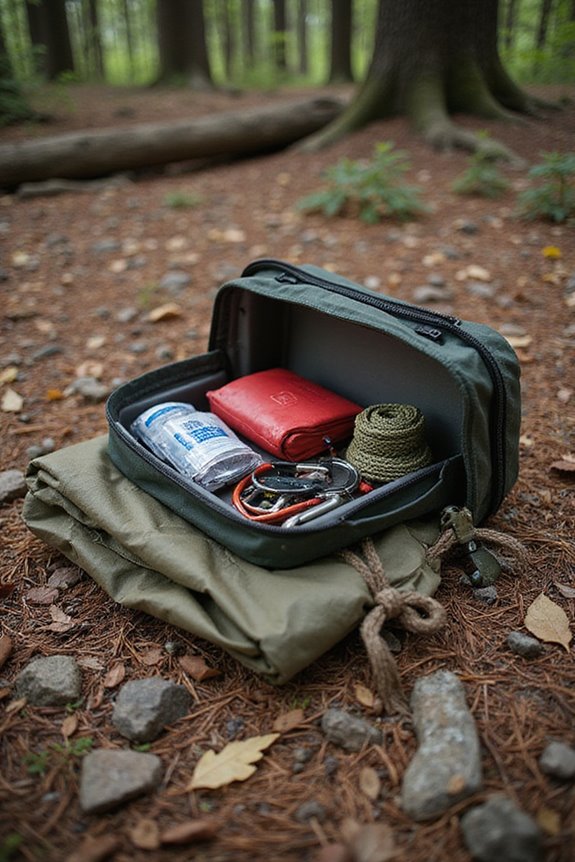
When we want to eat healthily, the way we cook can really make a difference. One of the best methods is healthy steaming. This cooking technique helps retain nutrients in our vegetables and fish without adding any fat. We can also try stir-frying, a quick way to cook that uses minimal oil, keeping our dishes fresh and nutritious. Microwaving is another winner, preserving antioxidants due to its short cooking times.
Remember that roasting or baking meats can be healthy too, as these methods keep nutrients intact. By choosing these cooking styles, we’re not just whipping up meals; we’re making smart choices for our health without missing out on flavor! Let’s get cooking and enjoy both health and taste! Additionally, using adjustable flame control can enhance the cooking experience, allowing for better temperature management.
Fire Safety Precautions in the Kitchen
Fire safety in the kitchen is something we can’t overlook, especially since it’s the heart of our homes where delicious meals come to life. First, we need to guarantee fire extinguisher accessibility. It should be right where we can quickly grab it—ideally mounted near the exit but not over the stove.
Most kitchen fires start due to unattended cooking. So, let’s make a pact to never leave the stove unattended, even for a minute. Using a timer can be our best friend here.
Also, avoiding loose clothing while cooking keeps us safe from accidental flames. Keeping flammable items away from our cooking area is essential, too. Additionally, having a portable camping stove can provide safer cooking options when preparing meals outdoors. Together, we can create a safer cooking environment, allowing us to focus on making those tasty memories!
Educating Yourself and Others on Safe Cooking Practices
Cooking is more than just whipping up a meal; it’s about doing it safely and smartly. To share knowledge on food safety and good cooking habits, we need to connect with each other. Start by looking at food handling—wash your hands often, and keep surfaces clean to prevent illness. We can educate ourselves through resources that explain best practices at every literacy level. Consider using fun visuals or social media tips—everyone loves a good graphic! When we talk about proper cooking temperatures, remember those are key to safe meals. By sharing this knowledge, we help everyone feel comfortable in the kitchen while ensuring a safer cooking environment for ourselves and our loved ones. Let’s make safe cooking a fun adventure!
Frequently Asked Questions
What Types of Cookware Are Safest for Indoor Cooking?
Choosing cookware is like picking the right partner; we want durability and safety. Cast iron offers excellent heat retention, while nonstick options can make cooking a breeze. Together, they create a harmonious cooking experience we cherish.
Can Indoor Plants Help Improve Air Quality While Cooking?
While indoor plants have some air purifying qualities, we’re better off focusing on proper ventilation. If we’re considering plant selection, let’s choose species that thrive, but don’t expect dramatic changes in air quality while cooking.
How Often Should I Clean My Kitchen Ventilation System?
We should clean our kitchen ventilation system every three months for high-usage areas, ensuring proper ventilation maintenance. Keeping a consistent cleaning frequency protects our health and safety while enhancing our cooking experience together.
Are There Specific Safety Tips for Cooking With Children?
When cooking with children, we should prioritize child supervision and teach safe cooking techniques. Let’s create a safe environment, encourage cautious habits, and build their skills while keeping fun at the heart of our culinary adventures.
What Is the Best Way to Dispose of Cooking Oil Safely?
Did you know one gallon of improperly disposed oil can contaminate a million gallons of water? We can safely dispose of it through oil recycling or exploring composting options, ensuring we protect our environment together.