As an Amazon Associate, we earn from qualifying purchases. Some links on this site are affiliate links at no extra cost to you. Our recommendations are based on thorough research and editorial judgment.

How To Pack A Camp Mess Kit?

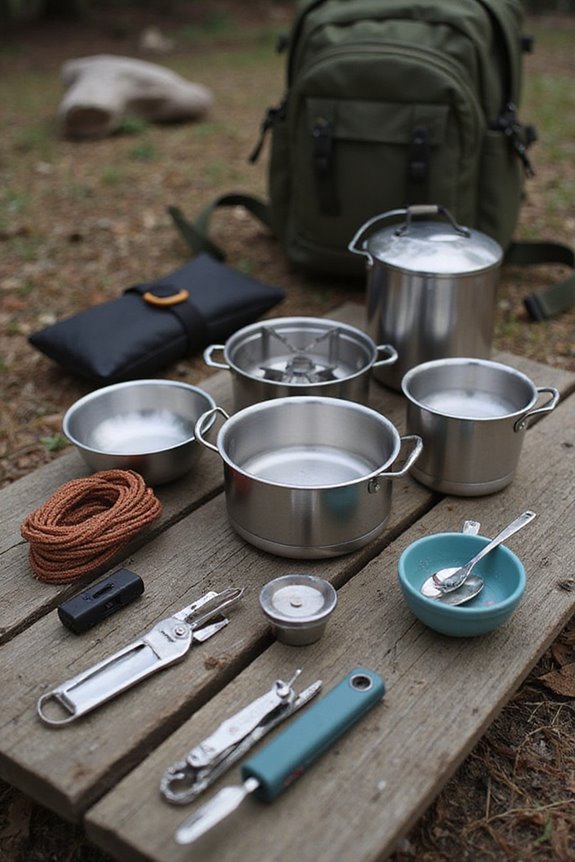
Packing a camp mess kit is all about efficiency and convenience. First, gather essential items like your pot, pan, spork, and lightweight plates. Next, group similar items together, making it easier to find them in your pack. Heavy stuff goes at the bottom for balance, while frequently used items sit on top. Don’t forget a separate bag for dirty gear. Trust us, organization is key! Stick around, and we’ll share more tips for a successful camping adventure!
Key Takeaways
- Organize similar items together, like utensils and cookware, in separate bags for efficient packing and easy access.
- Pack heavier items at the bottom of your backpack to maintain balance and stability while carrying.
- Label components for quick identification and to simplify the unpacking process when you reach your campsite.
- Prioritize frequently used items by placing them on top for accessibility without needing to rummage through the pack.
- Use a separate bag for dirty items to keep your mess kit organized and prevent cross-contamination during your trip.
Understanding the Components of a Mess Kit
When we head out into the great outdoors, having the right mess kit can make a world of difference. Knowing the core components helps us pack smarter. We need some essential cookware like pots and pans made from aluminum or stainless steel. Don’t forget utensils, including a trusty spork!
We should also include storage solutions like screw-top containers for spices and dry ingredients. Our tableware—plates, bowls, and cups—should be lightweight and easy to clean. If we think about convenience, incorporating items like a portable stove and a trusty water bottle can make meal prep smoother. Additionally, lightweight materials like aluminum or stainless steel will aid in ensuring easy transport of our cooking gear. By ensuring we have these cooking essentials, we’ll enjoy not just our meals, but the time spent together in nature!
Assessing Your Group Size and Meal Types
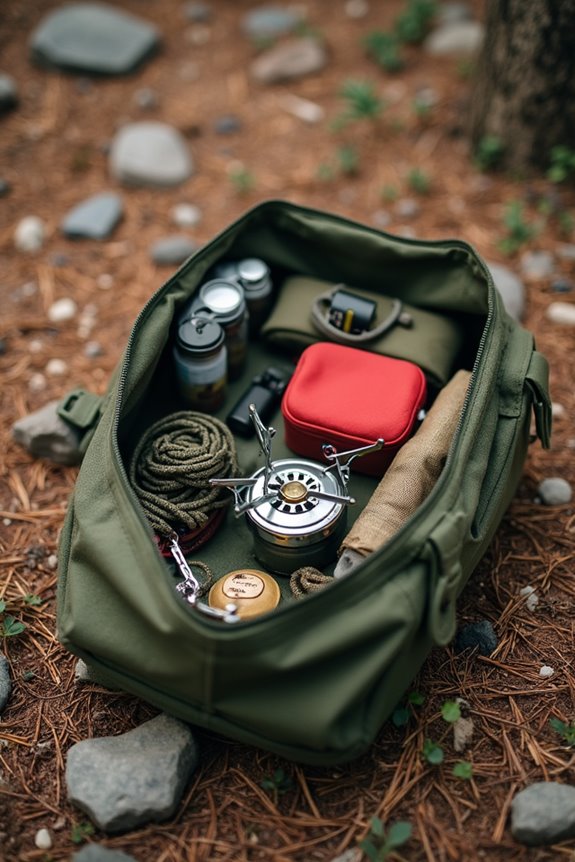
Evaluating our group size and the types of meals we plan to prepare is essential for a successful camping trip. First, let’s make an accurate headcount. This helps us avoid shortages or lugging around too much gear. If we’re fewer than five, individual or shared meals could work just fine. But for larger groups, we might need bigger pots and even more stoves to keep the group dynamics smooth.
Next, let’s talk meal preferences. We all have different tastes! We can plan customizable meals to fit dietary needs—think grain bases with add-ins. Quick-cooking options like dehydrated meals are lifesavers. Remember, planning together not only makes it easier but also adds to our bonding time! Additionally, selecting cookware that supports multiple cooking methods will enhance our meal preparation experiences. Happy camping!
Choosing the Right Materials for Durability

Choosing the right materials for your camp mess kit isn’t just about what looks good; it’s about finding what works best for our needs without breaking the bank or our backs. We face some material comparisons that can make a difference. For lightweight materials, titanium reigns supreme for backpacking, while stainless steel offers solid durability. Don’t forget, though—stainless can weigh you down!
Next, we should consider safety standards. Using BPA-free plastics is essential, especially for bowls and mugs. It’s also a good idea to check non-stick coatings for high heat safety. Overall, it’s about balancing durability factors with comfort and functionality. With our choices carefully made, we’ll be ready for any adventure, without the extra weight! Stainless steel sets are known for their heat-resistance and longevity, making them a wise choice for outdoor cooking.
Recommended Products

FOOD STEAMER: Uses steam, creating a natural convection that cooks food fast and keeps in all the flavors and nutrients. Ideal Cooking Steamer for Camping, Hiking, Travel, RV, Fishing, Tailgating & more.

Made from ultra-light titanium

Designed to equip and inspire
Essential Items to Include in Your Mess Kit

After picking the right materials for our camp mess kit, it’s time to think about the must-have items that’ll make cooking and eating outdoors a breeze. First, we need sturdy plates, bowls, and mugs; plastic or steel works best. Let’s not forget our eating utensils—fork, spoon, and a spork to save space!
For campfire cooking, a portable stove and a sharp knife for food prep are crucial. We should pack pots, pans, and cooking tools like spatulas for flipping. Additionally, we’ll need containers for storage, biodegradable soap for cleanliness, and a wash basin for dish duties. Oh, and a couple of marshmallow roasting forks wouldn’t hurt. With these essentials, we’ll be ready for delicious meals in the great outdoors! To ensure the best cooking experience, consider choosing lightweight options like lightweight cookware to minimize backpack weight.
Recommended Products

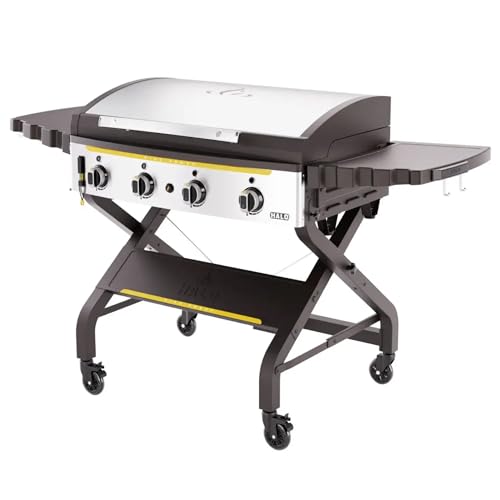
NO COLD SPOTS >> Enjoy precise temperature control and wall-to-wall even cooking across eight zones with this 4-burner griddle.

UNIQUE DESIGN: Equipped with two high-power 7500W burners, you can grill food on the Blackstone griddle while simultaneously cooking other dishes on the side burner, significantly cutting waiting time. It's especially ideal for large family gatherings of 1-10 people. The stainless steel automatic folding slide-out structure allows it to deploy into a mini kitchen within seconds; pull to extend the side boards, and hydraulic spring supports pop out quickly. The splayed-leg structure greatly enhances stability.
Customizing Your Mess Kit for Versatility

When we think about customizing our mess kit for versatility, we can really make outdoor cooking more enjoyable. A modular design is key, allowing us to swap out components like handles and lids. This means less clutter and more room for delicious meals! Choosing materials wisely is essential too; we can mix stainless steel for durability with BPA-free polypropylene for lightweight ease.
Let’s not forget multi-functional tools. Including conventional cutlery instead of sporks elevates our dining experience. We should also think about user customization: whether we’re solo camping or cooking for a group, we can tailor our kit to fit our needs. By combining these elements, we make our mess kit a true companion in the great outdoors! Additionally, selecting cookware made from (non-toxic materials) ensures that our outdoor meals stay healthy and safe from harmful chemicals.
Efficient Packing Techniques
Packing a camp mess kit efficiently can make all the difference, especially when we’re trying to make the most of our outdoor adventures. To start, let’s use smart packing strategies. Labeling each component helps us grab what we need quickly. We can group similar items—like utensils and plates—into separate bags, even color-coding them for easy access!
When we pack, remember to store heavier items at the bottom for balance. Frequent-use items should be easily accessible, avoiding an unpacking frenzy. Keeping a separate bag for dirty stuff prevents a messy mishmash. With a little organization, our mess kit will be neat, functional, and ready to hit the great outdoors. Plus, who wants to dig through a jumbled mess, right? Additionally, consider utilizing compact storage options provided by the cookware bag to maximize space efficiency.
Nesting Items for Space Optimization
Efficient packing can only take us so far if we’re not utilizing the power of nesting items. Nesting techniques allow us to consolidate our mess kit components into efficient configurations, maximizing space and minimizing clutter. Let’s choose a kit where frying pans, bowls, and cups fit snugly inside each other—this saves both volume and weight.
We should also favor lightweight materials, like aluminum or stainless steel, which nest well without compromise. Arranging smaller items within larger pots can make our kit feel like a game of Tetris—fun and space-saving! Remember, including multipurpose tools can help cut down on the number of pieces to pack. In the end, well-nested items lead to a smoother outdoor experience, so let’s get packing!
Organizing Small Items and Condiments
Keeping our small items and condiments organized is essential for a smooth camping experience. To kickstart our condiment organization, let’s use clear, resealable bags for visibility and spill prevention. We should pack seasonings in small jars or squeeze bottles, making dispensing easier and mess-free!
Grouping our goodies by function is key. Let’s create labeled bags for sauces, spices, and sweetness enhancers. Remember to keep frequently used items accessible—no one likes digging for the mustard while the grill’s fired up!
Lastly, tightly seal containers to avoid any leaks and consider double-bagging small liquids as an extra precaution. With this system in place, we’ll not only save space but also focus more on enjoying our time outdoors rather than searching for that elusive bottle of hot sauce!
Packing Multi-Use Tools
When it comes to camping, having the right tools can make or break our outdoor cooking experience. Choosing multi-use tools is crucial for their versatility. A compact pot that doubles as a storage container, alongside a multi-functional pan that acts as a lid, saves space while reducing clutter.
Let’s not forget a BPA-free mug that’s perfect for hot drinks and measuring. We can fit all these essentials into a nylon mesh bag for easy transport. For cleaning, a small scrubber keeps our equipment in good shape.
With integrated designs, these items nest neatly together, ensuring compact storage. In the end, packing our mess kit with these versatile tools makes for smoother camping adventures and fewer cooking headaches.
Recommended Products

Cook Like a Pro Anywhere: our 42 pcs camping cookware set is fully equipped for 1 to 4 people, making it an ideal choice for hiking, backpacking, camping, or any outdoor activity

[Set Including ] : Total 11pcs,they are : 3.6L big pot,2.5L middle pot,1.6L small pot ,8.7" fry pan ,strainer lid,1100ml kettle ,ladle,slotted ladle,turner ,slotted turner and carrying bag.

📱 Slim as a Laptop: Only 3.2 cm thick when folded, easier to carry than your notebook.
Minimizing Weight While Maximizing Functionality
Minimizing weight while maximizing functionality in our camp mess kit is key to enjoying our outdoor adventures. We can start by choosing lightweight designs, like aluminum or molded plastic. These materials are tough and help reduce our kit’s overall weight.
Next, we should select multi-purpose utensils. A spork saves space, acting as both a spoon and a fork. Don’t forget collapsible cups; they cut down on bulk when we’re not using them.
Folding or interlocking designs for our items take up less room, while mesh bags keep everything organized. Compact storage options with tethers prevent losing our precious gear. By keeping our mess kit lean but functional, we’ll make our camping trips much more enjoyable. Happy trails ahead!
Recommended Products

Note: Extra Battery will be dispatched separately.

Portable Dual-Burner: Works as a standalone two-burner camp stove or pairs with other JetLink-compatible stoves (sold separately) to create a full range; Cookware included
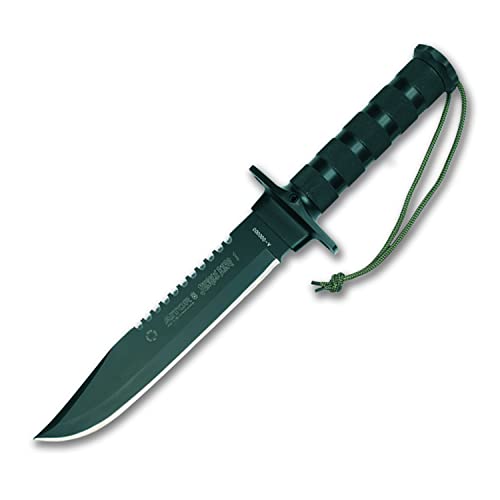
8" (20.32cm) black powder coated stainless sawback blade
Cleaning and Drying Your Mess Kit
After we’ve packed our lightweight, multi-functional camp mess kit, the real fun begins—cooking and eating delicious meals in the great outdoors! But let’s talk mess kit sanitation; keeping our kit clean is crucial. First, we should use warm water and biodegradable soap. The two-bucket method works wonders: one bucket for soapy water and one for rinsing. Don’t forget to scrub that sponge! If we’re in a pinch, natural abrasives like wood ash will do the trick.
For drying, air drying‘s the way to go! Lay everything on a clean surface, letting air do its magic. Remember, we want to prevent mold or funky odors. With these eco-friendly cleaning practices, our mess kit stays ready for the next adventure!
Inspecting and Maintaining Your Kit
To keep our camp mess kit in top shape, regular inspections and maintenance are a must. Let’s start with a visual inspection. We’ll check for cracks or dents and verify all components are sturdy. It’s essential to inspect the non-stick surfaces for scratches, as even tiny flaws can trap bacteria.
Next, functional testing is key. We should test lids and hinges to guarantee a secure fit. How about our utensils? No bending or dull edges allowed!
Finally, let’s keep a maintenance routine. After each trip, we need to clean thoroughly and keep track of our kit’s condition. If something’s amiss, we can replace it—no surprises on our next adventure! A well-maintained kit keeps our cooking adventures fun and safe!
Preparing for Different Cooking Scenarios
Making the most out of our camp mess kit means being ready for whatever cooking situation we might encounter. We should pack cookware that matches our cooking methods—frying pans for skillet meals and pots for stews. Don’t forget utensils like sporks and tongs, making life easier with their lightweight, durable design.
We also need to prepare for different heat sources. So, let’s include fire starters, propane fuel, or charcoal. Multipurpose gear is a lifesaver, serving as cookware and utensils, cutting down on weight. Additionally, airtight containers will keep our seasonings fresh while reducing spills. By organizing our kit thoughtfully, we can adapt to any culinary adventure and keep our meals delicious and enjoyable. Now, let’s get packing!
Recommended Products

Passionate barbecuers won't be able to resist the lure of smoking

COMPLETE CAST IRON SET: Includes a 10.5” skillet, matching grill pan, 3.5 qt braiser pan, and 6.5 qt cast iron Dutch oven with lid, perfect for frying, searing, baking, grilling, braising, and simmering with steady, even heat.

This is a large cast iron pot with a weight of 20KG/44 pounds
Frequently Asked Questions
Can I Use My Mess Kit for Non-Camping Activities?
Absolutely, we can use our mess kits for so much more than camping! They’re perfect for picnics, road trips, or even outdoor cooking at home, offering convenience and versatility for every meal adventure together.
How Do I Prevent Odors in My Mess Kit?
To prevent odors in our mess kits, we should focus on diligent maintenance—regular cleaning, thorough drying, and proper storage. By employing these practices, we keep our camp experience fresh and enjoyable, just like a morning breeze.
Are There Mess Kits Specifically for Solo Campers?
Yes, there are lightweight mess kits designed specifically for solo camping essentials. They offer compact, all-in-one solutions, combining all we need for cooking and enjoying meals, making our adventures simpler and more enjoyable.
What Are the Best Brands for Mess Kits?
When we think about the best mess kits, brands like MSR, GSI Outdoors, and Sea to Summit always come to mind. They’re trusted names among enthusiasts, making our camping experiences practical and enjoyable.
How Do I Pack My Mess Kit for Air Travel?
It’s tricky, but with some packing tips and an understanding of travel restrictions, we can keep our mess kit safe. Let’s pack smart to enjoy our adventures worry-free, together!