As an Amazon Associate, we earn from qualifying purchases. Some links on this site are affiliate links at no extra cost to you. Our recommendations are based on thorough research and editorial judgment.


How To Prioritize By Risk?

To prioritize by risk, we need to start by using a risk prioritization matrix. This helps us visualize risks based on their likelihood and impact. First, we identify risks and rate how likely they are to happen and what damage they could cause. We should categorize these risks and focus on the most significant ones. It’s all about being smart and efficient with our resources. Stick around, and we’ll unravel more tips on effective risk management!
Key Takeaways
- Utilize a risk prioritization matrix to evaluate and visually plot likelihood and impact of each risk for effective decision-making.
- Regularly assess and document risks, assigning unique identifiers and tracking changes to maintain focus and clarity.
- Collaborate with stakeholders across functions to define risk likelihood and impact criteria, fostering a comprehensive understanding of potential hazards.
- Implement a scoring system within a 5×5 matrix to categorize risks, using color coding for quick reference and prioritization.
- Engage in continuous improvement cycles to adapt risk assessments and stay aligned with organizational goals while monitoring emerging risks.
Understanding Risk Prioritization
When we think about managing risks, understanding how to prioritize them is key. By using a risk prioritization matrix, we can visually plot risks based on their likelihood and impact. It helps us quickly identify which risks deserve our immediate attention, especially those that are both high likelihood and high impact. Engaging stakeholders in this process enhances our risk perception, making sure we don’t overlook crucial insights. We should measure risks regularly, as they can change over time. Remember, a well-maintained risk register is our friend—it keeps our focus sharp. So, let’s get together, assess those risks, and prioritize effectively. After all, knowing what to tackle first can save us from unexpected headaches down the line! Additionally, utilizing compact gear that is easily portable can significantly reduce risk when venturing into unknown environments.
Key Components of Risk Assessment

Risk assessment is crucial for protecting our organization from potential threats. It starts with risk identification, systematically recognizing hazards that might affect our goals, whether they’re cyber weaknesses or natural events. Then, we analyze these risks by understanding their likelihood and impact. This helps in crafting a risk registry that reflects our organizational culture and risk perception.
Next comes risk evaluation, ranking risks according to how they align with our risk tolerance and strategic goals. Finally, we develop treatment strategies—deciding whether to mitigate, transfer, or even avoid risks entirely. By collaborating across departments and reviewing our plans regularly, we guarantee that we adapt to an ever-changing landscape without losing sight of our core mission. Investing in quality gear and thorough preparations can further enhance our defense against various risks, especially related to survival gear essentials during emergencies.
The Importance of Likelihood and Impact
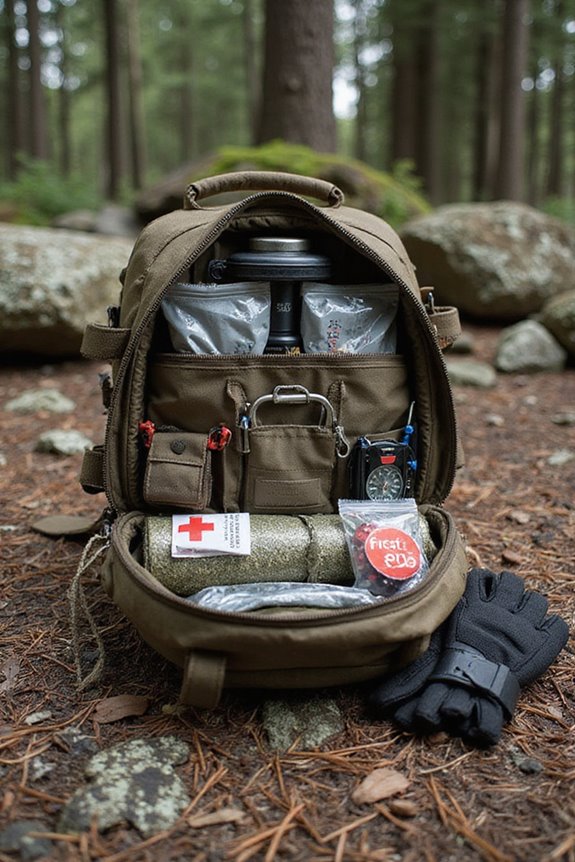
Understanding likelihood and impact is key for us as we navigate the complexities of risk prioritization. When we assess likelihood, we’re measuring how likely a threat is to exploit a vulnerability. Using likelihood categories helps us make sense of these odds, from minimal to maximum risk. On the flip side, we need to tackle impact assessment, which evaluates the potential damage if a threat does succeed. High-impact risks can surprise us; they can matter more than their low-likelihood counterparts. Combining both factors fosters better decision-making. We should always work together to define these criteria, ensuring our risk evaluations are clear and consistent. After all, protecting our goals requires focus on both how often and how severely risks can hit us. Additionally, incorporating water purification methods can significantly mitigate risks related to unsafe drinking water in emergencies.
Creating a Risk Prioritization Matrix

Now that we’ve grasped the importance of likelihood and impact, it’s time to roll up our sleeves and create a risk prioritization matrix. First, we’ll establish our risk criteria, focusing on likelihood and impact using a 5×5 matrix design. Next, we’ll categorize risks with numerical scoring and color coding—red for high risks, yellow for medium, and green for low. Let’s gather stakeholder input to guarantee scoring consistency across the board.
We’ll keep our matrix updated, using software tools for easy adjustments as conditions change. Regular communication about our matrix helps everyone understand priorities. By following these steps, we’ll effectively prioritize and tackle risks, making our projects safer and more successful. Additionally, considering the importance of versatility in survival tools can enhance our preparedness for unforeseen challenges. Together, we can confidently navigate uncertainties!
Recommended Products

This item is sold and shipped as a download card with printed instructions on how to download the software online and a serial key to authenticate.


✅Batter dimensions: 10.75" L x 6.81" W x 8.98" H, Terminal: Tapered terminal (Left negative (-), Right positive (+)). ✅Please ensure to verify the dimensions and terminal position before making a purchase to guarantee compatibility with your vehicle to avoid any fitment issues.
Categories of Risk Priorities

When we think about the different kinds of risks we face, it’s clear that not all risks are created equal. There are several risk categories we should recognize. Operational risks could throw our daily business into chaos. Compliance risks might get us into legal hot water. Strategic risks can undermine our long-term goals, while financial risks threaten our wallets. We also have reputational risks that could tarnish our public image. To prioritize these, we categorize risks into levels. Tolerable risks need minimal attention, while high-risk issues require urgent action. By understanding these risk categories and levels, we can focus on what really matters, ensuring we protect both ourselves and our organizations effectively. Companies can also learn from the concept of weight capacity in outdoor gear, as safety and durability become essential in minimizing risks. And believe me, that’s a win-win!
Recommended Products
An OSHA compliance solution for all types of medical offices


Evaluating Risk Severity
As we plunge into evaluating risk severity, it’s essential to remember that not every risk carries the same weight. By using qualitative analysis, we can identify risks that may not be easily quantifiable. We can categorize risks into levels, like negligible or maximum severity, and this helps us establish our risk thresholds.
To do this well, we should consider creating a risk matrix. This handy tool visualizes severity against likelihood, giving us a clear picture. By agreeing on criteria and customizing our scales, we can guarantee everyone comprehends the risks involved. It’s like organizing our priorities; when we understand what’s at stake, we can tackle challenges head-on without losing our cool. Let’s take control together! Having the right emergency kits readily available can significantly enhance our preparedness for identified risks.
Steps to Identify Potential Risks
Identifying potential risks is a crucial step in safeguarding our projects and goals. We can initiate this journey through several practical methods. First, let’s gather our team for brainstorming sessions; everyone’s input is essential. Next, we can engage in risk mapping, visually organizing risks to see connections easily. Also, analyzing past incidents helps us notice patterns that screamed “danger!” before. Scenario analysis can take this further; we’ll envision different future situations to spot potential risks. Finally, let’s connect with stakeholders—surveys and interviews give rich insights. By combining these steps, we create a robust framework for spotting risks early on, ensuring we handle them before they become problems. Together, we’ve got this!
Techniques for Assessing Probability
Understanding potential risks is just the first step; now, we need to figure out how likely those risks are to happen. To do this, we can use a mix of qualitative techniques and probabilistic methods. For instance, a Probability/Impact matrix can simplify our assessments by rating events on a scale. Event analysis, like Event Tree Analysis or Bowtie Analysis, maps out likely outcomes, helping us see potential consequences.
These risk frameworks guide us in making smarter decisions without drowning in data. By breaking down complex scenarios, we can better understand our risks. Let’s explore, apply these techniques, and make sense of uncertainty together—because clarity leads to action, and action leads to success.
Documenting Risks With a Risk Register
A risk register is like a treasure map guiding us through the turbulent seas of uncertainties. By using risk documentation effectively, we can streamline our understanding and management of potential challenges. First, let’s identify risks, assigning each a unique risk identification number for clarity. We should describe the risk, categorize it, and point out a risk owner—who will keep an eye on it.
Our register best practices include tracking the probability of each risk and its impact. This lets us prioritize what needs our attention most. As we update our register, let’s keep communication open; it’s our compass. Remember, it’s not just about recording risks but managing them smartly and collaboratively. So, let’s embrace this journey together!
Implementing Practical Strategies for Prioritization
Prioritization in risk management can feel like charting a maze, but it doesn’t have to be complicated. First, let’s establish clear criteria for evaluating risks—think likelihood, impact, and vulnerability. We should assign weights to these based on our organization’s goals. Next, engaging stakeholders from different functions is essential. Their insights help us align priorities with business objectives. It’s like having a trusty map while steering!
To streamline the process, let’s adopt analytical tools that can automate scoring and visualize risks. Remember, continuous improvement is key. We’ll regularly review our strategies and update them based on feedback. This way, we can stay agile and responsive. Together, we can create a solid plan—making risk prioritization less intimidating and more impactful.
Cost Considerations in Risk Management
When we think about cost considerations in risk management, we realize that it’s not just about throwing money at problems. It’s about smart cost negotiation and effective risk budgeting. We need to balance upfront costs, like consultancy fees or technology investments, with long-term savings.
Start by evaluating establishment costs, then look at regulatory compliance expenses. Are we maximizing our procurement strategies? We should aim for supplier diversification to lower costs while ensuring quality.
Training our staff isn’t just an expense; it’s an investment in resilience. Regularly updating our risk evaluations keeps us agile. By embracing a risk-aware culture, we can navigate financial challenges efficiently, all while keeping our bottom line healthy and our operations running smoothly.
Collaborative Approaches to Risk Ranking
Many of us know that tackling risks isn’t a solo endeavor; it thrives on collaboration. By inviting diverse stakeholders into the conversation, we help identify and prioritize risks together. Think of stakeholder collaboration as a potluck dinner—everyone brings a unique dish or perspective!
To build risk consensus, we’ll host structured discussions, allowing different teams to share their insights. This not only broadens our understanding but also fine-tunes our risk ranking. It’s critical to include cross-functional members from finance, operations, and compliance to paint a complete picture. Remember, early engagement builds trust and makes it easier to tackle challenges, even with our busy schedules. Let’s leverage our collective wisdom, adjusting strategies as we go to boost our organization’s resilience!
Continuous Improvement in Risk Assessment
To keep our organization agile and ready for anything, we can’t just set our risk assessments on autopilot. We need continuous improvement cycles that keep us on our toes. Regular reviews help us spot new risks and adjust their scores promptly. Let’s analyze past incidents—we learn what works and what doesn’t. Engaging everyone from employees to experts enhances our understanding, ensuring our risk assessment aligns with our goals.
Adapting to Emerging Risks and Changes
How do we stay ahead of the curve when it comes to emerging risks and changes in our environment? We need to be proactive. As emerging technologies reshape our operations, we’re faced with new challenges like cyber vulnerabilities and ethical dilemmas. Plus, regulatory landscapes are shifting. The 2026 elections will likely heighten compliance demands, making it imperative for us to monitor regulatory changes closely.
Let’s invest in strong cybersecurity measures and train our teams on new tech skills to better navigate these risks. By engaging with regulators and industry peers, we can share insights and stay informed. Together, we can not only adapt but thrive amid uncertainty, turning potential threats into opportunities for growth.
Frequently Asked Questions
How Often Should the Risk Prioritization Matrix Be Updated?
We should update the risk prioritization matrix at least annually to guarantee its relevance. Frequent updates help us stay attuned to evolving risks, enhancing our approach to risk management while maintaining our team’s cohesion and strategy.
What Tools Can Help Automate Risk Assessment Processes?
Picture a seamless workflow, where risk assessment software and automated reporting tools harmonize effortlessly. Together, we can simplify our processes, enhance compliance, and focus on what truly matters: protecting our organization’s future with confidence.
How Can We Involve Stakeholders in Risk Prioritization Effectively?
We can involve stakeholders in risk prioritization effectively by fostering stakeholder engagement through collaborative workshops. Together, we’ll share insights, identify risks, and build a stronger foundation for decision-making, ensuring everyone’s voice is heard and valued.
What Are Common Mistakes in Risk Prioritization Practices?
We often miss vital elements in risk prioritization, falling into bias identification and escalation pitfalls. By addressing these common mistakes, we can deepen our understanding and enhance our decision-making processes together. Let’s improve our approach!
How to Ensure Consistency in Risk Evaluation Criteria?
To guarantee consistency in risk evaluation criteria, we’ll define clear risk thresholds within our evaluation frameworks. By fostering open communication and regular training, we can align our assessments and build trust among all stakeholders.