As an Amazon Associate, we earn from qualifying purchases. Some links on this site are affiliate links at no extra cost to you. Our recommendations are based on thorough research and editorial judgment.

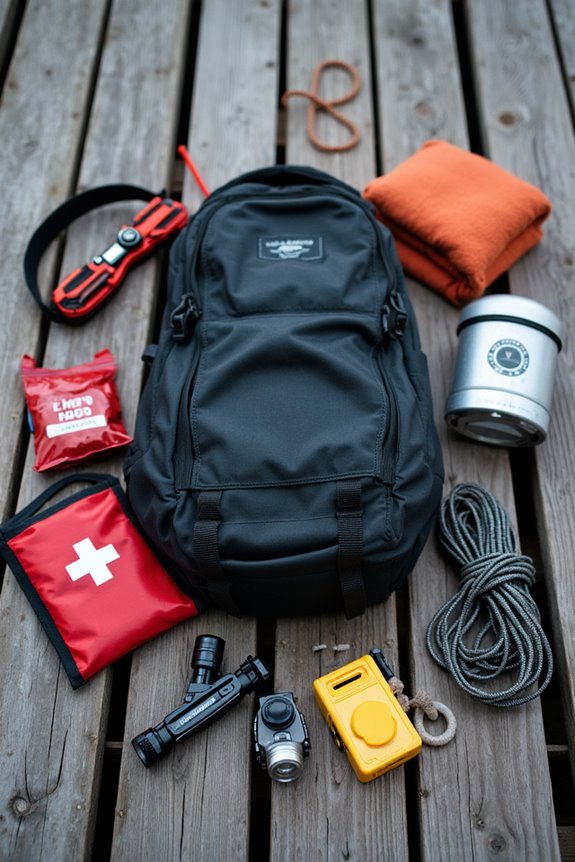
How To Prepare For Winter Driving?

To prepare for winter driving, we need to check our vehicles first. Let’s maintain our batteries, switch to winter tires, and carry tire chains for snowy roads. Next, we should drive slower in bad weather and increase our following distance—Icy roads can be tricky! It’s also smart to stock our cars with emergency supplies like a first-aid kit and snacks. Finally, clearing snow off our windows is a must. There’s more to know, so keep going!
Key Takeaways
- Perform regular battery maintenance and conduct a load test if the battery is over three years old.
- Switch to winter tires and check tread depth and pressure before the cold season.
- Carry a comprehensive winter car kit with emergency supplies, food, and water.
- Ensure all windows, mirrors, and lights are cleared of snow and ice for optimal visibility.
- Familiarize yourself with winter driving techniques like reducing speed and maintaining safe distances.
Vehicle Preparation and Maintenance
When winter rolls around, we need to make sure our vehicles are up to the chilly challenge. First things first, let’s pay attention to battery maintenance. Cold weather can make our batteries struggle. We should perform a load test. If our battery is older than three years or struggling, it might be time for a replacement. Now, let’s talk tire safety. If temperatures drop below freezing, we should consider switching to winter tires. Inspect them for tread depth and proper pressure—no one wants a blowout in a snowstorm! And carrying tire chains is a smart move if we’re heading somewhere especially snowy. Additionally, packing a comprehensive winter car kit can help us prepare for any emergencies that may arise while driving in winter conditions. A little prep goes a long way in keeping us safe and cozy on the road. Happy driving!
Driving Techniques and Road Awareness

Driving in winter can be tricky, especially if we don’t adjust our techniques for the season. We need to reduce our driving speed in snow and ice. It’s essential to increase our following distance since stopping can take much longer. Anticipating slower traffic will help keep us safe.
We should turn on our headlights in poor visibility to guarantee others can see us. Using traction control, along with smooth steering inputs, helps us avoid skidding. Remember, if we start sliding, steer gently into the slide to regain control.
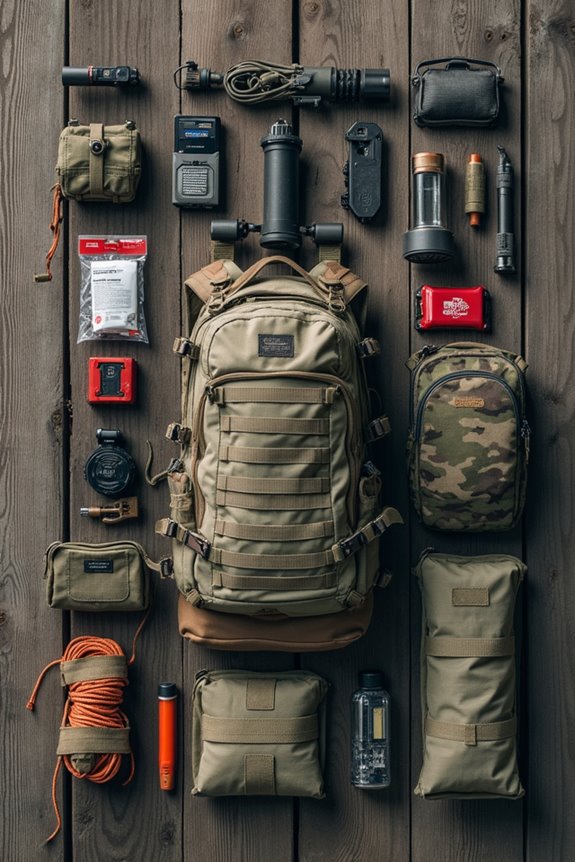
Finally, let’s avoid driving too close to snow plows, as they can catch us off guard. With these techniques, we’ll make winter driving a little less overwhelming! Additionally, having an emergency preparedness kit can ensure that you’re ready for any roadside emergencies during harsh winter weather.
Emergency Preparedness Inside the Vehicle
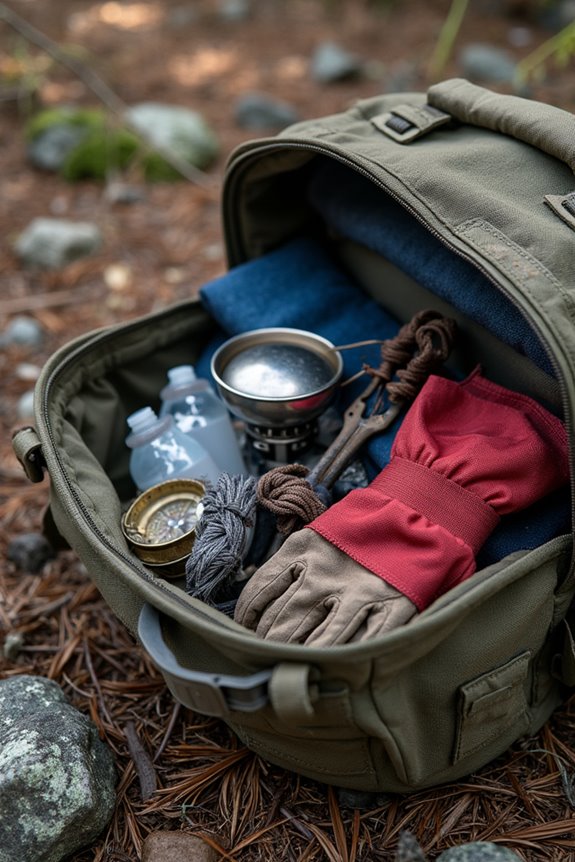
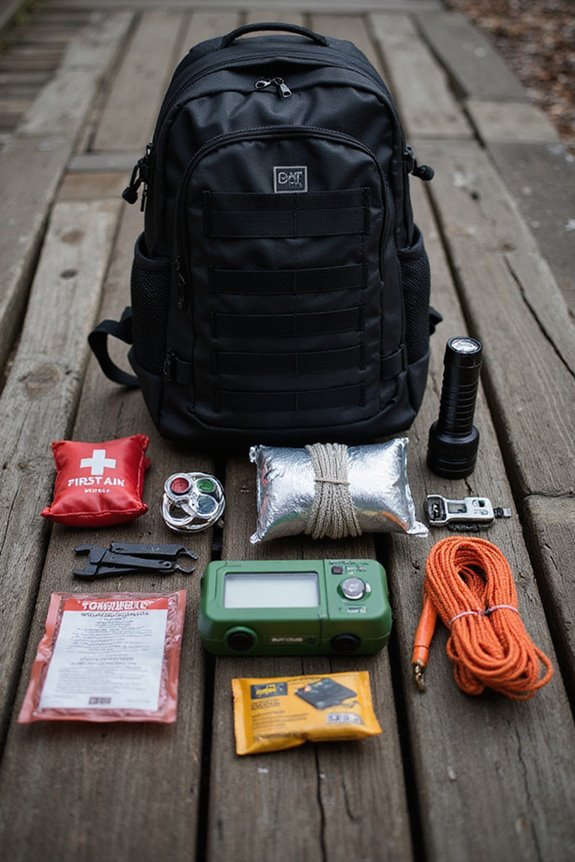
Having an emergency preparedness plan inside your vehicle is crucial for winter driving. We all know how unpredictable winter can be, so let’s be ready! First, we should stock our cars with essential emergency supplies. Think flashlights, extra batteries, and a first-aid kit. Let’s not forget high-calorie snacks, water, and those cozy blankets to keep warm.
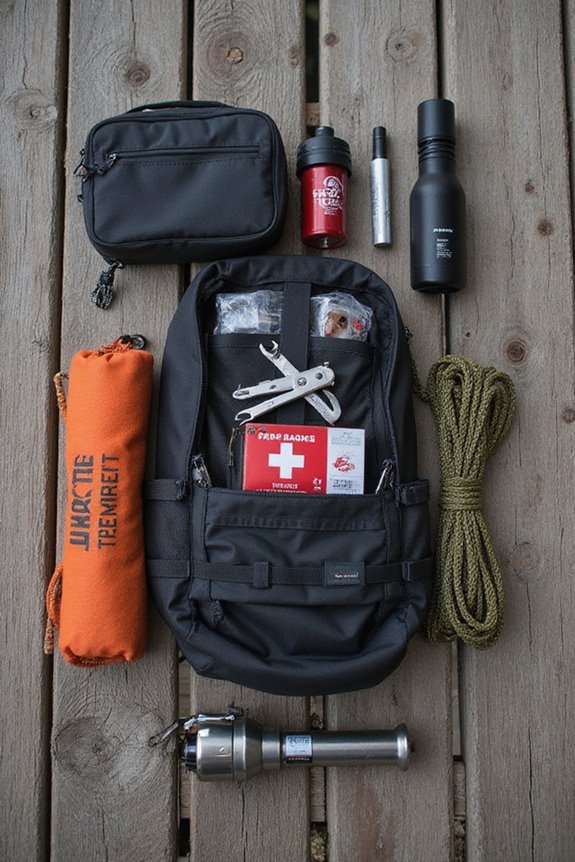
Also, we need handy communication devices. A fully charged cell phone and a charger are must-haves. If we ever find ourselves stuck, a whistle or bright cloth can grab attention. Dividing supplies into accessible spots guarantees we won’t scramble through the trunk when it’s snowing. Remember to include a comprehensive first aid kit to ensure you’re prepared for minor injuries or medical issues. Together, we can make our winter travels safer! So, let’s get that emergency kit ready!
Visibility and Hazard Management
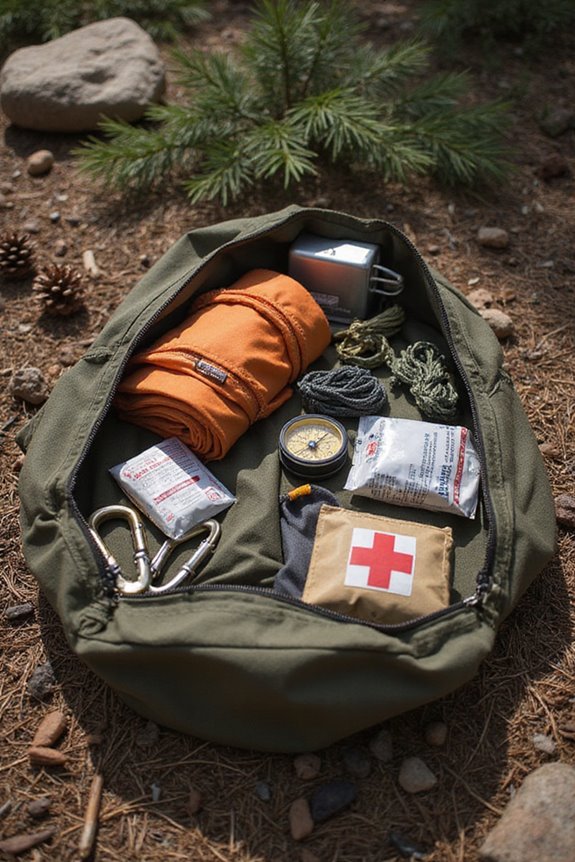
How can we stay safe and visible during those tricky winter driving conditions? First things first, we need to clear all our windows, mirrors, and lights of snow and ice—visibility tactics are key! It’s essential to check that our wipers and defrosters are working, too. Using headlights, even during daytime snowfall, helps others see us.
Let’s also be aware of common hazards. Recognizing icy spots, especially at bridges or shaded areas, keeps us prepared. We should scan our surroundings often and maintain a bigger following distance—this is vital for hazard recognition. Additionally, having a comprehensive emergency kit in your vehicle can provide essential tools for unexpected situations while driving in winter conditions.
Psychological and Physical Safety Considerations

While winter driving can be challenging, understanding the psychological and physical safety considerations can make a huge difference. We often trick ourselves into thinking we’re great at handling tough conditions, thanks to cognitive biases like overconfidence. Recognizing this can help us stay grounded.
Fatigue management is just as important. Drowsy driving can hit us as hard as being under the influence, so let’s take breaks and stay alert.
Don’t forget to dress warmly to avoid cold exposure, and remember that if the weather turns nasty, it’s safer to stay in the car. By being aware of our mental state and physical health, we can navigate winter roads with greater confidence and safety. In addition, having an emergency kit in your vehicle can significantly enhance your preparedness for unexpected situations. Let’s drive smart this winter!
Statistical and Risk Context
Driving in winter can feel like steering through a rollercoaster—exciting but filled with unexpected twists and turns. We can’t ignore the winter statistics: around 1,836 deaths and over 136,000 injuries from winter-related accidents in the U.S. alone. More astonishingly, nearly half of these fatalities happen in January and February, showing the urgency of this topic.
Common accident causes include driving too fast for conditions or neglecting to clear ice from our windshields. Let’s not forget about the dangers of tailgating and improper braking. The risk of black ice and sudden snow make planning essential. By understanding these factors, we can take steps to make our winter journeys safer and more enjoyable. Preparing an emergency kit that includes proper first aid supplies can also enhance our readiness for unexpected situations. Let’s stay cautious and smart out there!
Winter Survival Kit Essentials
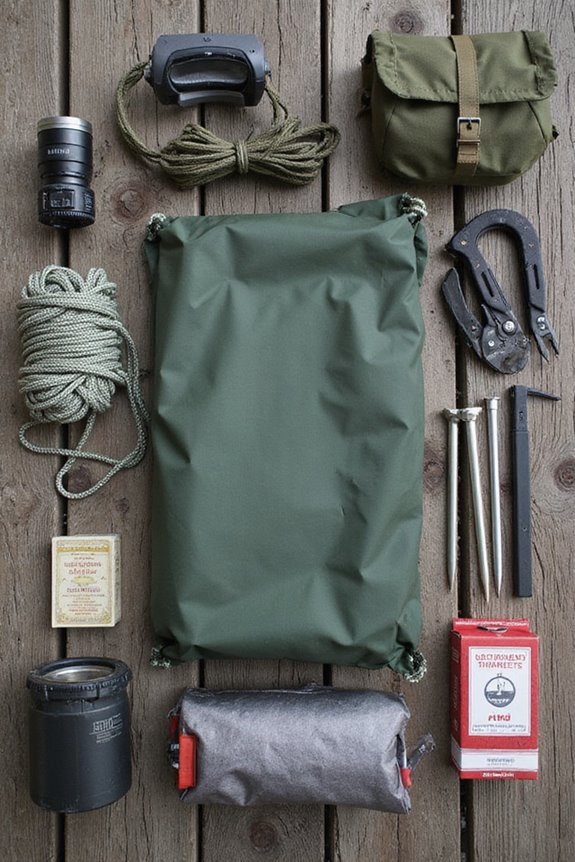
When winter hits, having a solid survival kit in your vehicle isn’t just smart—it’s essential. We should pack winter gear like extra gloves, hats, and insulated boots to stay warm. Jumper cables and a portable shovel help in tough situations, while a flashlight and some reflective triangles let others know we’re there.
But let’s not forget our snack options! High-calorie treats, such as granola bars and trail mix, are perfect to keep our energy up during unexpected delays. Having fresh water on hand is a must, too. Finally, let’s include a first-aid kit for minor injuries. With these essentials, we can feel more secure on the road, ready to face whatever winter throws our way!
Frequently Asked Questions
What Type of Wipers Are Best for Winter Conditions?
For winter conditions, we recommend heated wiper blades paired with winter wiper fluid. They enhance visibility and prevent ice buildup, ensuring safer driving. Together, they keep our windshields clear during those chilly, snowy days.
How Can I Remove Ice From My Windshield Quickly?
Let’s swiftly tackle stubborn ice scraping techniques and windshield de-icing together! Using lukewarm water, homemade sprays, and gentle scrapers, we can quickly clear our windshields, ensuring both safety and clarity for our winter journeys ahead.
Is It Safe to Drive With Winter Tires All Year Round?
It’s not safe to drive with winter tires all year round. While they offer great winter tire benefits, their performance on warm roads isn’t ideal, compromising safety compared to all-season performance. Let’s stick to seasonal tires together!
Should I Keep My Gas Tank Full During Winter?
Yes, we should always keep our gas tank full during winter. It boosts fuel efficiency and enhances engine performance, helping us prevent freezing issues while ensuring we’re safe and warm in the cold weather.
How Often Should I Check Tire Pressure in Winter?
We’ve gotta be vigilant with tire maintenance in winter! Let’s check our tire pressure every two to four weeks, and remember, the colder it gets, the more often we’ll need to keep an eye on it.