As an Amazon Associate, we earn from qualifying purchases. Some links on this site are affiliate links at no extra cost to you. Our recommendations are based on thorough research and editorial judgment.


Are Water Filter Straws Effective?

Water filter straws are effective for drinking safe water from various natural sources, like rivers and lakes. They filter out harmful bacteria and parasites but don’t tackle viruses or chemicals, so we need to be careful. These straws are lightweight and convenient for hikes, though slower filtration can be a bit tiring. To make the most of them, guarantee you use clear water and perform regular maintenance. Stick around, and we’ll uncover even more helpful tips!
Key Takeaways
- Water filter straws effectively remove 99.99% of bacteria and protozoa, ensuring safer drinking from natural sources.
- They do not filter out viruses or dissolved chemicals, limiting their effectiveness in contaminated water.
- Lightweight and portable, they are ideal for hiking and emergency situations but may be inadequate for group use.
- Regular maintenance is essential for optimal performance and longevity, including rinsing and backwashing.
- Future advancements could enhance filtration efficiency and introduce eco-friendly materials, improving their effectiveness and sustainability.
Overview of Water Filter Straws
When we think about staying hydrated during outdoor adventures, water filter straws often come to mind. These nifty little devices are designed with portability and ease of use in mind. They typically resemble regular drinking straws, but don’t let their size fool you. With lightweight and durable materials, they’re perfect for hiker and backpacker demographics.
Imagine sipping fresh water from a river without the worry of waterborne illnesses! Their design features make them versatile, letting us drink from lakes, puddles, or streams wherever we roam. Plus, they often meet EPA standards for purification. Whether we’re on a quick camping trip or maneuvering through emergency situations, water filter straws are essential companions for every adventure, ensuring we stay refreshed and ready to explore! With 99.99% bacteria removal, including E. coli, they provide peace of mind in uncertain water sources.
Filtration Mechanisms and Capabilities
Understanding how water filter straws work can make a big difference in our outdoor adventures. These straws use clever filtration mechanisms, primarily hollow fiber membranes with pores about 0.2 microns in size. This means they can block bacteria and parasites while letting pure water flow through.
When we sip, we’re drawing water through these tiny pores, which trap unwanted nasties like Giardia and Cryptosporidium. Though they excel at filtering out most debris, it’s important to remember they don’t remove viruses or dissolved chemicals. If we stick to using them for clear water sources, we’ll enjoy clean hydration without the fuss. Additionally, many of these straws can efficiently remove over 99.99% of bacteria, ensuring safer drinking during our adventures. So, let’s embrace these handy tools and stay refreshed during our escapades!
Recommended Products

GRAVITY WATER FILTER BUILT FOR OFF-GRID HOMES AND EMERGENCY PREPAREDNESS: Delivers up to 150,000 liters depending on water quality, enough for a family for years off-grid or a base camp through a season. Built for RVs, cabins, and group reserves.

ADVANCED NANOMESH TECHNOLOGY: Removes up to 99.9% of contaminants commonly found in tap water. Targets 200+ contaminants, including bacteria, heavy metals, and mercury. Enjoy fresher-tasting water while protecting your health and well-being.

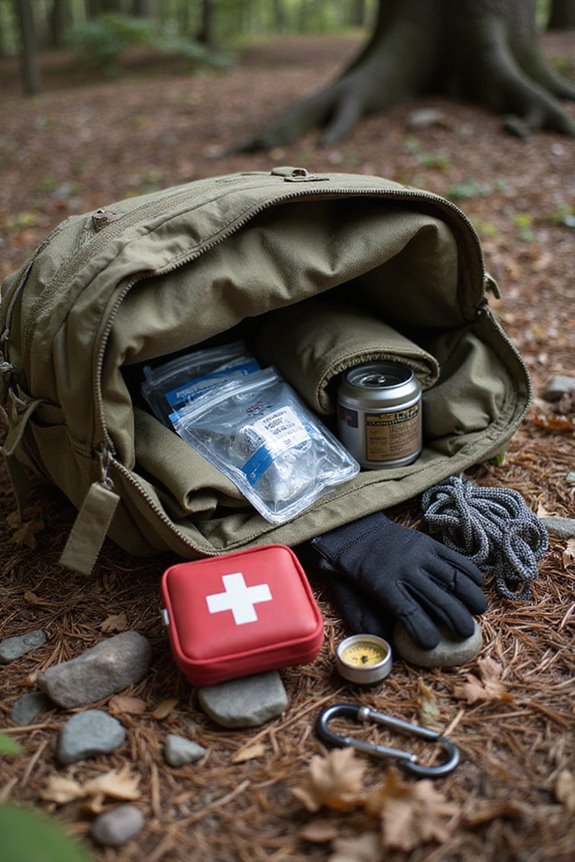
Provides 72 Hours of Food & Water for 2 People per Bag - Prepped to cover a wide variety of natural emergencies and disaster situations.
Limitations in Filtration Performance
While water filter straws are a handy tool for hydration on the go, we shouldn’t overlook their limitations in filtering performance. Most straws primarily target bacteria and protozoa, leaving viruses, chemicals, and heavy metals largely unfiltered. Their filtration efficiency just doesn’t cover everything—we can’t rely solely on them for safe drinking water.
Plus, user limitations come into play. The slow flow rate can be a hassle, especially in emergencies. Trying to drink large quantities for cooking or sharing? Good luck! As we think about hydration options, let’s remember that straws aren’t a complete solution. They’re best used alongside other methods for thorough purification. Sometimes, we need to think outside the straw!
Recommended Products
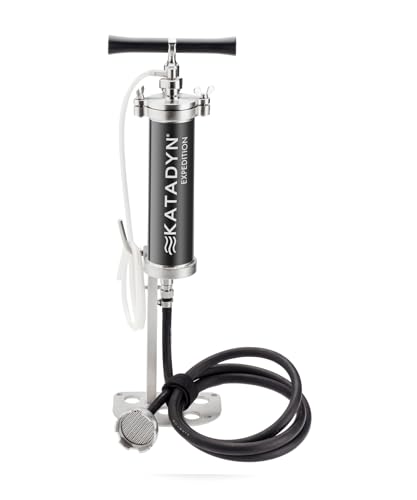

WORLD'S SMALLEST HAND-POWERED DESALINATOR: Compact, lightweight reverse osmosis seawater filter built for life rafts, sailboats, marine survival kits, and ditch bags. Sized for groups of 1 to 6 people where space and weight are critical.
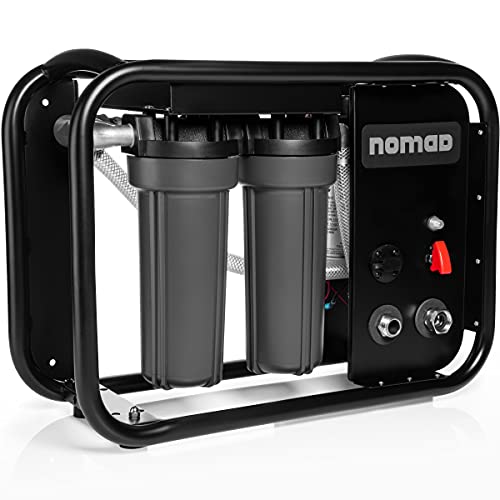
NEW! CLEAN, SAFE WATER FROM ANY LAKE OR STREAM - Engineered for the rugged outdoor adventurer, the Clearsource Nomad pulls water from any lake or stream and purifies it better than even the best portable survival filters. Drink, shower, and clean up with unlimited clean, fresh water!
User Experience and Practicality

Steering through the practical aspects of using water filter straws can really open our eyes to how valuable they are, especially in the great outdoors. We’ve seen user feedback highlight their lightweight design, making them perfect for hiking or emergency kits. Users often prefer models with ergonomic features, like the LifeStraw Peak Series, for better handling.
However, we should note that while they’re great for solo adventures, they may not meet the demands of a group without multiple units. Some might find the filtration flow slower than other systems, which can lead to fatigue. Ultimately, they’re a solid choice for immediate access to clean water, offering an interim solution when bottled water isn’t an option. Additionally, many filter straws, such as the Sawyer Products Mini Water Filtration System, provide exceptional bacterial removal, ensuring safe hydration on the trail.
Recommended Products

Protects against 99.999999% of bacteria (including E.coli, Salmonella), 99.999% of parasites (including Giardia and Cryptosporidium), 99.999% of microplastics, silt, sand, and cloudiness
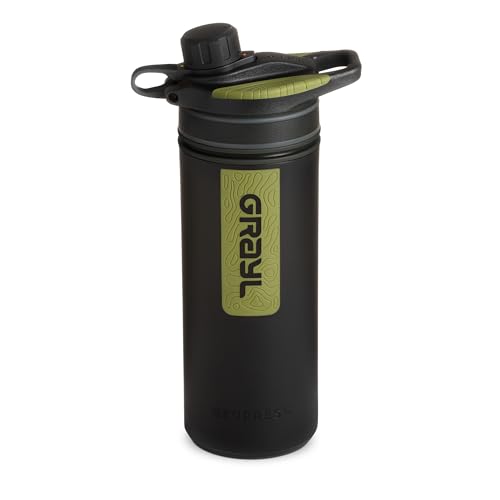
PURIFY WATER ANYWHERE: Make sketchy water safe to drink. Ideal for outdoor adventures (hiking, camping, backpacking, fishing, hunting, bushcraft), global travel, and survival situations. Simply – Fill. Press. Drink!

Impact on Public Health in LMICs

When we talk about the impact of water filter straws on public health in low and middle-income countries (LMICs), it really highlights how these simple devices can change lives. They can reduce the risk of diarrhea among children by 30%! This is huge for families trying to keep their little ones healthy.
Using these filters promotes disease prevention, but we’ve got to remember that success relies on community engagement. Teaching folks how to use and maintain these devices properly is essential. Local support and repair systems make it easier to stick with the program. Additionally, many water filter systems remove harmful contaminants like chlorine and ensure better water quality for users.
In short, these water straws are more than just a nifty gadget; they’re a stepping stone towards better health for many! Let’s keep pushing for safer water access together.
Effectiveness in Reducing Waterborne Diseases
Water filter straws have proven effective in reducing waterborne diseases, particularly in vulnerable populations. For instance, studies show that Lifestraw devices can cut the risk of diarrhea in children under five by about 30%. This filter technology removes nearly all bacteria and protozoa, keeping harmful diseases at bay. When we use them correctly, they deliver lasting benefits that can improve our health markedly. However, let’s remember, they don’t handle viruses very well, which can be a concern. To get the best out of these filters, we must actively engage our communities and promote good usage practices. By combining these straws with better water sources and consistent education, we can enhance disease prevention and keep more of our loved ones healthy. Additionally, filtration efficiency ratings related to different filter systems can provide more insight into their effectiveness against specific contaminants.
Technical Aspects of Water Quality
Understanding the technical aspects of water quality is essential for making informed decisions about our drinking water. The pore size of filters typically hovers around 0.2 microns, effectively blocking harmful bacteria and parasites. We often encounter activated carbon, which enhances taste while tackling odors. The flow rate, generally around 400 ml/min, can make drinking a breeze.
Effective maintenance practices, like backflushing, can prolong our filters’ lifespan, which usually lasts around 1,000 gallons. Durability matters too; sturdy materials create tough, leak-proof housings perfect for outdoor adventures. Many filters now even boast impressive microplastic effectiveness, removing up to 99.999%! For those emergency-preparedness moments, these usability features make a world of difference—keep having safe sips!
Environmental Considerations for Use
While we enjoy the convenience of water filter straws during our outdoor adventures, it is vital to think about their environmental impact. Many filter straws are made from eco-friendly materials that reduce waste compared to single-use plastic straws. However, it is important to note that not all alternatives are created equal. For instance, biodegradable straws can still have significant environmental costs during production.
Using filter straws helps us cut down on plastic waste, yet we shouldn’t forget about their lifecycle. If we can recycle polypropylene (PP) straws properly, we could lessen their impact. Ultimately, choosing durable options and supporting brands focused on eco-friendly practices leads us to a more sustainable adventure. Together, we can balance convenience with care for our planet!
Importance of Repair and Maintenance
It’s essential to keep our water filter straws in top shape so they’ll perform when we need them most. A little filter maintenance goes a long way! After each use, let’s blow air through the straw to prevent clogging. It’s always a good idea to rinse the caps too.
Regular backwashing is vital, especially after filtering dirty water. And let’s not forget—every few months, we should deep clean our filters to tackle stubborn issues. If something seems off, don’t panic! Just check the flow rate and inspect gaskets for wear. Storing our filters properly will keep them safe from contaminants. By following these simple steps, we can enjoy cleaner water and extend the life of our trusty straws.
Recommended Products
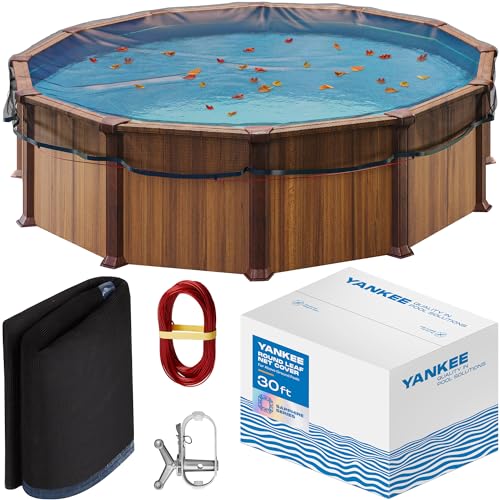
RUN YOUR POOL SMARTER! This pool net for leaves is a fresh addition to our series of superb-quality and affordable pool equipment and supplies. The dense mesh in this pool net cover effectively keeps the water clean.

Compact Hiking Water Filter - Comes with the Survivor Filter PRO handpump, an extra set of replacement filters, Backwashing Syringe, 2 Carrying Cases, extra Tubing and a Microfibre Cloth.

Product 1: Ecofriendly Filter kit
Comparative Analysis With Other Filtration Systems
When we compare water filter straws to other filtration systems, a clear picture emerges of their strengths and weaknesses. Straws are lightweight and compact, making them perfect for solo adventures like hiking. However, they often can’t tackle viruses, unlike more robust systems, such as pump or gravity filters, that can handle broader pathogens.
In our cost comparison, straws have lower upfront prices, but we see a frequency analysis showing that more frequent filter changes can add up over time. While straws work great with clear water, they struggle with muddy sources. So, if we’re planning extended trips, considering alternatives may be wise. Ultimately, it’s about weighing convenience against long-term effectiveness for our water needs.
Recommended Products

JUICE EVERY FRUIT - While most fruit juicers are designed only to squeeze orange juice, Zaksenberg's is a heavy duty, and professional machine built to squeeze any fruit you can throw at it. You can do more with this extractor than with our competitors. Whether you’ve got an orange, lime, lemon, grapefruit or even a pomegranate, this extractor handles it all, making it perfect for use in bars, restaurants or at home. Our filter design allows only juice and no seeds into your glass.

The ultimate 72 hour kit: Designed for 2 people in just about any situation. Disaster prep for things like floods, hurricanes, fires, earthquakes, blizzards or whatever mother nature dreams of. Even aliens and zombies fear this kit.

PEACE OF MIND IN A BACKPACK: Will you be ready the next time disaster strikes? Know you and your loved ones will be with this bugout backpack loaded with bug out bag supplies. It’s pre-packed and designed for any situation, ready to grab and go at a moment’s notice. Be prepared for: Hurricanes, Earthquakes, Fires, Floods, Tornados, Zombies, Aliens, etc.
Recommendations for Safe Use
To guarantee our water filter straws work effectively and safely, we need to follow some straightforward recommendations. First off, let’s inspect our straw before each use. Check for damage or clogs, and remember to verify our water source isn’t chemically contaminated. For usage tips, we should always drink directly from the straw, ensuring strong suction for the best filtering. And keeping the straw upright helps prevent sediment intake.
As for storage guidelines, let’s rinse the straw after each use and store it dry in a breathable container—no moisture means no mold! A protective case during transport is a smart move too. By following these steps, we’ll enjoy our outdoor adventures without worry. Now, let’s drink up!
Role of Community Engagement
Community engagement plays an essential role in ensuring that water filter straws are used effectively and safely. By fostering community mobilization, we build social trust, which is vital for spreading awareness and encouraging safe water practices. Engaging local leaders through training also boosts effectiveness, as they can guide others on proper use and maintenance.
Local support groups can establish handy repair systems to keep filters in top shape. It’s not just about having filters; it’s about genuinely understanding how to use them. Workshops or demonstrations can make a huge difference. Together, we can create a culture where safe water habits thrive, leading to healthier communities. After all, it’s the little steps we take that pave the way for big changes!
Future Perspectives on Water Filter Straw Technology
As we look ahead, the future of water filter straw technology is packed with exciting innovations that promise to make clean drinking water even more accessible. We can expect future trends to focus on lighter, more efficient filters that remove a broader range of contaminants. Imagine straws with multi-stage filtration systems, combining activated carbon and even biodegradable materials!
Plus, smart sensors could let us know when it’s time to replace our filters, improving convenience without sacrificing safety. With the market booming and more manufacturers embracing eco-friendly materials, we’re on the brink of a revolution in portable hydration. These technological innovations could soon empower everyone, from outdoor adventurers to those in disaster zones. Together, we’ll sip sustainably!
Frequently Asked Questions
How Long Do Water Filter Straws Last Before Needing Replacement?
Water filter straws typically require replacement every 1,000 liters or about a year, with activated carbon filters needing more frequent changes every 2 months. Let’s remember these replacement frequencies to keep our water safe!
Can I Use Filter Straws in Saltwater or Brackish Water?
We can’t use filter straws in saltwater or brackish water. They aren’t designed for saltwater filtration, leaving harmful salts behind. Let’s explore safer methods for making seawater drinkable together, like distillation or specialized purifiers.
What Are the Best Storage Practices for Water Filter Straws?
To store our water filter straws effectively, let’s use proper cleaning techniques, like bleach or saline solutions. Keeping them in cool, dry conditions guarantees they remain ready for our adventures without contamination or damage.
Do Filter Straws Affect the Taste of Water?
We’ve noticed that some filter straws can change water taste, especially initially. With filtration technology, taste comparison shows many prefer the clean flavor after a few uses, outweighing any initial unusual taste. Let’s explore that together!
Are There Age Restrictions on Using Water Filter Straws?
No strict age recommendations exist for water filter straws, but child safety is essential. We should supervise young kids closely, ensuring they use it correctly, so they stay safe while enjoying outdoor adventures together.