As an Amazon Associate, we earn from qualifying purchases. Some links on this site are affiliate links at no extra cost to you. Our recommendations are based on thorough research and editorial judgment.

What Is A Blackout Supplies List?

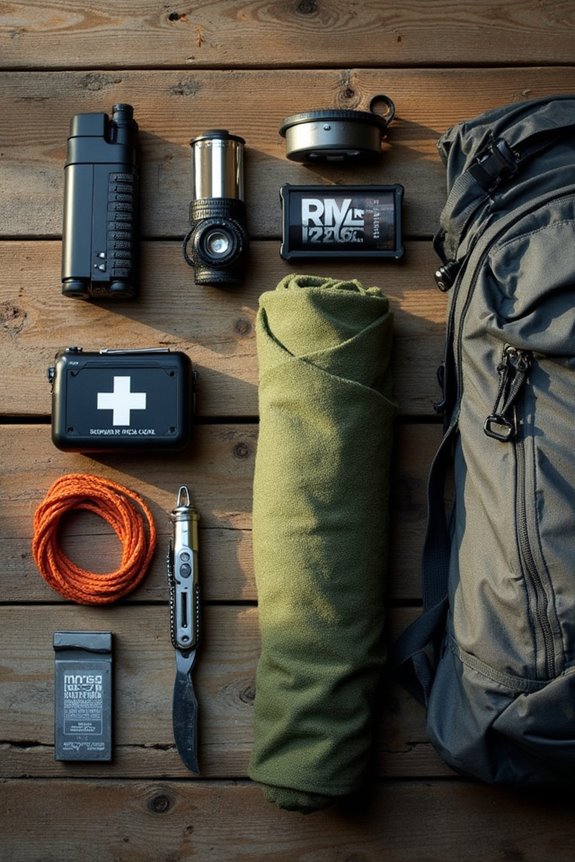
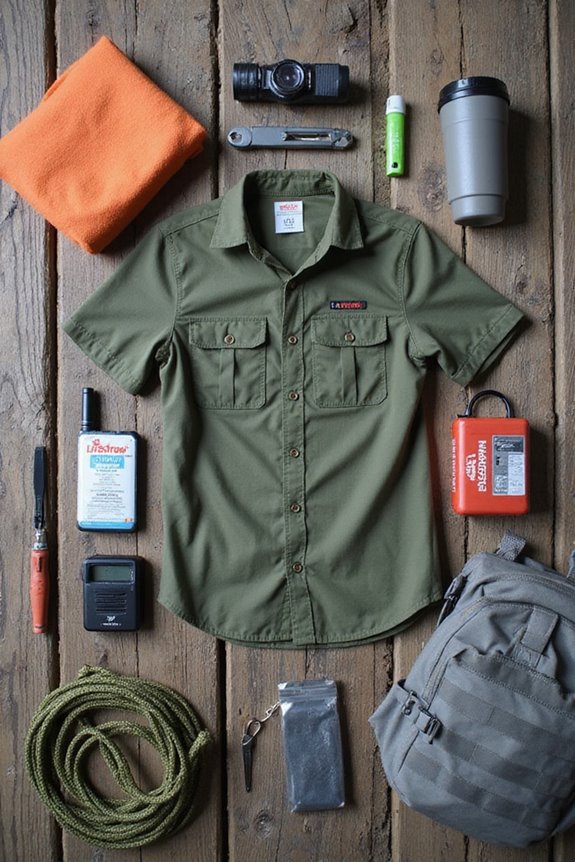
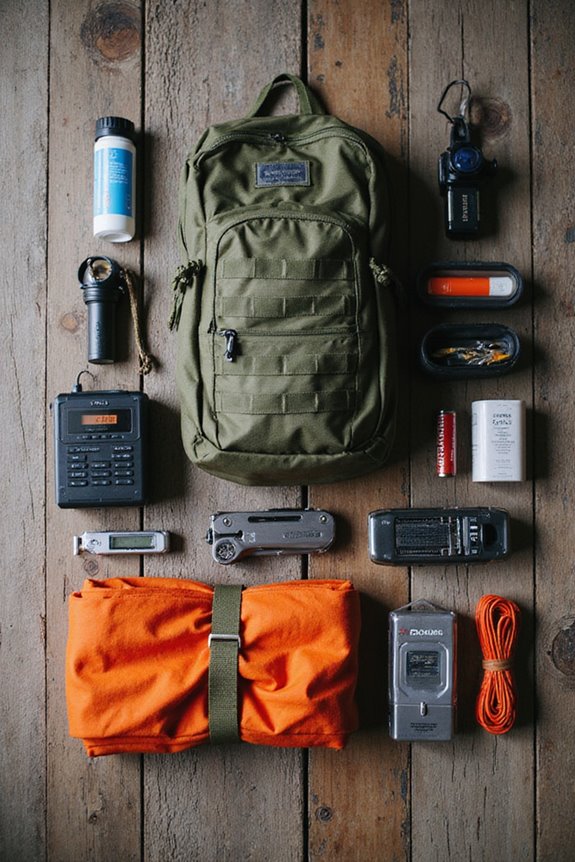
When we prepare for a blackout, we need a solid supplies list. Start with essentials like at least one gallon of water per person per day and nutrient-dense foods. Don’t forget lighting tools like LED lanterns, and a battery-powered radio for updates! We should also have a first aid kit, sanitation supplies, and some tools handy. Staying organized is key, so let’s keep things fresh and accessible. Stick around, and we’ll share more tips on how to be ready!
Key Takeaways
- Ensure a sufficient water supply—one gallon per person per day—for drinking and sanitation needs.
- Stock nutrient-dense foods such as canned proteins and MREs to sustain energy during outages.
- Gather essential hygiene items like soap, hand sanitizers, and waste management supplies for sanitation.
- Equip yourself with battery-powered lights and emergency communication tools like radios for updates.
- Prepare a first aid kit with bandages, medications, and emergency contacts for health and safety.
Essential Water and Food Supplies
When preparing for a blackout, one of the most essential steps is ensuring we have enough water and food. We should aim for at least one gallon of water per person per day, not just for drinking but for sanitation too. Don’t forget our furry friends; they need water too!
For food, let’s stock up on nutrient-dense foods like canned proteins, dried fruits, and MREs (Meals-Ready-to-Eat) that require no prep. It’s smart to include water purification methods, like tablets or filters, in case our supplies run low. Consider investing in a water filter replacement to enhance your drinking water quality if the power outage is prolonged.
Lighting and Communication Tools

Having the right lighting and communication tools is just as important as stocking up on food and water. We need to think about lighting safety—battery-powered LED lanterns, headlamps, and mini flashlights are our best friends during blackouts. They’re compact and easy to use.
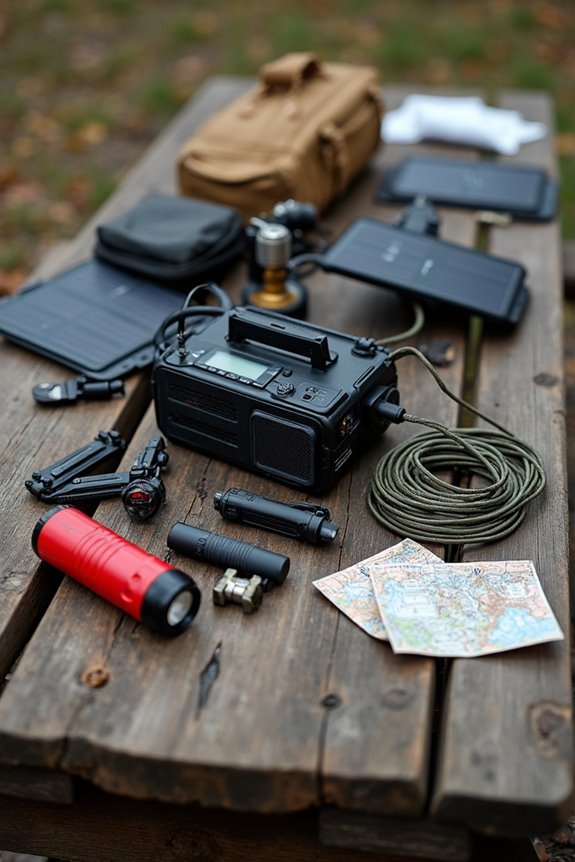
For communication readiness, let’s grab an AM/FM/NOAA weather radio to stay updated. A 4-in-1 emergency flashlight works wonders for lighting, charging devices, and even sounding alarms if needed. Whistles can signal for help when words fail us. Ensuring that we have radios with multiple power sources ensures we can remain connected even during prolonged outages.
Putting all of this in an accessible pouch guarantees quick access when things go dark. So, let’s stay prepared, check those batteries regularly, and remember to keep the candles under control. We’ve got this!
Medical and First Aid Supplies
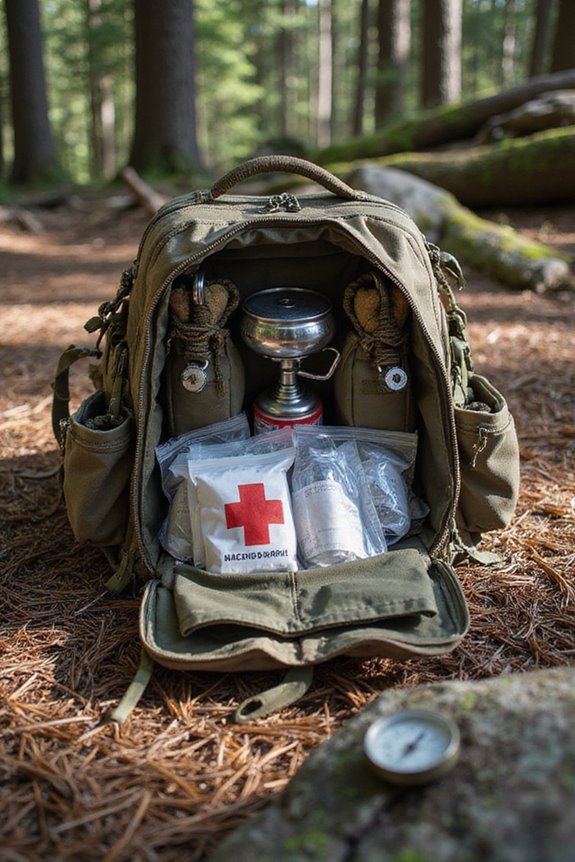
While we might not always think about it, having a well-stocked medical and first aid supply kit can be a real lifesaver during a blackout. Let’s make sure our first aid kits contain adhesive bandages, sterile gauze pads, and antiseptic wipes. These basics help us tackle those unexpected scrapes and bumps that can happen in the dark.
We should also think about emergency medications tailored to our family’s needs. Keeping inhalers, pain relievers, and any prescription drugs readily available is a smart move.
For more serious injuries, adding tourniquets and CPR masks can be crucial. Let’s not forget a list of important contacts, making it easier to reach out when needed. Having a comprehensive first aid kit is essential for managing various emergencies and bringing us peace of mind in uncertain times!
Sanitation and Hygiene
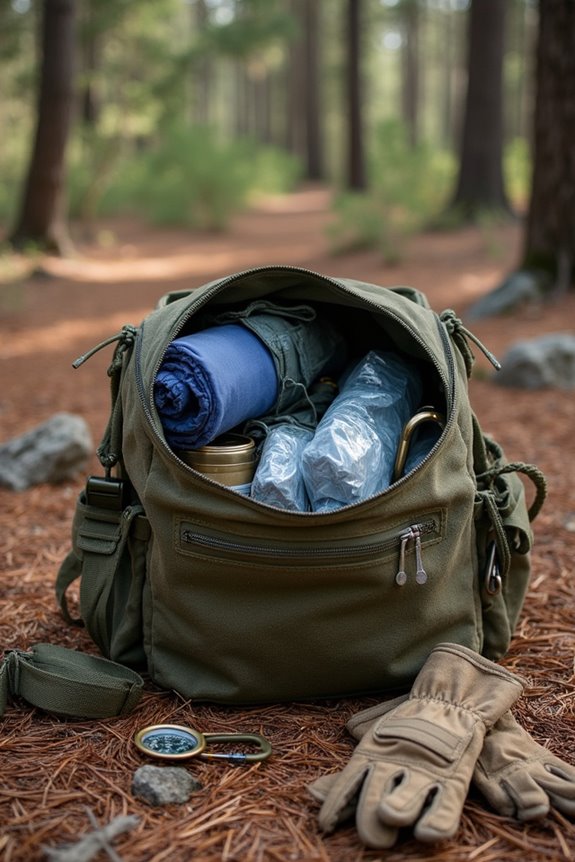
Sanitation and hygiene don’t just matter during a blackout; they’re essential for keeping our health in check. We need to gather supplies like soap, disinfecting wipes, and hand sanitizers. These help us wash up effectively, even when water is scarce. Let’s not forget about waste management—garbage bags and a portable toilet can contain waste safely.
We should also have feminine hygiene products, toothbrushes, and towels on hand for personal care. Using gloves for handling waste keeps things clean and safe. It’s wise to review some hygiene education materials to understand the best practices during outages. Additionally, having access to essential supplies can significantly enhance our preparedness for maintaining hygiene even in challenging circumstances. If we prepare properly, we can stay healthy and feel good about our cleanliness—even in a blackout!
Tools and Safety Items
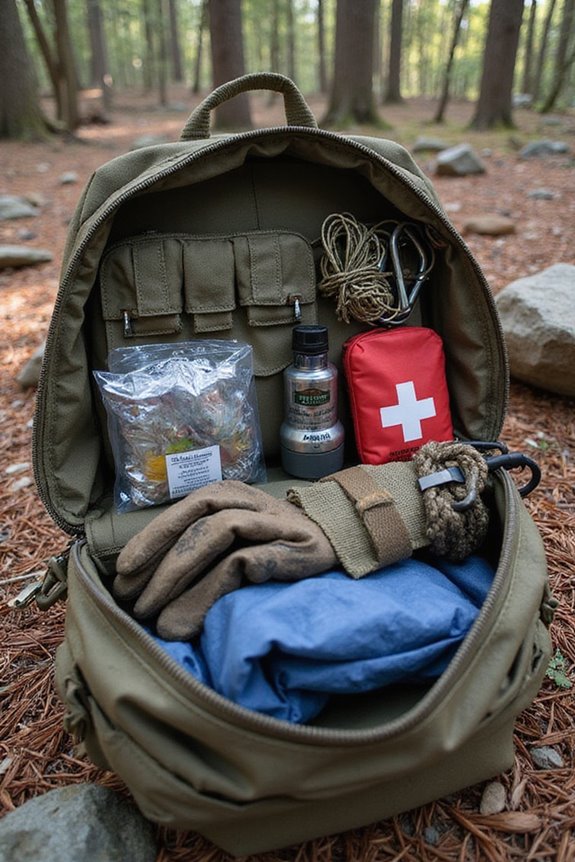
When the lights go out, having the right tools and safety items can be our lifesavers. We should stock up on essential repair tools like screwdrivers, pliers, and multi-purpose gadgets for quick fixes around the house. Remember to keep battery-operated flashlights handy since darkness can sneak up on us!
Safety gear is equally important. Storing gloves and safety glasses will protect us from injuries during cleanup or repairs in low light. And let’s not forget a thorough first aid kit; it’s essential! Additionally, keeping emergency kits in our home can provide peace of mind and ensure we’re prepared for various situations.
Finally, make sure our power banks and backup batteries are charged. They keep our devices running and connected to the outside world. With the right tools and safety items, we’ll navigate blackouts with confidence and maybe even a bit of humor!
Additional Comfort and Practical Items
Having the right additional comfort and practical items can make a world of difference during a blackout. We should think about wet wipes, toothbrushes, and personal hygiene essentials—we all want to feel fresh, right? Don’t forget pet supplies too; our furry friends need love and nourishment. For emotional support, we can gather books, games, and puzzles to keep boredom at bay. A battery-powered radio allows us to stay connected while indulging in creative activities like storytelling or drawing by flashlight. We should also pack away warm blankets and layers for cozy comfort. Let’s not overlook the importance of simple snacks and easy meals! Additionally, having a well-stocked emergency preparedness kit will ensure that we have essential supplies on hand in case of prolonged power outages. With these items, we’ll feel more at ease and ready to tackle whatever comes our way.
Planning for Special Needs
Planning for special needs during a blackout can feel overwhelming, but we’re here to help simplify it. A thorough special needs assessment helps us identify essential supplies and prepare for various scenarios. First, we should stock up on at least seven days’ worth of medications and medical equipment. Accessibility planning is key, so don’t forget backup power sources for electric devices like wheelchairs.
Let’s also think about food. Specialty items for dietary needs need to be in place, along with manual cooking methods. Don’t overlook personal care items – hygiene supplies are vital during outages. Store everything in easy-to-reach places. With a plan, we can stay calm and safe, no matter what the blackout brings. We’ve got this together!
Preparing for Pet Care
We’ve got to think about our furry family members too! When blackouts hit, it’s vital to have a pet care plan in place. First, let’s stock a three-day supply of food and an ample two-week supply of fresh water. We can’t forget a manual can opener for those canned goodies!
Next, assembling a pet first aid kit with essentials like bandages and antiseptic wipes is a must. Don’t forget to include an emergency contact card with our vet’s info.
Finally, let’s consider our pets’ emotions. Familiar toys, blankets, and leashes can help ease their pet behavior during stressful moments. With a little emergency training, we’ll keep them safe and comfortable throughout the blackout!
Securing Important Documents
When the lights go out, it’s not just our comfort that’s at stake—it’s also our important documents. We need to guarantee their safety and accessibility. First, let’s focus on document organization. We should create clear copies of critical papers and use high-quality scanners for digital backups. Storing these backups on external drives, ideally in separate locations, is essential.
Next, let’s protect physical documents in fireproof and waterproof containers. Label everything with durable tags, too! A little preparation goes a long way.
Regularly check these storage methods. Updating backups keeps our important info safe and sound. By planning ahead, we can avoid panic and focus on what really matters when emergencies strike. So, let’s get organized and safeguard our documents!
Creating an Emergency Contact List
Have you ever thought about what you’d do if an emergency struck and you couldn’t reach your loved ones? Creating an emergency contact list is crucial. We should include full names, relationships, multiple phone numbers, and email addresses. Consider all our contacts—family, friends, doctors, and even utility companies.
Let’s think about effective emergency contacts management. Use contact updating strategies by reviewing the list regularly. If something changes—like a new phone number—let’s update it right away.
We can keep physical and digital copies handy. Sharing this list with trusted individuals guarantees help is just a call away. With our emergency contact list, we’ll feel more secure during any blackout. Let’s take the time to do this right.
Maintaining Your Supplies
Keeping our emergency supplies ready to go is an essential part of staying prepared for unexpected blackouts. We should conduct inventory checks every 3-6 months to make sure our supplies are fresh and usable. Let’s check batteries, rotate food items nearing expiration, and inspect sealed water containers.
Equipment testing is equally important. A monthly check on our flashlights and radios can save us from dark surprises. We should keep our supplies organized in labeled, airtight containers, grouped by category for quick access.
Understanding Local Emergency Resources
Understanding local emergency resources is crucial for our safety and a smooth recovery during blackouts. Together, we can navigate these challenging times if we are aware of where to turn. Local emergency resources, like community shelters and hospitals, often provide essential supplies, food, and water when we need them most.
We should be aware that utility services prioritize restoring power to hospitals and emergency centers first. This means we need to prepare our own emergency kits, filled with necessities, to make certain we’re ready.
Let’s keep communication open within our community by using two-way radios or social media. Being informed on how to locate these emergency resources enhances our community preparedness and brings us closer, guaranteeing no one feels alone during a blackout.
Strategies for Staying Informed During a Blackout
Staying informed during a blackout can feel like a challenge, especially when the power goes out and our usual lines of communication disappear. We can still stay connected with a few smart strategies. Let’s consider battery-powered radios for emergency broadcasts; they provide essential news updates. Also, investing in two-way radios or satellite phones keeps us talking, even when cell service fails.
Having a family communication plan helps, too—we can agree on emergency contacts and meeting points. Of course, don’t forget solar chargers to keep our devices powered. By familiarizing ourselves with these communication tools ahead of time, we’ll feel much more confident during an outage. Staying informed is key, and together we can navigate these tough moments!
Frequently Asked Questions
How Often Should I Check My Blackout Supplies?
We can’t stress enough how essential it is to check our blackout supplies at least twice a year. Regular frequency checks guarantee ideal supply maintenance, keeping us ready for anything life throws our way.
What Should I Do if My Supplies Expire?
If our supplies expire, let’s prioritize expiration management. We should replace them promptly, ensuring safety and readiness. Regular checks keep us prepared for emergencies, so let’s stay diligent about supply replacement together.
Are There Specific Items for Children in Blackout Kits?
Sure, we can feel overwhelmed packing for kids, but including child-friendly items like glow sticks and fun safety activities, such as drawing and games, can help turn a blackout into a memorable adventure together.
How Can I Make My Blackout Supplies More Portable?
To make our blackout supplies more portable, let’s choose lightweight containers for effective storage. By selecting compact items and organizing them thoughtfully, we’ll guarantee we’re ready to grab essentials quickly whenever needed.
What Are the Best Practices for Sharing Supplies With Neighbors?
Remember when we banded together to help our elderly neighbor after a storm? Neighborhood coordination is key—let’s share supplies using clear sharing etiquette, ensuring everyone knows what’s available and building trust among us.