As an Amazon Associate, we earn from qualifying purchases. Some links on this site are affiliate links at no extra cost to you. Our recommendations are based on thorough research and editorial judgment.

What Are Indoor Water Storage Options?

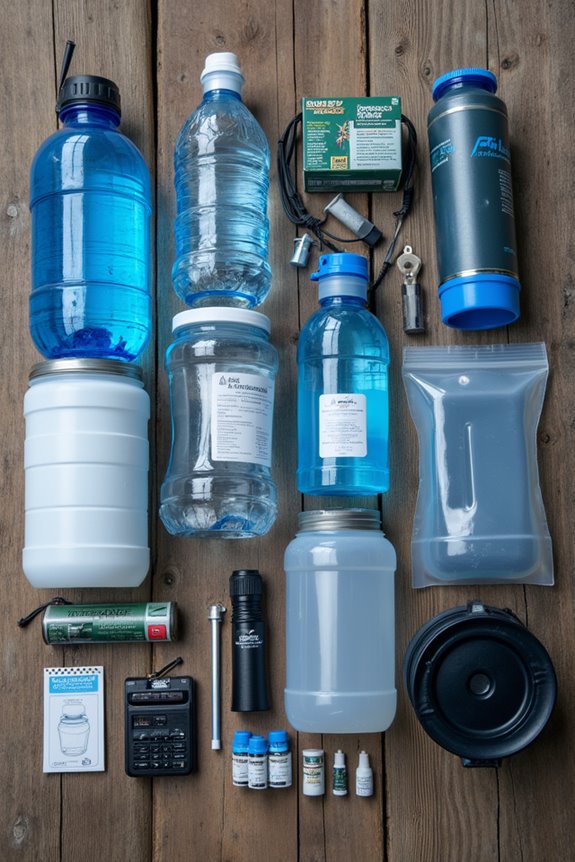
Indoor water storage options include various tank types like vertical, slimline, and bladder tanks, each with unique benefits. We can choose from materials like fiberglass for durability or plastic for lightweight flexibility. Capacities range from 50 to over 2,500 gallons, depending on our needs. These tanks can store rainwater, support emergency preparedness, or guarantee consistent supplies in commercial settings. Plus, don’t forget—proper installation and maintenance keep our tanks in top shape! There’s even more to explore about tank benefits.
Key Takeaways
- Vertical and slimline tanks are efficient options for maximizing space and water storage capacity indoors.
- Bladder tanks offer lightweight, flexible storage solutions, suitable for areas with limited space.
- Materials like fiberglass and stainless steel provide corrosion resistance and durability for long-lasting tanks.
- Indoor storage can support rainwater harvesting, emergency preparedness, and specific commercial uses like food safety.
- Proper installation and regular maintenance are essential for ensuring tank integrity and functionality over time.
Types of Indoor Water Storage Tanks
When it comes to indoor water storage tanks, there are several options to choose from, each with its unique features and benefits. We can often start with vertical water storage tanks. Their cylindrical shape maximizes space, making them great for various uses. They come with tank advantages like high capacity but may not fit in tight spaces. Slimline tanks are perfect for those narrow hallways—just think of them as your storage superheroes! On the flip side, bladder tanks offer flexibility, being lightweight and easy to store; however, they’re not as sturdy. Each tank type has its advantages and disadvantages, and that’ll help us choose the right one for our specific needs. Let’s find the perfect fit together! Additionally, considering factors such as water capacity needs can greatly influence the decision-making process.
Material Considerations for Indoor Water Storage

Choosing the right material for indoor water storage is essential for ensuring both the safety of our water and the longevity of our tanks. We have a range of materials to evaluate. Fiberglass resists corrosion, while stainless steel offers robust durability but comes with a higher price tag. Plastic tanks are lightweight and flexible, making them easier to install, although we need to watch out for UV damage. Remember, concrete tanks can leach lime, affecting taste. Each option has its environmental impact as well, like plastic contributing to microplastic pollution. When we choose, we should aim for material durability and sustainability, ensuring our water remains safe while minimizing our ecological footprint. Additionally, it is important to consider BPA-free materials as they ensure safe storage of potable water.
Size and Capacity Ranges for Indoor Water Storage

Indoor water storage comes in a variety of sizes, allowing us to meet our specific needs effectively. For those with limited space, small capacity tanks usually range from 50 to 200 gallons. For instance, a 100-gallon tank measures about 43”L x 27”W x 29”H, making it a smart choice for homes or small businesses.
When we reflect on capacity planning, it’s crucial to think about our monthly water usage—typically, a family of four needs around 2,000 gallons. This is where understanding tank dimensions helps us avoid refills. The right tank size, ranging from 100 to even 2,500 gallons for larger demands, guarantees we’re prepared for anything. Plus, those prices? They can fit just about any budget—sweet deal! Additionally, considering optimal storage conditions is essential to prolong the lifespan and quality of the stored water.
Common Uses of Indoor Water Storage

While we often think of water storage as merely a backup for emergency situations, its uses in our homes, businesses, and institutions go far beyond that. For instance, indoor water tanks can store rainwater harvested from our rooftops, providing water for flushing toilets and doing laundry. This helps with emergency preparedness too, ensuring we have enough water during disruptions.
In commercial settings, tanks support food safety and fire suppression systems, while hospitals rely on them for consistent water supply. Even our aquaponics systems inside homes benefit from stored water, promoting healthier plants and fish. With these versatile applications, we see that indoor water storage is not just practical—it’s essential for our daily lives. Additionally, using durable, BPA-free plastic containers further ensures that the water remains safe and free from harmful chemicals.
Installation and Maintenance Factors for Indoor Water Storage

When we think about indoor water storage, we might picture tanks tucked away in a corner, silently waiting for a rainy day. Yet, installing these tanks poses installation challenges. We need a flat, sturdy base and easy access for maintenance. Using concrete pads guarantees the tank doesn’t shift over time.
Maintenance best practices come next; checking for leaks and wear after installation is essential. We should hand-tighten fittings — trust us, over-tightening could end badly! Periodic inspections for loose fittings or damages keep our tanks running smoothly.
Don’t forget large access ports; they’re vital for easy cleaning. Our tanks are valuable assets, so let’s treat them with care to make certain they last. Additionally, ensuring weather resistance features in your installation can help prolong the life and efficiency of the system. Remember, a little effort now saves trouble later!
Frequently Asked Questions
How Do I Choose the Right Tank for My Needs?
To choose the right tank for our needs, we should evaluate tank capacity based on usage and opt for suitable installation materials. Let’s prioritize durability and space considerations, ensuring it fits perfectly in our environment.
What Are the Typical Costs Associated With Indoor Water Tanks?
When we consider indoor water tanks, it’s crucial to think about cost comparison among tank materials. Generally, expenses range from $1,581 to $5,000, influenced by size and installation complexity—let’s explore our best options together.
Can I Install a Water Storage Tank Myself?
Yes, we can install a water storage tank ourselves! With the right water tank materials and a bit of DIY installation know-how, we’ll transform our space while ensuring it meets all safety and operational needs.
What Permits Are Required for Indoor Water Storage Installation?
Isn’t it charming how we dream of installing water tanks without a care? Well, we’ll need various permit types and adhere to installation regulations. Let’s navigate these requirements together, ensuring a smooth and compliant experience.
How Can I Ensure Water Safety and Quality in Storage Tanks?
To guarantee water safety and quality in our storage tanks, we’ve got to prioritize tank maintenance and implement effective water filtration methods, regularly checking for contaminants. Together, we can keep our water clean and safe.