As an Amazon Associate, we earn from qualifying purchases. Some links on this site are affiliate links at no extra cost to you. Our recommendations are based on thorough research and editorial judgment.

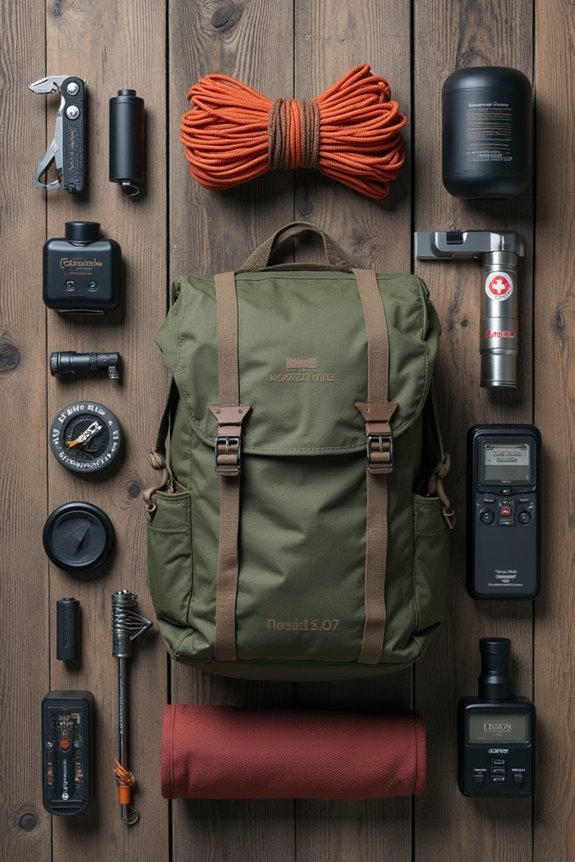
What Are Essential Bushcraft Skills?

When we talk about essential bushcraft skills, we’re diving into important techniques like fire making, shelter building, and foraging. To start, we’ll need a few materials: a reliable knife, some sturdy branches for shelter, and knowledge of local plants. Practicing these skills helps us stay safe and thrive in the wild. Plus, who wouldn’t want to impress friends with a cozy campfire or a comfy shelter? Stick with us to explore these skills in detail and more!
Key Takeaways
- Fire making skills, such as the bow drill technique, are crucial for warmth, cooking, and signaling in the wild.
- Knife and tool use proficiency ensures safety and efficiency during bushcraft tasks, from cutting to crafting.
- Building a sturdy shelter requires knowledge of frame construction and insulation materials to withstand weather conditions.
- Foraging and identifying edible plants, along with reliable water sourcing methods, are vital for sustenance in outdoor environments.
- First aid skills and emergency preparedness planning help maintain safety and readiness in unforeseen situations during outdoor adventures.
Fire Making Skills
When it comes to fire making skills, we’re diving into one of the most essential bushcraft techniques. Understanding fire types can transform our camping experiences. We can create warmth, cook meals, and signal for help. To start a fire, we need the right materials and methods. Using a bow drill is a classic technique; it requires a spindle, fireboard, and some good cordage. When we apply pressure and maintain a rhythm, we generate heat and, eventually, an ember. If we transfer that ember carefully to our tinder—think dry grass or charcloth—by gently blowing, we can ignite a beautiful flame. Remember, the joy of fire-making lies in patience, practice, and maybe some friendly competition! Additionally, incorporating tools like the AOFAR Fire Starter can significantly enhance our fire-starting efficiency, especially in adverse conditions with weather resistance.
Shelter Building Skills
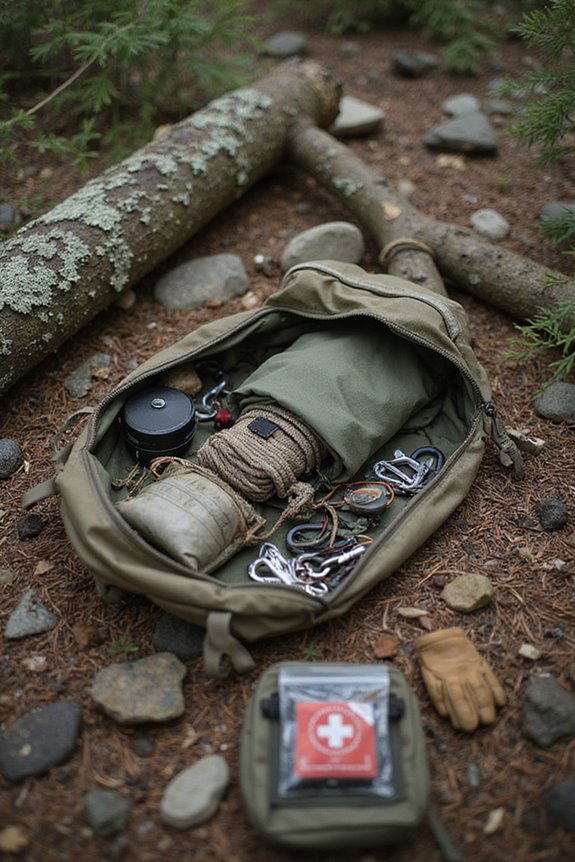
How do we create a shelter that protects us from the elements while we’re out in the wild? First, we gather our shelter materials—strong, straight branches for a solid frame are essential. Let’s find two sturdy trees about 10 feet apart to form our ridgeline. We’ll secure everything tightly with knots, making sure our shelter has structural integrity to withstand the weather.
Next, we layer thick leaves, grass, or moss over our frame for warmth and waterproofing. Don’t forget to create a comfy sleeping surface with pine boughs or leaves, elevated to keep us dry. Regularly check for weak spots and replace insulation as needed. Additionally, having a reliable camping hatchet can help in gathering materials and maintaining your shelter. With a bit of effort, we’ll stay cozy and safe, ready to enjoy our adventure!
Knife and Tool Use Skills
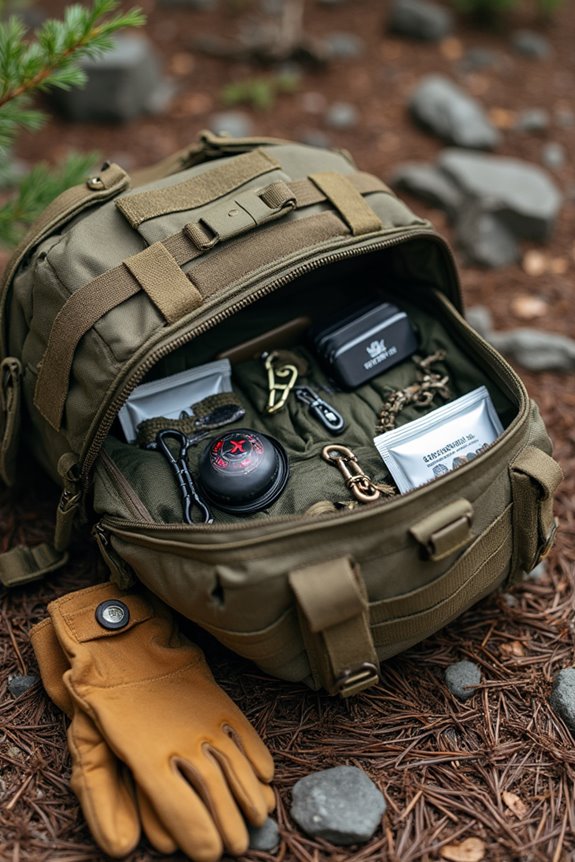
Understanding knife and tool use skills is essential for anyone venturing into the wilderness, especially since our trusty knife can be one of the most important tools we carry. First things first: knife safety is key. We should grip our knife firmly while keeping our fingers clear of the blade. For carving techniques, the forehand grip gives us strength, while the chest-lever grip allows for more control.
We can create feather sticks and notches for our projects, making tasks like kindling and shelter building easier. Always remember to maintain our knife’s sharpness—it’s less tiring, and safer than struggling with a dull blade. With some practice, these skills will enhance our outdoor experiences and help us stay safe in the wild! Additionally, understanding the importance of camping knives can greatly improve your preparedness for various outdoor tasks.
Foraging and Plant Identification Skills
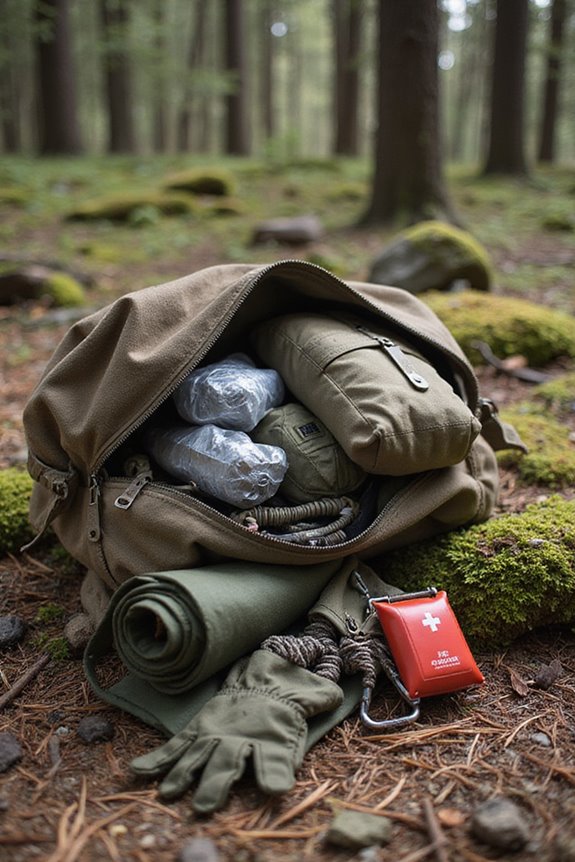
Foraging and plant identification skills are essential for anyone who spends time in the great outdoors. Knowing your local plants helps us avoid potential pitfalls of toxicity while enjoying nature’s bounty. Let’s hone our ecosystem awareness by observing plant traits like leaf shape and flower color.
To start, use guides that focus on our region—they’ll show us edible plants like stinging nettles and wild carrots. Always cross-check with apps and reputable sources to confirm our finds. Remember, safety first: look for signs of poisonous traits like milky sap. Additionally, having knowledge of emergency blanket usage can be vital when spending extended periods outdoors in changing weather conditions.
With practice, we’ll confidently gather nourishment while respecting our environment. So, let’s get out there, explore, and maybe snag a wild salad along the way! Happy foraging!
Water Sourcing and Purification Skills
Finding clean water is essential for survival, especially in the wilderness, and it’s something we can learn to do effectively. First, let’s locate water sources—follow the terrain downhill or listen for running water. If we dig in damp soil, we might just reach that sweet underground water.
Next, we can collect moisture from plants using transpiration bags. It’s like harvesting rain, but from leaves! When it comes to purification, boiling is our best friend. If that’s not an option, UV sterilization is cool too! Additionally, having reliable water storage containers is crucial for maintaining access to clean water during emergencies.
We can also practice water conservation techniques, ensuring we gather every drop. Remember, our choices can keep us safe and hydrated. Immerse ourselves in these skills, and we’ll thrive in the wild!
Cordage and Knot Tying Skills
When it comes to conquering the wilderness, mastering cordage and knot tying skills can really reel in our confidence. We’ve got a toolbox of essential knots like the bowline, sheet bend, and taut-line hitch, each with their own unique knot applications. Let’s not forget our trusty cordage materials—paracord is a favorite due to its strength and versatility. For example, the TECEUM paracord is a great choice because of its 550 lb strength rating and durability.
Start by practicing those knots. For example, tie a clove hitch around a tree for a quick gear hang. Use a rolling hitch when hauling loads or create an adjustable loop with a Prusik hitch for climbing. The more we practice, the smoother our shelter building and gear securing becomes. So let’s get knotting—because nothing says ‘bushcraft expert’ quite like a well-tied knot!
Navigation and Map Reading Skills
We’ve tied up our knowledge of cordage and knots, and now it’s time to focus on guidance and map reading skills—two critical areas for anyone venturing into the great outdoors. To start, let’s grab our compass and a map, confirming we understand how to read it. Map orientation is key; we need to align the north on our map with the compass needle.
For our course setting, we can set a bearing and move steadily, keeping the needle aligned. As we trek, use natural cues like the sun’s position or recognizable landmarks. Remember, take your time to observe, and don’t rush. Keeping track of our path guarantees we don’t wander too far off course. Happy guiding!
Tracking and Wildlife Observation Skills
Tracking and wildlife observation are essential skills for any outdoor enthusiast, especially if we want to connect with nature on a deeper level. To start, we need a good pair of binoculars—this’ll help us notice subtle movements and distant signs. Pay attention to animal behavior; knowing when critters are most active, like early morning or late afternoon, can boost our chances of spotting them.
Next, track aging is vital. Fresh tracks have clear impressions, while older ones collect debris. Analyzing stride length and movement patterns—like a gallop versus a bound—can tell us what animal was there. Remember, patience is key. With practice, we’ll quietly learn to read the forest, uncovering secrets that nature whispers to those willing to listen.
First Aid and Survival Medicine Skills
In the great outdoors, knowing basic first aid and survival medicine can mean the difference between a minor setback and a major crisis. We’ve gotta be ready for anything, right? First, let’s prioritize: assess injuries using the ABCs—Airway, Breathing, Circulation—and tackle life-threatening issues first.
For wound management, bring along sterile dressings and natural remedies like birch polypore for antiseptic properties. If someone gets a nasty cut, clean it, dress it, and apply pressure to control bleeding.
Always keep body temperature up to avoid hypothermia, and use improvised materials if needed. Remember, practice makes perfect! Regularly revitalizing our skills guarantees we’re ready to tackle emergencies confidently, allowing us to enjoy our adventures with peace of mind.
Emergency Preparedness and Planning Skills
When beginning any outdoor adventure, having a solid emergency preparedness plan can save us lots of headaches—or worse. Let’s talk about emergency kit development. We should fill our kits with essentials like water, non-perishable snacks, and first aid supplies. And don’t forget a way to communicate, like a whistle or two-way radio.
Next, we need to take into account evacuation route planning. We must know safe paths and meeting points ahead of time. If things go south, knowing how to reach safety is key.
Let’s also remember the importance of regular check-ins with local alert systems and community forums. Together, we can guarantee our families are safe and ready for whatever nature throws at us.
Frequently Asked Questions
What Should I Pack for a Bushcraft Camping Trip?
When we pack for a bushcraft camping trip, we’ll prioritize shelter building and fire crafting essentials. Let’s choose reliable tools, warm sleeping gear, and cooking supplies to guarantee comfort amidst nature’s wild embrace.
How Do I Choose the Right Bushcraft Knife?
When choosing the right bushcraft knife, we should consider blade materials like carbon steel for toughness and knife types with shapes suitable for our tasks, ensuring it feels comfortable in our hands and meets our needs.
What Common Mistakes Do Beginners Make in Bushcraft?
We often make common misconceptions about bushcraft, believing it’s easy. Beginner errors like inadequate planning, poor fire building, and ignoring water safety can lead to serious issues. Let’s learn together to avoid these pitfalls.
How Can I Practice Bushcraft Skills at Home?
In the heart of our homes, let’s spark fire starting and weave shelter building. Through practice, we ignite our connection with nature, transforming simple moments into memories, nurturing skills that prepare us for wild adventures together.
Are There Bushcraft Courses or Workshops Available?
Yes, there’re plenty of bushcraft courses and workshops available for all levels. Engaging in wilderness education together, we’ll learn essential skills and gain confidence while forging connections with nature and each other. Let’s explore!