As an Amazon Associate, we earn from qualifying purchases. Some links on this site are affiliate links at no extra cost to you. Our recommendations are based on thorough research and editorial judgment.

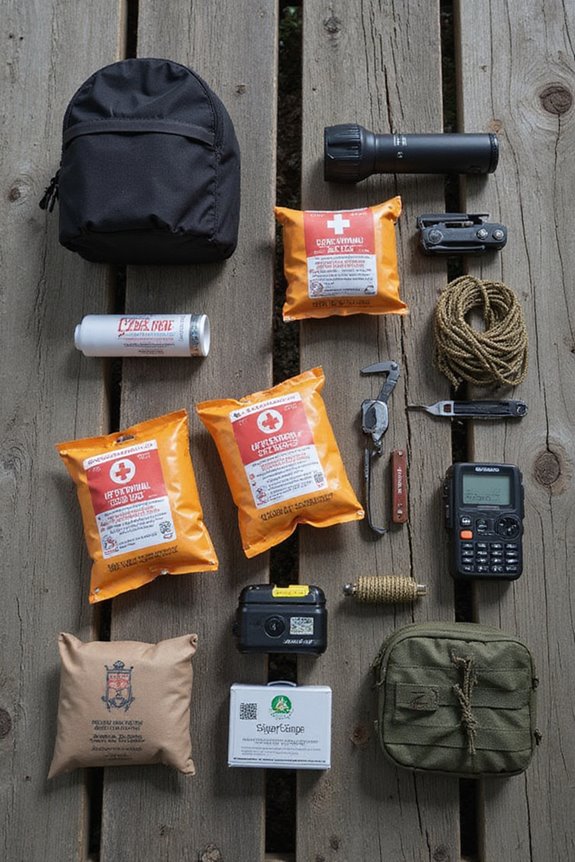
What Are Chest Seals Used For?

Chest seals are lifesaving tools we use to treat open chest wounds. They prevent air from entering the chest cavity, which helps keep lungs from collapsing—a serious issue! When we apply a chest seal, we create an airtight barrier over the wound. This helps the person breathe better until they can get more help. Some seals even have one-way valves to let air escape without letting more in. Stick with us to learn about the different types and how to use them effectively!
Key Takeaways
- Chest seals are used to prevent air entry into the chest cavity, reducing the risk of lung collapse from open chest wounds.
- They create an airtight environment that supports proper lung expansion and minimizes complications from traumatic injuries.
- Some chest seals feature one-way valves to release trapped air while preventing new air from entering the chest.
- They play a critical role in managing tension pneumothorax and improving patient survival rates in emergency situations.
- Chest seals are essential tools for healthcare providers in both pre-hospital and surgical settings for treating chest injuries.
Purpose of Chest Seals
When we talk about the purpose of chest seals, we’re really diving into a significant aspect of emergency care. These little lifesavers emerged in chest seal history as imperative tools for treating open chest wounds, primarily due to traumatic injuries. They help prevent air from entering the chest cavity, which can cause lung collapse—definitely not something we want!
In surgical applications, chest seals create an airtight environment, allowing the lungs to expand properly. Some versions even have one-way valves that let trapped air escape while keeping a seal intact. This is critical for avoiding serious conditions like tension pneumothorax. So, when faced with penetrating trauma, these seals aren’t just helpful; they’re lifesaving, helping stabilize our loved ones until further medical help arrives. Having a quality IFAK Trauma First Aid Kit can be crucial in these situations, as it typically includes essential items like chest seals for immediate treatment.
Mechanism of Action

Chest seals work through a few key mechanisms that are important for managing open chest wounds effectively. First, they create an airtight seal over the wound, preventing outside air from rushing in during inhalation. This is essential to stop the “sucking” effect often caused by open chest injuries. In addition, some chest seals feature vents that allow air to escape during exhalation, preventing dangerous pressure buildup. This clever airflow dynamics reduces the risk of developing tension pneumothorax, a serious complication. By maintaining negative pressure in the chest cavity, these seals support lung expansion and guarantee proper gas exchange. Monitoring the seal’s function is crucial; we can even “burp” it if symptoms of pressure build-up arise. Overall, effective use of a chest seal can mean the difference between life and death after trauma. Regular inspections of medical supplies ensure that chest seals remain usable in emergencies.
Types of Chest Seals
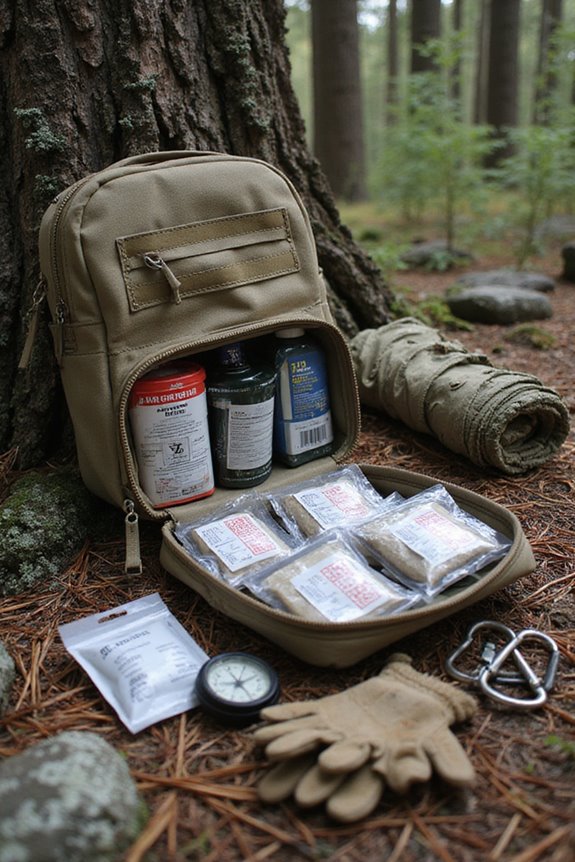
Managing open chest wounds effectively isn’t just about understanding how chest seals work; it’s also about knowing the different types available. We have reliable options from brands like North American Rescue and HALO. These seals come in various shapes—think square, rectangular, or circular—all designed for different injuries. Many of us appreciate the specialized packaging that helps us grab a seal quickly, thanks to easy-open tabs and tear-resistance.
Don’t forget about vented designs! They allow air to escape while preventing new air from entering the wound, making them particularly useful in severe situations. Whatever option we choose, well-designed seals not only provide essential coverage but also guarantee that care is straightforward and effective when every moment counts. Reliable tourniquet is a critical component to have on hand for bleeding control alongside chest seals.
Vented Chest Seals
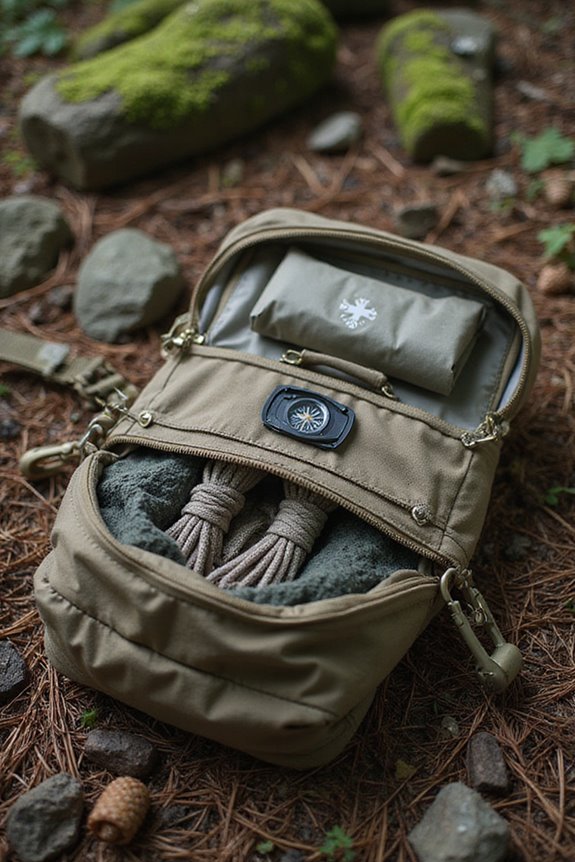
Although many may not think about it, vented chest seals play a significant role in treating open chest wounds. These seals come with a special one-way valve. This valve lets trapped air escape, helping to prevent serious issues like tension pneumothorax. When we apply a vented chest seal over a sucking wound, we’re taking a smart step to maintain internal pressure in the chest.
For seal applications, it’s important to clean the area first. Then, we just peel the backing and stick it on. The vent still needs space to work, so pointing the valve out is vital. Remember, the vented benefits aren’t just for combat. Everyone can benefit from this simple, yet essential, lifesaving tool! Having first aid supplies readily available, such as vented chest seals, can significantly improve the chances of survival during emergencies.
Non-Vented Chest Seals
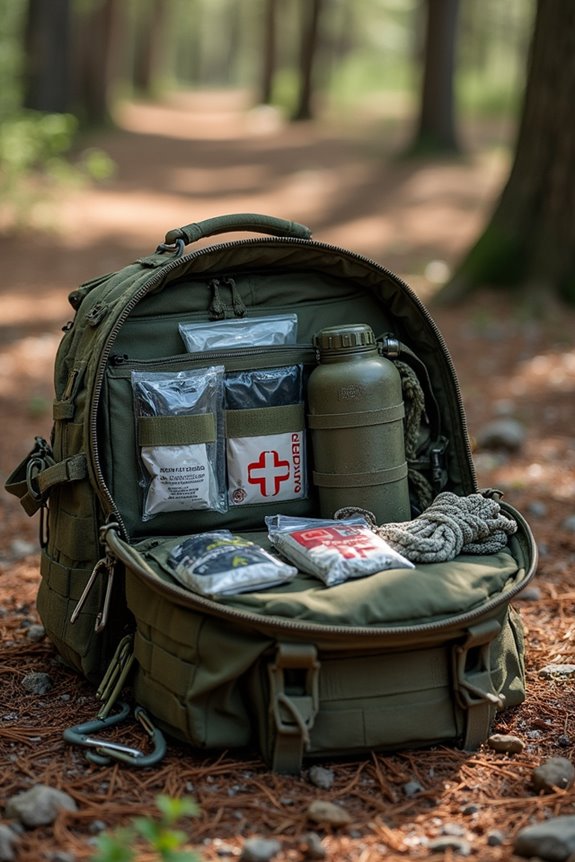
When it comes to treating open chest wounds, non-vented chest seals are important tools we can’t overlook. These seals create an airtight barrier, preventing air from sneaking in or out of the pleural space. Their sturdy design means we can apply them quickly in high-stress situations, which is essential for effective chest wound management.
For non-vented applications, think of them as a protective cover, akin to a well-made sandwich that guarantees nothing leaks out or collapses. They’re particularly handy when vented options aren’t available. Just remember, monitoring for signs of tension pneumothorax is critical. If air gets trapped, we might need to “burp” the seal. It’s important to have essential supplies on hand to ensure comprehensive trauma management in emergencies. Together, we can use non-vented chest seals to aid in stabilizing trauma victims effectively.
Clinical Importance of Chest Seals
Chest seals play an essential role in effectively managing chest injuries, especially when it comes to preventing serious complications like tension pneumothorax. Their clinical significance in trauma management can’t be overstated. When we seal a chest wound, it stops air from entering the pleural cavity, reducing the risk of life-threatening situations. Vented chest seals, with their one-way valves, are front-runners since they allow trapped air to escape, helping to maintain lung function. Using them means we’re not just treating a wound; we’re actively improving survival rates and reducing the need for more invasive procedures. So, next time we find ourselves in a trauma situation, let’s remember the power of a chest seal—it just might save a life.
Common Use Cases
In trauma situations, knowing the common use cases for chest seals can make all the difference in how we respond. They’re mainly used for open chest wounds from penetrating trauma like gunshots or stabbings. By sealing these injuries, we prevent air from rushing into the chest cavity, which can lead to serious complications like a collapsed lung.
Chest seals come in vented and non-vented options. Vented ones release excess air but keep outside air out, which is essential during emergency response. These seals can also work on upper abdomen and neck wounds, widening their usefulness. In chaotic environments, quick application is vital. Feeling prepared with chest seals can be the game-changer that keeps our loved ones alive until help arrives.
Application Techniques
Although the situation might feel intense, applying a chest seal doesn’t have to be overwhelming. Let’s break it down together. First, expose the wound completely by removing any clothing. Clean the area with gauze to improve adhesion. Then, cover the wound with your hand to stop air from entering while you prepare the seal.
Now, position the chest seal over the wound without removing the liner. This helps with alignment. Once ready, peel the liner off and press the seal gently but firmly to eliminate air bubbles. If we encounter application challenges, like fluid or hair, consider vented seals to let trapped air escape. Remember, monitoring the patient afterwards is crucial. We can do this!
Practical Considerations for Use
When managing chest seals, we need to keep a few practical considerations in mind to guarantee effective treatment. First, patient positioning is key. Placing the patient in a semi-upright or lateral position can ease breathing and reduce complications.
Next, let’s not forget about seal adhesion. Skin should be clean, dry, and free from sweat or dirt to verify the seal sticks properly. If we don’t maintain good adhesion, we risk air entering through the wound.
We should also stay vigilant for signs of tension pneumothorax, like respiratory distress or changes in oxygen saturation. Continuous monitoring after seal application is crucial. Remember, while we might want to “set it and forget it,” it’s important to keep checking in on our patient.
Design and Features of Chest Seals
Chest seals are essential tools for managing open chest wounds, and understanding their design and features can make a big difference in emergency situations. The selection of materials is key; they often come in circular or rectangular shapes and are crafted from thin, flexible layers for a snug fit. This flexibility lets us move without losing the seal.
The adhesive performance is just as important. Strong, pressure-sensitive adhesives stick well, even on sweaty or hairy skin, ensuring an airtight barrier. Some also have one-way valves. This design prevents air from getting in, allowing trapped air to escape, which is critical to prevent tension pneumothorax. So, when it’s go-time, knowing these features can truly aid in saving lives.
Training and Proper Use
Understanding how to use chest seals properly can save lives in emergency situations. We need hands-on training to master key steps, including wound exposure and seal placement. Simulation scenarios with manikins help us identify and manage sucking chest wounds effectively.
We’ll practice wound cleaning to guarantee proper adhesion, focusing on the right placement of vented and non-vented seals. Monitoring for complications like tension pneumothorax is vital—keep an eye out for symptoms! Our documentation skills are just as important; remember to use forms like DD Form 1380 to record treatment details.
In the end, being trained means we’re ready to act with confidence, keeping our casualties safe and breathing easy. Let’s commit to practicing these steps until they become second nature!
Enhancing Effectiveness During Application
Applying a chest seal effectively requires a bit more than just sticking it on the wound. First, let’s focus on seal preparation. We need to clean the wound and surrounding skin to guarantee the best adhesion. Lifesaver tip: temporarily cover the wound while getting ready. Once we’ve got the seal in hand, let’s talk about adhesive techniques. Peel the backing carefully—no creases allowed! When we position the seal, make sure it’s centered over the wound, applying even pressure around the edges. If there’s moisture, consider extra adhesive reinforcements. Remember, our goal is airtight closure, so let’s avoid wrinkles that could lead to pesky air leaks. Finally, keep monitoring our patient’s breathing to guarantee everything’s working smoothly!
Frequently Asked Questions
Can Chest Seals Be Used on Wounds Other Than Chest Injuries?
Chest seals aren’t effective for wounds outside the chest area. Their specialized design focuses on chest injuries. For optimum wound management, let’s explore other methods tailored to different types of injuries together.
How Should I Store Chest Seals for Maximum Effectiveness?
To guarantee maximum effectiveness, we need to prioritize proper storage. Let’s keep them in a cool, dry place, away from extreme temperatures. This simple step can make all the difference in an emergency when it counts.
Are There Alternatives to Chest Seals for Treating Sucking Chest Wounds?
Absolutely, we’ve got alternatives! Vacuum dressings and occlusive bandages, like plastic sheeting or tape techniques, can effectively seal sucking chest wounds. Let’s use what we have, ensuring safety until advanced care arrives.
What Are the Signs of a Tension Pneumothorax?
While treatment methods differ, we should be alert for medical symptoms like sharp chest pain, shortness of breath, tracheal deviation, and bulging neck veins. Recognizing these signs could be essential for timely intervention.
How Long Can a Chest Seal Remain in Place Safely?
A properly applied chest seal can stay in place for several hours, but we should always monitor for safety concerns. If issues arise, we’re prepared to reassess and adjust the application duration as needed.