As an Amazon Associate, we earn from qualifying purchases. Some links on this site are affiliate links at no extra cost to you. Our recommendations are based on thorough research and editorial judgment.


How To Weigh And Record Gear?

We should weigh and record our gear to avoid overpacking and reduce fatigue. First, grab a reliable scale—digital ones work best for accuracy. Let’s zero the scale before weighing each piece separately. Don’t forget to account for packaging weight! Keep notes in a digital spreadsheet to track weights and conditions. Regularly check your gear since weight can change over time. Need tips for using tech to manage this better? Stick around, there’s more to explore!
Key Takeaways
- Use an accurate digital scale to weigh each gear component separately for precise measurements.
- Zero the scale before weighing and repeat measurements to average for accuracy.
- Record weights, dates, and conditions in a digital spreadsheet to track gear changes.
- Factor in the weight of packaging when measuring and calculate tare weight to get accurate readings.
- Regularly reweigh gear to manage weight fluctuations due to moisture or wear over time.
Understanding the Importance of Accurate Gear Weighing
When we think about packing our gear for any adventure, there’s something we can’t ignore: accurate gear weighing. This isn’t just about numbers; it’s one of those importance factors that makes or breaks our trip. Precise measurements help us avoid overpacking, reducing fatigue and the risk of injury. It means smoother changes, whether hiking or traveling by vehicle. Additionally, maintaining a lightweight bug out bag essentials can significantly enhance mobility during emergencies.
Selecting the Right Scale for Your Gear

Accurate gear weighing starts with selecting the right scale. We need to take into account scale specifications and gear compatibility to guarantee we’re choosing the best option for our needs. Digital scales are great for accuracy and ease, especially when we need precise measurements. They also come with features like unit conversion, but we should keep an eye on battery life. Mechanical scales, on the other hand, are durable friends when power isn’t available, though they might lack the accuracy we crave. So, think about our environment and what we’ll be weighing; larger or bulky gear might need a floor scale, while smaller items could fit nicely on a bench scale. Additionally, lightweight designs under 1 lb significantly enhance portability, making them easier to carry during hiking or camping trips. Let’s make our weighing process both effective and efficient!
Preparing to Weigh Your Gear
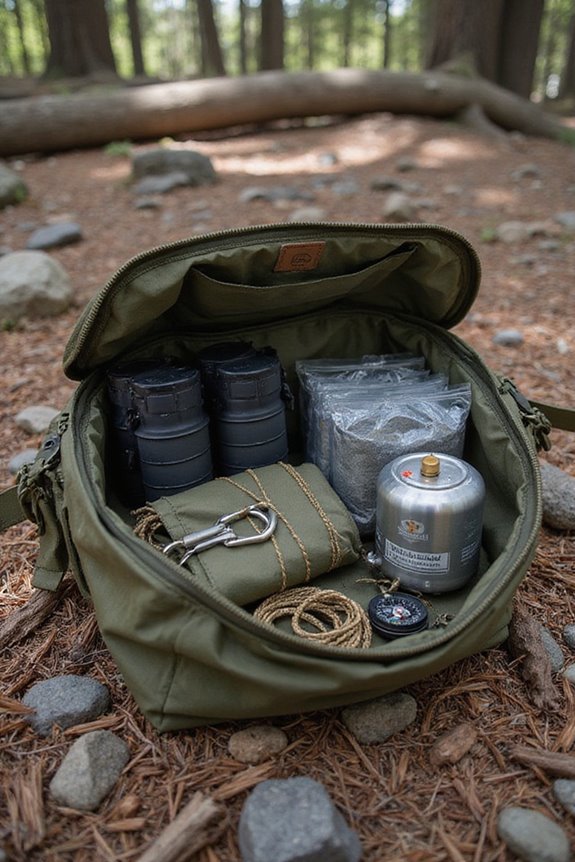
Before we explore weighing our gear, it’s crucial to get organized. First, let’s categorize our gear—think shelter, clothing, and electronics. This gear organization makes everything smoother and keeps our sanity intact! Next, consult expert lists to verify we aren’t missing anything essential.
Short trips? Prioritize essentials first. Remember, we can always add optional gear later.
Now, let’s designate a clean, clutter-free workspace for gathering everything. It’ll help us avoid misplacing items or adding those “just-in-case” gadgets we don’t really need.
Finally, using a checklist template will keep us accountable. We’ll be steering clear of unnecessary weight before we even step out the door, making our adventure more enjoyable. A well-selected camping knife can also enhance our overall experience by offering multi-functional capabilities. Let’s get ready to lighten our loads!
Weighing Techniques for Different Types of Gear
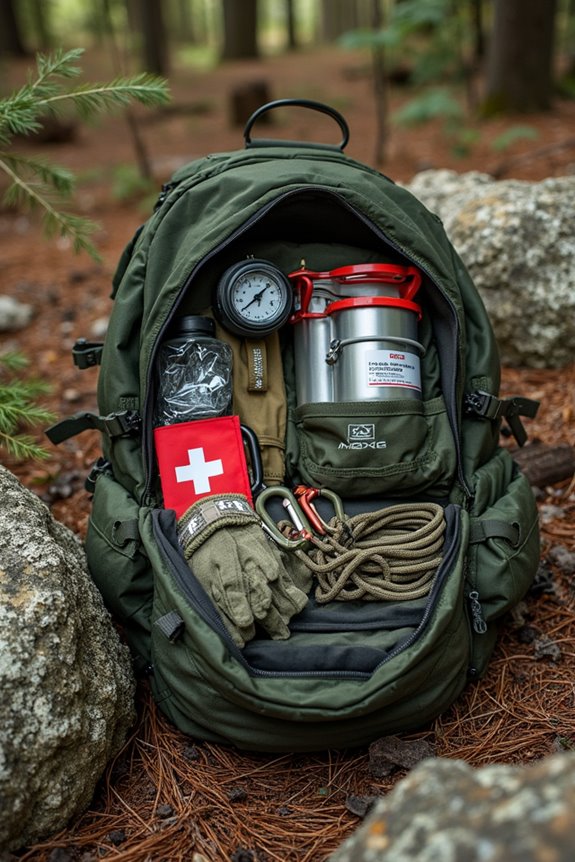
Getting the right technique for weighing different types of gear can make a world of difference, especially when we’re trying to keep our packs light. For small samples, let’s thank topload balances for providing gear precision. Always zero the scale first, and transfer materials carefully with clean tools.
When dealing with larger items, platform scales can handle their imposing weight. Use load cells or specialized crane scales for awkward shapes, making sure scales are calibrated for accuracy. Incorporating lightweight materials in your gear selection can significantly help reduce overall weight.
Including these weighing techniques in our toolkit not only keeps our gear light but also guarantees we’re ready for our next adventure. So, let’s use the right tools and techniques—our backs will definitely appreciate it!
Digital vs. Analog Scales: What You Need to Know
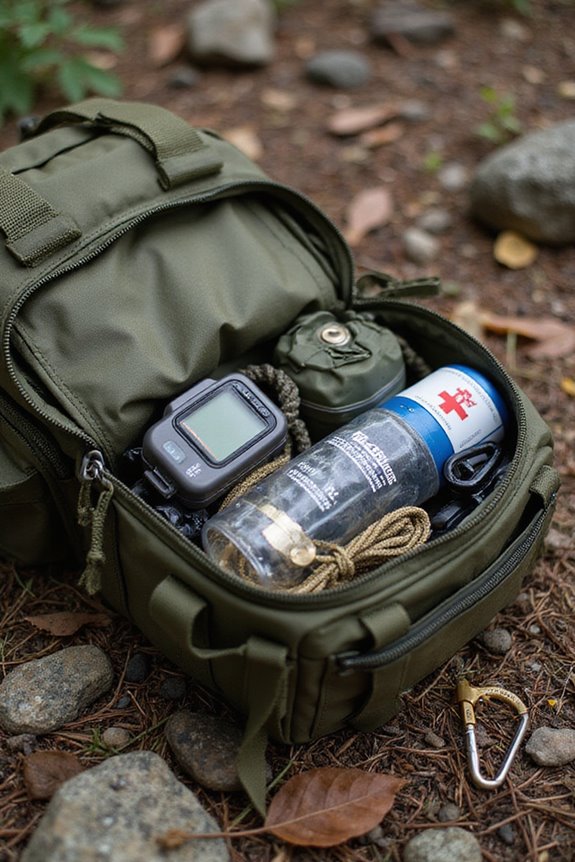
When it comes to weighing gear, what’s the best scale to use—digital or analog? Digital scales are popular for their accuracy and instant readability, but they do have some drawbacks, like being sensitive to environmental factors. On the other hand, analog scale benefits include their durability and simplicity; they can withstand harsh conditions without malfunctioning. While they’re not the best for pinpointing tiny weight changes, they offer reliable measurements in many situations. If quick readings and high-tech features are your priority, digital might be your go-to. But if you want something that can outlast the elements, an analog scale may be worth considering. Let’s weigh our options carefully as we decide! Additionally, choosing a scale that can accommodate high-quality materials ensures reliable performance in rugged camping environments.
Taring Your Scale for Accurate Measurements
Having sorted through the pros and cons of digital and analog scales, we’re now ready to tackle a key technique: taring. Taring lets us measure just the contents without including the container’s weight. Let’s go through the simple steps. First, we place the empty container on the scale. Next, we press the tare button, which resets the scale to zero. After that, we double-check that it reads zero. Now we can add our item with confidence. It’s vital to avoid common errors like exceeding the scale’s capacity or forgetting to tare. Additionally, ensuring proper fuel management is crucial for maintaining accuracy during outdoor cooking measurement. By using proper tare techniques, we can guarantee accuracy, making our gear measurements spot-on. Remember, a well-tared scale is a happy scale!
Recording Gear Weights Effectively
How do we guarantee our gear weights are recorded accurately and effectively? First, we want to use high-resolution digital scales—those 0.1 g ones. They’re portable and tough, perfect for variable holding conditions. Let’s make it a habit to measure each gear component separately on a stable surface. Don’t forget to repeat measurements; averaging helps cut down on random errors.
For recording, we should rely on digital spreadsheets, noting the date, weight, and conditions. It’s all about consistency with our comparison methods too! Assign unique identifiers like barcodes to track gear. And hey, snapping a photo of our scale with the weighed item? That’s a way to catch mistakes before they happen! Together, we’ll keep accurate records.
Maintaining Weight Records Consistently
Maintaining accurate weight records is essential if we want to optimize our gear and keep things efficient. Let’s establish clear definitions, like base weight, which excludes food and water. Using consistent units, whether grams or ounces, helps with weighing accuracy and makes comparisons simple.
We should develop a systematic weighing schedule, weighing each item before and after trips. Keeping everything organized in spreadsheets allows us to easily track weight changes over time. Standardizing our entries and including details like the date or scale used guarantees we maintain consistent standards.
Adjusting for Packaging and Protective Cases
When we weigh our gear, it’s important to factor in the weight of packaging and protective cases—not doing so can throw off our entire weight record. Those protective cases, whether they’re made from lightweight poly or heavy-duty roto-molded materials, add significant tare weight, often along with protective padding.
To maintain accurate weight adjustments, we should weigh the empty case first. Then subtract that tare weight from our total measurement. If we’re using cases with cool transport features like wheels or handles, keep in mind those add weight too! Remember, packaging efficiency matters. Let’s log everything consistently and watch our gear safety. Together, we’ll make certain every ounce counts when we pack for our next adventure!
Weighing Gear in Its Carry Condition
After ensuring our gear is free from excess packaging weight, it’s time to face another task: weighing our gear in its carry condition. This step’s essential for understanding those carry condition weights and how they impact our day-to-day choices.
First, we have to calculate the base weight of our firearm. Next, we add any ammunition and accessories like holsters or spare magazines. Taking a moment to do a weight distribution analysis is key here, as it shows how our gear sits and moves with us.
Don’t forget to use a reliable digital scale. Keeping track of these weights helps us make informed decisions about what to carry. Plus, lighter setups? They can make us feel like we’re floating rather than lugging around extra pounds!
Environmental Factors That Affect Weight Measurements
Even though we often think of weight as a straightforward number, various environmental factors can throw our measurements off balance. Temperature fluctuations, for instance, can cause materials to expand or contract, skewing our readings. High humidity levels might lead to moisture absorption, unexpectedly adding weight to our samples. We should also watch out for air currents from drafts, which can cause annoying fluctuations. Don’t forget about electrostatic interference—static charges can mess with our measurements in unexpected ways. Finally, vibrations from nearby equipment or foot traffic can destabilize our scales. For precise measurements, it’s essential we regularly calibrate our equipment and maintain a controlled environment. Keeping all these factors in mind helps us achieve accurate readings.
Weighing Composite Loads Accurately
We’re all familiar with the importance of getting accurate weight measurements, but let’s face it—composite loads can take things to another level. For accurate composite load modeling, we need to take into account every item within the load. Using the right scale is essential; it should have a sufficient capacity margin to avoid overload errors.
Next, regular calibration of our weighing equipment guarantees our readings stay reliable, and zero shift monitoring helps us catch any pesky baseline variances. Additionally, we can improve our weight measurement analysis with statistical techniques. This allows for better identification of complex interactions within our loads.
Tips for Efficient Gear Weight Management
Managing gear weight efficiently can feel like a challenging task, but with the right approach, it’s surprisingly straightforward. To start, let’s focus on material selection. Choosing lightweight alloys like aluminum or titanium helps us reduce mass without sacrificing strength. Next, we can think about weight distribution. This involves designing gears to fit snugly within their assemblies, minimizing bulk while maximizing performance. And hey—using advance composite materials can further help in not just reducing weight but also enhancing durability. It’s like a superhero combo! Finally, let’s record all these details diligently. Keeping track of gear weights and material types helps us make informed decisions down the line. Together, we can master efficient gear weight management and keep our assemblies robust.
Importance of Regularly Reweighing Gear
While it might seem tedious, regularly reweighing your gear is essential for keeping track of your load. We can’t overlook that gear weight can change over time, due to factors like moisture or wear. By sticking to a consistent maintenance schedule, we guarantee our recorded weights are accurate. This keeps our impact analysis true, allowing us to prevent overpacking or missing critical items. Plus, reweighing reveals unplanned weight increases from dirt or packed items. When we comprehend these changes, we can decide when to replace or maintain gear before it fails. So let’s stay ahead, lighten our load, and focus on what matters most—having a safe and enjoyable adventure together!
Using Technology for Gear Weight Management
When it comes to managing our gear weight, technology can be our best friend. We can utilize digital scales for accurate measurements of each gear item and our entire packs. This precision helps us visualize weight distribution and make better packing choices.
Apps like LighterPack let us input gear lists, view weight categories, and share insights with the community. We can see what others are carrying, gaining valuable tips and perspectives.
Using color-coded charts in these apps also helps identify which items bulk up our packs. By tracking weight changes over time, we can refine our gear choices. Plus, crowdsourced data gives us real-world weights, ensuring we skip those misleading manufacturer specs. Let’s embrace tech for a lighter adventure!
Frequently Asked Questions
How Do I Calculate the Total Weight of Multiple Items?
To calculate total weight, we’ll apply weight calculation methods by multiplying each item’s weight by its quantity, then summing all contributions. This guarantees accurate total gear analysis and helps us manage our inventory effectively together.
What Are Some Common Mistakes When Weighing Gear?
We’ve all been there—carefully weighing gear on a wobbly table, ignoring inaccurate measurements, and shouting, “I swear that’s not my backpack’s weight!” Let’s avoid those overpacking issues and focus on precise gear weighing together!
How Can I Ensure Accurate Weighing in Windy Conditions?
To guarantee accurate weighing in windy conditions, we should prioritize wind resistance with appropriate setups. Regularly employing calibration techniques during exposure helps us account for fluctuations, leading to more reliable readings amidst challenging outdoor environments.
Can I Use My Phone as a Weighing Scale?
Can we really trust our phones as scales? Absolutely! With some phone weighing tips, they’re convenient digital scale alternatives. Just remember to calibrate often for decent accuracy in everyday measurements, especially while traveling or cooking.
What Should I Do if My Scale Fluctuates During Weighing?
If our scale’s fluctuating readings are bothering us, we should apply scale stabilization techniques like ensuring a stable surface, avoiding drafts, and allowing calibration. Together, we can find reliable solutions for consistent measurements.