As an Amazon Associate, we earn from qualifying purchases. Some links on this site are affiliate links at no extra cost to you. Our recommendations are based on thorough research and editorial judgment.

How To Use A Siphon Pump For Water?

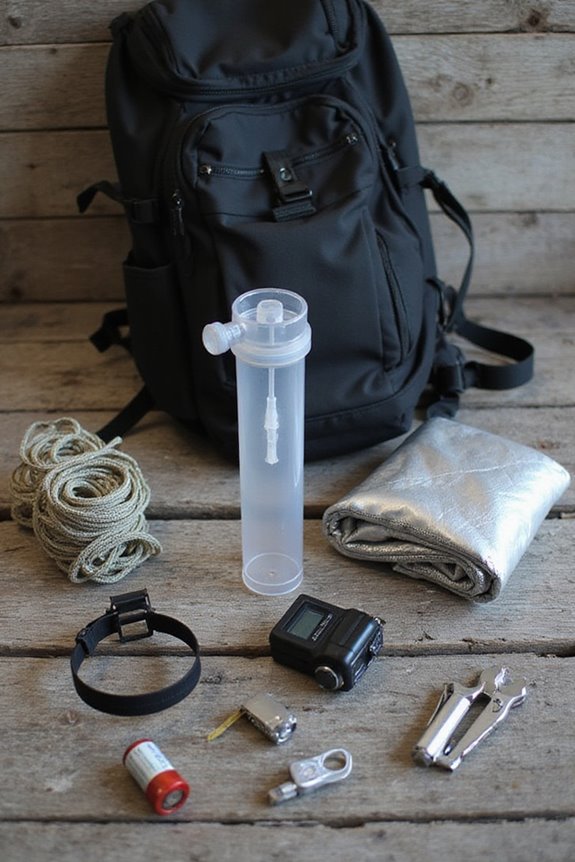
Using a siphon pump to transfer water is pretty simple! First, we need a siphon pump designed for water. We place our source container higher than the destination one. Then, we insert the intake hose deep into the water. To start the flow, we prime the pump by compressing the squeeze bulb until liquid flows through. Remember, keeping the hoses free from air is key. Want to avoid any hiccups? Let’s explore more tips and tricks next!
Key Takeaways
- Position the source container higher than the destination to utilize gravity for effective siphoning.
- Fill the intake hose completely with water to prime the siphon pump correctly.
- Avoid placing the intake hose directly on the bottom of the container to prevent sediment clogging.
- Monitor the water levels closely to ensure a continuous flow without air entering the system.
- After use, drain the siphon pump to maintain its longevity and prevent damage.
Understanding the Basics of a Siphon Pump
When it comes to using a siphon pump, the key is understanding how it works. At its core, siphon mechanics rely on gravity’s influence and the difference in pressure along the tube. To make it happen, we need to fill the tube completely with liquid—think of it as priming the pump. This creates a low-pressure zone at the peak, letting gravity do its magic as the liquid flows downhill, pulling more liquid up. Isn’t that fascinating? The outlet must always be lower than the source, or our efforts will be in vain. Plus, if air sneaks in, the flow stops! By grasping these fundamentals, we can master the siphon and put it to good use in our adventures. Additionally, ensuring the use of high-quality materials in the pump can enhance its performance and longevity.
Essential Setup and Positioning Tips
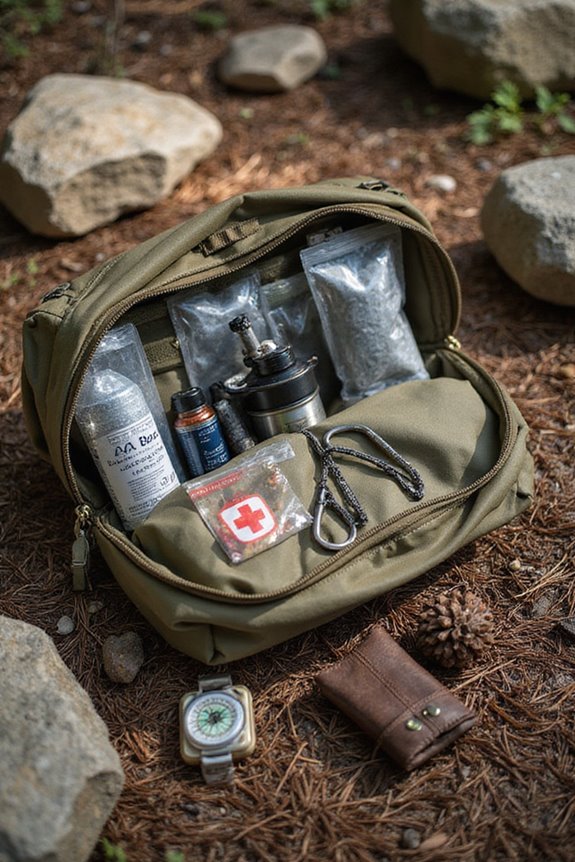
Getting the setup right for our siphon pump can make all the difference in how smoothly the process goes. First, let’s remember that siphon placement is key; our source container needs to be higher than the destination. This way, gravity helps with the liquid flow, making our lives easier.
Next, both containers should sit on a solid, level surface to avoid spills. We shouldn’t place the intake hose directly on the bottom—nobody likes sipping on debris! To kick off the siphoning, fill the hose entirely with liquid and secure all connections to prevent leaks. Regular monitoring of the water levels works wonders to keep everything flowing smoothly. Additionally, using well-organized kits during emergencies can ensure you’re prepared for unexpected situations. Let’s get to sipping—safely and efficiently!
Recommended Products

The Pynamite Cube Pro misting system works on bothersome insects: mosquitoes, flies, spiders, & no-see-ums. Say no to an ugly tank and yes to a Cube Pro. Only 26 inches cubed with a Bluetooth controller! Perfect for residential, barn or commercial setting. No assembly required, just set up the nozzle circuit and start misting.

The Cube Pro works on bothersome insects: mosquitoes, flies, spiders, & no-see-ums. Say no to an ugly tank and yes to a Cube Pro. Only 26 inches cubed with a Bluetooth controller! Perfect for residential, barn or commercial setting. No assembly required, just set up the nozzle circuit and start misting.

2.8‑gallon pressure tank for steady material flow and smooth finishes. Includes Binks 2100 spray gun for excellent atomization and control. Durable steel construction built for daily shop use. Ideal for automotive, wood, metal, and industrial coatings. Complete kit with tank, gun, regulator, hoses, and lid assembly.
Different Types of Siphon Pumps

Siphon pumps come in various types, each designed for specific tasks and fluids. First up, we have polyethylene siphon pumps, durable enough for concrete and household fluids. They’re great for 5-gallon pails and giant drums, transferring 2 to 5 gallons per minute. Next, compression pumps use mechanical force, featuring adjustable lengths for those bigger containers. Hand-operated siphon pumps are easy to use and rely on our own efforts, ideal for household tasks. Then there are bulb and jiggler pumps, perfect for lighter liquids like gas and water. Finally, specialized industrial pumps tackle tougher jobs. Remember, pump material durability is key. Picking the right siphon pump type guarantees our projects run smoothly and efficiently. Additionally, having a reliable supply of long shelf life food is crucial during emergencies that may limit access to resources. Let’s keep it flowing!
Recommended Products

Gas Cans: Flo n' go pumps eliminate diesel fuel spills and overfills with stop-and-go gas pump handles; Bolt-on hangers make for convenient hose storage right on the fuel containers

High-Flow Pump – Transfers or siphons up to 8 GPM. Incredibly fast, durable, and chemical-resistant.

High-Flow Pump – Transfers or siphons up to 8 GPM. Incredibly fast, durable, Made in USA.
Step-by-Step Procedure for Water Transfer

Transferring water with a siphon pump can be easy and efficient when we follow the right steps. First, we’ll need a good siphon pump designed for water. Place our source container higher than the receiving one to make effective gravity use work for us. Next, let’s insert the intake hose deep into the water tank and guarantee the outlet hose is snug in the receiving container.
Now, we’ll prime the pump. For a squeeze bulb type, compress it rapidly until we see fluid. Once flowing, we can position the pump, allowing gravity to do the heavy lifting. Let’s keep an eye on the hoses to guarantee no air sneaks in! It’s essential to use safe materials to ensure the quality of the transferred water. And just like that, we’re masters of water siphoning techniques!
Recommended Products

SIMPSON PRESSURE WASHER FOR PROFESSIONALS: The Simpson Aluminum Series gas power washer cleans decks, driveways, siding, fencing, equipment, and graffiti; The cold water machine is great for contractors; 49-State Compliant (Not for sale in California)

Durable Construction – engineered with multi-diaphragm technology and EPDM seals, this pump excels in daily DEF transfer

This highly responsive valve will open and close in less than 1 second when actuated; meaning it will open or close the flow instantaneously when energized or de-energized. Also, our U.S. SOLID engineers have determined that the life cycle of this
Maintenance and Safety Considerations

Maintaining our siphon pump and ensuring safety is essential for a smooth operation. To keep things running efficiently, we should perform regular inspections of tubing and connections, checking for wear or damage. This small task can save us headaches later on!
When handling chemicals like bleach, let’s remember proper ventilation and careful handling to avoid mishaps. Regular cleaning of our holding tanks with soapy water and bleach not only prevents algae but helps our equipment last longer. Additionally, ensuring we have access to a reliable emergency water filter can provide peace of mind in case of contamination.
And don’t forget to safely store the siphon pump with tubes drained once we’re done! By adopting these practices, we’re not just boosting performance; we’re creating a safer, more enjoyable experience for everyone involved. Let’s keep those pumps in tip-top shape!
Common Troubleshooting Techniques
When our siphon isn’t working right, it can be frustrating, especially if we’re in the middle of a project. First, let’s address siphon malfunctions by checking for air leaks. Make certain all hose connections are tight; even a small gap can disrupt flow. If the siphon won’t start, lower the discharge hose and adjust the water flow to avoid a block.
Next, if there’s chattering or sputtering, we might have air trapped. Inspect the hoses for kinks and verify they’re submerged. Finally, if it stops working after starting, confirm everything’s sloped correctly. With a little attention to these details, our siphoning journey can keep flowing smoothly! Additionally, ensuring the use of BPA-free materials in water storage containers can prevent contamination and enhance safety.
Recommended Products

Drinking Water Storage: Whether you're camping, hiking, preparing for emergencies, or embarking on a road trip, rely on this 35-gallon water tank to provide liquid storage at the ready.

[Size] 12mm(1/2") ID x 16mm OD length 31 meter(100 FT), can be cut into any length, convenient and practical

[Ideal For Transfer]. DAVCO clear vinyl tubing is made of high quality PVC material, flexible and durable.Transparent enough to see the internal flow.
Frequently Asked Questions
Can I Use a Siphon Pump for Other Liquids Besides Water?
Absolutely, we can use a siphon pump for alternative liquids! Just like finding the right key for a lock, selecting the right pump for different liquids guarantees safety and efficiency. Let’s make those transfers smooth and secure together!
What Sizes of Hoses Work Best With Siphon Pumps?
When choosing hose sizes for our siphon pumps, we adore 1/2 inch diameter for ideal flow. Ideally, lengths between 36 to 48 inches give us great flexibility, ensuring effective siphoning for all our needs.
How Long Can a Siphon Pump Operate Continuously?
We’ve found that a siphon pump’s lifespan can vary greatly. While it can operate continuously, limits arise due to source depletion or air ingress, emphasizing the need for care to maintain ideal flow and efficiency.
Are There Any Specific Brands Recommended for Siphon Pumps?
When we explore brand recommendations for siphon pumps, we’ve found great reviews highlighting Tera Pump, Pennzoil, and Safety Siphon. Each offers unique features, making them reliable choices for our various liquid transfer needs together.
Can Siphon Pumps Be Used Outdoors in Cold Weather?
Absolutely, we can use siphon pumps outdoors in cold weather! While keeping cold weather considerations in mind, we’ll enjoy the many siphon pump benefits and guarantee everything flows smoothly, just like we want it to!