As an Amazon Associate, we earn from qualifying purchases. Some links on this site are affiliate links at no extra cost to you. Our recommendations are based on thorough research and editorial judgment.

How To Store Emergency Water Safely?

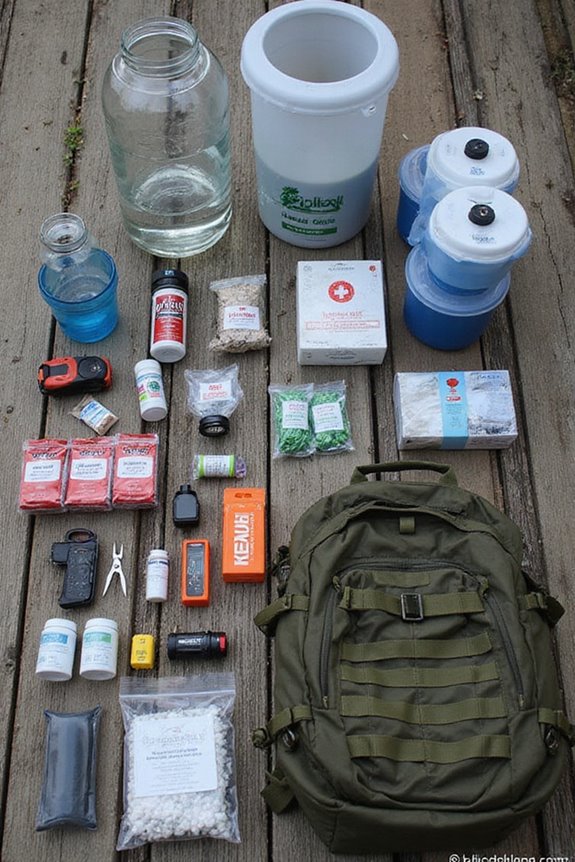
To store emergency water safely, we need reliable containers, like BPA-free plastic ones, and at least one gallon per person per day. Keep your water in a cool, dark place to avoid bacteria growth. Remember to inspect seals and refresh supplies every six months! Don’t forget about our furry friends—make sure they have enough, too. By following these steps, we’ll guarantee our water supply is safe. Plus, there are more tips ahead to help us get even better prepared!
Key Takeaways
- Use BPA-free plastic containers or military-grade options for long-lasting durability and safety of your stored water.
- Store at least 1 gallon of water per person per day, with a minimum of 3 gallons for short emergencies.
- Keep water in a cool, dark place, away from sunlight and heat sources to prevent contamination.
- Replace stored water every 6 to 12 months and sanitize containers before refilling to maintain quality.
- Label containers with storage dates and inspect regularly for leaks or abnormalities in water clarity.
Types of Emergency Water and Storage Containers
When it comes to emergency preparedness, having a reliable water supply is essential, especially since we can’t survive long without it. There are several emergency sources for water, like tap water, bottled water, and even collected rainwater. Each has its perks, but we should always consider container durability. For instance, using 5-gallon stackable containers made of BPA-free plastic is a smart choice. They’re manageable and great for home use.
On the other hand, commercial bottled water is sterile and designed for long shelf life. Let’s not forget about military-grade containers; while pricier, they’re super tough and can handle rough conditions. Ultimately, choosing the right water type and storage containers helps us prepare for whatever comes our way! Additionally, it’s important to ensure that containers are made from food-grade materials to guarantee safe water storage.
Amount and Duration of Water to Store
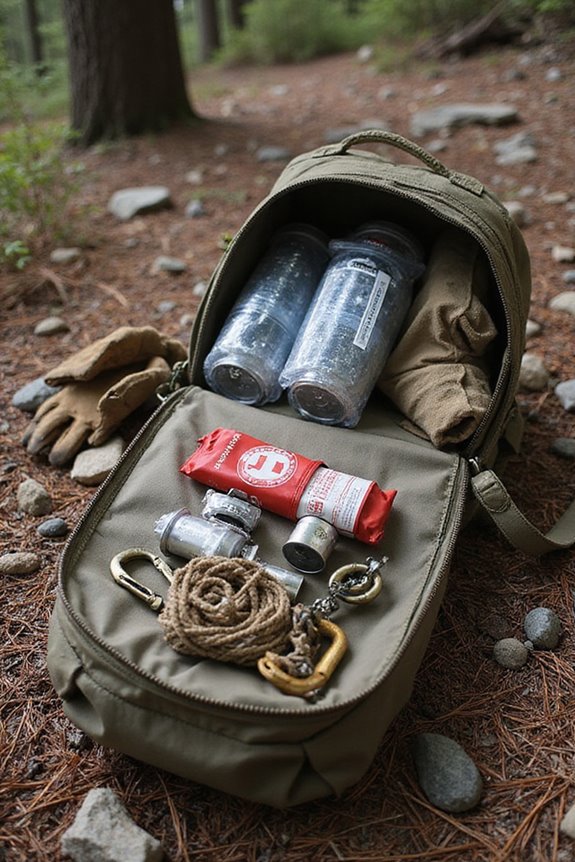
Understanding how much water to store and for how long can really make a difference when preparing for emergencies. We should aim for at least 1 gallon of water per person, per day. This covers our daily hydration needs, cooking, and hygiene. If we’re in hot climates or have pregnant women or ill folks, we may need to store even more.
For short emergencies, let’s plan for a minimum of 3 days’ worth of water; that’s about 3 gallons. In a natural disaster, however, aiming for 2 weeks—around 14 gallons—is wise. Don’t forget our furry friends; they need their share, too! Regularly check and refresh our supplies so we’re always ready when the unexpected happens. Additionally, remember that stored water remains safe for about six months when properly treated and stored.
Storage Location and Conditions
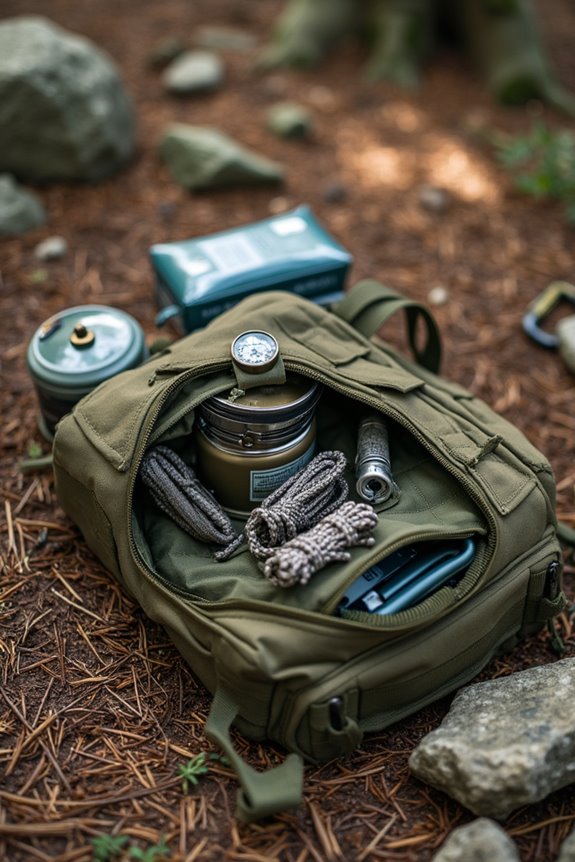
Finding the right spot to store our emergency water is essential, especially since we want it to stay fresh and safe for use. Let’s aim for a cool, dark place, like a basement or closet, keeping it away from direct sunlight. We should also guarantee proper ventilation, so the air circulates, reducing the risk of bacteria and algae.
It’s wise to distribute our water across different areas of the home. That way, if one spot is compromised, we’ve still got access elsewhere. Avoid those heat sources, too. Remember, temperature extremes can degrade our containers. Regular inspections of seals and fittings will prevent leaks and maintain water quality. Check on our water every six to twelve months to maintain freshness. By storing wisely, we’ll keep our emergency water clean and ready for whenever we need it!
Water Replacement and Maintenance
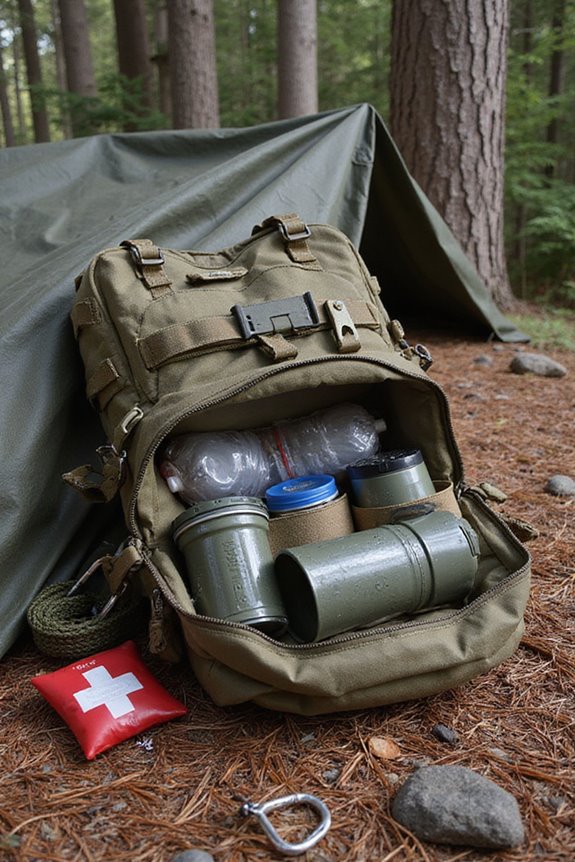
To keep our emergency water safe and revitalizing, we need to stay on top of regular replacement and maintenance. Let’s make it a habit to replace stored water every 6 to 12 months. It is understood that it sounds tedious, but it keeps our water quality high. Make sure to clean and sanitize containers before refilling to eliminate any unwanted guests.
Also, label each container with the storage date. It’s like giving our water a birthday! During inspections, watch out for cloudiness or strange colors; if we see anything off, let’s toss it out. Finally, let’s use older water for cleaning or watering plants to avoid waste. Keeping our supplies fresh might take a little work, but it’s worth it for peace of mind. Using waterproof materials can also enhance your overall preparedness for emergencies.
Water Treatment and Purification for Stored Water
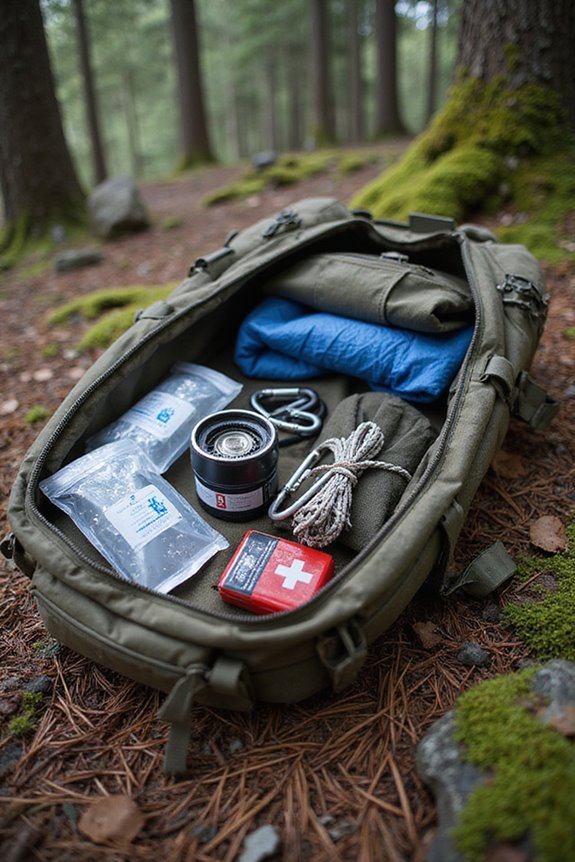
When it comes to keeping our stored water safe, treating it properly is crucial. We can choose several disinfection methods for our water, from boiling to using chlorine bleach. For bleach, we add 4 to 5 drops per gallon and wait 30 minutes—if it smells faintly of chlorine, we’re good! If we boil, it’s simple: bring the water to a rolling boil for a minute, then store it in clean containers. Another option is the solar method; just place clear bottles in bright sunlight for at least six hours. These emergency procedures guarantee our water’s safety, letting us rest easy. Remember, a little effort now means safe sips later! Additionally, using purification methods ensures safe drinking water, especially in emergency situations. So let’s be proactive together!
Additional Preparation Tips
Even though it may seem like a chore, preparing our emergency water storage can greatly alleviate worries later. First, let’s keep our water in cool, dark places—think of it as giving our precious water a nice, cozy home. Using food-grade, airtight containers helps avoid any funky flavors. Remember, labeling our containers with dates guarantees we don’t forget when to refresh them.
For those unexpected moments, having alternative filtration methods handy is wise. Trust me, it’s better to be safe than sorry! We’ll also want to stash our water nearby our emergency supplies for quick access. Additionally, using heavy-duty, food-grade plastic containers can ensure the safety of our stored water, preventing harmful chemical leaching. Finally, regular monitoring keeps us one step ahead of any potential disasters. With these simple steps, we’re not just prepared—we’re empowered!
Special Considerations for Pets and Vulnerable Individuals
Proper hydration is essential not just for us, but also for our pets and vulnerable family members. We need to store at least one ounce of water per pound of our pet’s weight daily. If our furry friends seem stressed, they might require more hydration. Meanwhile, infants, elderly folks, or those who are ill often need over a gallon each day! Since pet hydration isn’t always obvious, let’s keep their water bowl full and check in regularly. We can also maintain a consistent schedule, especially during emergencies. Communicating thirst might be tricky for vulnerable individuals, so let’s proactively offer hydration and guarantee they have access to familiar water sources. Together, we can keep our loved ones refreshed and safe!
Monitoring and Adapting Your Water Storage Plan
Keeping our loved ones hydrated during emergencies isn’t just about having enough water on hand; it’s also about how we monitor and adjust our storage plan. We need to check water quality regularly, including parameters like pH and turbidity, using monitoring technologies like water sensors designed to detect harmful contaminants.
Let’s apply some routine maintenance too! We can set up reminders to inspect our water every six to twelve months, revitalizing disinfectant levels as needed. It’s also smart to store water in a cool, dark place to minimize health risks. By keeping an eye on data trends and adapting our approach, we can guarantee our water stays fresh and safe. Trust us; a proactive plan is better than a reactive one!
Frequently Asked Questions
Can I Use Recycled Containers for Water Storage?
Absolutely, we can consider recycled containers for water storage, but let’s choose wisely! Let’s focus on safe recycling options, selecting container materials like PET or BPA-free plastics to guarantee our water stays clean and healthy.
How Do I Know When Water Has Expired?
To know when water’s expired, we should check for unusual color, odor, or taste—these are clear expiration signs. If we notice changes in water quality, it’s best to discard it for safety.
Is It Safe to Drink Water Stored in Plastic Bottles?
Yes, drinking water stored in plastic bottles can be safe if we guarantee they’re new and undamaged. However, we should always consider water quality concerns and store them away from heat to minimize risks.
What Should I Do if My Water Tastes Stale?
If our water tastes stale, let’s try pouring it between clean containers to aerate it. We might also consider using water filtration systems or adding a splash of lemon for taste improvement. Let’s refresh together!
Can I Store Water Outside My House?
Absolutely, we can store water outside, but we need to take into account temperature fluctuations. Using durable containers and placing them in a cool, dark spot helps avoid contamination and guarantees our water stays safe and fresh.