As an Amazon Associate, we earn from qualifying purchases. Some links on this site are affiliate links at no extra cost to you. Our recommendations are based on thorough research and editorial judgment.

How To Learn Basic First Aid?

Learning basic first aid is vital because it can save lives. First, we should gather a first aid kit with essentials like band-aids, antiseptic, and gloves. Next, we learn key principles like checking for danger and evaluating responsiveness. Familiarize yourself with the DRSABCD action plan—it’s a lifesaver! Practicing skills like CPR and the Heimlich maneuver can make a difference in emergencies. Get hands-on training through classes, and we’re well on our way to being lifesavers! Stay tuned, as there’s more to explore.
Key Takeaways
- Enroll in a certified first aid and CPR course offered by reputable organizations such as the Red Cross or local community centers.
- Read first aid manuals or guides that cover essential skills, techniques, and the DRSABCD action plan.
- Practice hands-on skills, like CPR and the Heimlich maneuver, with a partner to build confidence and proficiency.
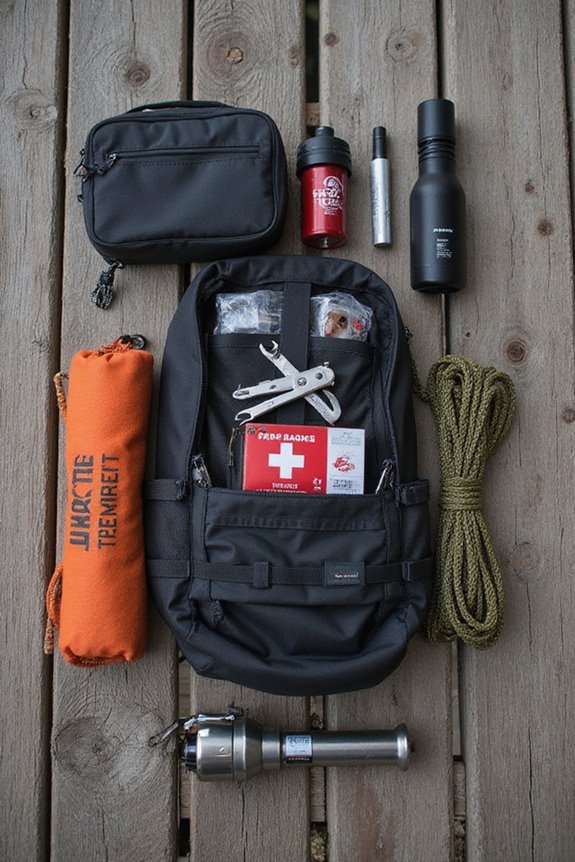
- Familiarize yourself with the contents and organization of a first aid kit to ensure quick access during emergencies.
- Stay updated by attending refresher courses or workshops to maintain your first aid knowledge and skills.
Understanding the Importance of First Aid
When it comes to emergencies, first aid is our best ally. Understanding its importance could mean the difference between life and death. Did you know that almost 59% of accidental deaths could’ve been prevented with timely first aid? Those survival statistics are eye-opening! Imagine having the power to save lives using simple life-saving techniques. Additionally, many first aid kits are designed with organized compartments that promote quick access to essential supplies in emergencies.
Key Principles of First Aid

Five key principles guide us through the sometimes chaotic world of first aid. First, let’s confirm scene safety. We need to make sure our environment is safe before rushing in to help—no good can come from adding to the chaos! Next, we must communicate effectively. This means calmly evaluating the person’s responsiveness while keeping them reassured.
Then, we prioritize our actions: checking airway, breathing, and circulation—those ABCs are lifesavers! If there’s bleeding, direct pressure is our go-to for control. Finally, remember to document everything and call for professional help. By following these principles, we can offer assistance with confidence, knowing we’re doing our best while keeping ourselves and others safe. Additionally, being equipped with high-quality trauma shears can greatly enhance our effectiveness in emergency situations. Let’s be prepared and make a real difference!
The DRSABCD Action Plan Explained
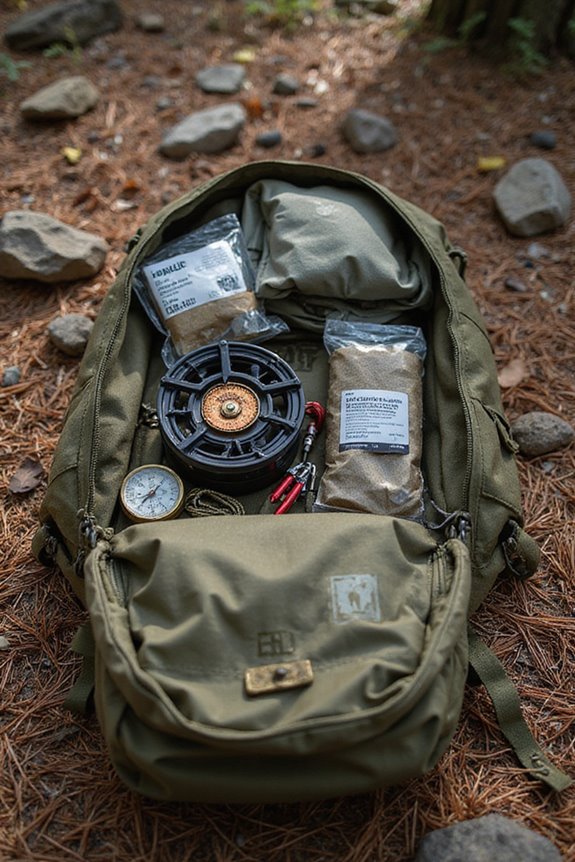
After laying down the key principles of first aid, it’s time we look at the DRSABCD action plan. This handy guide streamlines our emergency response. It starts with “D” for Danger—always check the scene for hazards. Next, we assess “R” for Response; gently shake the person’s shoulder and ask questions using the “COWS” method. If they’re unresponsive, we move to “S” for Send for Help, calling emergency services right away. Then, “A” stands for Airway; clear it if needed, and check for breathing. Finally, “C” means CPR if they’re not breathing, followed by using a defibrillator. This DRSABCD overview helps us act quickly, ensuring we give the best chance of survival to those in need. Additionally, having a well-stocked emergency medical kit is crucial for effectively managing injuries and providing first aid during an emergency situation.
Essential First Aid Skills to Master

Learning essential first aid skills is critical, especially since these abilities can save lives in emergencies. We need to master CPR techniques to keep someone’s heart and brain functioning when every second counts. Understanding the choking response is equally important; we can save someone by using the Heimlich maneuver to clear their airway quickly.
Next, we’ll want to practice bleeding control methods, like applying direct pressure to stop blood flow. Learning how to set a splint can help stabilize broken bones and minimize pain. Additionally, having essential first aid supplies on hand ensures we are prepared to address various injuries effectively. Finally, knowing shock management is essential—positioning someone correctly can greatly impact their recovery. With these skills in our toolkit, we’ll be ready to act and make a real difference when it matters most.
Recommended Products

Highly Absorbent Pads - Dealmed's ABD Combine Pads are meticulously crafted to offer exceptional absorbency. These extra-thick pads are ideal for managing wounds with heavy drainage, ensuring that excess fluids are effectively absorbed and helping to maintain a dry environment for optimal care.
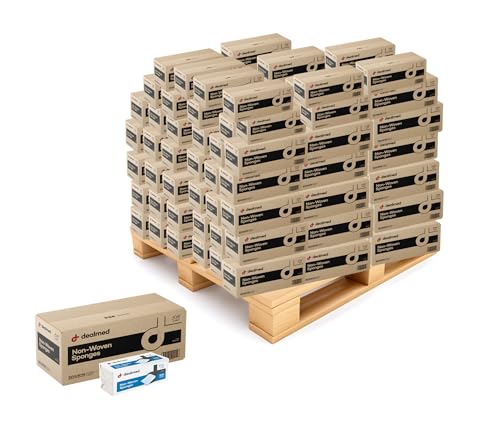
Dealmed 4" x 4" Non-Woven Gauze Sponges, 4-Ply All-Purpose Non-Sterile Gauze Pads, Absorbent Dental Gauze Wound Care for First Aid Kit/Medical Facilities, 200 Count (96 Cases)

BULK SUPPLY FOR HIGH-DEMAND USE – This pallet includes 50 cases, each with 125 instant cold packs, totaling 6,250 packs. Ideal for hospitals, sports teams, first responders, schools, and workplaces that require a reliable, high-volume supply of cold therapy for injuries, pain relief, and emergency medical situations.
Recognizing and Managing Common Injuries
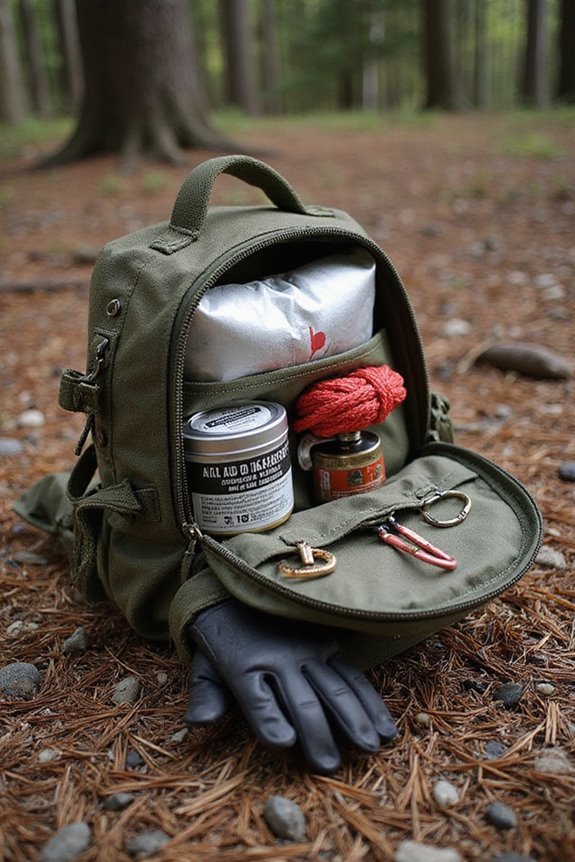
In any emergency, knowing how to recognize and manage common injuries can make all the difference. For bleeding control, we should apply firm pressure with a clean pad or dressing, holding it until the bleeding stops. If we encounter a minor cut, we can clean the area with soap and water before using antibiotic ointment and a bandage—just remember, no hydrogen peroxide! It’s especially important to know about antibiotic ointments that can help prevent infections in minor wounds.
For more severe wounds, it’s vital to control bleeding quickly and seek professional help. When it comes to burns, let’s cool the area under running water, removing any tight clothing. Finally, if we sprain or fracture something, we must immobilize it and seek medical attention. It’s about keeping ourselves and others safe while staying calm.
Recommended Products

Comprehensive Emergency Kit: Includes adhesive plastic bandages, triple antibiotic ointments, BZK antiseptic towelettes, gauze roll and pads, gloves, scissors, tweezers, and other multi-use first aid items including a 4-ounce eye wash

ALL THE HOME FIRST AID KIT SUPPLIES YOU NEED AND WANT: Each Individual Pack comes with: 4 – Assorted Sized First Aid Bandages, 2 – 2 x 2, 12 Ply First Aid Gauze Pads, 1 – Antiseptic Wipe, 1 – Burn Gel, 1 – Triple Antibiotic Ointment, and 1 - 70% alcohol hand wipe all packed together in a convenient to carry mini plastic Zip Top bag.

𝐏𝐑𝐄𝐌𝐈𝐔𝐌 𝐐𝐔𝐀𝐋𝐈𝐓𝐘 𝐂𝐎𝐍𝐒𝐓𝐑𝐔𝐂𝐓𝐈𝐎𝐍: The UniShield 4-shelf metal first aid cabinet boasts durable construction, ensuring long-lasting reliability. The cabinets are made in the USA, but the components are made elsewhere, it provides a sturdy and secure storage solution for your first aid supplies.
Finding First Aid Training Resources and Courses
Approaching any emergency with confidence means having the right training under our belts. Luckily, finding first aid training resources isn’t as intimidating as it sounds! We can explore online course options like those from the American Red Cross, which offer interactive learning at our own pace. If we prefer a bit of hands-on experience, blended courses from the American Heart Association give us that perfect mix of online learning and in-person practice. Additionally, having a compact first aid kit available during your training can help reinforce the skills we’re learning.
Recommended Products

COMPREHENSIVE 10-PIECE FIRST AID KITS: Each individual zip-top pouch is stocked with essentials for minor injury care, including 4 assorted bandages, 2 gauze pads (2" x 2", 12-ply), 1 antiseptic wipe, 1 burn gel packet, 1 triple antibiotic ointment, and 1 70% alcohol hand wipe.
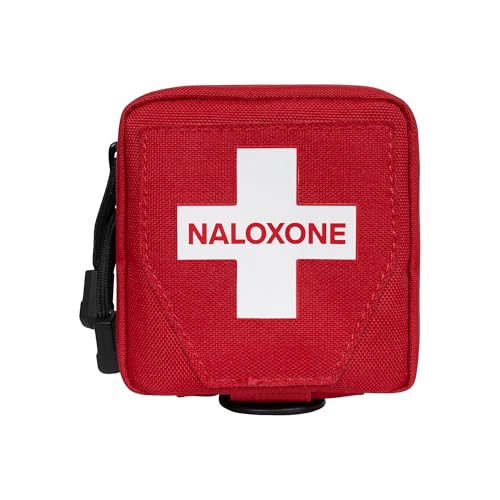
Custom-Fit Storage – Includes elastic straps to securely hold two Naloxone nasal sprays in place and a mesh pocket to store essential accessories like nitrile gloves and CPR breathing shields.

Designed to provide bystanders and initial first responders with quick and easy access to essential medical equipment for stopping life-threatening bleeding
Frequently Asked Questions
Can First Aid Training Be Beneficial for Children?
Absolutely, first aid training can be a superhero cape for our kids, boosting their confidence and emergency preparedness. It transforms them into child safety champions, ready to face any situation with calmness and knowledge.
How Often Should I Refresh My First Aid Skills?
We should refresh our first aid skills every 1 to 2 years. Regular practice keeps our skill retention strong, ensuring we’re ready for emergencies. Let’s not forget, confidence grows through consistent training and familiarity with procedures.
Is First Aid Training Required for Certain Jobs?
Did you know 50% of U.S. employees lack first aid training? For many roles, like healthcare and teaching, first responder requirements are crucial for workplace safety. It’s a critical skill we should all embrace together.
Can I Administer First Aid Without Formal Training?
Yes, we can administer first aid without formal training, though self-taught learning about emergency preparedness is crucial. It’s essential we focus on simple, life-saving actions while recognizing when to call for professional help.
What Personal Protective Equipment Should I Carry for First Aid?
Like knights gearing up for battle, we should carry nitrile gloves, safety goggles, masks, and gowns. These essentials protect us and others, fostering an environment where healing can unfold safely and compassionately.