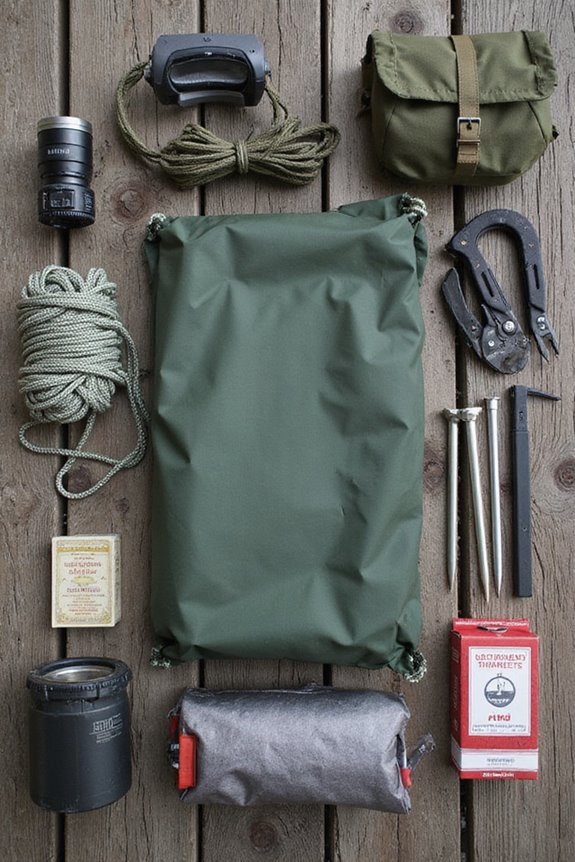
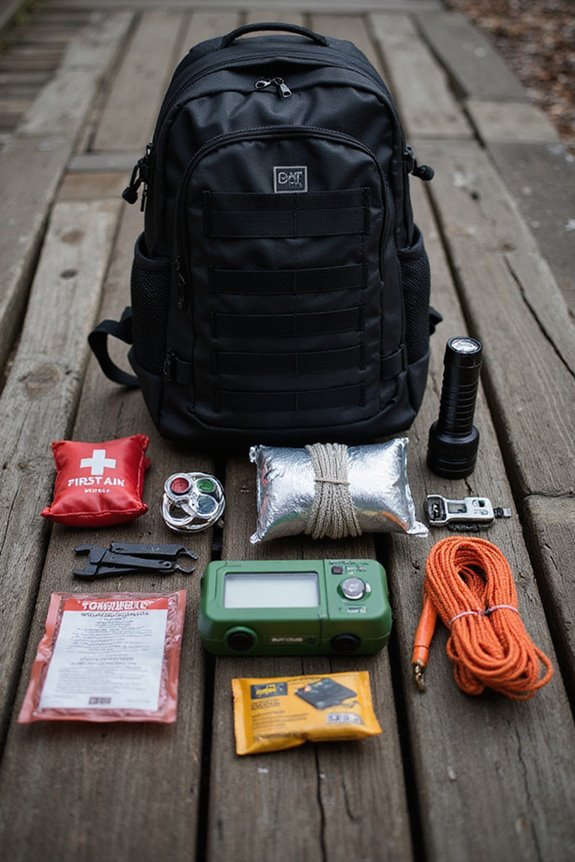
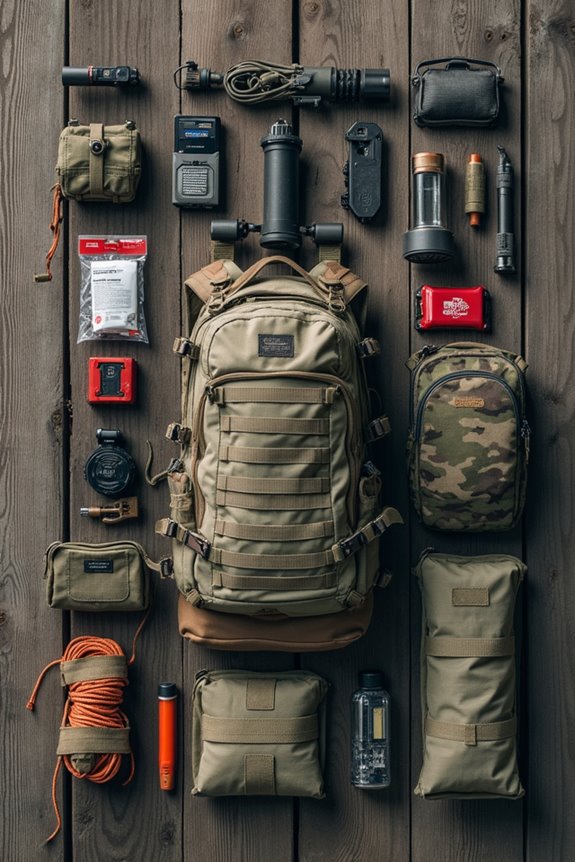
As an Amazon Associate, we earn from qualifying purchases. Some links on this site are affiliate links at no extra cost to you. Our recommendations are based on thorough research and editorial judgment.


What Is A Color Coded Kit System?

A color-coded kit system is a smart way we categorize items using specific colors for easy identification. This helps us stay organized and minimizes mistakes in places like healthcare or during spills. For example, blue kits are for unknown liquids, while yellow ones handle oil spills. By organizing supplies in this way, we work more efficiently and safely. Curious about how to implement this system? There’s more practical information ahead that can really help!
Key Takeaways
- A color coded kit system organizes items using distinct colors for quick identification and minimizes mistakes.
- It enhances safety by providing clear communication of hazards, with specific colors signaling different risks.
- These systems are crucial in emergency preparedness, enabling rapid access to necessary supplies during critical situations.
- Color coding is integral to 5S and Lean management, optimizing efficiency in tool access and reducing errors.
- Effective design considers color harmony, contrast, and emotional impact, ensuring clarity and consistency in communication.
Definition and Purpose of Color Coded Kit Systems
When we think about organizing our tools and supplies, a color-coded kit system can make everything so much easier. This system systematically uses distinct colors to classify items, enhancing visual perception and making it quick to identify what we need. Imagine this: we walk into a room, and each tool is color-coded based on its purpose. It’s like visual psychology in action!
It helps us separate components, minimizing mistakes and cross-contamination, especially in sensitive areas like healthcare. We can quickly categorize items and respond efficiently, boosting our confidence during critical moments. Additionally, being equipped with comprehensive kits that feature first aid supplies and survival tools can further enhance our preparedness. Adding color to our organization isn’t just smart—it’s essential for safety and efficiency. Let’s embrace the vibrant simplicity of color coding to elevate our spaces!
Application of Color Coding in Spill Control Kits

Color coding plays an essential role in organizing spill control kits, and it’s an approach we can all benefit from. With blue, yellow, and red kits, identifying the right absorbents becomes a breeze for our spill response. Blue kits tackle unknown liquids; yellow ones are tailored for oil spills, and red kits help with chemicals like acids. This kit organization means we can grab what we need quickly, reducing errors and keeping everyone safe. Additionally, comprehensive coverage of supplies ensures we are adequately prepared for various spill scenarios.
Recommended Products

❤️【2-Year Ink Supply – 5 Bottles + 500g Powder Included】 Full two-year ink supply – 5 bottles (250ml each) of CMYKWW 6-color ink plus 500g DTF powder. New set every two months, you only cover shipping. Perfect for home business or small business starter kit.

Bright-yellow 50-gallon container stands out so you can locate it quickly

Overpack drum container is UN Rated for shipping waste after spill cleanup
Role in 5S and Lean Management Systems

Effective organization is a cornerstone of success in any workplace, especially when applying 5S and Lean management systems. Color-coded kits greatly enhance visual organization, letting us quickly identify and access tools needed for our tasks. With each color linked to specific purposes, we reduce our cognitive load. Searching becomes faster and more efficient, minimizing errors and wasted time. Additionally, an organized emergency kit can provide quick access to essential supplies, further aiding in operational efficiency during critical situations.
Importance of Safety and Hazard Identification
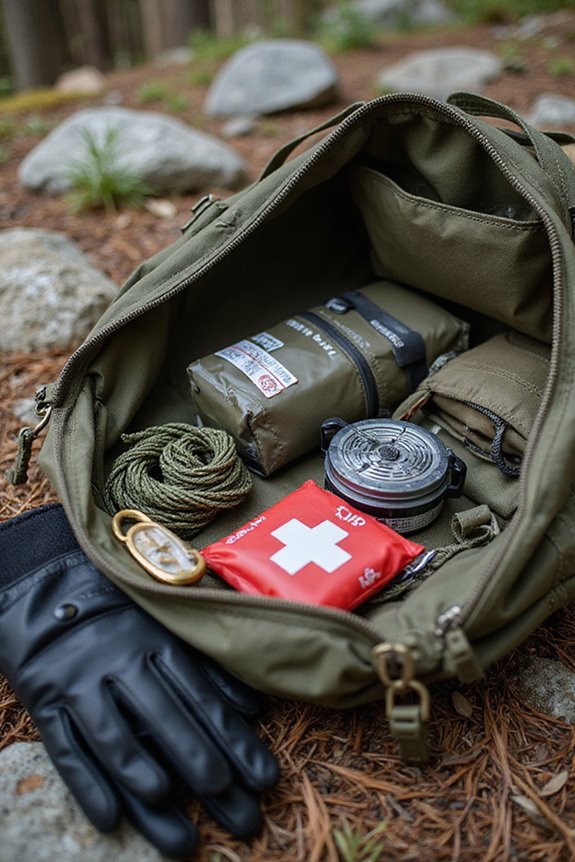
Safety is our shared responsibility, and understanding hazards plays an essential role in protecting ourselves and our coworkers. When we talk about hazard awareness, color coding is a game changer. It provides quick safety communication by using established colors for clear meanings. Red warns us of immediate dangers, while yellow encourages caution.
Imagine seeing a bright orange sign that alerts us to machine hazards—it’s like a friendly nudge to stay alert! Consistent color usage across our workplaces helps everyone identify risks faster, reducing mishaps. As we focus on safety together, let’s embrace these colors for better protection. After all, the quicker we spot hazards, the safer we’ll be! So keep your eyes open, and let’s make safety our priority. Additionally, maintaining emergency preparedness kits ensures that critical supplies are available for unexpected situations.
Components and Standards in Packaging Systems

When we think about packaging systems, it’s vital we remember that the right components can make a big difference. Each element plays a role in guaranteeing safety and efficiency. For example, using colored labels helps with quick identification, while durable materials resist wear and tear from handling.
Color standards are important too—following guidelines like those from ISO or FDA guarantees we minimize confusion, especially in medical settings. We rely on laminated labels that withstand chemicals and moisture, maintaining legibility over time. Plus, color-coded caps can simplify recognizing different product strengths. By coordinating these components, we create a clear, consistent system that fosters safety and reduces errors. It’s not just about color; it’s about clarity! Furthermore, acknowledging the importance of durability in packaging materials enhances longevity and protection against external factors.
Recommended Products

BETTER PACKAGES®. Tape Dispenser

Organizer Set Included: This luggage set includes a 20" carry on suitcase, a 24" checked suitcase, a 28" checked suitcase, and 4 set packing cubes

WIDE WIRE COMPATIBILITY – Supports #12–#10 solid aluminum conductors and #18–#10 solid or stranded copper wires with a maximum voltage rating of 300V and operating temperature up to 105 °C.
Design Considerations for Effective Color Coding
Color coding isn’t just a fancy design trick; it’s an indispensable tool that helps us organize our kits quickly and efficiently. To guarantee color harmony, we should stick to a defined algorithm that considers hue, saturation, and lightness. Consistency is key—using systematic naming helps us communicate clearly and avoid confusion.
When designing, we must prioritize accessibility standards. It’s essential to test color contrast to guarantee readability for everyone. Applying emotional roles to colors—like using red for danger or green for success—adds clarity to our visual hierarchy. Plus, let’s keep our palettes scalable with a range of shades for various states. Remember, balance is critical; avoid overwhelming vibrancy to maintain design consistency. Emergency preparedness kits should also include essential items like NOAA weather radios to enhance safety during emergencies. Happy organizing!
Recommended Products

PREMIUM BUG OUT BAG FOR 2: Developed with first responders, this 72-hour survival kit includes over 60 essentials to help you stay prepared during blackouts, earthquakes, hurricanes, and other real-world emergencies.
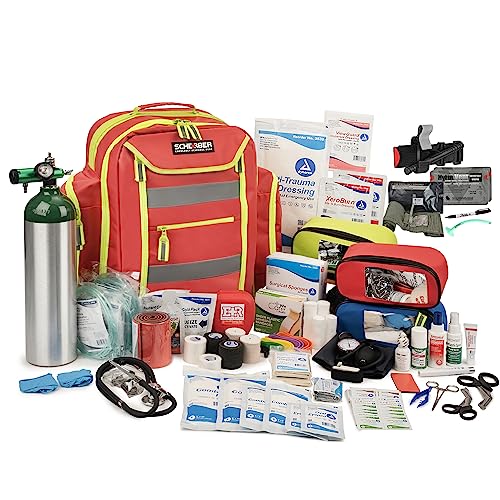
THE PERFECT FIRST RESPONSE BAG| Be Fully Stocked & Ready to Go in Case of Emergency! | High-Performance, HSA/FSA Approved Trauma & Bleeding Backpack Kit Includes Everything Professionals Need to Protect & Serve with Confidence including CAT Tourniquet, QuikClot 4x4 Dressing, HyFin Vent Chest Seal, Israeli Bandage & Oxygen Tank | Perfect for EMT, EMS, Fire, Police, Paramedics & Other Servicepeople | Extra Large Model Measures 22” x 14” x 8”

INCLUDES ALL SUPPLIES: The full contents of the kit are shown and listed in the pictures to the left
Implementation Strategies for Color Coded Kit Systems
Implementing a color-coded kit system can seem intimidating, but with a solid plan, we can make it seamless and effective. First, let’s conduct a workflow analysis to pinpoint where color-coding will shine the brightest. We should consider the best practices: develop a sensible color palette and guarantee color associations make sense in our environment.
Next, let’s invest in training. Clear training sessions will foster buy-in, while quick-reference guides will ease our worries about implementation challenges. Finally, using visible signage will guide us and our teams intuitively.
Recommended Products

Printed Wiring and Full Color Installation Manual: Every wire is printed with the circuit identification and uses Jeep color codes for easy installation; Paired with the highly detailed full color installation manual, Painless makes a tedious task simple
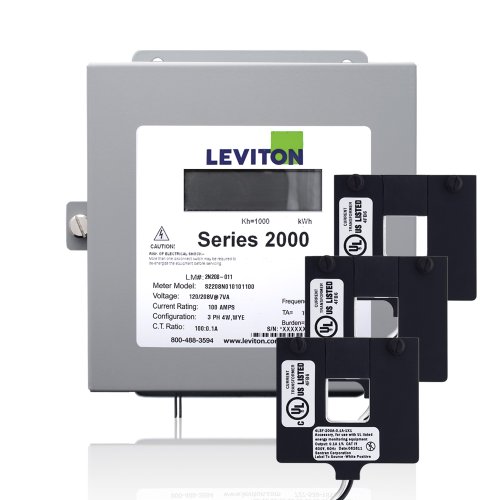
Measures kWh and demand (optional)

Painless fuel injection wiring utilizes all new TXL wire, OEM fitment connectors and grouped harness breakouts making for an easy install and saving you from using old re-worked wiring; Machine crimped terminals match OE quality
Ongoing Maintenance and Updates for Color Coded Systems
Ongoing maintenance and updates for color-coded systems are essential for keeping our operations running smoothly. To achieve this, we need to perform routine audits. These help us guarantee our color-coded kits are intact, organized, and compliant, preventing errors and confusion.
Also, don’t forget systematic cleaning! Regularly cleaning and replacing worn labels boosts clarity and functionality.
As our needs evolve, we might need to adjust color codes. Keeping things simple is the key, as is training everyone on these changes.
Let’s make certain our documentation remains current, reflecting any updates. By doing all this, we truly support our team’s efficiency and maintain a seamless workflow in the workplace. After all, it’s all about keeping things colorful and compliant!
Frequently Asked Questions
How Can Color Coding Enhance Team Collaboration During Emergencies?
Color coding enhances our team dynamics during emergencies by aligning our emergency preparedness. It offers clear, instant cues, allowing us to communicate non-verbally and work together seamlessly, reducing chaos and fostering a united, effective response.
Are There Specific Industries That Benefit Most From Color Coded Systems?
We believe that healthcare, particularly in hospital sanitation, and manufacturing efficiency industries benefit immensely from color-coded systems. They help streamline processes, enhance safety, and foster collaboration, making our environments more effective and organized for everyone involved.
Can Color Coding Fail to Work in Certain Environments?
Yes, color coding can fail in certain environments. We’ve seen how color blindness and cultural differences affect understanding. Let’s keep these factors in mind to guarantee everyone can effectively utilize the color-coded systems we implement together.
What Are the Costs Associated With Implementing a Color Coded System?
Have you ever wondered about the true costs of implementing a color coded system? We face implementation expenses and ongoing maintenance, which can add up quickly, making budget planning essential for our collective success.
How Does Color Coding Contribute to Employee Training Programs?
Color coding boosts employee engagement and training retention by providing clear, visual cues that simplify learning. It creates a relatable environment, helping us all grasp complex tasks quickly and confidently, fostering team cohesion and understanding.