As an Amazon Associate, we earn from qualifying purchases. Some links on this site are affiliate links at no extra cost to you. Our recommendations are based on thorough research and editorial judgment.


How Often To Inspect Tents?

We should inspect tents regularly to guarantee safety and compliance. Generally, a full inspection is vital before any event, especially if we expect over 50 people. For setups under 180 days, regular checks are imperative. Also, after heavy weather, inspect the tent for stability and fabric condition. Trust us; it’s worth it to avoid accidents! By staying on top of inspections, we’ll keep everything running smoothly. And there’s more to uncover about maintaining our tents effectively!
Key Takeaways
- Conduct a full inspection before the tent opens to ensure safety compliance, especially for events with over 50 occupants.
- Regular checks are essential if tent use is under 180 days to maintain stability and safety.
- Prolonged-use tents require frequent inspections, especially after adverse weather conditions.
- Perform routine maintenance checks to assess fabric condition, frame integrity, and emergency access routes.
- Schedule surprise inspections to identify hidden issues and ensure ongoing equipment reliability throughout the event.
Regulatory Requirements for Tent Inspections
When it comes to inspecting tents, there are crucial regulations we all need to know. First, let’s chat about permit requirements. If our tent is over 900 square feet or has more than 50 people, a permit is a must. We should also remember that if tents are less than 12 feet apart, they’re considered one big tent!
Regular inspections are key for tent safety too. At least twice during the event is ideal. And if we’re using the tent for under 30 days, some rules might be simplified. Don’t forget—keeping those documents clear and updated is essential. It’s like a backstage pass ensuring everything runs smoothly, making our gatherings safe and enjoyable! Additionally, durable materials are crucial for ensuring tent longevity and safety during use.
Pre-Event Inspection Necessities

Before we plunge into the heart of pre-event inspections, it’s crucial to remember that a well-examined tent can make all the difference in keeping our guests safe and happy. Let’s grab our pre-event checklist and delve into essential inspection protocols.
First, we need to check the tent’s fabric for any tears or worn spots. Next up, we need to inspect the frame for cracks or corrosion – we want it standing tall, not doing the limbo!
Let’s verify emergency access routes are clear, and the ground isn’t prone to flooding. We should also confirm our sanitation stations are ready to keep everyone clean. Finally, checking signage and emergency exit pathways ensures we’re covered if an unexpected situation arises. A thorough inspection can turn potential chaos into a smooth event! Additionally, verifying the waterproof rating of the tent ensures it can withstand unexpected weather changes during the event.
Frequency of Inspections for Temporary Tents
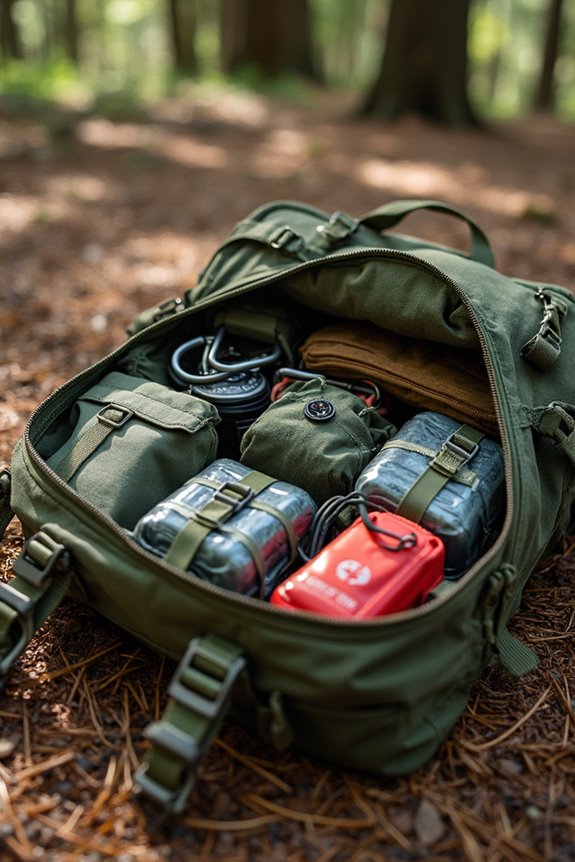
It’s no secret that inspecting temporary tents regularly is crucial to keeping everyone safe and sound. When we set up a tent, we must complete a full inspection before it opens to attendees. This checks for compliance with safety codes, especially if the tent occupancy reaches 50 or more people. After installation, we verify structural and fire safety measures before anyone enters.
We also need inspections at various stages, especially if the tent will be used for under 180 days. Regular checks guarantee structural integrity, fire safety compliance, and emergency access. Remember, proper installation procedures mean the tent’s anchored securely, so it can withstand winds. Emergency kits should be readily available to handle any unforeseen situations that may arise during an event. Let’s stay vigilant and keep our events safe and enjoyable for everyone involved!
Conditions for Prolonged Use Inspections
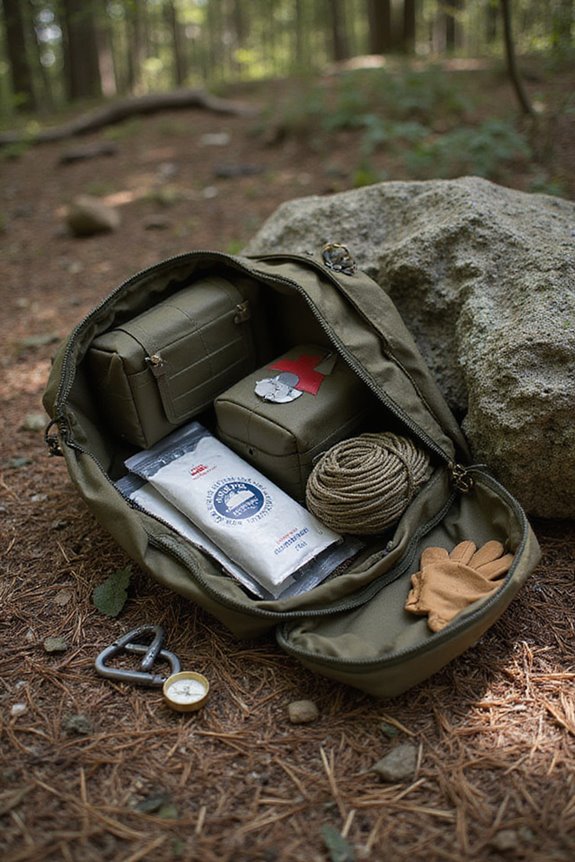
We can’t overlook the need for regular inspections when it comes to prolonged use of tents. Keeping an eye on tent stability is essential, especially after heavy rain or strong winds. They can loosen stakes and ropes, making it important to use our inspection checklists frequently.
We should check the fabric for wear and re-tension the tent regularly to avoid sagging. Additionally, let’s inspect our poles and frames for any damage that might compromise strength. And, don’t forget to monitor weather forecasts—humidity and temperature can affect the fabric. Regular cleaning is vital to maintain the fabric integrity of your tent for long-lasting use.
Ongoing Compliance Checks During Event Occupancy
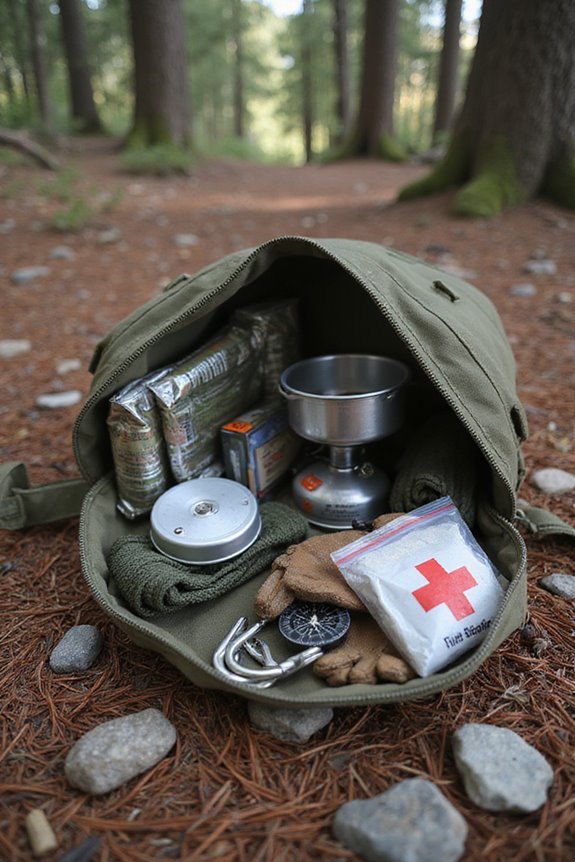
While hosting an event can be exciting, we can’t forget that ongoing compliance checks for tents are essential to guarantee everyone’s safety. Regular inspections—at least two during our permit use—help us spot and fix hazards. These ongoing assessments focus on things like tent stability and fire safety features, ensuring everything’s in tip-top shape.
We’ll need trained inspectors on-site to make sure we’re following safety guidelines. They’ll continuously monitor, ready to address any issues that pop up. It’s like having a safety net, keeping our guests secure while we enjoy the festivities. Remember, documentation is key! Reports show what’s been checked and any problems found. Keeping organized helps prevent surprises, so let’s make safety a priority! Additionally, just as with water purity assurance, having a thorough checklist can help maintain standards throughout the event.
Importance of Surprise Inspections
Surprise inspections play an essential role in maintaining the safety and integrity of our tents. They reveal hidden issues that regular checks might overlook. Plus, they come with surprise benefits, like enhancing safety and ensuring we stick to protocols, which minimizes accidents. Regular testing of equipment, much like that used in emergency lighting options, is crucial for optimal performance.
Key Structural and Safety Components to Examine
Inspecting the tent’s key structural and safety components might feel like a chore, but it’s essential to confirm everything’s in tip-top shape. We want to make certain our fabric remains durable, so let’s check for any tears or punctures that could compromise its strength. Look at the seams and stress points for wear, and make sure the fabric’s tension keeps it sag-free.
Next, we should examine the tent’s frame and anchoring system. Verify all poles and connections are solid, with no cracks or corrosion. Finally, don’t forget about emergency preparedness. Verify that exit flaps open smoothly and that emergency equipment is easily accessible. Regular inspections help protect our safety and enhance our camping experience.
Weather-Related Inspection Triggers
When we think about camping, we often picture serene landscapes and starry nights, but weather can be a real game-changer for our tents. When the winds pick up or rain begins to fall, we need to be proactive with our inspection protocols. Strong winds can loosen our stakes, while pooling rain can strain our tent structure, so let’s check those anchor points regularly. If snow starts piling up, keep a close eye on it—removing it right away can save us from disaster. Remember, after an intense weather event, it’s vital to re-tension everything and inspect for any damage. By staying on top of these weather impacts, we’ll guarantee our camping experience remains safe and enjoyable.
Tent Usage Duration and Its Impact on Inspections
As we plan our camping trips, it’s crucial to think about how long we’ll be using our tent and how this affects our inspection needs. For temporary tent usage under 180 days, we usually just need a quick initial inspection before using it. However, if we set up a tent for longer, like over 180 days, we’ll find that inspection frequency changes—be prepared for more regular checks.
Excessive time outdoors can lead to wear, like fabric degradation or tired poles. So, let’s get into the habit of inspecting before each major use, especially for events with large groups. Staying on top of these details keeps us safe and guarantees our tent remains cozy for our adventures together!
Documenting Inspection Results
After checking our tents for safety and wear, we’re ready to document our findings. We can’t overlook the importance of accurate records—we want everything in order. Let’s start with using smart documentation methods like inspection templates tailored for tents. These templates should include the inspection date, tent size, and even those critical flame retardancy certificates.
It’s important to note our findings as pass or fail based on local fire codes. Any mechanical hazards? We’ll jot those down, too. For extended setups, we should keep updating our logs regularly; monitoring is key! Remember, digital records are great for quick access, but having paper copies handy on-site is our safety net. Let’s keep things organized—it’s all about compliance and safety!
Camping Tent Maintenance Practices
Camping tent maintenance practices are essential for ensuring our gear lasts through many adventures. To keep our tents in top shape, we should inspect the canvas after every trip, focusing on seams and stress points. Regularly checking poles for cracks is key too.
For tent canvas care, we need to clean thoroughly using just mild soap and lukewarm water—nothing harsh! It’s wise to dry tents completely before packing them away, avoiding mold.
Don’t forget waterproof coating maintenance! A durable water-repellent spray can help after cleaning. By taking these simple steps, we’ll keep our tents ready for whatever the great outdoors throws our way. Isn’t it nice to know our gear can keep up with our wandering hearts?
Manufacturer Guidelines for Tent Inspections
When we talk about tent inspections, following a few solid manufacturer guidelines is key to keeping our gear in shape. First, we should check the entire structure, looking for any unevenness or defects in the fabric and stitching. It’s time to assess zippers and other components to guarantee they operate smoothly.
Next, let’s remember those inspection intervals! Regular checks on pipes, connectors, and the accessories will help spot issues early. According to inspection best practices, we should even conduct functional testing, like opening and closing the tent frame multiple times.
Finally, don’t forget to verify safety certifications on the fabric! Keeping on top of these will guarantee our tent adventures are safe and enjoyable—because who wants an unexpected “tent surprise”?
Risk Management Through Compliance Tracking
Every time we set up a tent, we’re not just pitching a shelter—we’re also taking on the responsibility of ensuring safety and compliance. To manage this, we need to embrace risk assessments and compliance metrics. By centralizing our tracking systems, we can keep all relevant codes and inspection schedules in one place. Imagine automated reminders popping up, letting us know when it’s time for inspections.
Before we even start setting up, let’s assess the site to spotlight any compliance risks. Keeping organized documentation is key; it allows us to back up our safety practices with proof. By taking these steps, we streamline tent management and keep our events safe and compliant. After all, a safe event is a successful event!
Frequently Asked Questions
What Qualifications Do Inspectors Need for Tent Inspections?
To guarantee safety, we need inspectors with proper certification, knowledge of tent inspection standards, and experience in fire codes. They must understand structural safety and maintain ongoing education to stay current with regulations.
Are There Specific State Laws Regarding Tent Inspections?
Yes, state regulations often outline specific tent inspection laws, varying by jurisdiction. We should always check our local codes to ascertain compliance, as these laws guarantee the safety of everyone enjoying our gatherings.
How Do I Prepare for a Tent Inspection?
To prepare for a tent inspection, we should create an inspection checklist, ensuring all fire codes are met. Let’s also follow some tent maintenance tips to guarantee safety and compliance during the event.
What Should I Do if My Tent Fails Inspection?
If our tent fails inspection—which happens to 20% of events—we must swiftly assess our inspection checklist and explore tent repair options. Let’s communicate with all involved, ensuring safety measures are prioritized for future success.
Can I Perform My Own Tent Inspection?
Yes, we can perform our own tent inspections! Following a thorough inspection checklist helps maintain our tent’s condition, but we must still guarantee compliance with safety regulations and seek professional inspections when required.