As an Amazon Associate, we earn from qualifying purchases. Some links on this site are affiliate links at no extra cost to you. Our recommendations are based on thorough research and editorial judgment.

How To Store Pet Food For Emergencies?

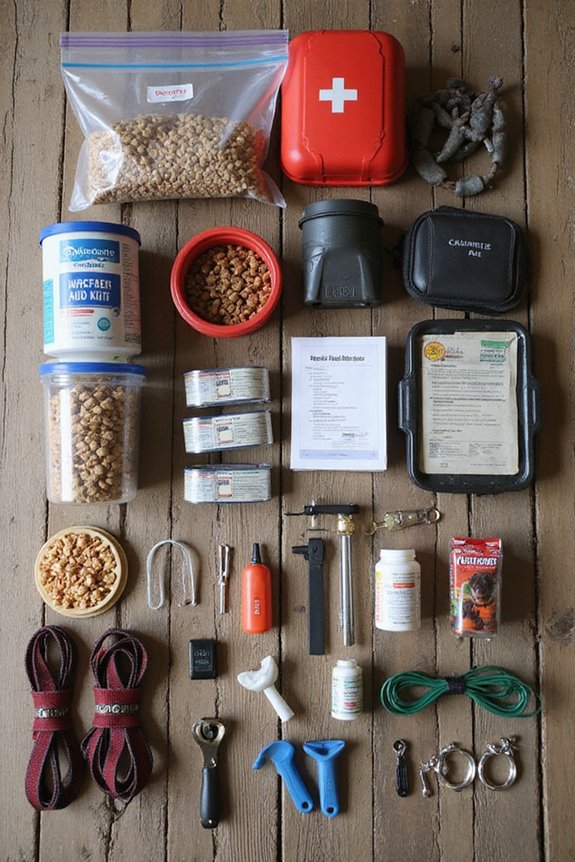
When storing pet food for emergencies, we should focus on keeping it fresh and safe. Use airtight containers to protect dry food from moisture and bugs. Store cans in a cool, dark place, and remember to check for dents or rust. Rotate stock regularly, so our pets don’t get bored. Always plan for a three-day water supply—each pet needs around half an ounce per pound of body weight daily. Let’s make sure our furry friends are well-prepared! There’s more to ponder ahead.
Key Takeaways
- Store canned pet food in a cool, dry place away from sunlight, and refrigerate opened cans for no longer than a week.
- Keep dry pet food in airtight containers to protect against bugs and moisture, storing it below 80°F for optimal preservation.
- Rotate stock regularly to ensure food stays fresh and pets remain interested in meals.
- Calculate and store at least three months’ worth of food and a three-day supply of clean water for each pet.
- Label containers clearly to avoid confusion and monitor expiration dates to ensure all supplies remain safe and effective.
Types of Emergency Pet Food to Consider
When the unexpected happens, we need to be ready to take care of our furry friends. First, let’s consider high-quality dry kibble. It’s easy to store and lasts a long time. But we shouldn’t stop there! Canned food is another option; it’s tasty and provides moisture for pets who need it.
We can also think about adding nutrient alternatives, like cooked meats—no additives though, please! Don’t forget fruits and veggies that are safe for our pets, like cooked carrots and apples without seeds. Finally, some plain porridge or cooked rice can be helpful. Keeping a variety guarantees we meet their nutritional needs and keeps their spirits high during tough times. Additionally, maintaining a long shelf life for your pet food options ensures preparedness for emergencies. Let’s prep wisely!
Canned Pet Food: Benefits and Storage Tips

Canned pet food is a fantastic option for keeping our furry companions well-fed during emergencies. These canned varieties not only boast a long shelf life but also provide essential moisture benefits to keep our pets hydrated. We can store them in a cool, dry place, just away from sunlight, to guarantee they last.
When we open a can, let’s remember to refrigerate the leftovers and use them within a week. Regularly check for any dents or rust, as they can spoil our food, and rotate our stock, using the oldest cans first. With a range of flavors, it’s easy to maintain our pets’ diets. Plus, it’s a quick meal—perfect when we need to act fast! Additionally, it’s important to consider proper storage methods to ensure that our pet food remains safe and nutritious during emergencies.
Dry Pet Food: Maximizing Shelf Life
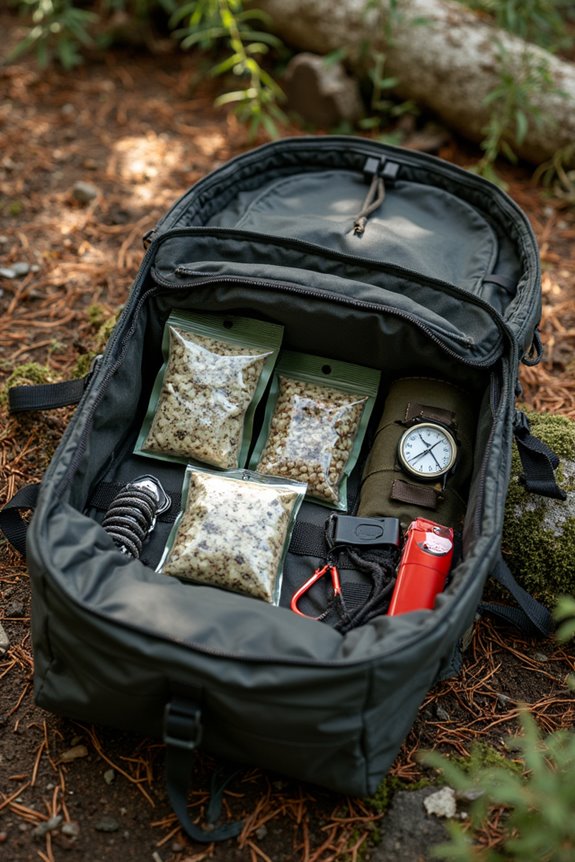
After covering how to store canned pet food, it’s time to focus on dry pet food, which is often the go-to option for many pet owners. To maximize shelf life, we need to store it in an airtight container. This simple step protects against bugs and moisture. Ideally, we should keep our kibble in a cool, dry location below 80°F to guarantee nutrient preservation. High temperatures can spoil the food quicker than a dog can steal a treat! Additionally, considering multiple power sources for your emergency needs can ensure we are prepared for any unexpected situation.
Special Diets for Pets With Health Conditions

Many pets face health challenges that require special dietary considerations. For those with food allergies, limited ingredient diets can help eliminate common triggers, giving our furry friends relief from itching and stomach upset. Pets with kidney disease benefit from renal diets that lower protein and phosphorus to ease kidney workload. Diabetic pets thrive on high-fiber, low-simple carbohydrate diets for better blood sugar control. If our pets struggle with urinary issues, prescription diets can help prevent stones and manage pH levels. Finally, diets for joint health often include omega-3 fatty acids and glucosamine to relieve pain. It’s vital to consult a veterinarian to tailor the right diet to our pet’s needs, ensuring they live a happy, healthy life! Additionally, preparing a comprehensive emergency kit for your pets that includes special food can help ensure they receive the necessary nutrition during emergencies.
Importance of Supplements and Medications
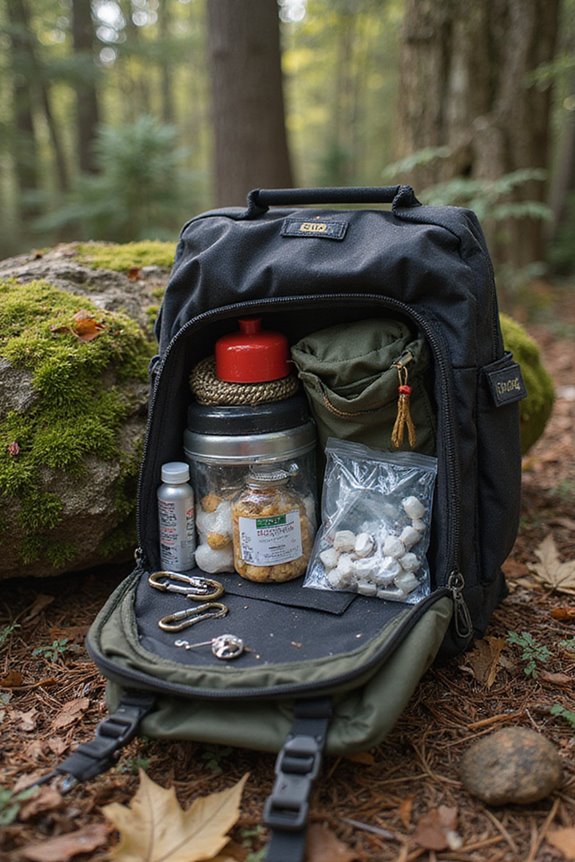
When emergencies strike, being prepared means knowing the importance of keeping supplements and medications on hand for our pets. We can’t predict when a crisis will hit, but we can guarantee our furry friends have what they need. Supplements offer crucial benefits, helping maintain nutrient balance when their regular diet is disrupted. Probiotics can support their digestive health, especially when they’re stressed. A well-considered storage plan can ensure easy access to comprehensive emergency kits containing necessary pet supplies during such times. Let’s not forget about medication management! A significant number of pets rely on meds for ongoing health issues. Storing at least a two-week supply can avoid a stressful scramble later. Plus, keeping medications labeled and in safe containers prevents mix-ups. Overall, a little planning now goes a long way in protecting our pets during tough times.
Calculating Water Supply for Your Pets
How much water do our pets really need? For healthy pets, it’s about ½ to 1 ounce of water per pound of body weight daily. So, if we have a 20-pound furry friend, that’s 10 to 20 ounces of water! In emergencies, FEMA recommends having at least a 72-hour water supply. This means 5 gallons for a medium-sized dog!
Stress can boost hydration needs, so we must keep water accessible. It’s essential to use familiar bowls since they’ll feel more comfortable drinking. Additionally, storing your pet’s water in durable containers ensures it remains safe and accessible in case of emergencies.
Let’s also remember to store clean, purified water safely. Rotate it every year to avoid stale water. With these emergency supplies ready, we’ll guarantee our beloved pets stay hydrated and happy during tough times!
Best Storage Containers for Pet Food
Finding the right storage container for pet food can seem overwhelming, but it doesn’t have to be! Let’s choose wisely. Airtight plastic containers are a great option to keep that kibble fresh. Make certain these container materials are BPA-free for our furry friends’ safety. For bulk storage, large plastic pails are a solid choice.
Adding Mylar bags inside these containers can offer extra protection against moisture. And don’t forget about food labels — transparent sides or labeling allow us to check expiration dates effortlessly.
Containers with wheels or handles make it easy to move, especially during emergencies. So, let’s make sure we get durable, easy-to-clean storage that keeps our pets happy and well-fed! After all, a well-fed pet is a happy pet!
Creating an Optimal Storage Environment
To create an ideal storage environment for our pets’ food, we need to focus on keeping it cool, dry, and safe from pests. We should aim for a storage temperature between 40°F and 80°F. This avoids nutrient loss and keeps our furry friends’ meals fresh.
For humidity control, it’s crucial to store food in low-humidity areas. You know those damp corners of the basement? Let’s steer clear! Using airtight containers helps keep moisture at bay, and let’s not forget to reseal opened bags quickly.
We must also choose dark spots to store this precious food, avoiding direct sunlight like it’s our least favorite question at the vet’s office. Following these tips guarantees our pets enjoy every bite!
Maintenance and Rotation of Emergency Pet Food
When we think about our pets’ well-being, especially during emergencies, it’s essential to have a solid plan for maintaining and rotating their emergency food supplies. To keep things fresh, we should stick to rotation schedules, checking every six months. This helps guarantee quality and prevents spoilage.
Storing food in airtight containers in a cool, dry place is key. Don’t forget to label them with purchase dates—it’s a little detail that goes a long way! Regularly inspect for spoilage signs like off smells or discoloration, so we realize when to replace items. By keeping an eye on our supplies, we’re making sure our furry friends stay happy and healthy, even when the going gets tough!
Understanding Dietary Restrictions for Pets
How do we guarantee our pets thrive with the right diet? Understanding dietary restrictions is key. Some foods, like grapes and onions, can cause serious food toxicity. They can harm our pets even in small amounts. We must pay attention to dietary sensitivities each pet might have, as some proteins or additives in commercial foods can trigger allergies.
Transitioning to a new food gradually is crucial to avoid digestive issues. We should focus on high-quality ingredients, steering clear of fillers and too much fat—especially if our pets are prone to pancreatitis. Choosing the right diet isn’t just smart; it’s an act of love to verify our furry friends stay healthy and happy!
Emergency Preparedness Planning for Pet Care
Although we all hope for sunny days, being prepared for unexpected situations is crucial for our pets’ well-being. To kick off our emergency preparedness planning, let’s gather those emergency pet kits. We can start with food sourcing—aim to store at least three months’ worth of supplies, using airtight containers for protection.
Don’t forget essential items like manual can openers and medications. We should also keep an eye on expiration dates; nothing ruins a good emergency like stale kibble! Regular check-ins and rotations will help us stay organized.
Let’s make sure our pets remain hydrated too! A three-day water supply, tucked into clean containers, will keep them refreshed. With a little effort, we’ll have peace of mind knowing we’re ready.
Addressing the Needs of Multiple Pets
Whether we like it or not, having multiple pets means we need to be extra mindful of their unique needs, especially during emergencies. First, let’s calculate their daily food requirements together. Consider using your veterinarian’s advice to determine how much food each pet needs, and multiply that by the number of pets.
Next, we can’t forget the different pet food types. Canned, dry, and freeze-dried options each have their benefits. We should also think about their specific nutritional needs.
To avoid confusion, let’s use labeled containers for each pet’s food. Finally, remember to store enough water—about two liters per dog and one per cat daily. A well-prepared pantry helps us keep our furry family happy!
Strategies for Slow Accumulation of Food Supplies
As we start thinking about slowly building our pet food supplies, it’s important to remember that every little bit helps. We can make smaller, incremental purchases—like adding just 2-3 extra cans of wet food with each regular shopping trip. This way, we won’t break the bank while steadily accumulating enough canned food to last us up to a year.
Using budgeting strategies, we can plan these purchases into our routine. Plus, repackaging dry kibble in airtight containers keeps it fresh longer. Remember to rotate stocks regularly, too. By tracking our inventory and keeping an eye on expiration dates, we’ll guarantee our furry friends always have a safe, reliable food supply when they need it most. Let’s tackle this together!
Keeping Your Pet’s Food Accessible
When it’s time to think regarding keeping our pets’ food accessible, we don’t want to complicate things. First, let’s store their food in easily reachable spots, like our pantries or garages. We want quick access—especially during emergencies!
Using clear, visible labels makes identifying containers a breeze. We should use manageable-sized storage solutions, so we don’t trip over heavy bags when we’re in a rush. Don’t forget to take into account ergonomic tools for lifting those bigger containers.
And if we’ve got special diets, let’s clearly mark those too! Let’s make sure pet food accessibility is a priority, so we can grab what we need without scrambling. It’s all about keeping our furry friends happy and fed, even in a pinch.
Documentation and Record Keeping for Pet Health
Storing pet food is just one part of caring for our furry friends; keeping track of their health records is another responsibility we can’t overlook. We need to make certain we have accurate records like vaccination reminders and health certificates. These documents verify vaccinations and confirm our pets are fit for travel during emergencies.
To stay organized, let’s create an emergency binder. This can include copies of health certificates, vaccination history, and our vet’s contact info—just in case.
We should store these records in waterproof containers to protect them. Remember to review and update them regularly! Keeping everything organized helps us find what we need quickly when it matters most. After all, a little preparation means a lot of peace of mind!
Frequently Asked Questions
How Much Pet Food Should I Store for Emergencies?
Did you know dogs typically need 1.5–2.5% of their body weight in food daily? For emergency preparedness, let’s store at least a two-week supply of pet food quantity for our furry friends’ well-being.
Can I Use Regular Containers for Dry Pet Food Storage?
No, we shouldn’t use regular containers for dry pet food storage. They’re often unsafe and not food-grade. Let’s invest in proper airtight food containers to keep our furry friends’ food fresh and safe.
How Often Should I Check Pet Food Expiration Dates?
We should check our pet food expiration dates monthly, setting expiration reminders for food safety. By staying vigilant, we can guarantee our furry friends enjoy fresh, safe meals every time. Let’s prioritize their well-being together!
What’s the Best Way to Dispose of Expired Pet Food?
It’s ironic, but expired food disposal can bring life to our soil. Let’s consider composting pet food—just make sure it’s free of harmful additives. Together, we can turn waste into something nurturing for our planet.
How Do I Transition My Pet to Emergency Food?
To smoothly shift our pets to emergency food, we should mix it with their regular food gradually over 7-10 days. This gentle approach helps guarantee their comfort while we’re prioritizing our emergency preparedness.