As an Amazon Associate, we earn from qualifying purchases. Some links on this site are affiliate links at no extra cost to you. Our recommendations are based on thorough research and editorial judgment.

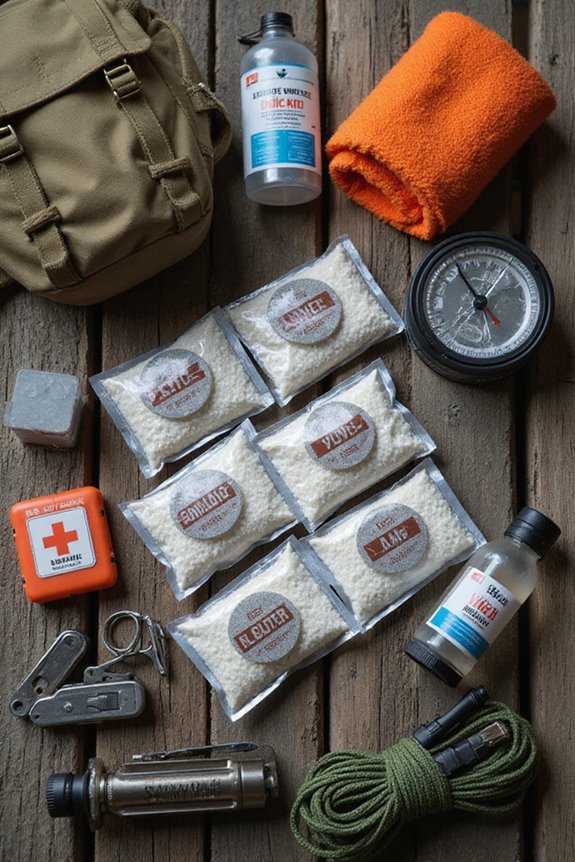
What Is A Desiccant Pack For Storage?

A desiccant pack is a moisture-absorbing tool we use to keep our stored items dry and safe from damage, like mold or rust. Designed with materials like silica gel or clay, they trap humidity using weak forces. We find them in food packaging, electronics, and even emergency kits. Regularly checking these packs helps us prevent saturation and maintain effectiveness. Stick around, and we’ll uncover more tips on how to make the most of these handy moisture warriors!
Key Takeaways
- Desiccant packs absorb moisture to protect stored items from damage like mold, rust, and spoilage.
- Common types include silica gel, bentonite clay, molecular sieves, and calcium chloride, each with specific applications.
- They are essential for maintaining the shelf life of food, pharmaceuticals, and electronics.
- Desiccants can be reactivated for reuse, reducing environmental waste when stored properly.
- Signs of saturation include color changes or crumbling, indicating the need for replacement.
Definition and Purpose of Desiccant Packs
When we think about safeguarding our valuables during storage, desiccant packs often come to mind. These handy little pouches are designed to absorb moisture, ensuring our items stay safe from damage. So, what are desiccant pack functions? They work by using moisture absorption techniques to gather water vapor and prevent issues like mold, rust, and spoilage. Long shelf life is crucial for maintaining the freshness of stored items, much like how it is important for emergency food supplies.
Common Types of Desiccants Used in Packs
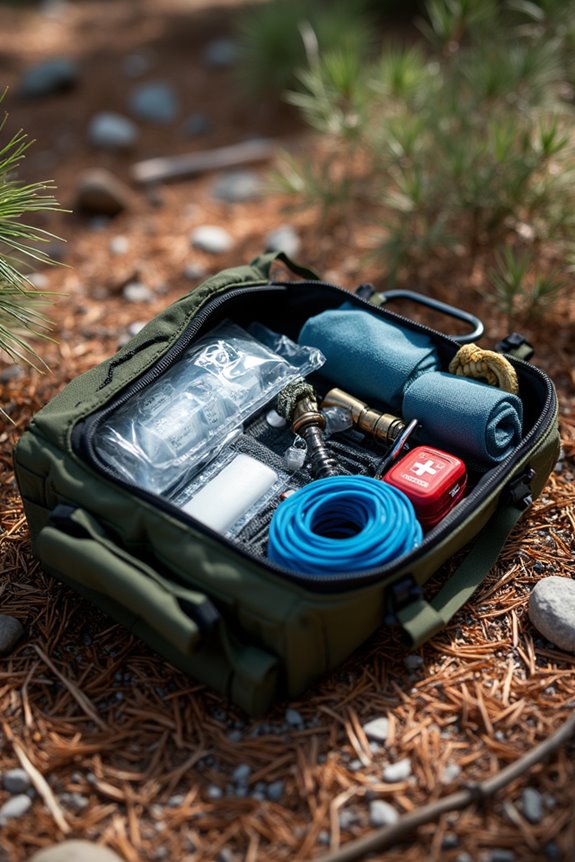
Desiccant packs typically contain one of four common types of desiccants, each with its own unique properties and applications. Silica gel is popular, featuring a porous structure that effectively absorbs moisture, making it ideal for food packaging and electronics. Then there’s bentonite clay, a natural and economical choice, but it’s best used in stable conditions where temperatures don’t rise too high.
Molecular sieves are synthetic and excel in extreme environments, trapping moisture quickly and efficiently. Finally, calcium chloride is a powerhouse for moisture absorption, even liquefying when too moist, so it needs special care in packaging. These desiccants work together to protect our stored items from the pesky effects of humidity! Additionally, understanding the importance of durability and weather resistance can enhance the choice and effectiveness of desiccant packs in different storage conditions.
Applications and Industry Uses
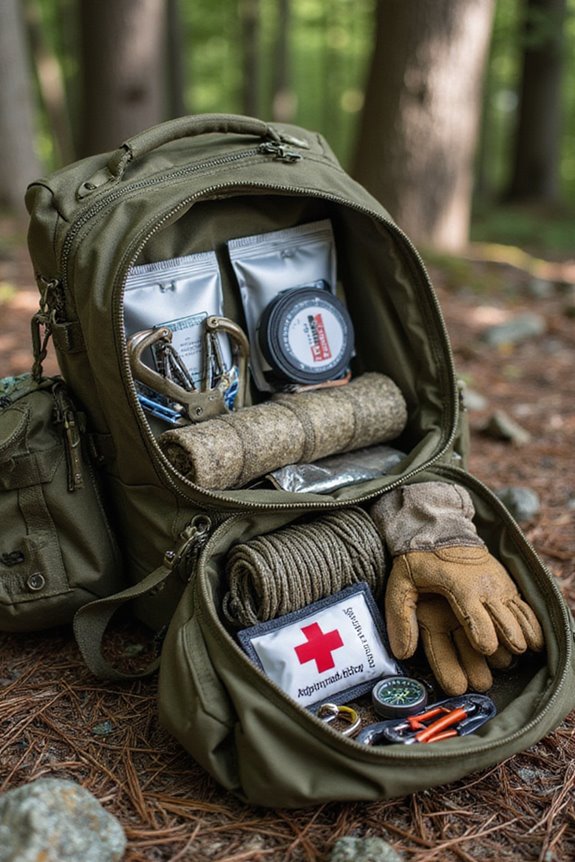
In various industries, the use of desiccant packs has become a game changer for keeping products safe from moisture. They play a crucial role in food preservation, helping us maintain freshness and preventing spoilage by managing moisture levels in packaged foods. We see desiccants keeping our snacks, dried fruits, and spices just how we like them—tasty and ready to enjoy. Additionally, they are essential in helping maintain the integrity of emergency food kits, which often require long shelf life to ensure preparedness during unexpected situations.
In the pharmaceutical sector, desiccant packs protect pills and powders, ensuring they don’t lose potency due to humidity. Even in electronics, they prevent rust and electrical failures, safeguarding sensitive components.
Mechanism of Action and Performance Factors
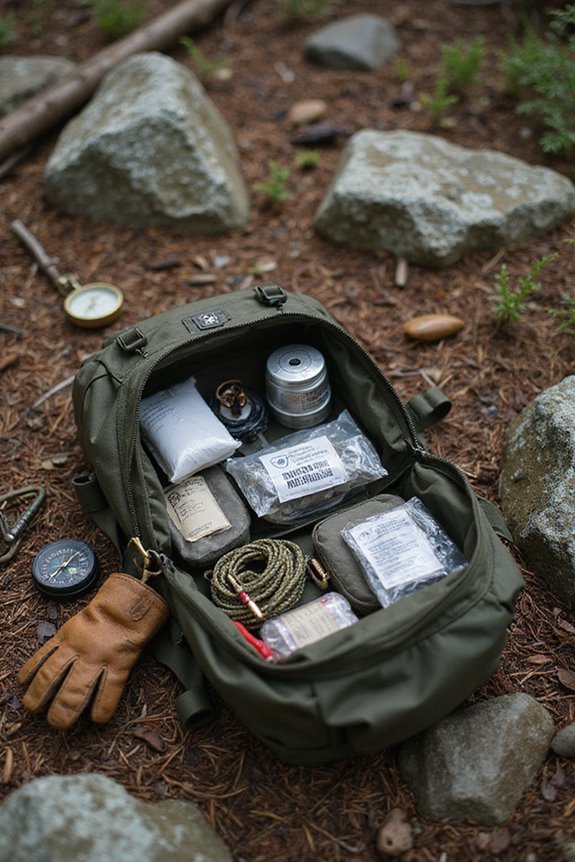
While you might think that desiccants are just simple packets of moisture-absorbing material, their mechanism of action is quite fascinating. They primarily utilize the adsorption process, where moisture sticks to the surface rather than soaking in. With their porous surfaces, desiccants effectively attract water vapor like magnets, enabling superior moisture retention.
This action is aided by weak intermolecular forces, such as hydrogen bonding, which cling onto water molecules. But don’t forget, desiccants do have a saturation point. Once they fill up, they’re no longer effective! Regular emergency preparedness checks can help ensure your desiccants are functional and your supplies are protected.
Storage and Shelf Life Considerations
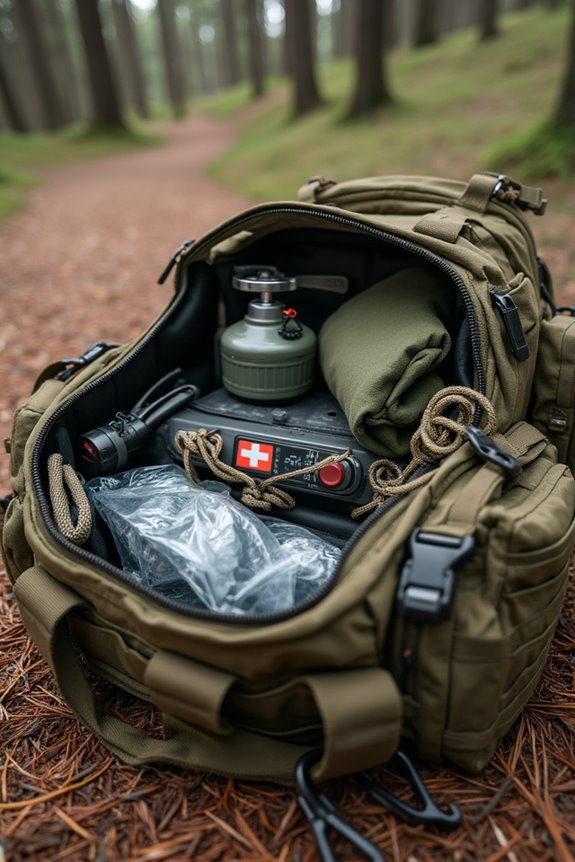
How can we best protect our items from that sneaky enemy—moisture? To guarantee our beloved items last, we need to control moisture effectively. Desiccant packs not only absorb humidity but also help maintain the shelf life of food, chemicals, and other sensitive products. It’s important to store desiccants in a cool, dry space, ideally between 0° to 90°F. Keeping them sealed in airtight containers shields them from moisture, prolonging their effectiveness. Remember, environment matters! Frequent exposure to air can saturate desiccants quickly, so let’s minimize openings. By paying attention to proper storage, we can extend our items’ shelf life and enjoy them longer without worry. Moisture control is key! Additionally, incorporating multiple charging options for emergency supplies can further enhance their preparedness during unforeseen circumstances.
Reusability and Environmental Impact
When we think about keeping our belongings safe from moisture, reusing desiccant packs should come to mind right away. These little bags, especially silica gel ones, can be reactivated multiple times with a few simple techniques. We can dry them in the oven or microwave to kick out the moisture and restore their effectiveness.
The reuse benefits are impressive! By extending their life, we help reduce environmental waste since many desiccants are non-biodegradable. This supports environmental sustainability, promoting a cleaner planet. Additionally, storing your gear in a cool, dry place can enhance the lifespan of your survival items, ensuring they remain effective when needed most.
Importance of Moisture Control in Packaging
Moisture control is essential, especially when it comes to packaging our favorite products. It helps prevent moisture damage that can lead to mold, spoilage, and even recalls. Plus, we all want our goodies to stay fresh and safe!
When we maintain ideal humidity levels, we’re not just protecting our products; we’re also safeguarding the materials they come in. Whether it’s food, electronics, or pharmaceuticals, humidity plays a big role in product safety and quality. Think of moisture control as our behind-the-scenes hero, extending shelf life and keeping our items stable.
How to Choose the Right Desiccant Pack
Choosing the right desiccant pack can feel like a tricky puzzle, especially with so many options out there. First, we need to check the humidity and temperature of our storage space. For high humidity, desiccant selection tips suggest we go for calcium chloride. Don’t forget to use a humidity gauge—the tool that helps us measure moisture levels accurately.
Next, let’s consider pack size. A 10g pack works well for one-gallon containers. If we have a larger container, we might need multiple smaller packs for even coverage. Finally, always store unopened packs in airtight containers. This way, they’ll stay fresh and ready to battle the moisture. With these steps, we can make better choices, ensuring our items stay safe and dry!
Effectiveness of Different Desiccants
Understanding the effectiveness of different desiccants is key to protecting our stored items from unwanted moisture. When we talk about desiccant efficiency, it helps to know how much moisture these little wonders can handle. For instance, calcium chloride can absorb up to 300% of its weight in humidity, making it super effective in damp environments.
Silica gel is our go-to for food and electronics, soaking up about 40% of its weight. Montmorillonite clay absorbs around 30-40%, staying dry when saturated. Meanwhile, molecular sieves work well across various humidity levels, though they absorb about 20-30%. By understanding these differences, we can choose wisely, ensuring our belongings stay safe and dry. Let’s keep our treasures protected together!
Best Practices for Using Desiccant Packs
When we want to keep our stored items safe from moisture, following best practices for using desiccant packs makes all the difference. First, let’s consider desiccant dosage. We should calculate how much we need based on container size and humidity. Next, positioning is key. Distributing the packets evenly guarantees effective moisture prevention.
Now, remember to store our desiccants in cool, dry places away from direct sunlight. Use airtight containers for storage to minimize exposure to humidity. Also, let’s not open the packaging until we’re ready to use them—those pesky moisture shifts can sneak in!
Signs of Saturation and Replacement
Recognizing the signs that our desiccant packs are saturated is essential for maintaining the quality of our stored items. We should look for saturation indicators like a color change in silica gel; orange to green or blue to pink tells us it’s time for a swap. If our non-indicating packs feel squishy or crumbles, those are also red flags.
Replacement timing varies; usually, we can expect 18 to 24 months of use, but once they show these signs, let’s act! Using humidity indicator cards helps us monitor saturation without guesswork. Keeping an eye on these changes means we avoid moisture sneaking back into our treasures—imagine the horror! So let’s keep our items safe and dry by being proactive.
Myths and Misconceptions About Desiccants
Even with the best intentions, misconceptions about desiccants can lead us to make mistakes. Take myth debunking seriously; desiccants can’t absorb endless moisture. They behave like sponges and saturate, so proper storage is key. If we expose them to humidity, their effectiveness drops even before use.
Another common misconception is thinking oxygen absorbers are the same. They actually serve different purposes. Desiccants tackle moisture, while oxygen absorbers fight spoilage.
And let’s clarify: used desiccants aren’t effective anymore. They can even release moisture! Different applications require specific types of desiccants.
We must be aware of these facts for effective storage. Understanding these myths helps us keep our items safe and dry, reducing unnecessary headaches.
Frequently Asked Questions
Can Desiccant Packs Be Harmful if Ingested?
Yes, desiccant packs can be harmful if ingested. We should prioritize desiccant pack safety by keeping them out of reach. It’s essential to understand the ingestion risks to protect our loved ones from harm.
Do Desiccants Expire, and How Can I Tell?
Yes, desiccants do expire. We should watch for indicator changes, like color shifts, signaling their lifespan is dwindling. If we notice moisture clumping within, it’s time to refresh or replace them, my friend.
Can I Reuse Desiccants After They Are Saturated?
Yes, we can reuse saturated desiccants! By using desiccant regeneration methods like oven baking, we guarantee effective storage solutions. Let’s embrace sustainability together while keeping our environments dry and free from moisture damage.
How Many Desiccant Packs Do I Need for My Container?
To effectively manage moisture control, we typically need 1-2% of our container size in desiccant packs. For a medium container, that might mean around five packets—enough to keep our valuables safe and dry!
Are There Any Side Effects From Using Desiccant Packs?
Yes, there can be side effects from using desiccant packs, so we should always follow desiccant safety precautions. It’s good to explore desiccant alternatives too, ensuring our items stay safe without any risks.