As an Amazon Associate, we earn from qualifying purchases. Some links on this site are affiliate links at no extra cost to you. Our recommendations are based on thorough research and editorial judgment.


When To Update First Aid Supplies?

We need to update our first aid supplies regularly to keep everyone safe. Monthly inspections are a must, checking for expiration dates and restocking used items right away. It’s smart to adjust our kits for seasonal risks too. If we find items are damaged or contaminated, we should toss them immediately. Regular training helps us remember what to do in a crisis. Keeping detailed records and clear labels is key to being prepared. Let’s explore more best practices!
Key Takeaways
- Update first aid supplies immediately after use to ensure the kit remains fully stocked for future emergencies.
- Conduct regular inspections every month to check for expired or damaged items and restock essentials.
- Document inventory changes and track expiration dates to maintain up-to-date and compliant supplies.
- Review kit contents every 3 to 6 months to ensure relevance based on potential workplace hazards.
- Keep a surplus of commonly used items on hand to avoid shortages and ensure readiness during emergencies.
Importance of Regular Inspections
When we think about first aid supplies, it’s easy to assume they’re just sitting there, ready for action whenever we need them. However, regular inspections are essential for ensuring effective readiness. By checking our supplies often, we can confirm they’re fully stocked, intact, and compliant with safety standards. Missing or expired items can trip us up during an emergency, and we don’t want that!
Think of inspections as a friendly check-in to give confidence, ensuring we have what we need. Documenting our findings helps us track any changes and keep supplies up to date. In fact, maintaining shelf life awareness of items is crucial for optimal kit effectiveness. Let’s embrace the inspection benefits; they’re our safety net! Remember, a well-maintained first aid kit is key to a safer workplace and boosts everyone’s peace of mind.
Monthly Inspection Checklist
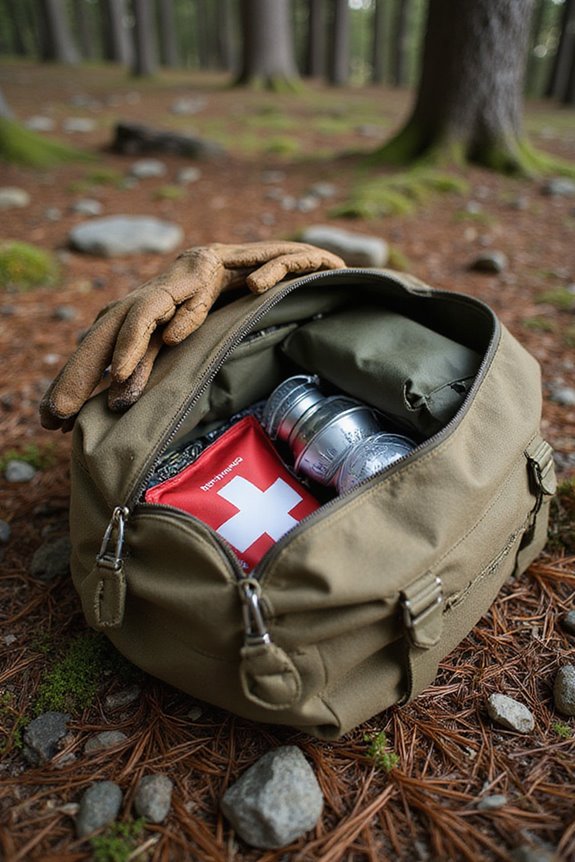
Keeping our first aid supplies in tip-top shape doesn’t just happen overnight. It’s all about consistent inspection preparation. Let’s make a checklist we can trust. First, we verify essential supplies like adhesive bandages, gauze pads, and gloves. Next, we need to inspect item cleanliness and discard anything questionable. Check expiration dates on meds—it’s vital for safety!
Make sure every item meets the specs we require, especially those in kits for special needs. We should document everything—we’re accountable to ourselves! Additionally, regular updates of supplies are essential for maintaining their effectiveness and ensuring readiness during emergencies.
After the inspection, notify our health coordinator of any issues. And remember, a well-organized kit is not just tidy; it’s life-saving. Let’s keep our supplies reliable so we’re ready for anything life throws our way!
Recommended Products

A Velcro cover protects lanyard labels and holds an i-Safe identification tag for recording and storing information on inspections

USING IT MORE SAFER: SMACO S400 pony bottle adopts constant pressure exhaust and explosion-proof device.The high-pressure gas in the bottle is decompressed and output through the decompression chamber,making breathing smoother and safer to use
Post-Usage Restocking Protocols
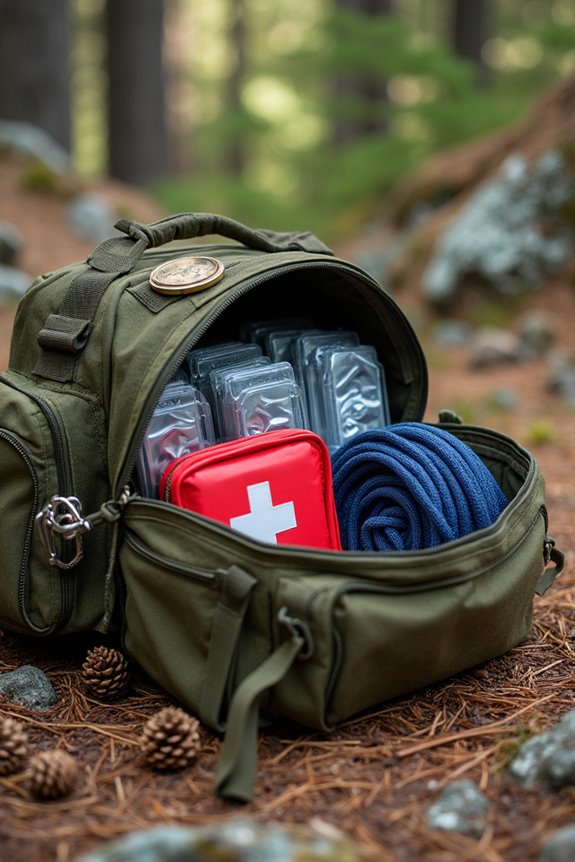
Restocking our first aid supplies promptly after use is crucial for guaranteeing we’re always prepared for emergencies. To stay ahead, we should make this a habit. Right after we use something—like adhesive bandages or antibiotic ointment—we need to replace them immediately.
We can establish our restocking frequency by keeping a list, prioritizing our most used items for quick refills. Let’s not forget to maintain a surplus of essentials; nobody wants to face a shortage when it counts! Regular audits will help us monitor what we have and what’s expired. By organizing our supplies neatly, perhaps labeled with amusing stickers, we guarantee we can grab what we need swiftly. After all, let’s keep our first aid game strong together! Staying organized with well-organized kits can enhance our efficiency during emergencies.
Seasonal Inspection Considerations

After making certain our first aid supplies are fully stocked and ready to go, it’s time to reflect on seasonal inspection considerations. We need to take into account the seasonal hazards we might face, like heat-related injuries in summer or allergies in spring.
First, let’s check expiration dates on all medications. Seasonal customization is key; we should stock antihistamines during allergy season and increase bandages for the summer’s outdoor activities. Additionally, ensuring our first aid kits contain essential medical supplies is crucial for addressing injuries efficiently.
Next, rotating supplies helps guarantee we use older items first, reducing waste.
Finally, let’s remember to store our kits in a dry, cool spot to keep everything fresh. By being proactive, we can confidently tackle whatever the seasons throw our way. Keeping our first aid kits in shape is just a smart move!
Adapting to Environmental Risks

As we face the ever-changing challenges posed by our environment, adapting our first aid supplies becomes essential. With climate adaptation in mind, we must assess risks like heat-related illnesses or injuries from extreme weather. It’s important that our kits include materials for dehydration or trauma, tailored to these new realities. Additionally, incorporating items like emergency food supplies can provide essential nutrition during extended crises.
Let’s guarantee our first aid kits are portable, water-resistant, and filled with safe, biodegradable supplies. Regular check-ups are key; we should monitor our inventories for any expired items or molds. Remember, choosing renewable resources helps the planet while keeping us prepared. So, when you restock your kit, think about what fits your environment and how we can make a safer space for ourselves and our communities. Together, we can rise to these challenges!
Understanding Expiration Dates
Understanding when and how to check the expiration dates on our first aid supplies is just as important as having the right items in our kits. Expiration date meanings can vary, so we need to pay attention to labels like “Use By” and “Best Before.” Most sterile supplies do have longevity, especially if stored properly, but that doesn’t mean we can ignore them.
Regular inspections every 3 to 6 months help us catch those sneaky expired items. It’s like an annual spring cleaning but for our first aid kit! Let’s remove any expired supplies right away to keep our kit effective. Remember, using expired items can lead to risks, so let’s keep our supplies fresh and ready for action! Additionally, ensure product sterility and shelf life to maximize the effectiveness of your first aid kit.
Recommended Products

THE ULTIMATE FIRST RESPONSE SET | Be Fully Stocked & Ready to Go in Case of Emergency! | High-Performance Trauma Kit Includes Everything Professionals Need to Protect & Serve with Confidence | Perfect for EMT, EMS, Fire, Police, Paramedics & Other Servicemen & Servicewomen | Medium Model Measures 19” x 15” x 10”

Generously Sized and Organized: With dimensions of 22 3/4" x 15 1/2" x 5 1/2" and 523 latex-free pieces, this kit provides ample space and meticulous organization for easy access to vital first aid supplies including Patented Quick-Tight Windlass Tourniquet. Assembled in USA

THE ULTIMATE FIRST RESPONSE SET | Be Fully Stocked & Ready to Go in Case of Emergency! | High-Performance Trauma Kit Includes Everything Professionals Need to Protect & Serve with Confidence | Perfect for EMT, EMS, Fire, Police, Paramedics & Other Servicemen & Servicewomen | Large Model Measures 18” x 13” x 11”
Compliance With OSHA and ANSI Standards
When we think about workplace safety, compliance with OSHA and ANSI standards helps guarantee our first aid supplies are up to par. Following first aid regulations makes certain we have what we need for minor accidents and emergencies. OSHA stresses that first aid kits must be readily accessible and tailored to specific workplace hazards. ANSI goes a step further, laying out contents for Class A and B kits, making sure we’re equipped for any situation.
Regularly checking our supplies and staying updated on standards like ANSI Z308.1 means we’re not just compliant; we’re prepared. It’s best to treat these updates like getting a haircut; it’s inconvenient, but necessary. Keeping kits stocked helps protect everyone in the workplace—and that’s what it’s all about!
Factors Impacting Stock Levels
Our commitment to workplace safety goes beyond just compliance with OSHA and ANSI standards; it also involves understanding various factors that impact our stock levels. Regular stock assessments are crucial. We need to take into account environmental conditions like temperature and humidity as they can shorten shelf life. Usage patterns are another factor; common items like adhesive bandages may require more frequent supply rotation thanks to steady demand. Don’t forget expiration dates on medications, which tell us when to replace supplies. Additionally, the size of our workforce and the specific hazards of our industry guide our needs. Keeping up with these factors guarantees we’re ready for anything—because safety isn’t just a box to check; it’s a shared responsibility.
Signs That Supplies Need Updating
It’s easy to overlook our first aid supplies until we really need them, but keeping a close eye on their condition is vital. We should watch for supply color changes—yellowing wrappers or discolored bandages hint at aging and potential loss of sterility. Expiration dates are important too; any expired items must go immediately.
Let’s not forget adhesive integrity! If our tape or bandages are losing stickiness or cracking, they can’t do their job right. Regularly inspecting for rust or dirt on containers helps us avoid cross-contamination. Any damaged, wet, or visibly contaminated supplies are a direct signal for replacement. Keeping these signs in mind guarantees we stay prepared and safe!
Recommended Products

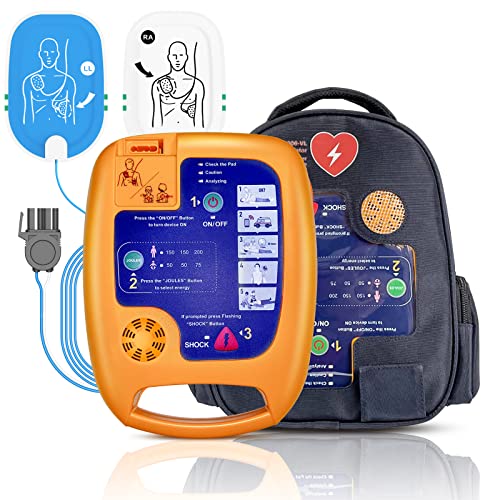
Philips HeartStart M5066A-C02BPB OnSite AED Defibrillator is a virtually ready to use emergency medical device for cases of suspected sudden cardiac arrest

Philips HeartStart M5066A-CO2VPB OnSite AED Defibrillator is a virtually ready to use emergency medical device for cases of suspected sudden cardiac arrest

Philips HeartStart M5066A-C02 OnSite AED Defibrillator is a virtually ready to use emergency medical device for cases of suspected sudden cardiac arrest
Best Practices for First Aid Kit Maintenance
First aid kits aren’t just boxes of supplies; they’re lifelines in emergencies. To guarantee our emergency readiness, we must prioritize regular inspections. Let’s set a monthly schedule to check expiry dates, damages, and supply levels. After each use, we should restock immediately.
Proper storage is essential, too. Keeping kits in clean, dry spots guarantees everything stays in top shape. Labeling helps everyone find what they need quickly.
Lastly, let’s review our kit contents periodically. Tailoring supplies to our specific risks means we’re prepared for anything. Including a first aid manual can enhance first aid education for all users, making certain we’re ready when it counts. By following these best practices, we’ll keep our first aid kits ready and reliable!
Staff Training and Awareness
When the time comes for an emergency, having a well-stocked first aid kit is important, but knowing how to use it is just as essential. It’s surprising, but almost 49% of people would feel panic in a health emergency due to lack of training! To boost our emergency preparedness, we should prioritize regular first aid training—ideally once a year. This keeps our skills sharp. A certified instructor helps us learn critical skills like managing bleeding or choking effectively. When we’re trained, we respond better during emergencies, potentially saving lives! So let’s encourage our employers to offer extensive training. Together, we can create a safer work environment and foster a culture of awareness and safety. We can do this, one training session at a time!
Importance of Documentation and Labeling
While many of us might overlook the importance of documentation and labeling in our first aid supplies, they play a crucial role in emergency preparedness. Accurate documentation helps us track usage and expiration dates, keeping our supplies fresh and safe. We must adhere to labeling standards that clearly identify each item and its intended use, making items easy to grab in critical moments.
Let’s face it: in a pinch, we don’t have time to decipher labels. With proper documentation, we’re better prepared for audits and even legal claims. So, let’s commit to regular updates, ensuring all records are current. This way, we’re not just compliant—we’re ready to help when it counts. After all, it’s our responsibility to make sure every detail is covered.
Frequently Asked Questions
How Often Should I Inspect First Aid Kits in a Home Setting?
We should inspect our first aid kits at least monthly, using an inspection checklist to guarantee everything’s complete and effective. This way, we’re ready for any situation that comes our way—safety first!
What Should I Do With Expired First Aid Supplies?
Out with the old, in with the new! We should properly dispose of expired supplies to guarantee first aid safety. Let’s follow local guidelines and replace them promptly to stay ready for anything life throws our way.
Can I Use First Aid Supplies Past Their Expiration Date in Emergencies?
In emergency situations, we might use expired supplies as a last resort, but we need to be cautious. Let’s prioritize safety and regularly check our kits to avoid relying on anything that’s potentially ineffective.
Where Should I Keep First Aid Kits for Easy Access?
We should keep first aid kits in readily accessible home locations, like kitchens and hallways. Clear signage enhances emergency accessibility, ensuring everyone knows where to find them when those critical moments arise.
Are There Specific Supplies Recommended for Outdoor Activities?
When we venture outdoors, we should pack wilderness essentials like adhesive bandages and antiseptic wipes, ensuring we’re prepared for outdoor injuries. It’s all about making our adventures safe and enjoyable together, don’t you think?