As an Amazon Associate, we earn from qualifying purchases. Some links on this site are affiliate links at no extra cost to you. Our recommendations are based on thorough research and editorial judgment.


What Is An Earthquake Emergency Kit?

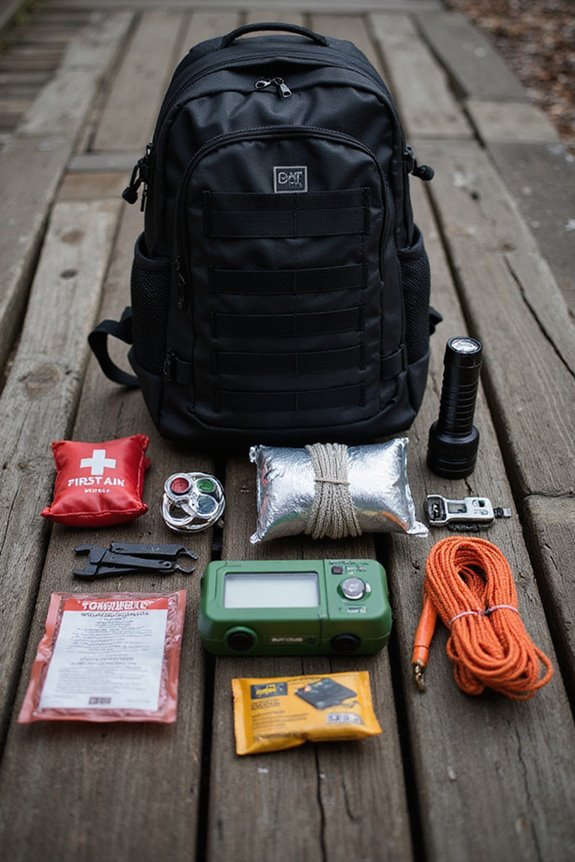
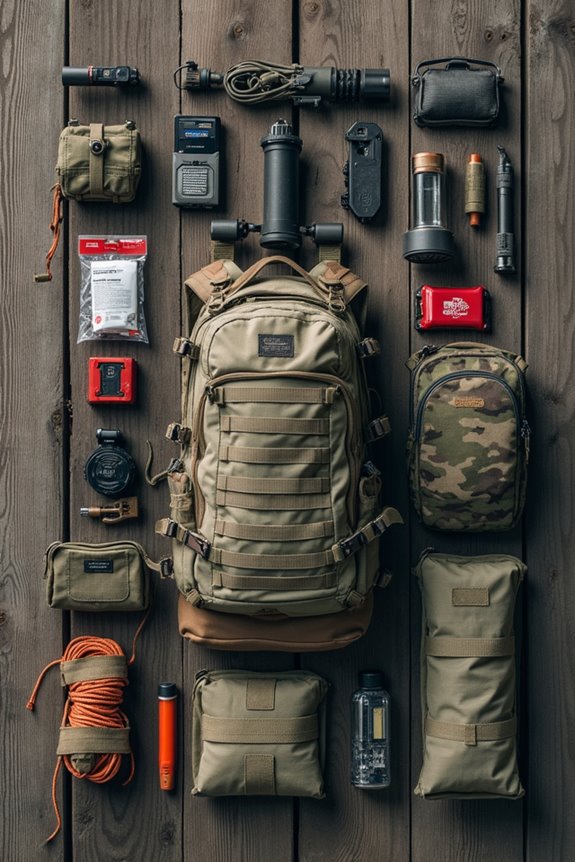
An earthquake emergency kit is a crucial stash of supplies we need for safety during and after an earthquake. It should include essentials like at least a gallon of water per person daily and non-perishable food—think granola bars and canned goods. Don’t forget a flashlight and a first aid kit! Store everything in an easy-to-reach spot, and check it regularly. Ready for an adventure in preparedness? Let’s dive deeper into what to pack and how to maintain that kit!
Key Takeaways
- An earthquake emergency kit is a collection of supplies that ensures safety and survival during and after an earthquake.
- It should contain at least 1 gallon of water per person per day and a three-day supply of non-perishable food.
- Essential components include a flashlight, a first aid kit, and a battery-operated radio for updates.
- Tools like wrenches and multi-purpose tools are vital for managing utilities and making repairs.
- Regular checks and seasonal adjustments ensure that the kit remains current and effective for emergency situations.
Essential Supply Quantities
When it comes to preparing an earthquake emergency kit, having the right supply quantities can make all the difference. First up, let’s talk about that water quantity. We should aim for at least 1 gallon per person per day, enough for both drinking and sanitation needs over three days. If we’re feeling ambitious, let’s build up to 14 gallons for two weeks, which also covers our furry friends. Now, onto food variety! Keeping at least a three-day supply of non-perishable items is key. Think granola bars and canned soups—easy to grab and eat! Let’s not forget a manual can opener if we’re going with canned goods. Regular maintenance of kits, including checking supplies regularly, is essential for ensuring everything is current and usable. By being prepared, we’re setting ourselves up for a smoother ride in an emergency.
Medical and Health Supplies

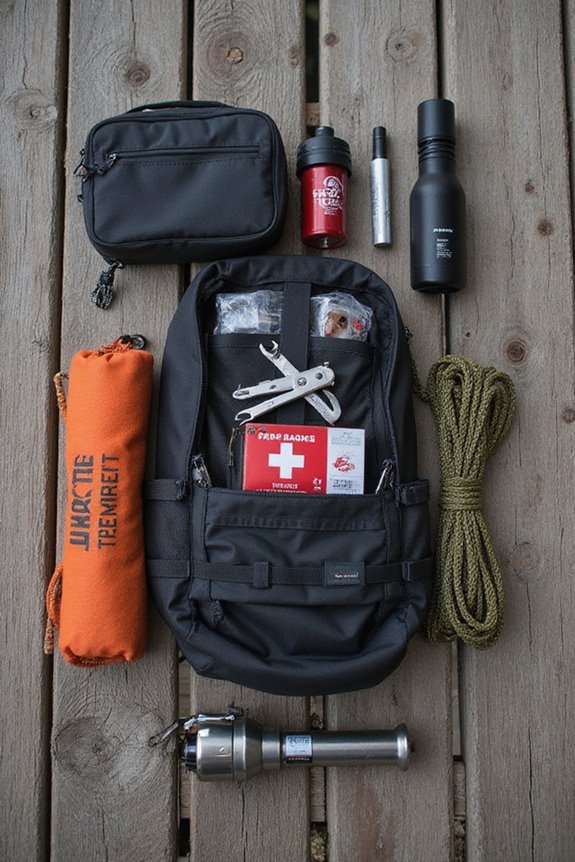
Having the right medical and health supplies is essential for our safety and well-being during an earthquake. We should include a well-stocked first aid kit with bandages, antiseptic wipes, and scissors. Don’t forget to grab a week’s supply of our prescription medications and some non-prescription essentials like pain relievers and anti-diarrhea meds.
If we wear contact lenses, a bottle of lens solution is vital. Let’s also pack some gloves and masks to stay protected from infection. For our little ones and pets, diapers, formula, and their food and water are must-haves. Finally, personal hygiene items like toothbrushes and hand sanitizer keep us feeling fresh when conditions are less than ideal. It’s about keeping our health essentials ready!
Additionally, ensuring that our first aid kits are comprehensive will prepare us for a variety of medical situations that could arise during an emergency.
Tools and Utility Items
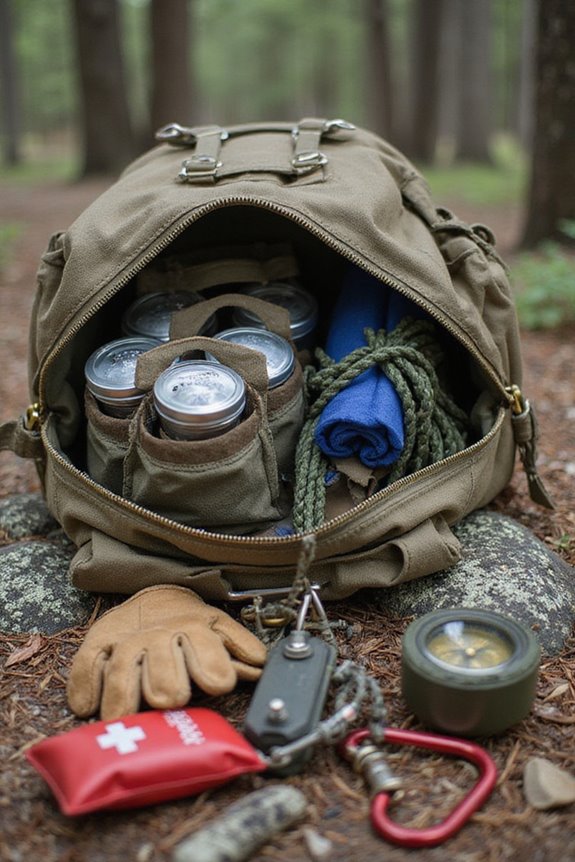
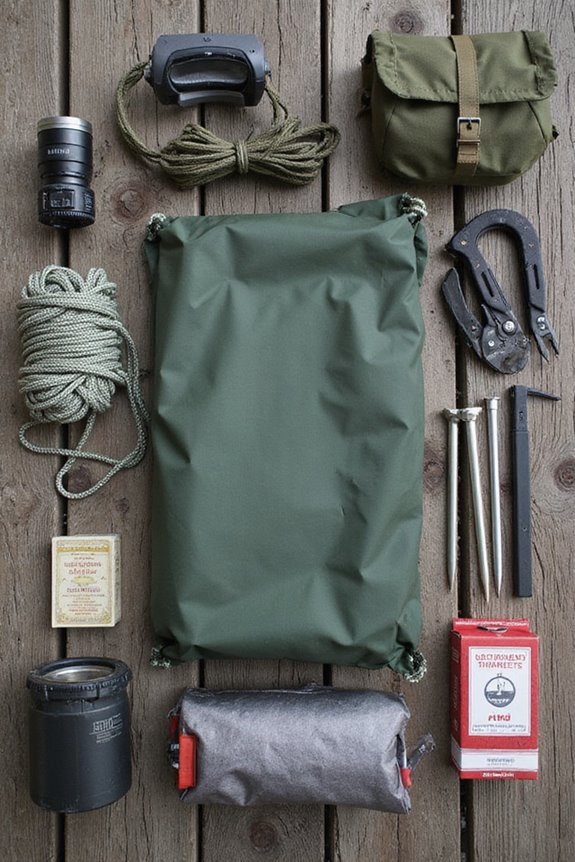
In an emergency like an earthquake, having the right tools and utility items can make a big difference in keeping us safe and comfortable. We should pack essential tools for utility management, like wrenches and pliers, to shut off gas and water safely. Multi-purpose tools come in handy for various tasks, so they’re great to include.
Don’t forget a fire extinguisher; it’s vital to tackle any fires that might spark unexpectedly. Gloves and safety goggles can protect us from sharp debris, while duct tape and plastic sheeting are perfect for makeshift repairs. Remember, practicing tool safety is key. Emergency kits often include multi-purpose tools which enhance adaptability during various situations. We can face challenges with ease, knowing we’re prepared and equipped for whatever comes our way!
Communication and Information
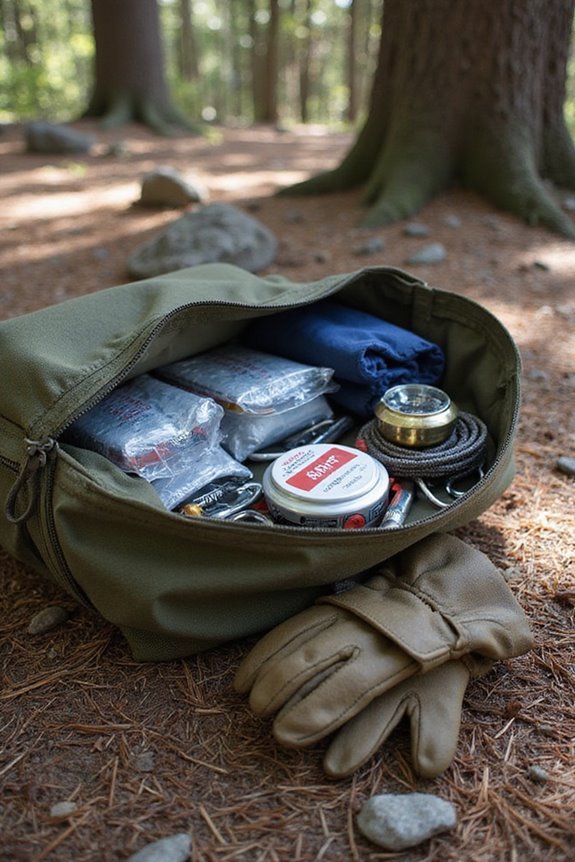
After gathering our tools and utility items, we need to turn our attention to communication and information. We can’t underestimate reliable communication methods during an earthquake. First, let’s pack essential devices like walkie-talkies and a satellite phone—those will keep us connected even when cell networks fail. Emergency contact lists should be stored in our kits, and it’s wise to have extra charging cables.
Battery-powered radios can be lifelines for news updates, and glow sticks will keep us visible in the dark. Don’t forget basic written notes for when electronics fail! Finally, let’s practice our signaling techniques; knowledge is key for effective information retrieval. With these items in our kits, we’ll feel more secure and prepared together! Additionally, ensure your kit includes essential supplies like water and non-perishable food to sustain you during emergencies.
Additional Survival Items

When an earthquake strikes, having a well-thought-out survival kit becomes vital for our safety and comfort. Besides the basics, we should think about additional survival items that can really make a difference. Unique items like solar chargers will keep our phones alive for important communication. Water purification tablets guarantee we drink safely, and waterproof matches help us start fires—even in the rain!
Garbage bags? They’re not just for trash; they help us maintain sanitation, which is super important. A pocket knife is handy for countless tasks, acting as our mini survival gear. Additionally, regular maintenance of water storage containers ensures we have access to safe drinking water when needed. Let’s gather these extras to enhance our preparedness. With the right things, we won’t just survive, we’ll feel more human during tough times.
Kit Storage and Maintenance
Preparing a solid earthquake emergency kit isn’t just about tossing supplies into a bag; it’s about smart storage and regular maintenance. We need to pick a kit location that’s near our main exit, ensuring it’s uncluttered and easy to access. Let’s avoid those locked doors when seconds matter!
For storage safety, choose a dry, cool area, away from sunlight and temperature swings, to keep our supplies in good shape. Biannual checks will help us stay on top of expired food or medications. If we use an item, let’s replace it right away! Keeping our kit organized and in a consistent spot means everyone in the family can grab it quickly. Remember, a well-maintained kit could save lives! Including reliable lighting and communication tools in your kit is also essential for enhancing overall safety during emergencies.
Preparing for Special Needs
While it might feel overwhelming to prepare for an earthquake, especially if we have loved ones with special needs, taking a few practical steps can make all the difference. Let’s start with specialized adaptations. We’ll want medications, medical supplies, and copies of important documents ready. Also, don’t forget communication aids, like a battery-operated radio for those with hearing impairments.
For mobility needs, we should guarantee walkways are clear and have aids like wheelchairs accessible. We can even use large print labels and tactile materials to assist those who might struggle with sensory considerations. And let’s remember our service animals, stocking their supplies, too! By planning thoughtfully, we’ll be ready for anything that comes our way. Together, we can face an earthquake confidently!
Budget-Friendly Tips for Assembling a Kit
As we think about assembling a budget-friendly earthquake emergency kit, it is essential to keep our expenses in check without compromising safety. First, let’s prioritize budget-friendly food. Stock up on granola bars and canned soups, aiming for a three-day supply. For essential water, grab 2.5 to 3 gallons per person, using cost-effective gallon jugs. Don’t forget a manual can opener!
Next, consider basic tools like a first aid kit and a battery-powered radio, both available for under $20. Also, include blankets from discount stores for warmth. Use plastic tubs to store everything, labeled for quick access. With these thoughtful choices, we can create a reliable kit without breaking the bank—because safety shouldn’t have to be expensive!
Importance of Regularly Updating Your Emergency Kit
Keeping our emergency kit updated is just as important as putting it together in the first place. We need to perform regular checks to verify our supplies, like food and medications, aren’t expired. After all, a useless first aid kit isn’t much help in a crunch!
Every few months, let’s review what’s in our kit, and update any items based on our changing needs. Seasonal adjustments are significant too; summer heat can spoil things quicker than we think! Education and practice help us feel ready, so let’s run drills to know how to use everything efficiently.
Frequently Asked Questions
How Often Should I Practice Using My Emergency Kit?
We should practice using our emergency kit at least twice a year, just like checking our smoke alarms. Regular emergency drills help us stay prepared, ensuring our kit maintenance is as effective as our response.
Can I Include My Children’s Toys in the Kit?
Absolutely, we can include our children’s toys in the kit! A thoughtful toy selection can provide emotional support, helping them feel safe and comforted during stressful times. It’s a small gesture that matters greatly.
What Food Items Have the Longest Shelf Life?
When we think about food with the longest shelf life, we can trust canned goods and freeze-dried meals. They’re perfect for storage, lasting years and ensuring we’re well-prepared for any situation together.
Where Can I Find Earthquake Preparedness Training?
We can find earthquake preparedness training through local resources like community workshops or online courses from sites like Ready.gov. Let’s explore these options together and make certain we’re ready for whatever comes our way.
Are There Specific Items for Elderly Family Members?
“Better safe than sorry,” right? For our elderly family members, we should include mobility aids and essential medical supplies, ensuring they’re prepared to face any emergency together—because their safety is our priority.