As an Amazon Associate, we earn from qualifying purchases. Some links on this site are affiliate links at no extra cost to you. Our recommendations are based on thorough research and editorial judgment.

What Is A Weekend Preparedness Drill?

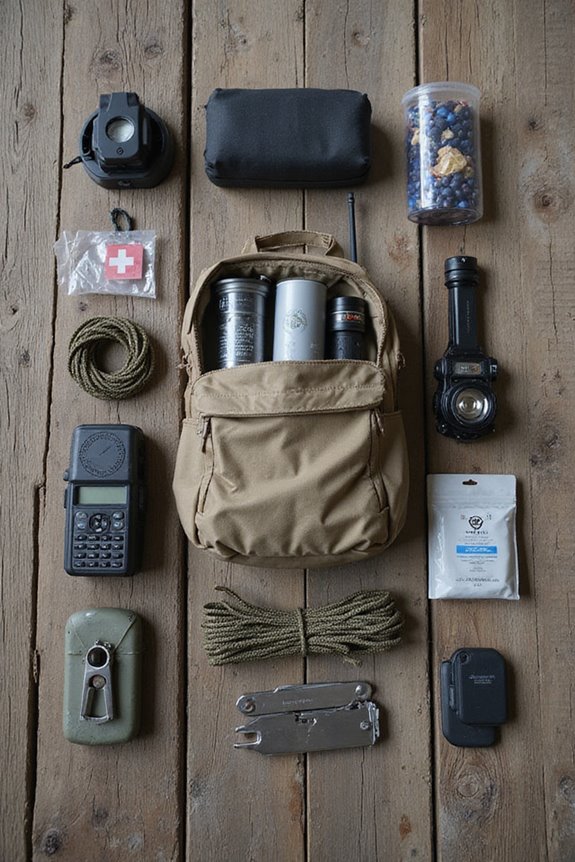
A weekend preparedness drill is a hands-on exercise that helps us simulate emergency situations so we can respond effectively when it really matters. We practice things like evacuation routes, communication strategies, and gear checks, making sure to have our Go Bags packed and ready. These drills aren’t just serious business; they can also be fun and engaging ways to work with our neighbors. To keep learning how to enhance our emergency skills, let’s explore further!
Key Takeaways
- Weekend Preparedness Drills simulate emergency scenarios to enhance real-life readiness and community resilience.
- Types of drills include Bug Out Drills, Full-Scale Exercises, and Mass Casualty Scenario Drills for varied practice.
- Effective drills require contingency planning, emergency Go Bags, and clear roles for participants during the exercise.
- Community involvement fosters cooperation, awareness of local risks, and improved emergency response skills.
- Regular drills strengthen emergency plans, identify gaps, and enhance overall safety and preparedness.
Definition and Objectives of Weekend Preparedness Drills
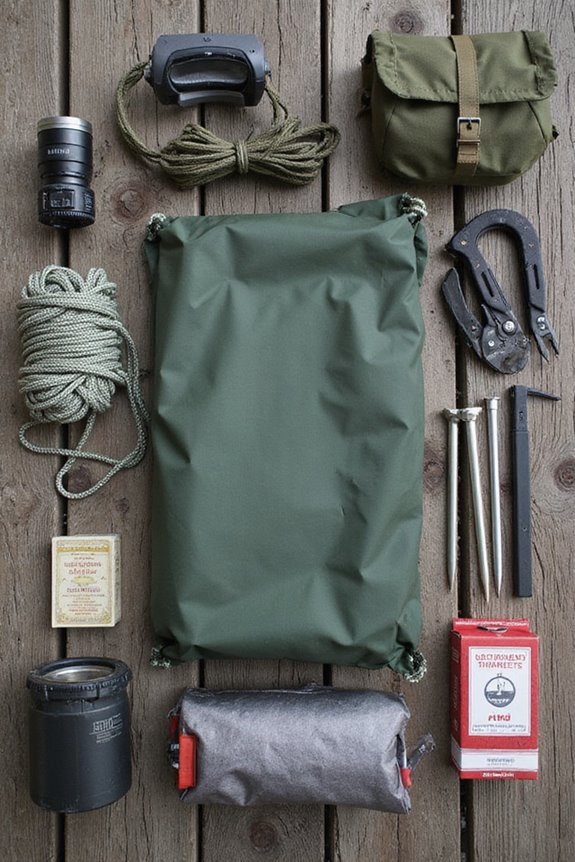
When we think about Weekend Preparedness Drills, it’s easy to overlook their importance, but these exercises are essential for our safety. They help us simulate emergency scenarios, ensuring we’re ready to tackle real-life situations when they arise. The core aim is to assess drill effectiveness and refine our communication protocols under pressure. Incorporating essential survival gear during these drills allows participants to understand the functionality of their equipment in real scenarios.
Types of Drills Conducted During the Weekend
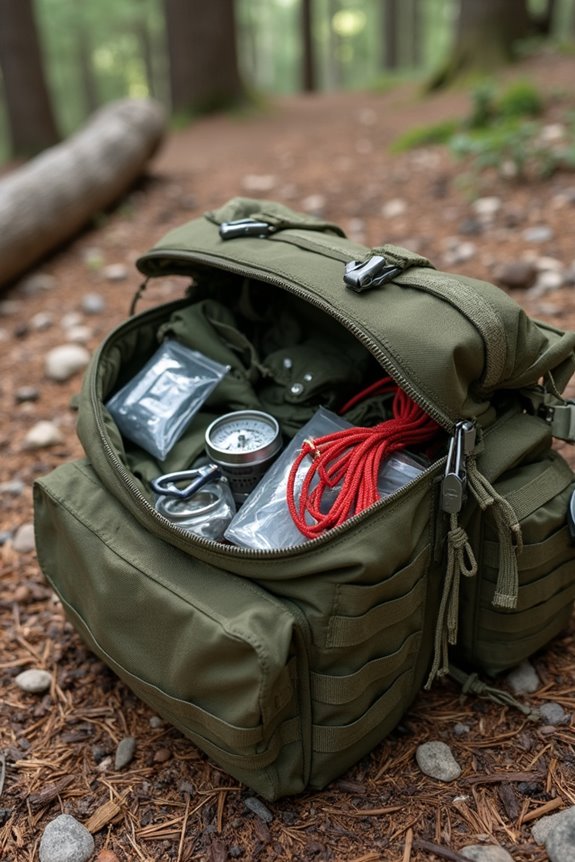
Weekend drills aren’t just a routine; they’re our ticket to preparedness. Various drill types help us fine-tune our skills for different situations. For instance, Bug Out Drills focus on our evacuation plans, making sure we understand our routes and can pack efficiently. Then there are Table-Top Exercises (TTXs), where we discuss realistic scenarios to uncover gaps in our plans. Full-Scale Exercises (FSEs) provide a hands-on experience, allowing us to team up with multiple agencies in simulated emergencies. Single-Function Drills zero in on mastering specific tasks, while Mass Casualty Scenario Drills simulate large-scale incidents to hone our responses. Each training scenario pushes us to improve, building our confidence and readiness for whatever may come our way. Incorporating tools like trauma shears is essential for effective emergency response.
Key Components for Effective Drill Planning
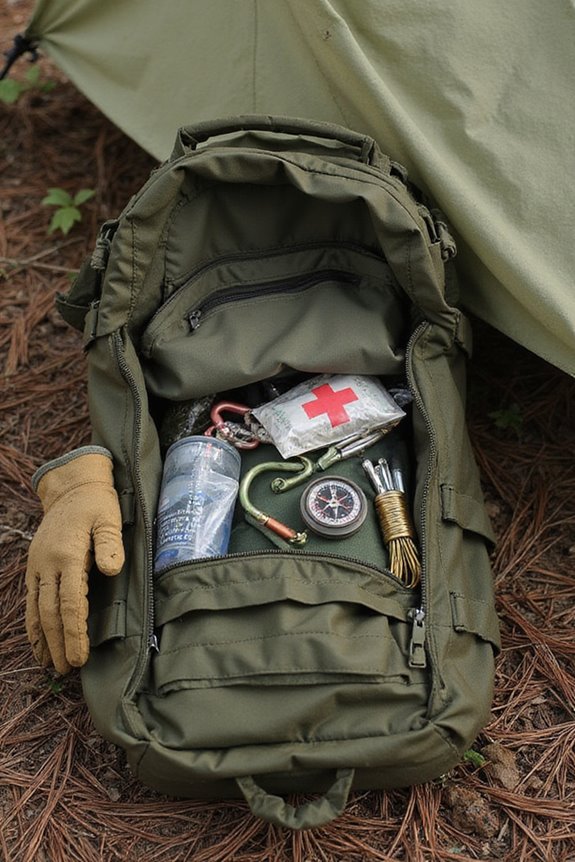
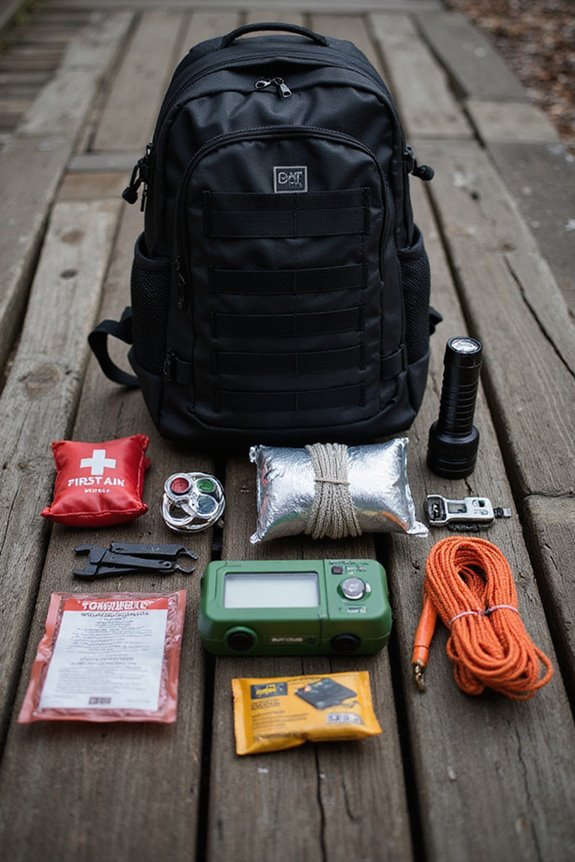
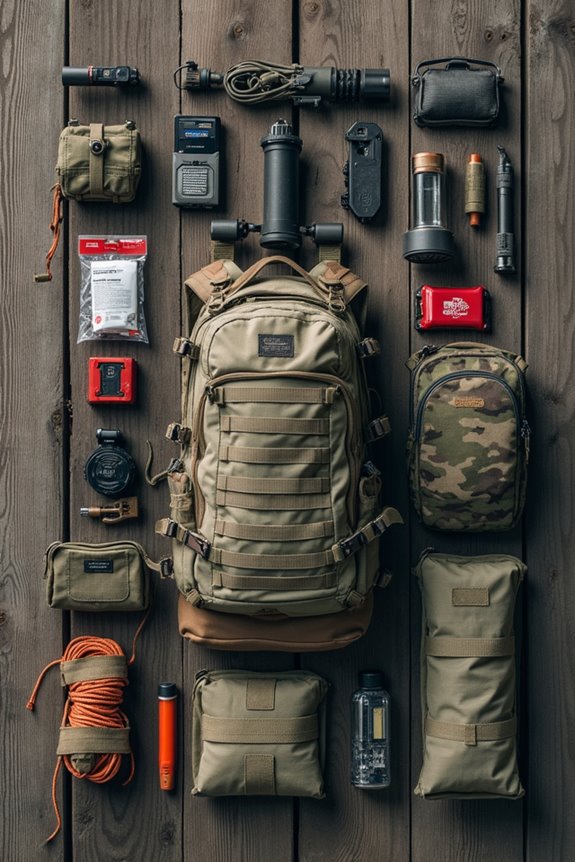
Effective drill planning is vital for ensuring that we’re ready to respond in an emergency. First, we need to contemplate drill logistics—like identifying clear evacuation routes and alternate paths. It’s imperative to assemble emergency Go Bags for a realistic experience. Next, let’s reflect on participant engagement. We can achieve this through advance training sessions, making sure everyone knows evacuation protocols and building a sense of teamwork.
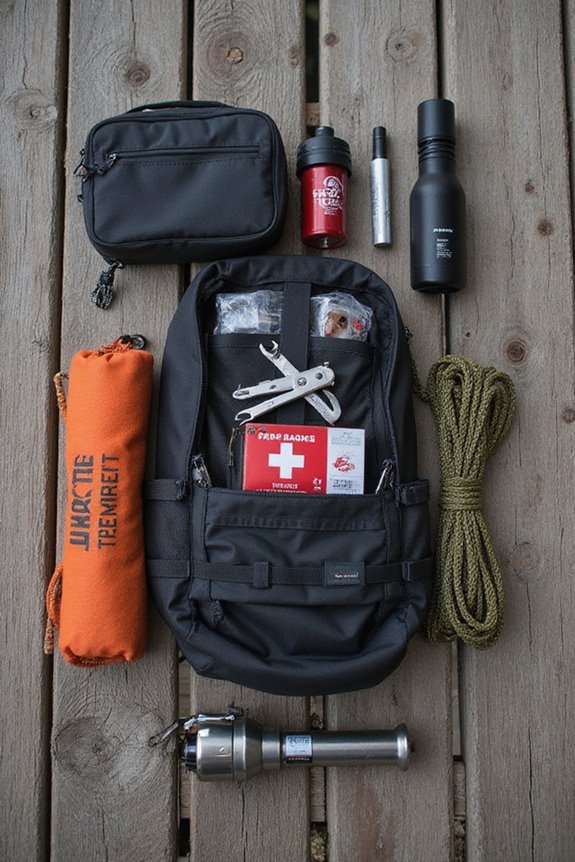
Once everything’s in place, we should implement an orderly evacuation process. Assign roles, use signage to guide everyone, and conduct roll calls at assembly points. Including a well-equipped emergency Go Bag will enhance our preparation and readiness for unexpected situations. Remember, the more we practice, the better prepared we are! So, let’s jump in and make sure we’re ready for anything life throws our way.
Benefits of Participating in Weekend Preparedness Drills

Participating in weekend preparedness drills can create a stronger community and enhance our ability to respond to emergencies. These drills not only boost our confidence and reduce anxiety but also foster personal growth. When we practice together, we learn crucial response skills, and our community resilience strengthens.
Engaging with our neighbors in hands-on scenarios promotes team collaboration and helps us understand our roles during real emergencies. Plus, it encourages us to utilize local resources, making us more self-sufficient. Moreover, practicing with essential components like survival kits can prepare individuals for various emergency situations, ensuring a comprehensive approach to preparedness.
Typical Activities Participants Engage In
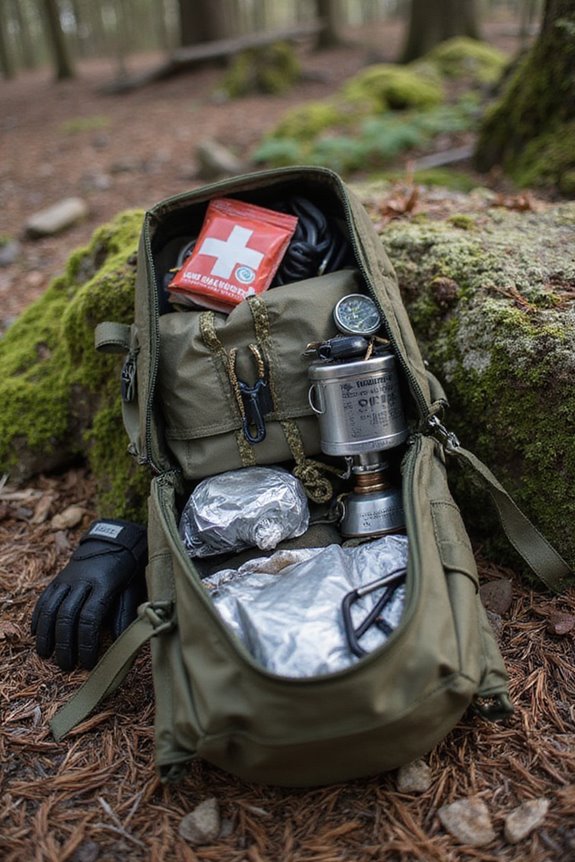
In preparing for emergencies, engaging in a variety of hands-on activities can really sharpen our skills and boost our readiness. We often find ourselves simulating realistic scenarios—like active shooter situations or natural disasters—to test our real-time response and teamwork. Collaborating with emergency responders helps bring a sense of community together, ensuring we’re all on the same page.
We practice essential skills, like the Run-Hide-Fight technique, to make sure our reactions become instinctive. After each drill, we gather for debriefings to talk about what went well and where we can improve. These moments allow us to adjust our plans, ensuring we’re even better prepared for anything that may come our way. Plus, it’s always a little fun! Additionally, incorporating emergency kits into our drills can enhance our readiness by providing essential supplies for various scenarios.
Regulatory Considerations for Organizing Drills
When organizing preparedness drills, we need to take into account a variety of regulatory guidelines that help secure safety and compliance. These regulatory requirements guarantee we conduct drills frequently enough, like quarterly fire drills in hospitals and biannual disaster drills in care facilities. We need to maintain written records for compliance audits, detailing everything from attendance to evacuation effectiveness. Keeping track of problems and corrective actions is vital too. Plus, evaluating drill results helps us learn and adapt our emergency plans. Remember, we’re not just checking boxes here; these guidelines help us genuinely prepare for unexpected events, making certain everyone stays safe. So let’s take these regulations seriously—after all, it’s better to be safe than sorry! Additionally, including a comprehensive first aid kit in our emergency plans can enhance our preparedness efforts significantly.
Importance of Community Involvement
Community involvement is key to making our weekend preparedness drills effective and meaningful. When we come together as a community, we build stronger disaster readiness. Participating in these drills raises awareness of local hazards and helps us gain valuable skills for emergency situations. We learn to use emergency equipment hands-on, which reduces panic when real emergencies occur.
Role of Emergency Responders in Drills
Preparing for emergencies involves not just community participation but also the dedicated efforts of emergency responders. They play an essential role in drills through emergency collaboration, simulating real-life scenarios to sharpen their skills. This practice helps identify vulnerabilities in their response plans, making them stronger.
Enhancing Communication Systems Through Drills
While we often think of physical preparedness for emergencies, communication systems are just as essential. During drills, we can enhance our communication technology to guarantee everyone stays connected. Imagine using two-way radios to quickly relay information among team members, guaranteeing clear dialogue. Incorporating intercoms helps us share critical alerts across campuses.
To execute our drills smoothly, let’s utilize specialized software for centralized planning and automated documentation. It keeps us organized and compliant. Using tools like SatCOLT and FirstNet devices guarantees our signals remain strong, even in tough conditions.
Identifying Gaps and Improving Emergency Plans
After a drill, it is crucial to take a close look at how things went. We can gather valuable insights through a thorough plan evaluation and gap analysis. This helps us spot any communication failures, unclear roles, or uncoordinated evacuation paths. By encouraging feedback during post-drill debriefings, we learn about procedural hiccups and discover hidden challenges. Collecting data, like evacuation times and participation rates, allows us to analyze our strengths and weaknesses. Plus, involving everyone—from employees to emergency responders—fosters teamwork and ownership over our plans. Continuous improvement is key; the more we drill, the better prepared we become. So let’s turn these lessons into actionable changes, ensuring our emergency plans are as strong as they can be!
Frequently Asked Questions
Are There Age Restrictions for Participants in Weekend Preparedness Drills?
In our neighborhood’s recent drill, families participated, showcasing youth involvement while ensuring drill safety. There aren’t strict age restrictions, but it’s wise to supervise younger kids to keep everyone safe and engaged during exercises.
How Can Individuals Volunteer to Help Organize These Drills?
We can all volunteer by joining local committees, supporting community involvement efforts, and implementing teamwork strategies. Together, we’ll coordinate outreach, assist with logistics, and foster a sense of unity in preparing our neighborhoods for emergencies.
What Resources Are Available for Drill Facilitators and Organizers?
We’ve got plenty of resource guides and training materials at our fingertips. These tools help us plan, execute, and evaluate drills effectively, ensuring we’re ready when it matters most. Let’s get prepared together!
How Do Participants Receive Feedback After Completing a Drill?
After each drill, we gather insights through feedback methods like surveys and hot washes, using assessment tools that spark rich discussions. This helps us reflect together, forging a stronger bond in our preparedness journey.
Can Businesses Participate in Weekend Preparedness Drills?
Absolutely, our businesses can participate in weekend preparedness drills! The advantages include refining our emergency plans, training our staff, and enhancing collaboration with local emergency responders, all essential for community resilience and safety.