As an Amazon Associate, we earn from qualifying purchases. Some links on this site are affiliate links at no extra cost to you. Our recommendations are based on thorough research and editorial judgment.


What Is A Tornado Safe Room Kit?

A tornado safe room kit is our reliable option for weathering severe storms safely. These prefabricated shelters fit snugly into spaces like closets or bathrooms, providing us with exceptional protection from winds over 250 mph. Made with tough materials like reinforced concrete, they’re designed to meet strict safety standards. Installation is essential, so we need to follow local building codes carefully. Curious about how to set it up or maintain it? We’ll cover that next!
Key Takeaways
- A tornado safe room kit provides a secure shelter designed for protection during tornado events, offering peace of mind.
- These kits are prefabricated for quick installation and fit into small spaces like closets or bathrooms.
- Built with impact-resistant materials and reinforced concrete, they meet FEMA and ICC safety standards.
- Recommended dimensions allow for adequate space per person, ensuring comfort and accommodation for supplies and pets.
- Installation requires secure anchoring and compliance with local building codes for maximum safety and effectiveness.
Definition and Purpose of Tornado Safe Room Kits
When a tornado strikes, having a safe place to go is essential, and that’s where tornado safe room kits come into play. These kits are made to create a secure shelter inside our homes, designed to withstand violent winds and debris from a tornado. They’re prefabricated for quick and easy installation—think of them like building blocks for safety!
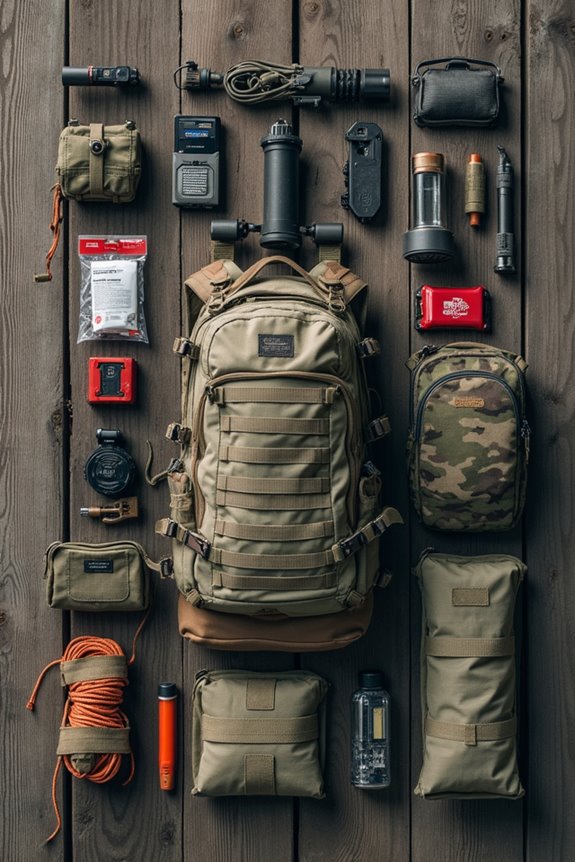
These shelters offer us a crucial refuge during severe weather, providing almost absolute protection from tornado forces. They also help us plan for emergencies, ensuring we have a safe spot ready at a moment’s notice. Plus, they can fit into various shelter types, like closets or bathrooms, making them a practical solution for every home. Investing in one gives us peace of mind when nature has other plans! Additionally, having a well-organized emergency kit is essential for comprehensive preparation in any critical situation.
Construction Materials and Design Features
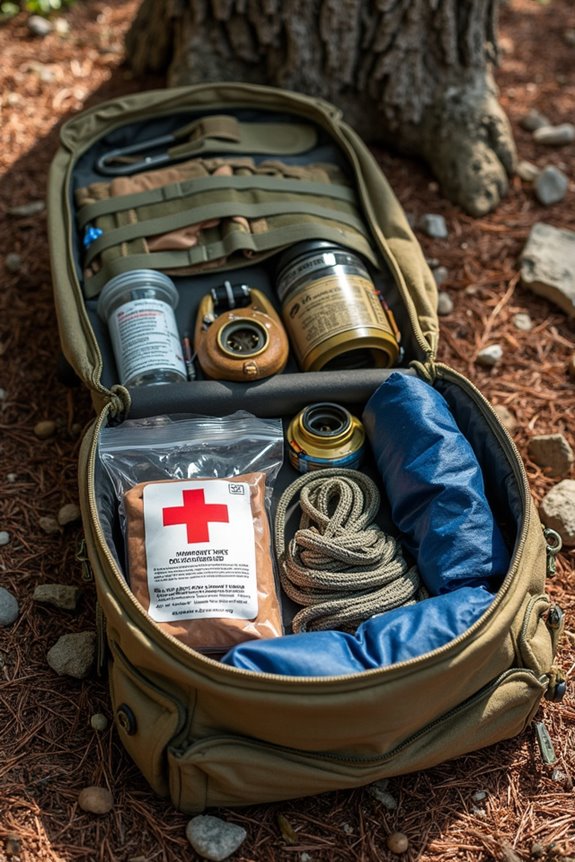
Tornado safe rooms are built with materials and designs specifically crafted to offer the highest level of protection during severe weather. When we think about material selection, we often choose impact-resistant finishes, like glass-clad polycarbonate for windows. These stand up to flying debris better than a cake at a birthday party gone wrong!
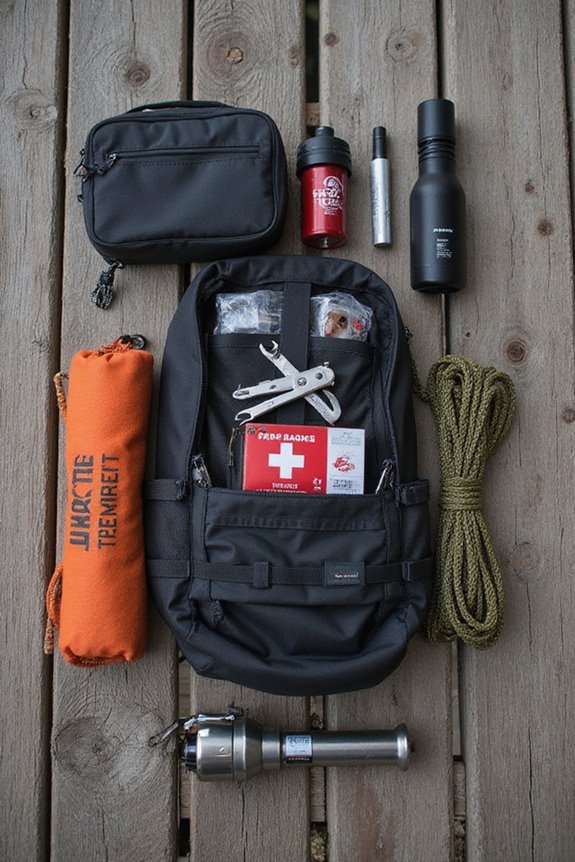
Design innovation plays an essential role too. Insulated concrete forms (ICF) provide a combination of wind resistance and insulation—perfect for securing our loved ones. Having access to durable survival gear can further enhance safety in emergency situations.
Using materials like reinforced concrete and specialty wood, we guarantee that our safe rooms meet strict FEMA and ICC standards. Having a sturdy, reliable shelter can make all the difference, turning stormy fears into mere rainy-day worries. Let’s stay safe together!
Size and Location Considerations
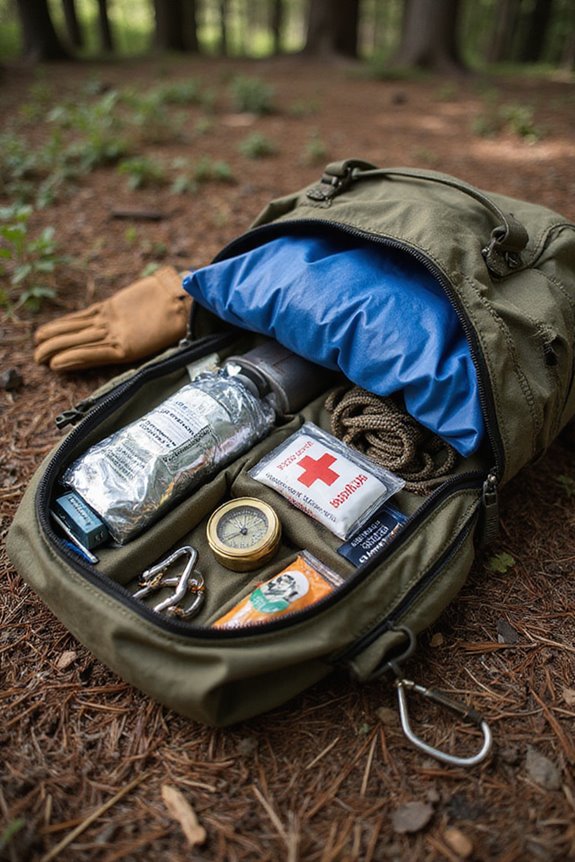
How do we guarantee that our tornado safe room is not just a sturdy fortress, but also fits our family’s specific needs? First, we need to evaluate size specifications. Remember, FEMA suggests about 3 square feet per person. That means if we have a family of five, a 3’x5′ space can work, but let’s think about comfort, too!
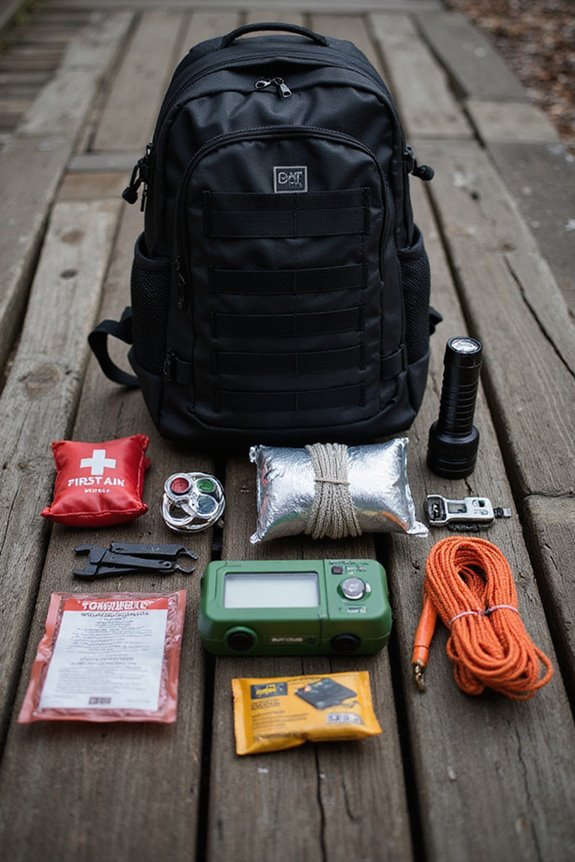
Location accessibility comes next. If it’s outside, make sure it’s within 150 feet of our home for quick access. For an interior safe room, choose spaces like closets or bathrooms to avoid flooding. We want to feel safe, not crammed! So, let’s choose wisely to confirm it’s a cozy shelter when storms hit, allowing room for supplies and our furry friends. Additionally, including first aid supplies and emergency essentials can further enhance the preparedness of our safe room.
Foundation and Anchoring Requirements
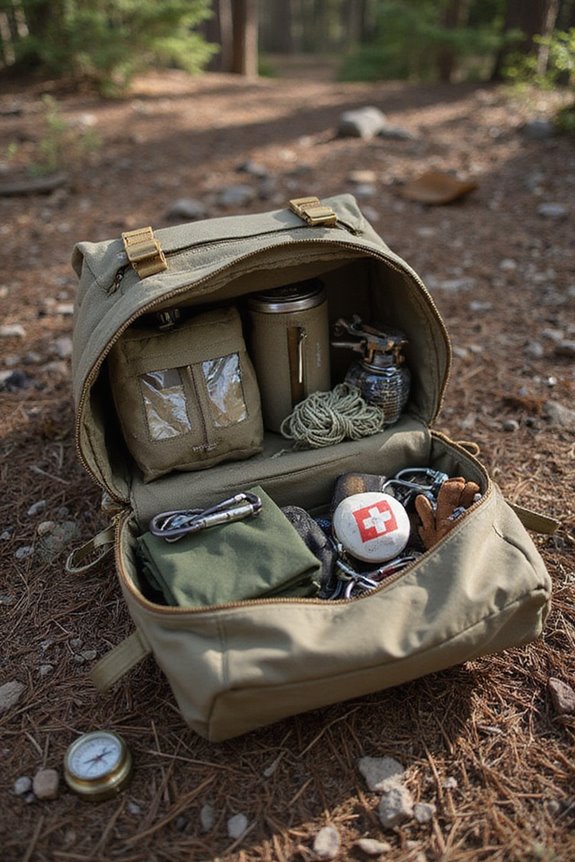
Choosing the right size and location for our tornado safe room is just the first step in ensuring our family’s safety. Now, we need to focus on foundation design and anchoring methods. A solid foundation should be at least six inches thick, reinforced with steel rebar, and built on stable soil. Waterproof sealants are crucial for underground slabs to prevent flooding.
To keep our safe room anchored during strong winds, we’ll use heavy-duty anchor bolts connecting the walls and roof to the foundation. These should be corrosion-resistant and comply with FEMA standards. It’s essential to have a continuous load path, so forces are effectively transferred, preventing any structural failures. Remember, getting this right means a safer haven for our loved ones! Additionally, we can consider using corrosion-resistant materials to enhance the longevity and strength of our safe room’s structure.
Security and Safety Features
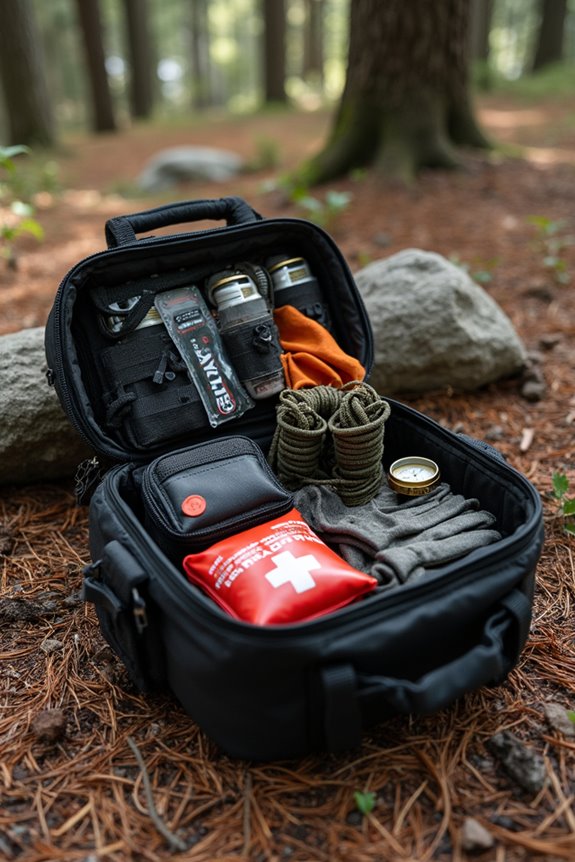
When it comes to our tornado safe room, security and safety features are at the forefront of our minds. These rooms sport 12-gauge solid steel panels, ensuring they can withstand fierce tornado winds and debris. The heavy-duty steel doors often have robust multi-point locking systems, making it tough for unwanted visitors. We’re talking about advanced security technology and safety protocols that would impress even the most diligent watchdogs.
Proper airflow vents let us breathe easy while keeping debris outside, and some rooms even have climate control systems to keep us comfy during long waits. Additionally, many of these rooms are designed with multi-point locking systems that enhance safety. Humor aside, all these features work together to make our safe room a secure haven, letting us weather storms with confidence. Let’s be safe, everyone!
Standards and Certification
No one wants to think about the worst, but understanding standards and certifications for tornado safe rooms is essential. To feel secure, we need an overview of the standards set by FEMA and the ICC. These guidelines assure our safe rooms can withstand winds over 250 mph and heavy debris.
Certification is important, too; it means our spaces meet strict design and construction criteria. When we choose a safe room, we can check if it adheres to FEMA and ICC 500 standards. This documentation helps with local approvals and could even make us eligible for rebates. So, let’s take the time to verify the requirements—peace of mind is worth it when severe weather rolls in! Additionally, ensuring that the safe room’s design includes weather resistance features enhances its effectiveness against extreme conditions.
Benefits of Having a Safe Room
Having a safe room in our homes can be a game-changer when it comes to weather safety and peace of mind. It gives us psychological comfort, knowing we have a secure spot during tornadoes or extreme weather. This sense of security helps ease anxiety—something we all appreciate.
Moreover, having a safe room can boost our property’s value. Homes with these features can sell for up to 10% more, making them appealing to buyers in tornado-prone areas. Plus, they speak to our preparedness and vigilance, showcasing our commitment to safety.
Maintenance and Preparedness Tips
To keep our safe rooms ready for anything, regular maintenance and preparedness checks are essential. We should conduct inspections every few months to catch rust, leaks, or dents. It’s the little things, like checking door seals for an airtight fit, that make a big difference.
Let’s keep our emergency supplies fresh and functional! We ought to check expiration dates on food and medications at least twice a year. Plus, let’s keep those maintenance schedules tight—rotate clothing for seasons and check electronics before storm season.
A clean safe room is a happy safe room, so let’s scrub it down monthly and ventilate well to prevent mold. With these steps, we’ll be ready, no matter what comes our way!
Installation Process and Options
After making sure our safe rooms are well-maintained and stocked, it’s time to turn our attention to the installation process and the different options available. First, we’ll choose between above-ground or underground designs, considering accessibility. Each option has its unique installation timeline, typically involving reinforced concrete foundations that need 28 days to cure.
Using modular panelized assembly techniques, we’ll start with corner panels and gradually tighten bolts to align the frame. We’ll add storm-rated doors for safety, ensuring they have heavy-duty deadbolts. Finally, we’ll secure the shelter with wedge anchors for stability. Remember, careful planning and execution help us avoid last-minute surprises and embrace that cozy tornado-safe feeling!
Community and Local Building Code Compliance
Why should we care about community and local building code compliance when it comes to tornado safe rooms? Well, it directly impacts our safety! Local regulations often adopt FEMA or ICC 500 guidelines, which give specific design and construction standards for tornado shelters. This means we need to guarantee our safe rooms can withstand severe winds and flying debris—talk about serious protection!
When we engage in code enforcement, we’re not just checking boxes; we’re really looking out for each other. Inspectors review permits, making sure our shelters are safe and up to par. So, let’s stay informed about these regulations. It might seem complicated, but it’s essential for safeguarding ourselves and our loved ones in the stormy weather ahead.
Frequently Asked Questions
Can I Customize My Tornado Safe Room Kit?
We can customize our tornado safe room kit together, tailoring safe room features like layout, colors, and functionality to fit our needs. Let’s make it a secure and personal sanctuary for our safety.
How Is a Safe Room Different From a Basement?
A safe room’s reinforced structure and specialized features guarantee safety during storms, while basements have vulnerabilities like flooding and collapse. We believe building a safe room is a crucial choice for protecting our loved ones.
What Are the Costs Associated With Safe Room Installation?
Imagine a fortress built just for us—a safe room. Installation pricing can range considerably, influenced by materials and customization, often costing between $4,500 to $15,000. Let’s navigate these choices together, ensuring our safety.
How Do I Prepare My Family for a Tornado Emergency?
To prepare our family for a tornado emergency, let’s gather tornado preparedness tips, create an emergency communication plan, guarantee we all understand it, and practice regularly—so we’re ready and connected when it matters most.
Are Tornado Safe Rooms Effective Against Other Disasters?
Absolutely, tornado safe rooms offer disaster preparedness beyond just winds. They provide security against hurricanes, fires, and even intrusions—making their benefits invaluable. Together, we can guarantee our loved ones stay safe through various threats.