As an Amazon Associate, we earn from qualifying purchases. Some links on this site are affiliate links at no extra cost to you. Our recommendations are based on thorough research and editorial judgment.

What Is A Family Preparedness Checklist?

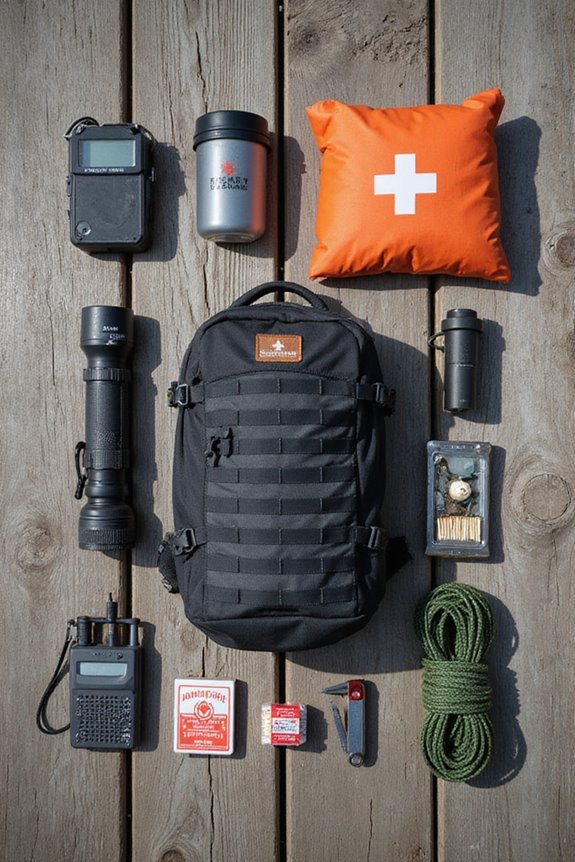
A family preparedness checklist is a tool we can use to get organized for emergencies. It helps us outline steps to take, supplies to gather, and communication plans to set in place. We can identify local hazards, like floods or storms, and plan evacuation routes. Regular updates keep our checklist relevant and effective, ensuring our family knows their roles in a crisis. It’s all about being ready—and a bit of fun in planning goes a long way! Let’s explore how to create one together.
Key Takeaways
- A family preparedness checklist organizes emergency steps, supplies, and individual roles to enhance readiness for unexpected situations.
- It includes communication plans, evacuation routes, and essential emergency kits for various hazards.
- Regular updates ensure the checklist remains relevant and effective for the family’s changing needs.
- Practicing evacuation drills and discussing emergency scenarios fosters a culture of safety and preparedness within the household.
- Maintaining an accessible list of emergency contacts and resources further aids in effective emergency response.
Definition and Importance of Family Preparedness Checklists
When it comes to being prepared for emergencies, a family preparedness checklist becomes our best friend. It’s our roadmap, outlining essential steps and supplies for various emergency scenarios. This checklist effectiveness assists us efficiently organize communication plans, evacuation routes, and emergency kits. By detailing each family member’s roles, we reduce confusion and promote teamwork when it matters most.
To get started, let’s gather supplies like water, food, and specialized items for our unique needs. Breaking it down into individual tasks keeps it manageable. And hey, updating our checklist regularly guarantees it stays relevant! By taking these steps together, we cultivate a sense of security and confidence in our family – making certain we’re ready to face whatever challenges arise.
Identifying Local Hazards and Resources
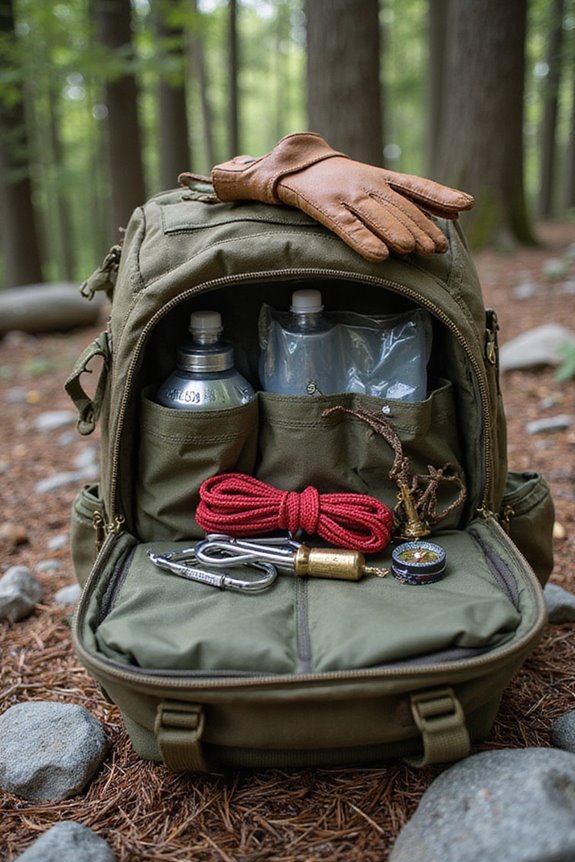
Identifying local hazards and resources is essential for our family’s emergency preparedness. We need to take into account natural disasters that are common in our area, like floods or winter storms, and consult local government websites for hazard maps. Let’s also look into any industrial hazards nearby, like chemical plants.
Knowing where to find emergency resources is just as important. We should list local hospitals, shelters, and fire stations. That way, we have options when we need help.
Don’t forget to check local communication systems for alerts, too. Understanding how to stay informed keeps us one step ahead. Additionally, having access to emergency communication tools can greatly enhance our response during crises. By taking these steps, we’re not just preparing—we’re safeguarding our loved ones with a sense of security. Let’s keep our family safe together!
Creating a Comprehensive Family Emergency Plan
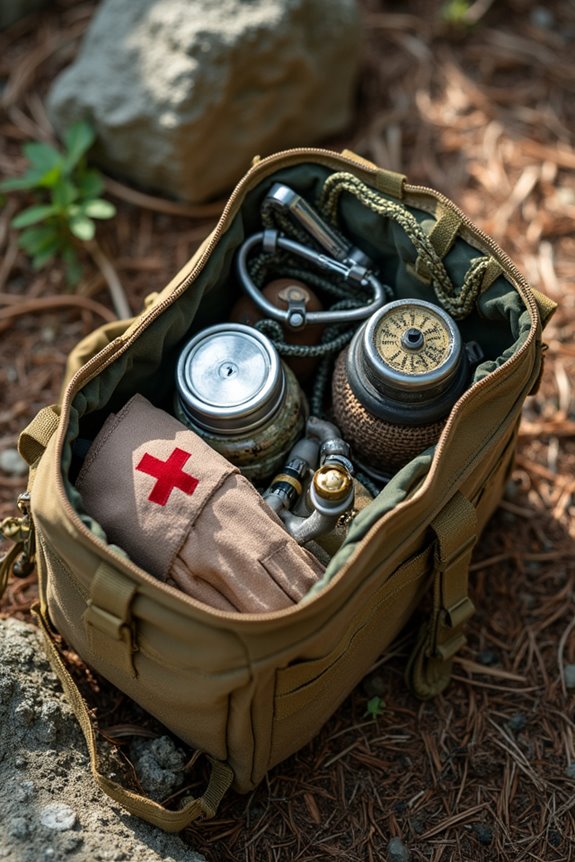
After getting a good grip on our local hazards and resources, it’s time to put together a thorough family emergency plan. Let’s start with family communication. We need multiple emergency contacts, including an out-of-state person to relay messages if local lines go down. Next, let’s nail down those evacuation routes—both primary and secondary—from our home, workplaces, and schools.
We should include meeting spots nearby and outside our neighborhood to guarantee everyone can reunite safely. And don’t forget about practice! We need to run evacuation drills a couple of times a year. Additionally, having a well-organized emergency kit with color-coded sections can facilitate quick access to essential supplies during a crisis. By making these plans together, we’re not just prepared; we’re looking out for each other. Let’s stay safe and ready!
Recommended Products

FAMILY FOOD STOCKPILE:- The NuManna Family Pack serves as the backbone of any Family Food Stockpile. It is a great source of delicious nutrition on its own and pairs well with other food stores. At NuManna, we take pride in creating food that is not only nutritious but also enjoyable enough to eat every day. With a 25+ year shelf life, this Family Food Stockpile will be ready when you need it, ensuring long-term security for your family.

[7200W Whole-House Power Hub] The F7200 is a true powerhouse with a massive 7200W AC output (9000W Surge). It effortlessly runs high-load appliances like central AC, water pumps, and electric heaters—making it the ultimate whole home battery backup.

Enlarged Capacity From 3.84kWh: Anker SOLIX F3800 has 3.84kWh to power your family's needs for one day. If that's not enough, add up to 6 battery packs to expand capacity to 26.9kWh. For extreme situations, add another Anker SOLIX F3800 and 12 battery packs for enough power for two weeks.
Essential Emergency Supplies and Preparedness Kits
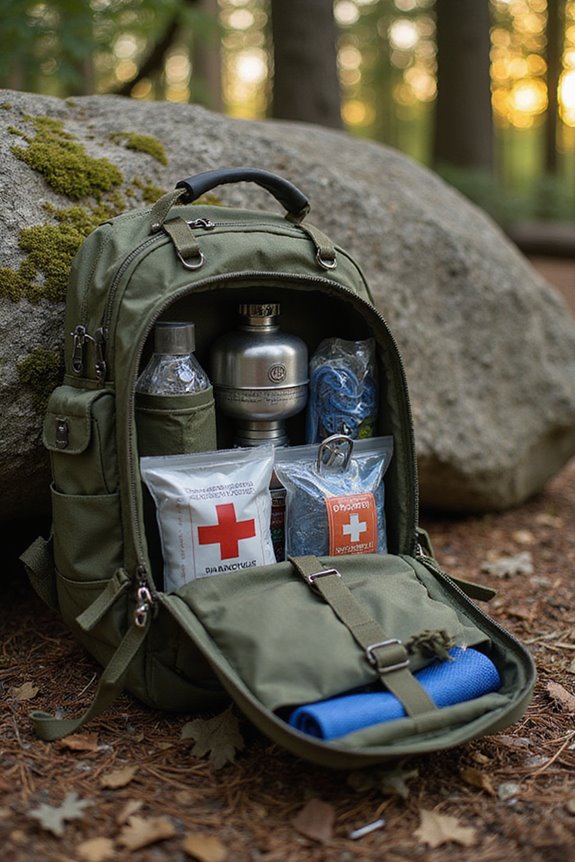
Building a solid supply kit is essential for our family’s readiness during emergencies. We should gather emergency supplies that’ll cover our basic needs. Stock at least two gallons of water per person per day for three days, and don’t forget the non-perishable food! Including a manual can opener is key if we’re packing canned goods.
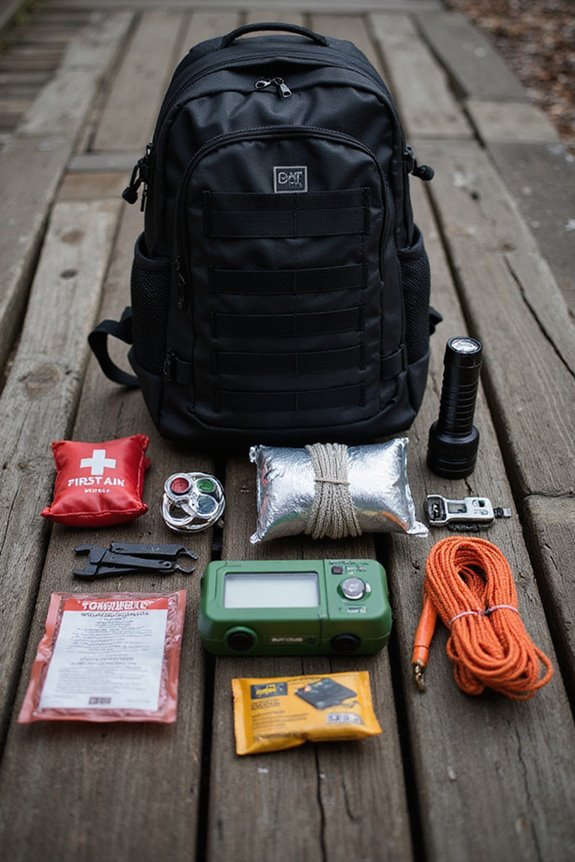
Next, let’s prioritize a thorough first aid kit and personal items like soap and hand sanitizer. Make sure to have a battery-powered radio and flashlight, plus some cash for when electronic payments just won’t work. Additionally, we could look for comprehensive kits that cater to various emergency situations to ensure we have all necessary supplies.
Lastly, for our kids (and pets!), let’s include comfort items and the necessities—diapers, baby food, and pet supplies. A well-prepared family is a ready family. Let’s get started!
Special Considerations for Diverse Household Needs
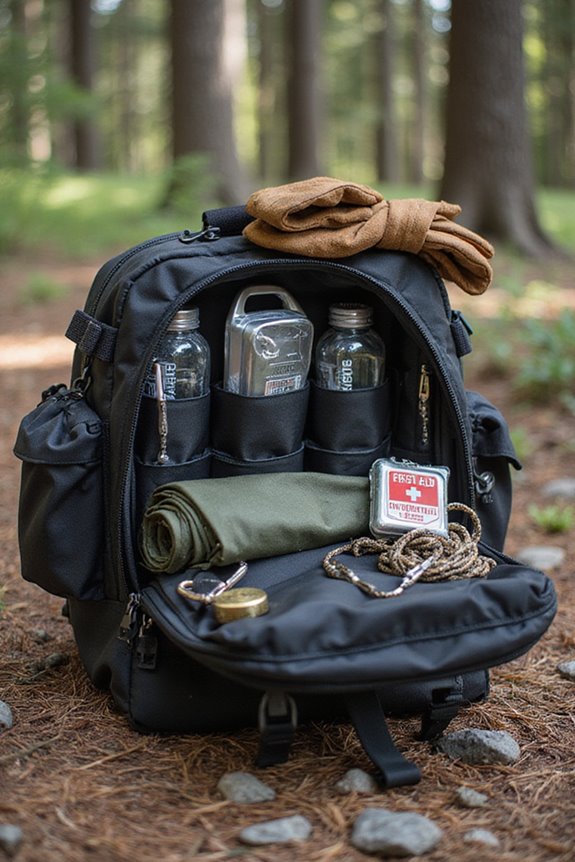
When preparing for emergencies, it’s essential to remember that not everyone’s needs are the same. We must think about disability accommodations for family members with mobility issues or sensory impairments. Stock extra medications and communication devices, ensuring evacuation routes are accessible too.
Let’s not forget cultural sensitivities. We can prepare emergency info in various languages and consider dietary restrictions when packing food.
We should make plans for kids, pets, and service animals. Simple things like including favorite snacks or toys can ease stress for everyone. Additionally, ensure to include high tensile strength supplies like paracord in your emergency kit to assist in various situations.
Practicing and Maintaining the Emergency Plan
Practicing our emergency plan isn’t just a good idea—it’s absolutely essential for guaranteeing that we’re all ready when the unexpected happens. To keep our skills sharp, let’s schedule practice sessions at least twice a year. We can simulate real emergency situations by quickly gathering our emergency kits and following our planned evacuation routes.
Including everyone in these drills will help guarantee that each person understands their role during an emergency. Every practice offers us the chance to review evacuation routes and refine our actions. After each drill, we should talk about what worked and what didn’t, so we continuously improve. Remember, preparedness is all about being ready, not just knowing the plan! Regularly checking and maintaining our emergency kits will also ensure that our supplies remain effective and up to date.
Roles and Responsibilities Within the Family
Successful family preparedness hinges on clearly defined roles and responsibilities. When we assign specific family roles, it streamlines our communication strategies during emergencies. Let’s designate a family member to manage essential documents and update emergency contacts. Assign someone to monitor evacuation routes and keep our vehicles ready. We should also identify who’ll care for vulnerable members, including pets, ensuring everyone knows their duties.
Next, let’s plan for safety! Designate roles for turning off utilities and conducting drills. And don’t forget the importance of checking in with neighbors and arranging alternative shelter if needed. By working together, we not only keep each other safe but also strengthen our bonds. A well-prepared family is a resilient family! Including essential components for preparedness can further enhance our readiness and overall safety during emergencies.
Community Support and Emergency Management Contacts
After setting up our family roles for emergencies, we should also think about the bigger picture: what’s happening in our community. Knowing our local emergency management contacts is essential. We can find lists of county emergency managers, complete with phone numbers and emails, on their websites. This allows for quick access when we need help.
It’s also smart to integrate with community organizations. They collaborate with emergency management to provide support like shelters or food during crises. By enrolling in local alert systems, we get timely notifications, keeping us informed about potential threats. Let’s not forget to reach out to local volunteer teams—working together strengthens our readiness and keeps our community safe!
Regularly Updating Your Preparedness Checklist
Every family should commit to reviewing and updating their emergency preparedness checklist at least once a year. This is a great way to guarantee our safety, isn’t it? We could start by checking our emergency kits—replacing expired food, water, and medications. Let’s consider frequency updates, like rotating our water supply every six months to keep it fresh.
We should also adjust checklist examples to fit our family’s changing needs, whether that includes new pets or growing kids. Don’t forget to update important contact numbers and evacuation routes. Practicing fire drills and keeping our emergency plans ready is essential too. Regular updates keep us all prepared and connected, so let’s make it a family tradition!
Recommended Products

Emergency Water Supply for Families & Groups:- A case of long-lasting purified water, ideal for ensuring hydration in emergencies and survival situations.

DEFENDER DOZEN NUTRITIVE PACK:-The Defender Dozen Nutritive Pack offers the ultimate in Healthy Bulk Emergency Meals, featuring 12 comprehensive Defender Nutritive Packs from NuManna Foods. Designed to provide a robust and nutritious emergency food solution, this package includes a total of 2,448 servings. It combines 1,448 servings of gourmet meals with an additional 960 servings of organic grains and superfoods such as chia seeds and organic quinoa. With a variety of delicious meal options like Pasta Primavera, Sweet Habanero Chili, and Enchilada, Beans & Rice, these Healthy Bulk Emergency Meals ensure that you have access to nutritious and flavorful options in any emergency situation.

The F3800 Plus Power Station, 400W Solar Panel, and Transfer Switch Kit will be dispatched separately. If you receive one item before the others, please await the arrival of the remaining items.
Frequently Asked Questions
How Often Should We Review Our Family Preparedness Checklist?
We should review our family preparedness checklist at least annually, ensuring we make necessary checklist updates. Regular checks, especially with changes in our lives, help keep us prepared and connected as a family.
Can We Create a Digital Version of Our Preparedness Checklist?
Absolutely, we can create a digital version of our preparedness checklist! By using tech tools and digital formats, we can collaborate easily, stay updated, and guarantee everyone’s involved, making our planning more effective and accessible.
What Should We Include for Infants and Toddlers in Our Supplies?
We should include essential infant supplies like formula, diapers, and a first aid kit, along with toddler gear such as clothing, hygiene items, and comfort objects. Let’s guarantee our little ones feel safe and secure.
What Resources Exist for Low-Income Families Regarding Preparedness?
We’ve got access to community resources offering financial assistance for low-income families in emergencies. Programs like TANF and LIHEAP support us with essentials, ensuring we stay safe and connected during unpredictable times.
How Can We Involve Extended Family in Our Emergency Plan?
To involve extended family in our emergency plan, we’ll enhance our family communication, assign roles, share resources, and practice together. Let’s guarantee everyone’s aware and prepared, creating a strong support network when it matters most.