As an Amazon Associate, we earn from qualifying purchases. Some links on this site are affiliate links at no extra cost to you. Our recommendations are based on thorough research and editorial judgment.

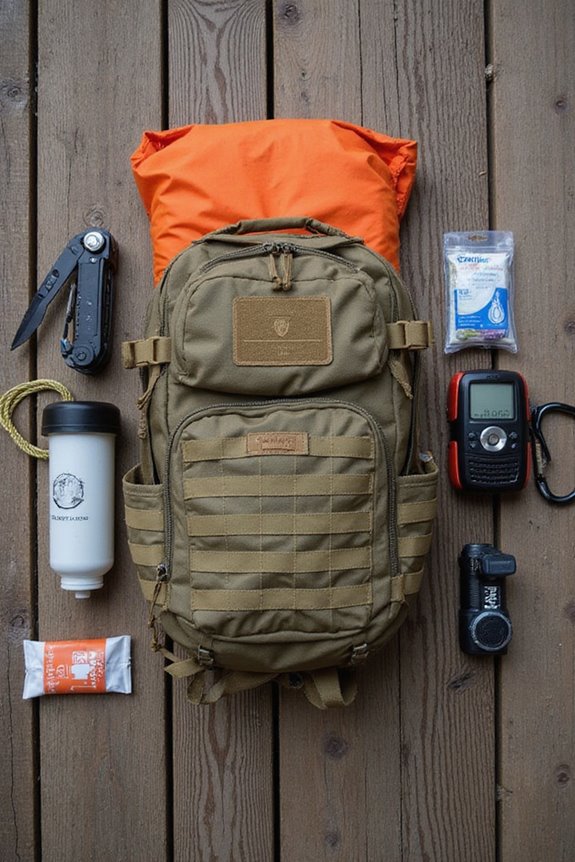
How To Test Backpack Fit?

To test a backpack fit, first load it with about 15 pounds and put it on. Adjust the hip belt snugly on your hips without pinching. Confirm shoulder straps are snug but comfy, anchoring just below your shoulders. Take a few steps and notice how it feels. Try lunges to check for pinching. If it sways or doesn’t feel stable, make adjustments. Remember, a well-fitted pack can make your hike a breeze, and there’s more to learn about the perfect backpack setup!
Key Takeaways
- Load the backpack with about 15 lbs to simulate weight during movement testing.
- Adjust the hip belt snugly on the iliac crest and ensure no pinching occurs.
- Test shoulder strap adjustments for comfort; they should anchor just below the shoulders.
- Perform dynamic movements like lunges to check for pinching or instability.
- Monitor walking speed and trunk rotation for overall comfort while wearing the pack.
Importance of Proper Fit
When it comes to a backpack, think of it as your best buddy on outdoor adventures. A proper fit is critical to keeping back pain and muscle fatigue at bay. When we’re hiking, a well-fitted backpack hugs our body, distributing weight evenly and allowing us to maintain natural posture. This prevents those awful hotspots that ruin our day. To test the fit, we should adjust the shoulder straps and waist belt so they sit snugly. Then, we’ll walk around a bit. If we feel balanced and energetic, we’ve got it right! Remember, feeling good while we trek enhances our experience. A well-fitted backpack isn’t just about comfort; it’s about enjoying every step we take together. Additionally, a quality backpack should have adjustable padded straps to enhance comfort and help distribute weight during long hikes.
Key Measurements for Sizing

Finding the right backpack starts with getting some key measurements, which we can do ourselves with just a little practice. The first step is measuring our torso length. Let’s locate the C7 vertebra by tilting our heads forward and find the iliac crest at our hips using our thumbs. Measure the vertical distance between these two points while standing straight—it’s crucial for choosing the right pack size. Additionally, it’s important to consider the recommended backpack capacity for multi-day survival trips, which is between 50-80 liters.
Next, we’ll take our hip measurement. Wrap a flexible tape around the widest part of our hips, which is where the hip belt will sit. This helps guarantee the weight transfers comfortably from our shoulders to our hips. Trust us; a proper fit makes all the difference in the world. Now, let’s get sizing!
Recommended Products

Included raincover made with PFAS-free DWR and bluesign approved materials

Included raincover made with PFAS-free DWR and bluesign approved materials

KELTY’S MODERN FLAGSHIP: Based in sunny Colorado since the 50s, Kelty knows a thing or two about packs. The 2023 Glendale is the result of decades of design experience executed with modern materials and thoughtful tech upgrades
Adjusting Backpack Components
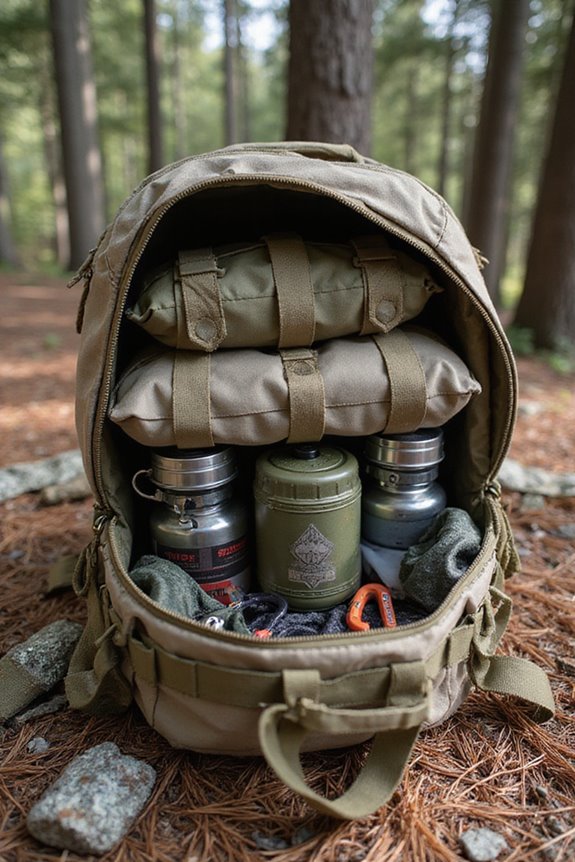
Now that we’ve nailed down those key measurements, it’s time to adjust the various components of our backpack to confirm it fits just right. First, let’s position the hipbelt on our iliac crest, tightening it snugly without pinching. Remember, common adjustment mistakes include setting it too high or low, so let’s adjust the shoulder straps accordingly.
Next, let’s talk shoulder straps. They should be snug, but not too tight; we don’t want to feel like we’re in a bear hug! After that, we’ll tighten the load-lifters at a 45-degree angle for ideal weight distribution. Finally, the sternum strap will stabilize everything; we just need to verify it’s not restricting our breathing. With some practice, we’ll master these proper adjustment techniques! Also, ensure to consider the weight limit for ultralight backpacking gear, as keeping your pack light greatly enhances overall fit and comfort on your adventure.
Recommended Products
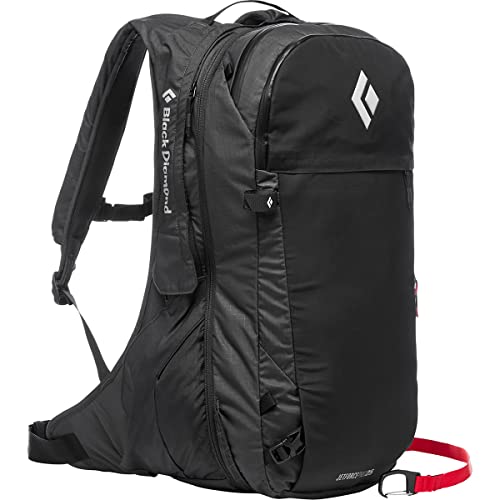
Redesigned JetForce technology is smaller, lighter and repositioned for better carrying capabilities

ALL ACCESS MEMBERSHIP: Experience the full potential of your StrongGo Rower with Aviron’s all-access membership (sold separately). Unlock a diverse library of 1,000+ addictive games and programs to end boring workouts.

Zips: YKK with DWR coating
Testing Fit Through Movement
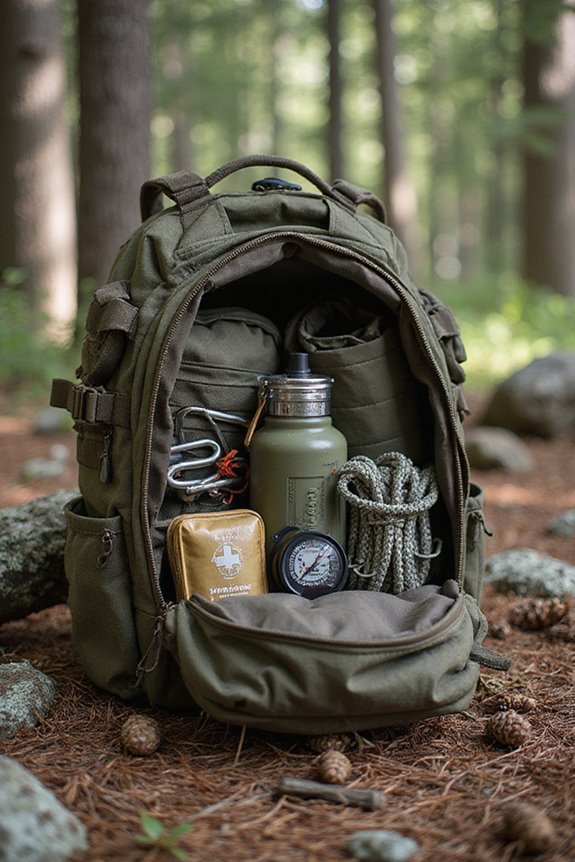
Testing a backpack’s fit through movement is key to guaranteeing it won’t become a nuisance on our adventures. First, let’s load up our pack—about 15 lbs works well. As we walk, we’ll monitor walking speed and trunk rotation, checking for pressure points. It’s essential that the backpack feels comfortable and stable.
We can make dynamic load adjustments, like tightening the hip belt and loosening the shoulder straps, to find that sweet spot of balance. Let’s also try some movement tests, like lunges, to verify there’s no pinching or instability. Additionally, we need to ensure the backpack is made from durable materials to withstand various outdoor conditions.
Finally, let’s remember to do some stability assessments while we walk. This monitoring helps us maintain proper body mechanics and makes certain our pack feels secure as we explore.
Evaluating Comfort and Support
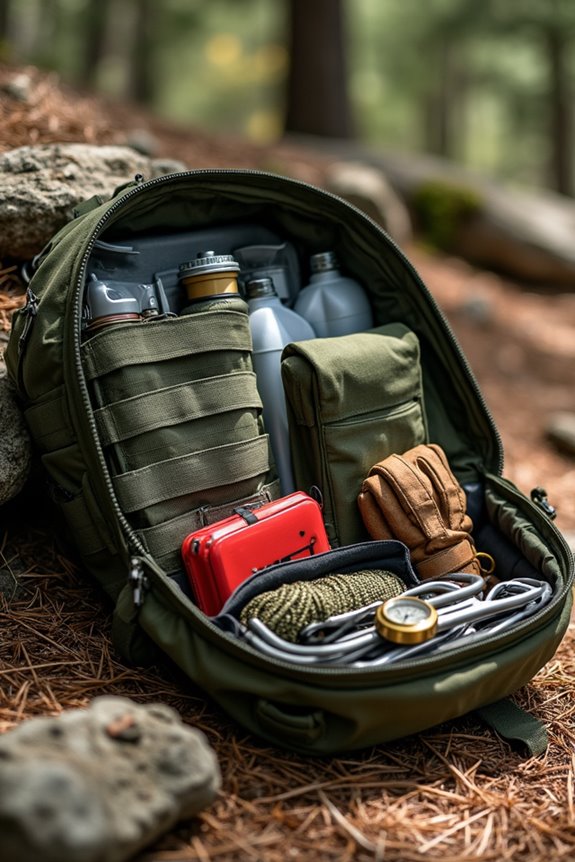
When we’re out and about, comfort and support shouldn’t get lost in the shuffle. To guarantee our hip belt carries 80-90% of the pack’s weight, let’s position it snugly on our iliac crest, avoiding any discomfort on the waist. Remember, if it’s too tight, we’ll feel pressure points, which isn’t good.
Next, let’s check the shoulder straps. They should anchor just below our shoulders and be adjustable. A well-fitted strap distributes weight evenly, making it less likely to shift around while we walk. Also, look for S-shaped straps for women—these help reduce chest pressure.
Additionally, ensure the backpack’s design includes adjustable, padded straps to further enhance comfort during long treks. Let’s take a few steps to feel how everything moves together, adjusting as needed, so we can enjoy our adventure comfortably!
Long-Term Performance Considerations
While finding the right fit for a backpack is essential for immediate comfort, we shouldn’t overlook long-term performance. A thorough durability assessment is crucial. We should inspect stitching quality, focusing on reinforced seams to prevent quick wear. Let’s simulate a load with our gear to gauge the pack’s stability through a shake test.
Load distribution impacts our balance—so, we should consider packs with adjustable suspension and dual-compartments for better weight handling. Remember, carrying excessive weight can zap our energy and affect decision-making. Additionally, choosing durable materials ensures that our gear can withstand the elements and rough conditions over time.
By prioritizing materials that resist abrasion and moisture, we’re gearing up for the long haul.
Investing time to analyze these factors means we’re setting ourselves up for memorable adventures, not just quick trips!
Recommended Products

🔵【Ultra-Lightweight & Superior Protection】 Crafted from 100% Aerospace-Grade Carbon Fiber Shell, independently tested to provide exceptional strength and durability. At only 6 lbs, it’s 72% lighter than traditional ABS or fiberglass cello cases, ideal for musicians who value portability and reliable protection.

DESIGNED TO FIT EVERY FAMILY: The reimagined Vista V3 Stroller offers 30+ configurations to grow with your family starting from birth up to 3 children in tow
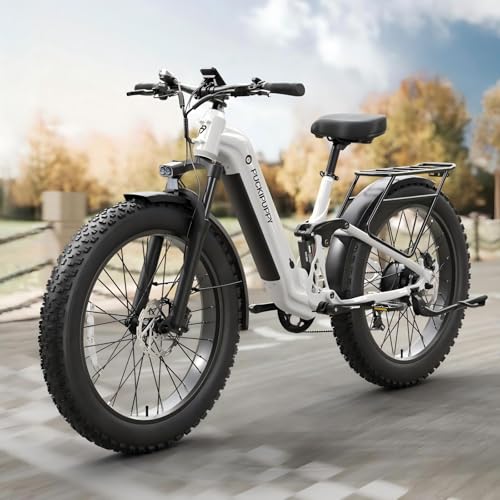
2026 SUPER SHOPPING FESTIVAL: PUCKIPUPPY-BOXER ST Exciting 24-hour shopping spree!!! PUCKIPUPPY is upgrading a full riding accessory package! AND! Kick off the double bike event. Hurry up and get yourself a high quality e-bike at the most amazing price! Now is the best time of the year to own a BOXER-ST!!!
Frequently Asked Questions
What Are the Signs of an Ill-Fitting Backpack?
When our backpacks pinch our shoulders and sway like boats in a storm, it’s a sign of poor size and uneven weight distribution. If discomfort whispers in our ears, we realize it’s time to reassess.
How Often Should I Adjust My Backpack During Use?
We should adjust our backpacks regularly, especially after breaks or when discomfort arises. Keeping proper alignment is key for comfort and stability, so let’s make those adjustments to stay connected with the trail.
Can I Test Fit With a Loaded Backpack?
When it comes to testing fit with a loaded weight, we absolutely can! Making those fit adjustments guarantees comfort and stability. Let’s hit the trail together, and find that perfect balance for our adventure!
What Materials Affect Backpack Fit and Comfort?
The materials we choose, like padding and fabric, greatly influence weight distribution and comfort. By prioritizing lightweight, breathable options, we can guarantee a better fit and enjoyable experience, making our adventures more pleasant together.
How Do I Choose a Backpack for Specific Activities?
Choosing a backpack is like finding the perfect partner—it needs to fit our activities! We should consider features tailored for hiking, commuting, or travel, ensuring comfort and support for every adventure we undertake together.