As an Amazon Associate, we earn from qualifying purchases. Some links on this site are affiliate links at no extra cost to you. Our recommendations are based on thorough research and editorial judgment.

How To Start A Home Emergency Plan?

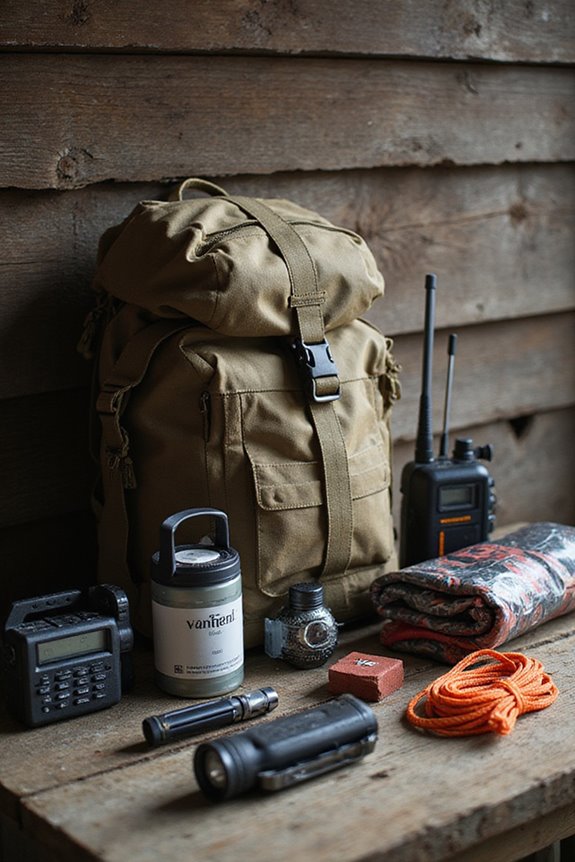
Starting a home emergency plan is key to keeping our loved ones safe. First, we need to identify local risks, like floods or storms. Then, let’s assess our household’s needs, especially if we have kids or elderly family members. Next, we’ll come up with a communication strategy and choose a meeting place. We should also pack an emergency kit with essentials like water and food. Finally, let’s review our plan often to stay prepared. Stick around and we’ll cover more details!
Key Takeaways
- Identify local risks and hazards by examining microclimates, consulting FEMA’s National Risk Index, and reviewing historical disaster events.
- Assess household vulnerabilities, focusing on family demographics, home location, and the specific needs of family members.
- Develop clear communication strategies, including a list of emergency contacts and designated meeting places for family members.
- Prepare an emergency supply kit with essentials, including water, non-perishable food, medical supplies, and special needs items.
- Maintain health and medical records, ensuring easy access to up-to-date information on medications and health conditions during emergencies.
Identify Local Risks and Hazards
When it comes to our safety, one of the first things we need to do is identify the specific risks and hazards in our area. We can start by looking closely at local microclimates. These can really influence storm severity and frequency, even in neighborhoods right next to each other. By using resources like FEMA’s National Risk Index, we can discover what natural disasters—like hurricanes, tornadoes, or wildfires—pose the biggest threat to our community.
Let’s gather detailed hazard maps and consult local emergency management sites for tailored preparedness information. Knowing what we’re up against is key to building community preparedness. Together, we can assess our surroundings and create a solid foundation for emergency planning that protects all of us. Additionally, it’s wise to include thermal blankets in our emergency kits to ensure we stay warm during unexpected weather changes.
Assess Household Vulnerabilities

After we’ve identified the local risks and hazards, it’s time to assess our household vulnerabilities. This vulnerability assessment helps us understand who might need extra support during emergencies. Think about our family’s demographics—are there elderly members, kids, or folks with disabilities? Their needs are essential.
Let’s also consider our home’s location and structure. How close are we to flood zones? Do we have sturdy housing? If we depend on surface water, it’s worth checking its safety in a disaster.
Don’t forget community engagement! Local programs can assist us, offering insights and support. By being open about our vulnerabilities, we strengthen our preparedness. Together, we can create a more resilient household! Additionally, consider investing in survival gear kits that cater to your family’s specific needs to enhance your emergency readiness.
Research Historical Disasters
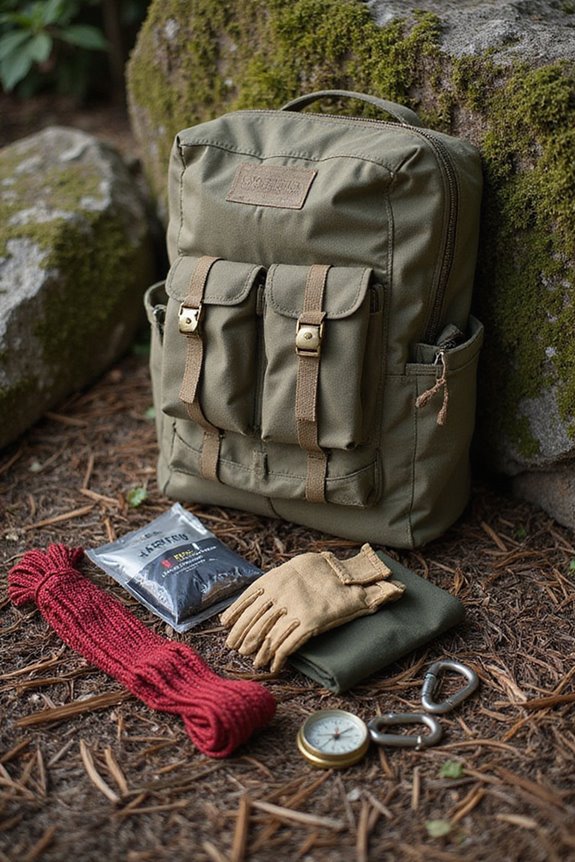
Researching historical disasters helps us understand the types of emergencies we might face and how to prepare for them. By diving into historical disaster analysis, we learn that cyclones—like the catastrophic 1970 Bhola cyclone—can have devastating effects. Imagine losing over half a million lives; that’s a wake-up call!
Let’s also consider the Great Kantō earthquake or the Peshtigo Fire—events that shook communities to their core. Familiarizing ourselves with these incidents enhances our resilience. We can adjust our emergency plans, ensuring we’re equipped for potential flooding or cyclone impact. Additionally, understanding weather resistance can influence how we prepare for these natural events and mitigate their impact on our lives.
Develop Communication Strategies
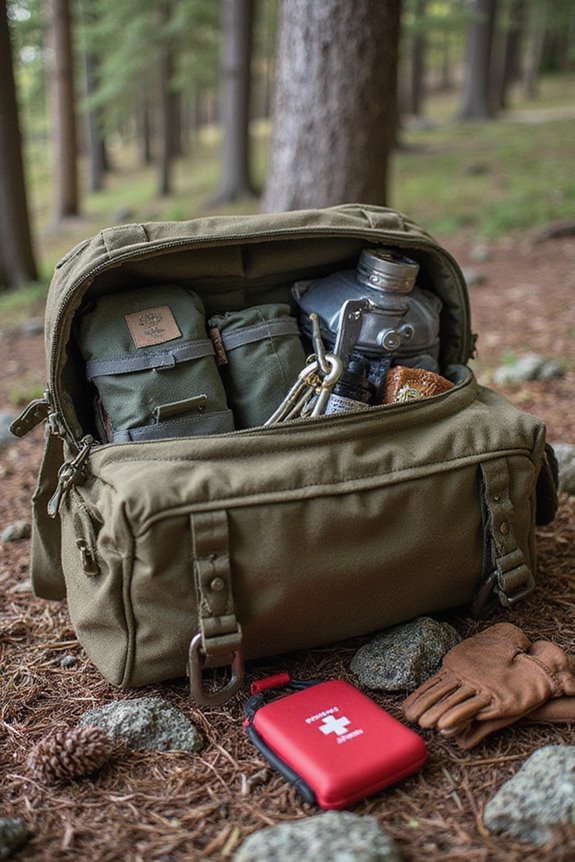
Developing effective communication strategies is essential for ensuring everyone in our household stays informed and connected during an emergency. First, let’s identify key contacts and store their details in our devices. When the unexpected happens, we might face communication challenges, so we should designate a lead person to send updates about meeting places.
Using multiple communication methods—like text, social media, and email—can help us maintain message clarity. Practicing our communication plan regularly reinforces its significance. While we hope we won’t need it, having a written contact list and out-of-state contact can save us time if we get separated. Together, let’s make sure our loved ones know how to reach each other, fostering reassurance during stressful times. Furthermore, having a well-stocked survival kit ensures that we’re prepared for various emergencies.
Establish Emergency Meeting Places
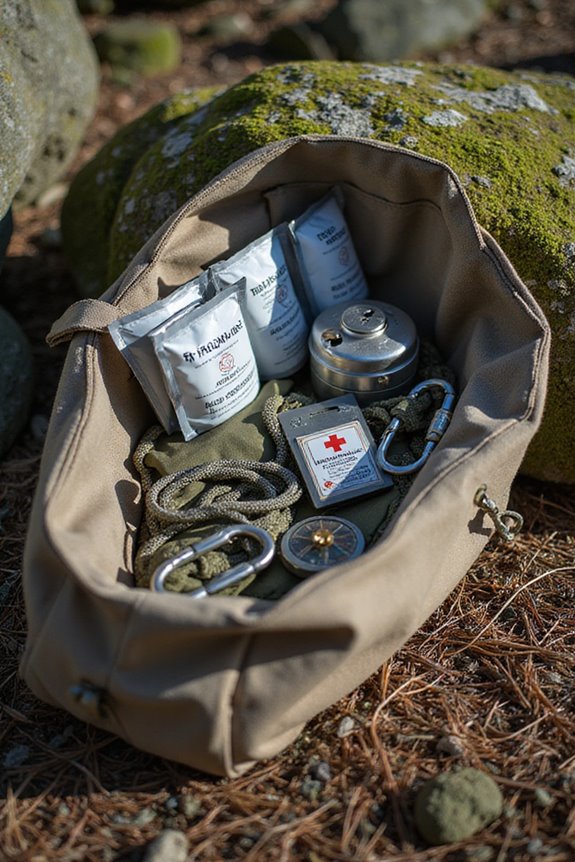
Emergencies can strike when we least expect them, so it’s crucial to have a plan in place that helps everyone know where to go. First, let’s designate locations for meeting up—like the front yard or a neighbor’s house for quick access during a fire. We can also choose a secondary spot away from home, maybe a relative’s place or a community center.
Next, let’s coordinate with our neighbors. Sharing these locations helps create a stronger neighborhood response. We should confirm every family member, including our furry friends, knows how to reach these spots. Don’t forget to practice our routes together, so when a crisis hits, we aren’t just standing in confused circles. Let’s make certain everyone feels safe and ready! Additionally, having a comprehensive emergency kit on hand can significantly improve preparedness during an unexpected situation.
Designate Emergency Contacts
Having a reliable plan for emergencies is just as important as knowing where to meet up with loved ones. We should designate emergency contacts who can help us in crisis situations. Let’s create a list that includes names, phone numbers, and relationships. It’s wise to organize meetings with both primary and alternative contacts, ensuring we have multiple options.
Storing this contact list digitally makes updating it easier. We can jot down work and home numbers, along with email addresses for all our contacts. Remember to keep this list safe but accessible. Regularly reviewing it can save precious time during emergencies, allowing us to act quickly when it matters most. Additionally, include NOAA weather alerts in your plan to stay informed about severe weather conditions that may affect your area. Let’s keep each other safe!
Teach Emergency Procedures
When it comes to emergency situations, everyone should know basic procedures to stay safe and help others. First, let’s learn our evacuation routes. We should practice each route twice a year to reduce panic when the time comes. Having safe destinations in mind—like friends’ homes or official shelters—helps too! Designating a meeting spot if we’re separated is essential, and don’t forget about our pets; researching pet-friendly shelters can make a big difference.
We also need to understand shelter procedures. Sometimes, staying put is safer than leaving. Knowing how to seal doors and windows keeps us protected. By teaching these procedures together, we’re building our confidence and preparedness. After all, staying safe is a team effort!
Compile an Emergency Supply Kit
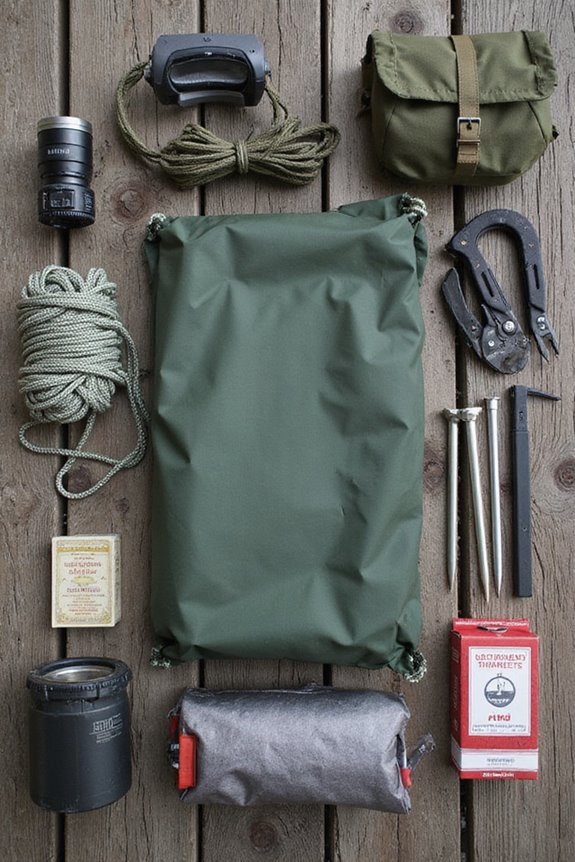
As we think about our safety, putting together an emergency supply kit is a smart move. Let’s start with our water storage—it’s essential to have at least one gallon of water per person per day for at least 3 to 10 days. Next, we need emergency food: non-perishable items like canned goods, energy bars, and easy-to-eat dehydrated meals. Don’t forget that manual can opener! We should also consider special needs—baby formula or pet food, if applicable.
And let’s pack all of this in waterproof, airtight containers to keep everything fresh. It’s all about being prepared, friends. When the unexpected happens, we’re gonna want to be ready for anything that comes our way!
Recommended Products

1-Hour Class 350 Fire with Impact UL label. Tests include 1 hour exterior file exposure at 1700°F, a 2000°F explosion test, and a 30 foot drop to test impact integrity. Made in USA

COMPLETE 12-BUCKET EMERGENCY FOOD SUPPLY KIT: Includes twelve durable buckets containing a full assortment of breakfast, lunch, and dinner meals designed for long-term emergency preparedness. Ideal for families, long-term food storage planning, survival situations, off-grid living, and disaster readiness.

Two wide file drawers built with high sides for use with hanging folders and 1 follower block per drawer
Prepare for Evacuation
While nobody wants to imagine leaving their home in a hurry, preparing for an evacuation can make all the difference when disaster strikes. First, let’s map out our evacuation routes from each room. We should draw a plan that includes two escape routes, marking exits and any big furniture blocking our way. Next, it’s smart to set a meeting point outside our home—somewhere easy to find.
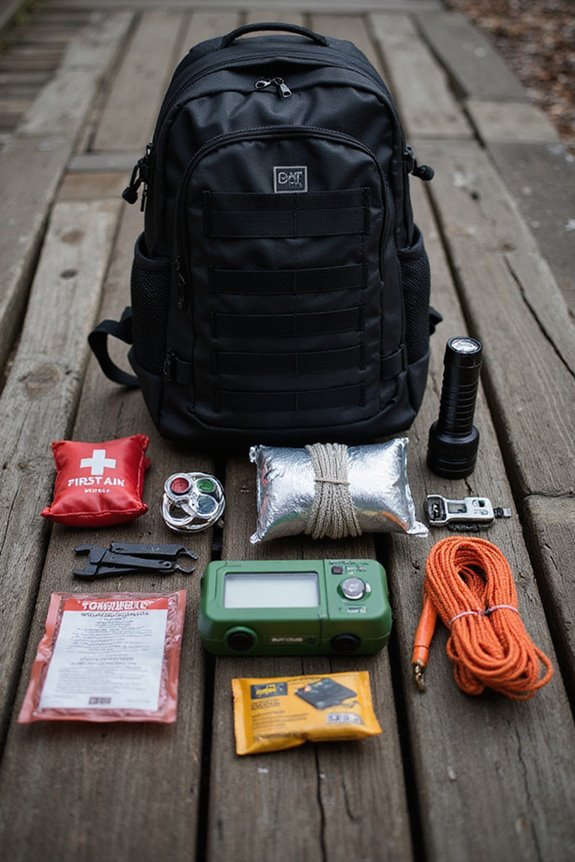
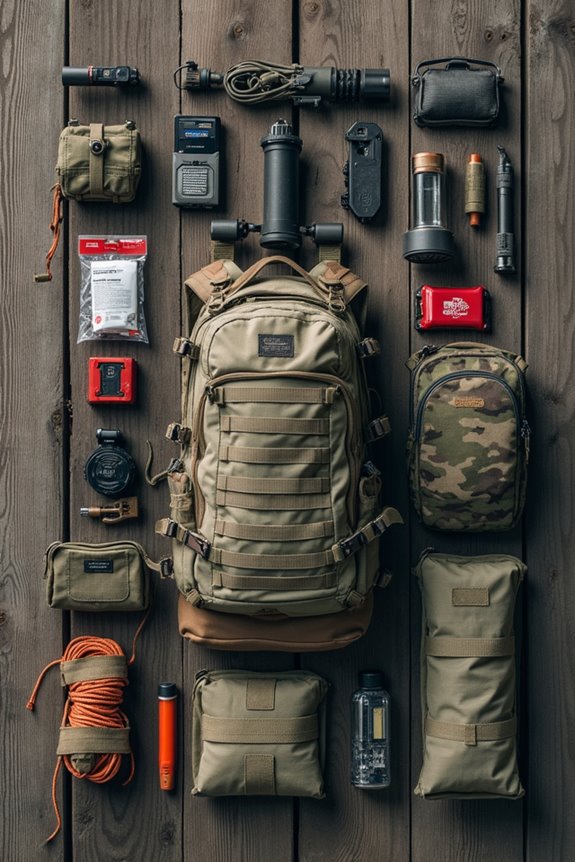
Don’t forget to communicate! We should have a family plan that includes a designated out-of-state contact. Keeping a “go-bag” with essentials is vital, too. Regularly practicing our routes and communication methods will make us feel more confident. Let’s stay safe and make certain we’re ready for whatever comes our way!
Recommended Products
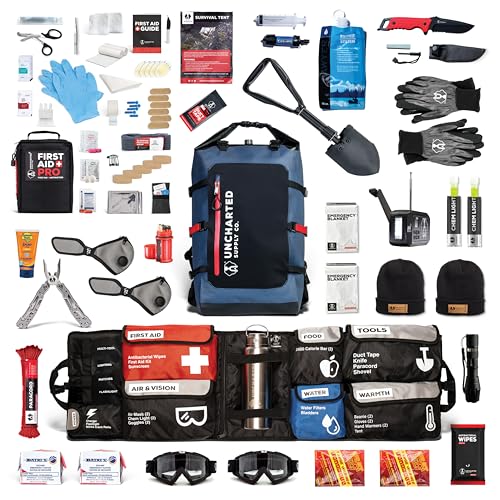
PREMIUM BUG OUT BAG FOR 2: Developed with first responders, this 72-hour survival kit includes over 60 essentials to help you stay prepared during blackouts, earthquakes, hurricanes, and other real-world emergencies.

SURVIVAL KIT FOR EXTREME EMERGENCIES: This 72-hour survival kit bug out bag includes 291 pieces of essential gear to assist two adults during disasters, evacuation, or outdoor survival. Includes shelter, water filter, food, tools, first aid, hygiene, lighting, and a 45L emergency backpack. Ideal for preparedness at home, in a vehicle, or packed for grid-down scenarios.

Extra Peace of Mind with Identical Bags: The two (or three) bags are built identical to one another as stand-alone bug out bag for 2 people so if you happen to get separated from one another both parties will still have all the supplies they need!
Plan for Home Safety
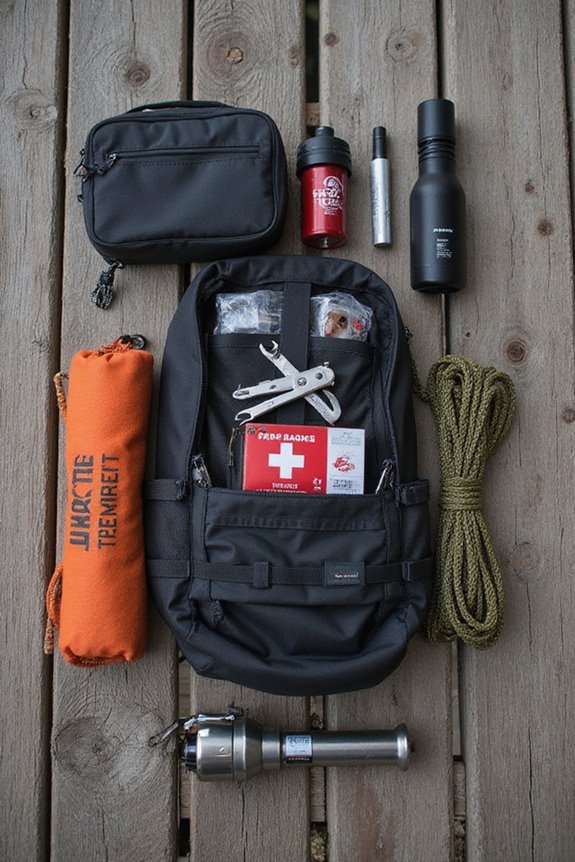
Planning for home safety isn’t just a good idea; it’s vital for protecting ourselves and our loved ones during emergencies. We should prepare our supplies—start with a first aid kit, non-perishable food, and bottled water. Flashlights and batteries? Absolutely vital for those unexpected power outages!
Let’s not forget a communication plan. We need emergency contact numbers and a designated meeting place. Safety drills can help everyone stay familiar with the plan.
It’s also vital to understand our home insurance details. Knowing what’s covered can offer peace of mind. Regularly reviewing our safety map and practicing escape routes keeps us sharp and ready.
Together, we can build a stronger safety foundation!
Recommended Products

System Components:Delivers up to 10kW power output with 120V/240V single-phase split-phase support, making it suitable for smoothly running common household appliances. The system includes 18 × 590W solar panels with a total PV capacity of 10620W, capable of generating up to 39.36 kWh per day under optimal conditions, along with two 48V 314Ah portable LiFePO₄ battery offering 32.2 kWh of energy storage. Complete with necessary cables, this all-in-one solar solution is designed for convenient setup and reliable home power support.

Protects valuable equipment and materials with back-up load arrestor system, 1,760 lb (800 kg) maximum load rating with 13 ft (4 m) of 1/4" (6 mm) galvanized cable and pulley

Compact, rugged, and easy to use
Customize the Plan for Specific Needs
To customize our home emergency plan effectively, we need to pay attention to the unique needs of every household member. Let’s think about special needs, like communication aids for our loved ones who require them. We also need to account for dietary restrictions, ensuring we have suitable food on hand.
When planning, it’s vital to include evacuation assistance for those who might need extra help. Don’t forget about our pets! Pet care is important, so look for places where they’re welcome.
Include Health and Medical Considerations
When we’re building our home emergency plan, incorporating health and medical considerations is a must. First, we should focus on medication management. Let’s guarantee we have at least a 30-day supply of all prescribed medications, along with a list of dosages and prescribing doctors. Believe me, we don’t want to scramble for those during a crisis!
Next, let’s gather our health records. We need to compile up-to-date medical information, including allergies, chronic conditions, and insurance details. Keeping these in both physical and digital formats is smart—after all, we might not always have power!
Finally, let’s make certain we have backups for medical equipment. Stocking extra batteries or even duplicates of must-have devices can really make a difference. We’ve got this!
Recommended Products

𝗗𝗶𝗺𝗺𝗮𝗯𝗹𝗲 𝗥𝗚𝗕 𝗕𝗮𝗰𝗸𝗹𝗶𝘁+𝗙𝗿𝗼𝗻𝘁 𝗟𝗶𝗴𝗵𝘁𝗲𝗱 - ACEMIRO lighted medicine cabinet integrates fashion and fantasy with 3000k-6000k 3-color temperature adjustment + Colorful RGB backlight modes(11 multi-color selections). The backlight and front light could be stepless dimmable and adjusted from 10% to 100% brightness to match your preferences while provide sufficient light source. Give an artistic touch of luxury to your home décor.

Reduces stress on animal and minimizes discomfort compared to other dosing methods

72 HOUR EMERGENCY PREPAREDNESS FOR 1 TO 2 PEOPLE - This survival kit is pre-packed with food, water, shelter, first aid, and tools to support 1 to 2 people for up to 3 days. Works as a bug out bag, go bag, family emergency kit, or grab and go backpack for home, car, office, or travel. Designed for outdoor adventures and unexpected events.
Maintain Emergency Records
Maintaining emergency records is something we should always prioritize. It’s not just about keeping papers; it’s about ensuring we’re ready for anything life throws our way! First, let’s talk about documentation organization. We need to gather essential records, identification, and medical information, making sure they’re all stored in fireproof and waterproof containers.
Record accessibility is key. We should have copies both onsite and in a safe place, like a cloud storage service, so everything’s readily available when we need it. Let’s label everything clearly for easy retrieval. Finally, we’ll review these files at least annually, tossing out what we don’t need. A little organization now can save us a lot of stress later!
Recommended Products

FIRE RATED FILING CABINET can endure fire for 1 hour while maintaining interior temperatures, ensuring your documents, certificates & valuables remain safe in extreme conditions
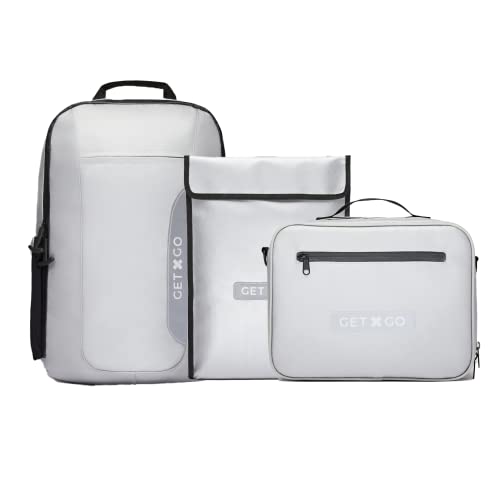
FIREPROOF B1 certified Material - Hardly Flammable Silicone coated fiberglass withstand up to 1832°F
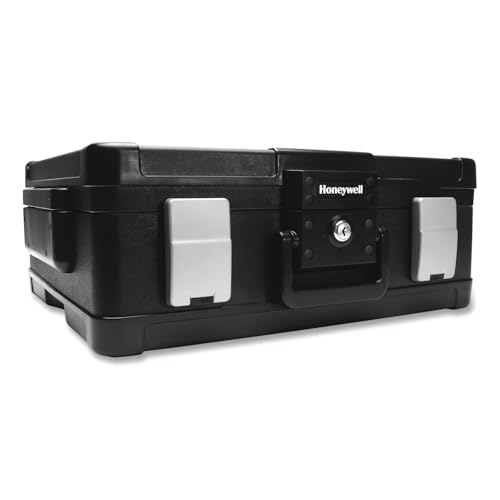
Manufacturer: Honeywell
Review and Update the Emergency Plan Regularly
Regularly reviewing and updating our emergency plan is essential for ensuring we’re always prepared. We should set a “review frequency” of every 6 to 12 months, using calendar reminders to stay consistent. During these reviews, let’s verify emergency contacts, meeting places, and evacuation routes. It’s also important to check that everyone knows their roles; you wouldn’t want Uncle Joe confused about where to go in an emergency!
When it comes to “update methods,” we should incorporate feedback from drills we’ve run or actual emergencies we’ve faced. That way, we’re improving our plan instead of just keeping it on paper. Let’s remember, a little practice goes a long way in making sure we’re all safe and sound together!
Frequently Asked Questions
How Can I Involve My Children in the Emergency Planning Process?
To involve our children in emergency planning, let’s assign them roles during disaster scenarios. We can practice drills together, engage in discussions, and guarantee they feel included, empowering them with confidence and understanding for real situations.
What Should I Do if We Have to Evacuate With Pets?
When we face evacuation with our pets, let’s guarantee their safety by preparing an emergency kit, practicing transport routines, and securing familiar carriers. Together, we can create a plan that keeps our furry friends calm and secure.
How Often Should We Conduct Emergency Drills?
We should conduct emergency drills at least twice a year. By varying drill types, like fire and evacuation, we’ll familiarize ourselves with safety procedures, ensuring we’re prepared when it really counts.
Where Can I Find Local Emergency Management Resources?
We can easily find local emergency management resources through our state’s emergency management website or community organizations. These connections offer valuable support, guiding us in preparedness, response, and recovery for any situation that may arise.
What Common Items Should Be Added to Our Supply Kit?
We’ve gotta stock up our supply kit! Imagine running out of water—yikes! Let’s pack a solid first aid kit, at least three days’ worth of water, and some tasty non-perishable goodies for those intense situations.