As an Amazon Associate, we earn from qualifying purchases. Some links on this site are affiliate links at no extra cost to you. Our recommendations are based on thorough research and editorial judgment.

How To Pick A Campsite Safely?

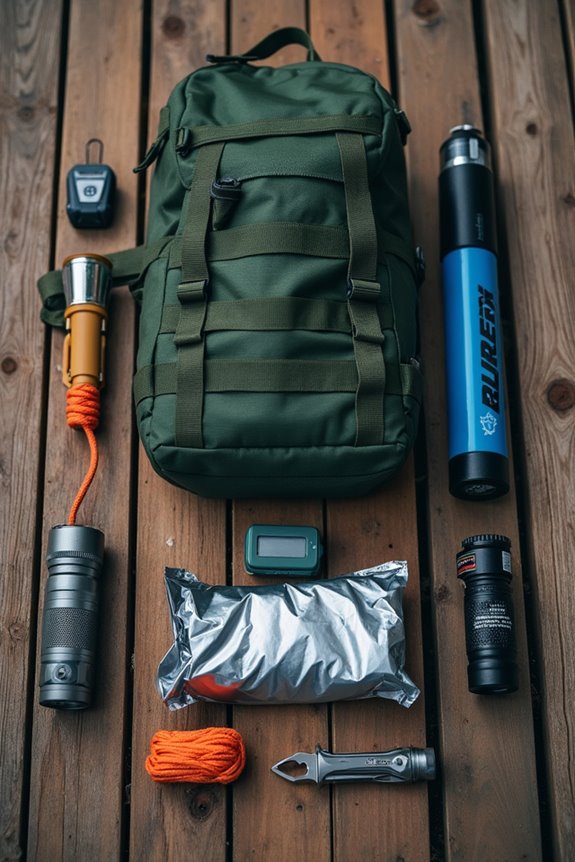
When we pick a campsite, safety is our top priority. First, we check regulations for group size and location. Next, we scout the terrain for hazards like steep slopes and dead trees. We also want to set up camp at least 100 feet from water sources to keep everything clean. Don’t forget to contemplate wildlife by using secure food storage and cooking away from our sleeping areas. If we keep these tips in mind, we’re on our way to a fun and safe adventure! Keep at it, and there’s even more great advice ahead.
Key Takeaways
- Research campsite regulations regarding group sizes, tent requirements, and any special restrictions prior to setting up camp.
- Choose flat, well-drained areas for your campsite, avoiding steep slopes and dead trees to minimize hazards.
- Set up camp at least 100 feet away from water sources to prevent contamination and flooding risks.
- Store food in wildlife-proof containers, cook away from sleeping areas, and dispose of waste securely to deter animals.
- Inspect local fire regulations and only build campfires in designated areas; never leave fires unattended and fully extinguish them afterward.
Researching Destination Hazards and Regulations
When planning a camping trip, how can we make certain our chosen campsite is safe and compliant with regulations? First, we need to check the campsite regulations specific to our destination. Many parks have rules about group sizes and the number of tents allowed, so let’s be sure we fit within those limits.
Next, it’s all about hazard awareness. We should familiarize ourselves with potential dangers in the area, like wildlife or uneven terrain. Visiting the managing agency’s website before we go can set us straight. Additionally, considering what to bring in terms of emergency kits for home can help us prepare for any unexpected circumstances.
Lastly, let’s follow all posted signs and instructions. They’re there for our safety, not just for decoration! With these steps, we can have a safe, enjoyable camping experience together.
Understanding Terrain and Environmental Risks
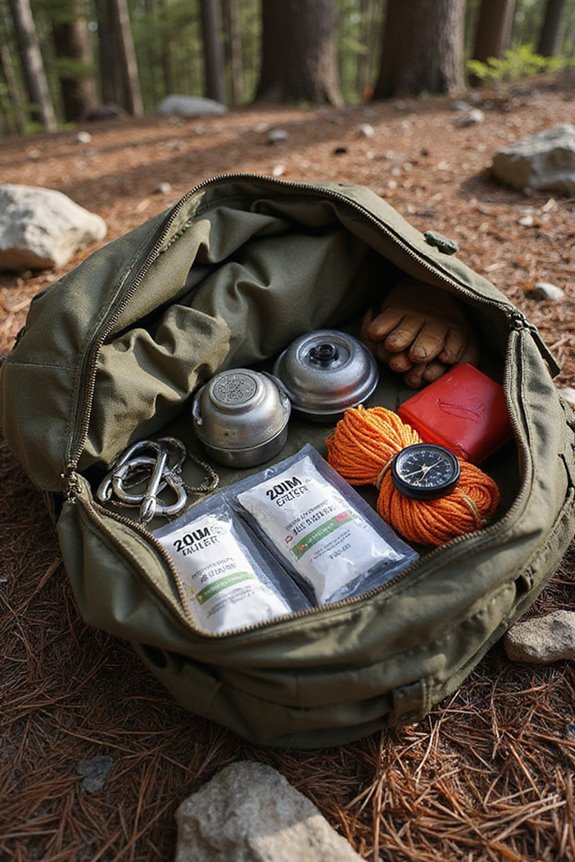
Choosing the right campsite isn’t just about picking a pretty spot; it’s also about understanding the terrain and the environmental risks that come with it. We need to conduct a thorough terrain assessment to identify hazards like steep slopes or unstable ground. Camping near cliffs is risky; we really don’t want to become statistics!
Flat, well-drained areas are best for avoiding flooding. Be cautious of nearby water bodies—after all, nobody wants a surprise swim during a storm. And let’s keep food covered to avoid wildlife surprises; bears can really ruin a good trip! By keeping our eyes peeled for these hazards and understanding the landscape, we can create a camping experience that’s safe and enjoyable for everyone. Additionally, investing in durable and weather-resistant gear enhances safety by ensuring protection against unexpected environmental conditions.
Proximity and Layout of Campsite Considerations

Selecting the right campsite means considering its proximity and layout, which can greatly impact our experience. We want to guarantee our campsite privacy by staying far from busy trails, which also reduces wildlife encounters. Aim for at least 200 feet from water sources; floods and pesky biting insects aren’t fun. Next, let’s check the trees. We need to avoid camping under any potential tree hazards, like dead or leaning branches that could come crashing down unexpectedly. Before we set up, let’s inspect the area for these dangers. Finally, we should choose elevated ground for better drainage during rain. Additionally, it can be beneficial to have essential tools like camping shovels to assist with site preparation or any unforeseen needs during our stay. A thoughtful layout guarantees a safer, more enjoyable camping adventure, keeping our peace of mind intact. Happy camping!
Weather Forecasting and Shelter Preparation

Understanding weather patterns isn’t just a good idea; it’s essential for our camping adventure. With weather technology like AccuWeather MinuteCast, we can track precipitation minute-by-minute. Before we head out, let’s check temperature forecasts at various elevations and keep an eye on wind speeds.
When it comes to shelter design, we need to be smart. We should make certain our tents can withstand expected winds and waterproof them if rain’s on the way. Remember, if heavy rain is predicted, drainage is key.
Let’s also prepare for temperature shifts—wearing layers helps. We can even orient our shelter to catch morning sunlight and shield us from harsh winds. Planning ahead makes our camping experience comfy and safe! Additionally, including a NOAA weather radio in our gear ensures we stay informed about any severe weather alerts.
Wildlife Safety Measures
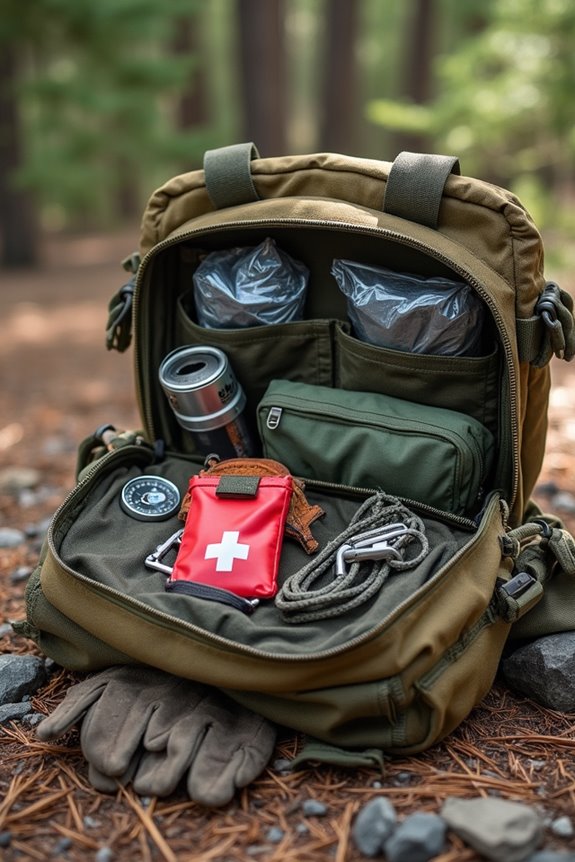
When we’re out in the wilderness, staying safe from wildlife should be a top priority. To keep our campsite secure, we need to focus on wildlife proof storage. Using bear-resistant lockers or smell-proof containers helps keep our food safe and animals at bay. Remember to cook and eat away from our sleeping area to avoid drawing animals close to our tents. Always pick up trash and waste—never leave food unattended; it’s like rolling out a welcome mat for bears and raccoons!
Being aware of animal behavior is essential. Distance is our friend; keep at least 25 yards from most wildlife and 100 yards from predators. By staying alert and making noise, we can reduce surprise encounters. Additionally, incorporating food storage options can significantly minimize the risk of unwanted wildlife visits. Let’s keep it safe, fun, and wildlife-friendly!
Minimizing Environmental Impact
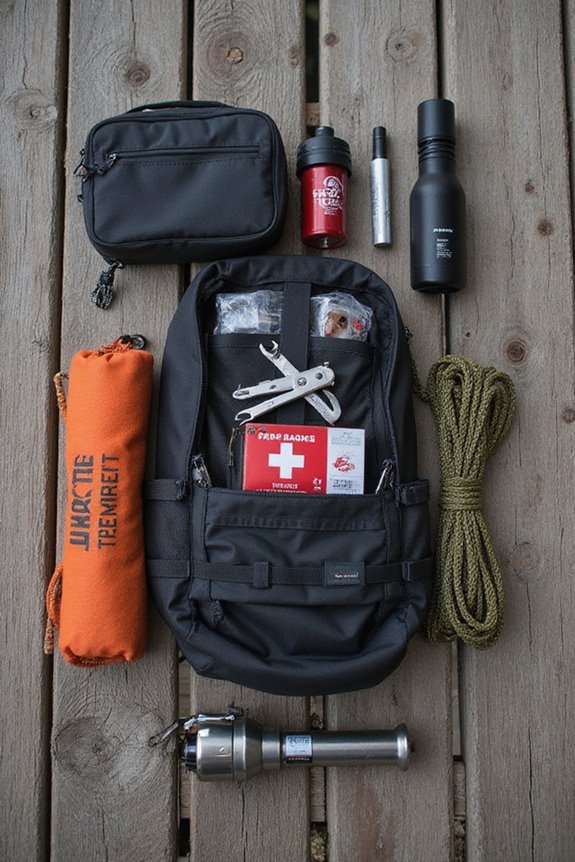
While enjoying the great outdoors, we should remember that every campsite choice can impact the environment. By prioritizing campsite sustainability, we help protect the natural world. For instance, let’s stick to established campsites. This helps preserve fragile habitats and keeps our footprint minimal. We also need to avoid cutting live trees for firewood—this harms both forest health and aesthetic beauty. Instead, let’s use dead and downed wood; it’s a great alternative! When near water bodies, let’s maintain a buffer zone to protect riparian vegetation. By doing so, we prevent pollution and support water quality. Additionally, having a well-equipped First Aid Kit ensures we are prepared for any emergencies while minimizing our impact on the environment. Together, we can guarantee that our adventures promote environmental preservation, allowing us to enjoy nature repeatedly without leaving a scar.
Essential Camping Equipment and Supplies
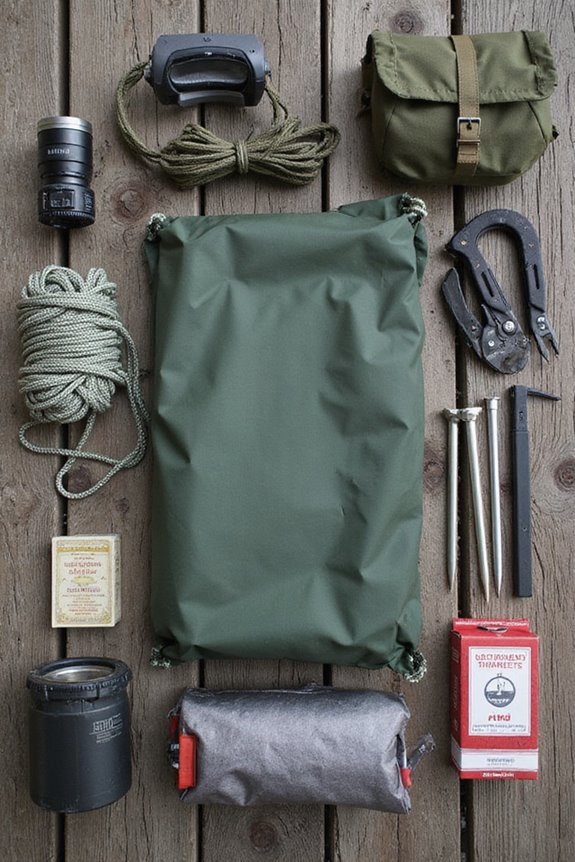
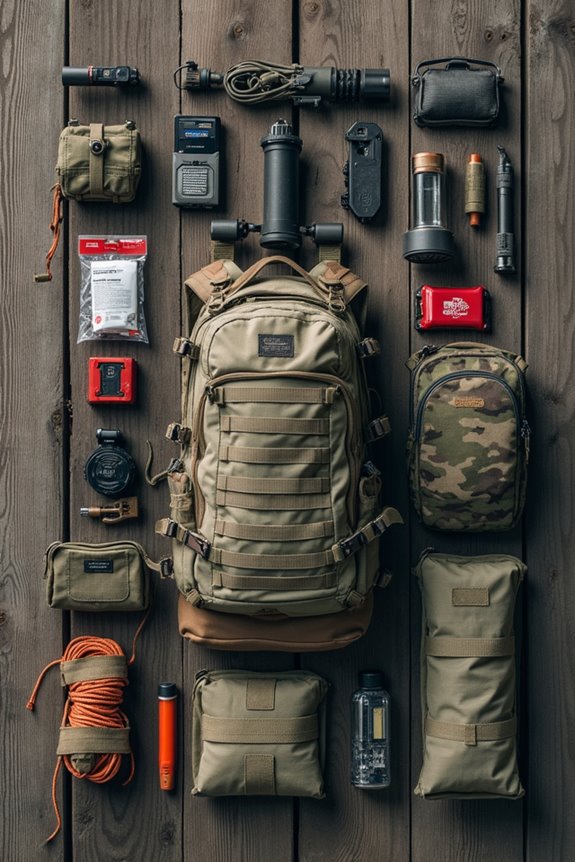
Choosing the right campsite is only part of our adventure; having the right gear is equally important. First, we need quality sleeping gear. A season-appropriate tent with stakes protects us from the elements, while sleeping bags rated for our trip’s temperatures guarantee comfy nights. Don’t forget sleeping pads for cushioning and camping pillows for neck support!
Next up is the kitchen! Reliable cooking tools, like a camp stove and pots, are essential for meals. Eating utensils and reusable plates keep us eco-friendly while cooking up some delicious camp recipes.
Let’s pack extra batteries for our headlamps and lanterns; after all, we want to shine a light on our evenings—not trip over our own feet! With the right supplies, we’ll be ready for anything!
Securing Food and Waste Management
Securing our food and managing waste effectively is essential to having a smooth camping experience. First, we’ll want durable, airtight containers for food storage. Let’s skip the glass—nobody wants to deal with broken shards. Pack perishables in a cooler, keeping it shaded and well-packed with ice.
For waste disposal, it’s critical to remember: no food scraps in the wild! We can attract unwanted wildlife if we’re careless. Instead, we should store trash securely in sealed bags and pack everything out with us. Bear-resistant containers or bags are a must if we’re in bear country. Maintaining cleanliness will keep our campsite safe and enjoyable, so let’s keep it tidy and respect nature! After all, a happy campsite means happy campers!
Identifying Safe Camping Locations
After we’ve made certain our food is secure and waste is managed, the next step is picking a safe campsite. For our camping site selection, let’s find level ground. This way, we avoid discomfort and any rainwater pooling around us. We should steer clear of low-lying areas that might flood and definitely watch out for steep slopes or dead trees that could pose hazards.
Ideally, we’ll set up camp at least 100 feet from water sources to protect against flooding and contamination. It’s also wise to research the area for past issues, like wildfires or flooding. By following these safe camping practices, we create a comfortable and secure space, allowing us to enjoy our outdoor adventure with peace of mind.
Emergency Preparedness and Access to Services
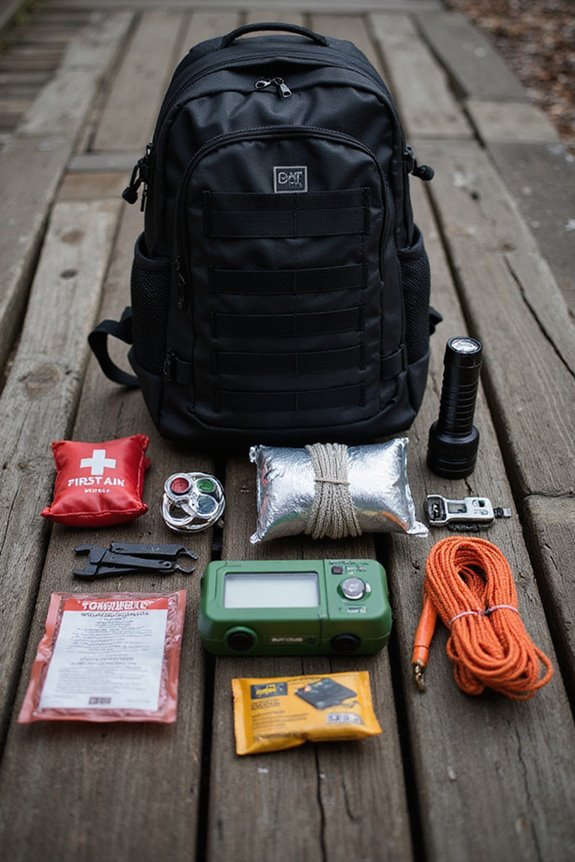
When planning a camping trip, it’s essential to think about emergency preparedness, so we don’t find ourselves in a tight spot later. First, let’s talk emergency communication. We should pack a battery-powered NOAA weather radio for alerts, cellphones with chargers, and even two-way radios for phone-free chats around the campfire. A simple whistle can save the day if we need to signal for help.
Now, for medical preparedness, our first aid kit should match our needs. Let’s include personal medications, hygiene items, and learn some basic first aid, just in case. Finally, always plan for surprises; stash extra food and water. By being prepared, we can focus on enjoying nature without worrying about unforeseen mishaps!
Observing Local Wildlife and Their Habits
While we’re out camping, observing local wildlife can be one of the most thrilling experiences. It’s essential to understand the habits of our wild neighbors. Most animals are active at dawn or dusk, so we should plan our wildlife observation during these magical times.
We can track animals by looking for footprints and signs of feeding. Remember to respect their space: staying at least 25 yards away keeps us safe and avoids distressing them. Binoculars are our friends, allowing us to see without getting too close.
Following Fire Safety and Campsite Etiquette
Fire safety and campsite etiquette are essential to guarantee that our camping experiences remain both enjoyable and safe. We should always build our campfires in designated pits or rings to keep them contained and manageable. Remember, safety first! Fire supervision is vital—never walk away from a fire, not even for a quick snack. When it’s time to extinguish the flames, let’s use water, stirring until everything cools to the touch. Not soil or sand!
Let’s respect our neighbors by keeping fires small and avoiding smoke during quiet hours. Checking local fire regulations is our responsibility, so let’s keep our campsite clean and leave it better than we found it. Together, we can enjoy the beauty of nature responsibly!
Frequently Asked Questions
What Are the Best Times of Year to Camp in Various Locations?
When we think about the best times to camp, we should consider seasonal factors and ideal weather. Spring and fall often offer mild conditions, while summer shines in northern areas, perfect for our adventurous spirits.
How Can I Balance Comfort and Safety During My Camping Trip?
To balance comfort and safety, we should carefully select our campsite and use quality camping gear. Choosing level ground with natural windbreaks enhances our experience while keeping us protected from the elements and hazards.
What Are Common Camping Myths That Could Jeopardize Safety?
We’ve all heard bear myths that stir fear, but camping’s safer than we think. Let’s not let fire dangers and fairy tales overshadow the moments beneath the stars, where real joy and safety await us.
How Do I Find Other Campers’ Reviews About Specific Campsites?
To find camper reviews, we can check campground websites and explore social media groups. Engaging with fellow campers online creates a sense of community, helping us discover authentic experiences and valuable insights about specific campsites we’re considering.
What Should I Do if I Encounter a Dangerous Animal?
If we encounter dangerous wildlife, let’s remain calm and assertive, backing away slowly. We shouldn’t approach or feed these animals. Remember, we’ve got bear spray handy, and we can report any animal encounters afterward.