As an Amazon Associate, we earn from qualifying purchases. Some links on this site are affiliate links at no extra cost to you. Our recommendations are based on thorough research and editorial judgment.

How To Make A Car Kit Checklist?

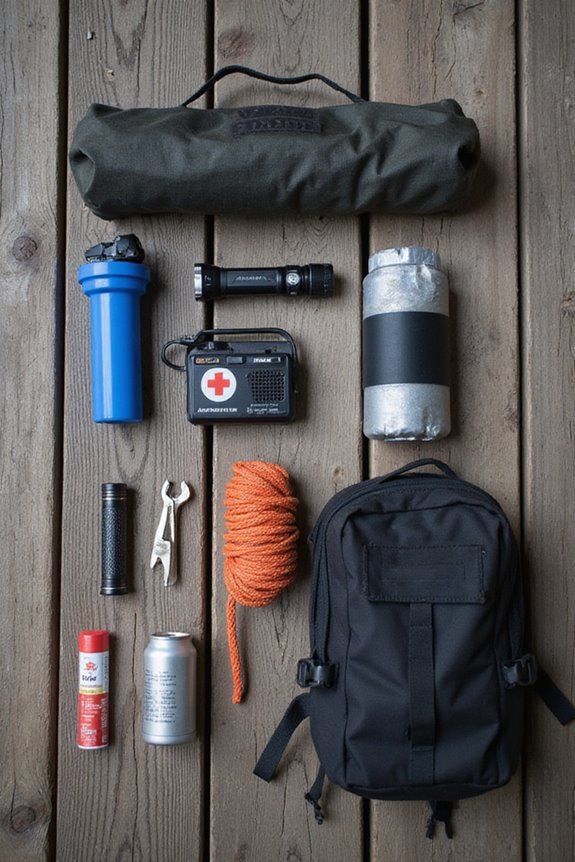
Creating a car kit checklist is a smart way to stay prepared for road emergencies. We need essential supplies like first aid items, basic tools, and visibility gear. Let’s cover what we should pack: adhesive bandages, a spare tire, warning triangles, bottled water, and a reliable GPS. Start by making a list of these items. Once we’re done packing, we can drive with peace of mind. Stick with us, and you’ll pick up more tips and tricks for your car kit!
Key Takeaways
- Identify essential first aid supplies like bandages, gauze pads, and antiseptic wipes to address minor injuries.
- Include roadside repair tools such as a spare tire, jack, and jumper cables for unexpected vehicle issues.
- Add visibility and warning equipment like reflective triangles and road flares to ensure safety during emergencies.
- Pack emergency comfort items like bottled water, snacks, and an insulated blanket for survival needs.
- Incorporate navigation tools such as a GPS, printed maps, and phone chargers to stay connected and oriented.
Essential First Aid Supplies
When we hit the road, it’s a smart move to be prepared for any bumps along the way, and that’s where essential first aid supplies come in. Think of adhesive bandages for those pesky scrapes and sterile gauze pads for larger cuts. We’ll need elastic wraps for securing dressings and butterfly bandages to close small wounds. Let’s also stash some antiseptic wipes to keep things clean!
In case of a mishap, it’s vital we understand basic first aid procedures. Don’t forget antibiotic ointment to prevent infections. And, hey, a first-aid manual can be our best friend! With these supplies, we’ll tackle wound management like pros, easing worries and keeping our adventure fun. After all, who wants a little cut to spoil the trip? Additionally, it’s important to include a comprehensive first aid kit to ensure all essential items are readily available.
Roadside Repair and Safety Tools

We’ve all heard the saying, “It’s not if, but when” when it comes to car troubles. That’s why having roadside repair and safety tools in our car kit is essential for emergency preparedness. We should include basic mechanical tools like a hammer, adjustable wrench, and pliers to tackle minor repairs. For tire issues, a spare tire, jack, and tire inflator are lifesavers.
Let’s not forget jumper cables for battery problems, or an OBD-II scanner to diagnose engine issues. Safety gear, like a flashlight and reflective triangles, will keep us visible. These simple tools aren’t just helpful; they’re our first line of roadside assistance. With the right equipment, we can feel more secure during those unexpected adventures. Additionally, having a well-organized kit with organized compartments ensures that we can quickly locate and access these essential tools when every second counts.
Visibility and Warning Equipment
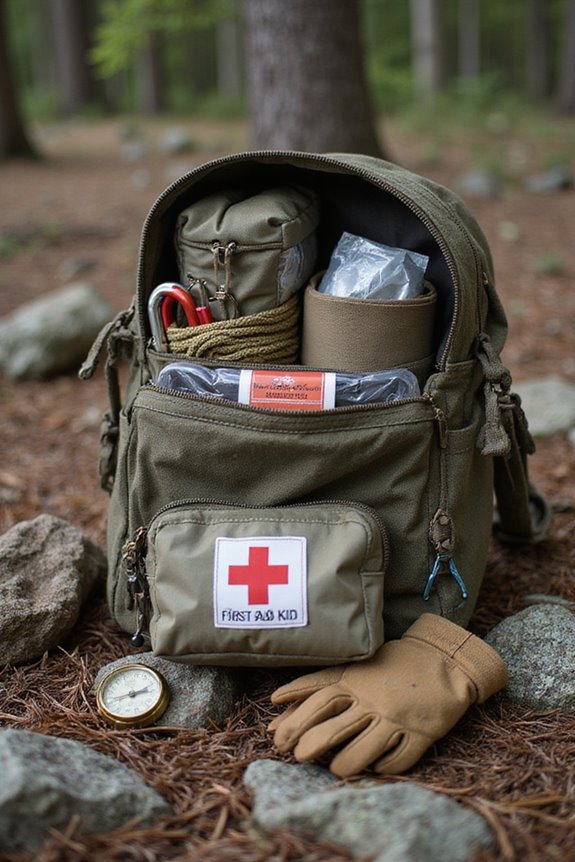
Visibility is crucial when we find ourselves in unexpected roadside situations. We want to guarantee that our vehicles and ourselves are clearly seen. Reflective accessories, like warning triangles, are critical for alerting others during breakdowns, especially at night. Road flares and glow sticks can serve as bright emergency signals, making it hard for passing cars to miss us. Let’s not forget reflective vests—they boost our visibility, keeping us safe in low-light conditions. Having these items guarantees we’re prepared for anything! While LED light bars add extra visibility, they might not be a must in a basic kit. Additionally, having safety gear ensures we are more protected from potential roadside hazards. Remember, it’s all about being clearly visible and staying safe! Let’s make sure we’ve got these essentials packed!
Emergency Comfort and Survival Items
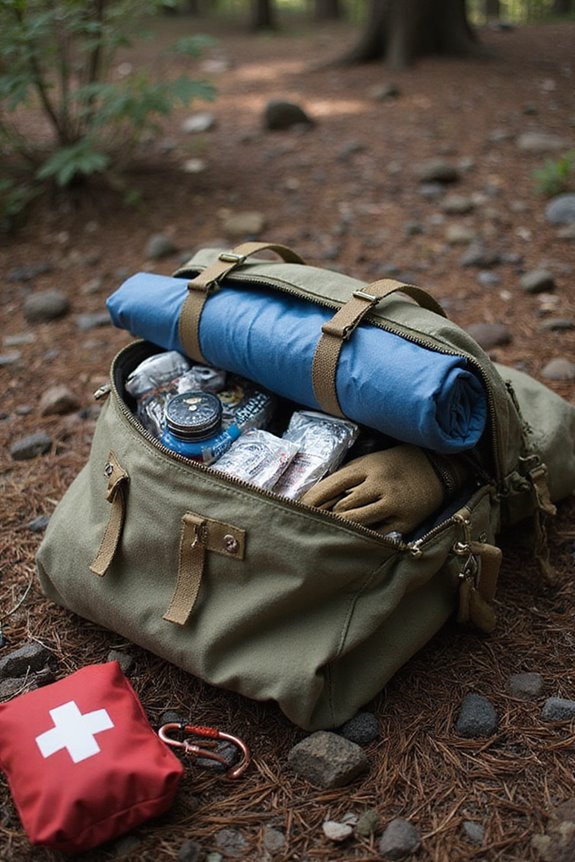
Having a solid supply of emergency comfort and survival items in our car can make a big difference during unexpected situations. Let’s start with the basics. We should always include hydration essentials like bottled water—aim for at least a gallon per person per day. Also, pack high-calorie snacks like protein bars to keep our energy up.
For emergency warmth, an insulated blanket or a space blanket is key, especially in chilly weather. Extra dry clothes can save us from feeling like ice cubes! Don’t forget a rain poncho to stay dry. With these essentials stowed away, we’ll feel a bit more secure knowing we’re ready for whatever might come our way. Regular maintenance of kits should also be considered to ensure that supplies are current and effective. Let’s gear up and hit the road!
Navigation and Communication Essentials
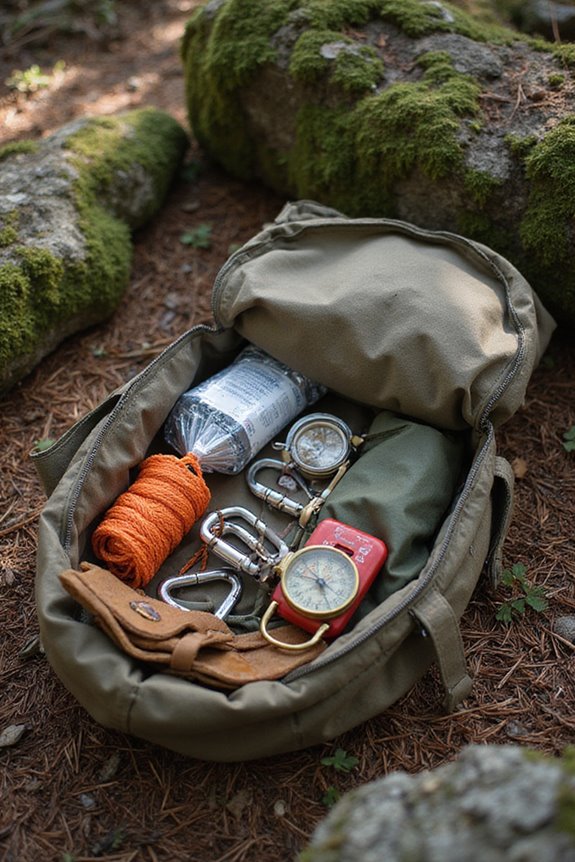
Unexpected situations can catch us off guard, and while we’re prepped for comfort and survival, we can’t overlook how to steer our way out. Let’s plunge into the essentials for steering and communicating effectively.
First, we need our route planning tools. A reliable GPS or smartphone app is a must, but don’t forget a printed map as back-up! We should download offline maps beforehand because who knows when our signal might drop?
Now, for device charging, let’s guarantee we have car chargers and portable battery packs handy. Plus, keep an accessible list of emergency contacts saved in our phones or as hard copies. It’s good to think ahead—being prepared keeps our adventures smooth and safe! Additionally, consider including your roadside emergency kit to address any unexpected breakdowns along the way.
Frequently Asked Questions
How Often Should I Update My Car Kit Supplies?
They say, “An ounce of prevention is worth a pound of cure.” We should update our car kit supplies every six months for effective car maintenance and emergency preparedness, ensuring we’re always ready for whatever comes our way.
Where Can I Store My Car Kit for Easy Access?
We can store our car kit in the trunk for spaciousness or keep essentials in the glove compartment for quick access. It’s all about choosing what’s easiest for us during those unexpected moments.
What Items Are Best for Specific Climates or Regions?
When we think about road trips through snowy mountains, we realize climate essentials like a sturdy shovel and warm blankets are invaluable. Let’s guarantee we pack regional tools for safe and enjoyable adventures.
Are There Any Age Restrictions for First Aid Materials?
There aren’t any age restrictions for first aid materials. However, we should consider age when training staff and ensuring kits remain out of young children’s reach, while teaching them basic safety concepts.
How Do I Properly Dispose of Expired Medications in My Kit?
To properly dispose of expired medications in our kit, we should follow medication disposal guidelines. Always check expiration dates, and use authorized drop-off sites or follow safe at-home disposal methods to guarantee safety.