As an Amazon Associate, we earn from qualifying purchases. Some links on this site are affiliate links at no extra cost to you. Our recommendations are based on thorough research and editorial judgment.


How To Maintain Knives In The Field?

To maintain knives in the field, we need to tackle a few essentials. First, we’ve got to dry them after use and apply some corrosion-resistant oil. Grab a portable sharpener, like a ceramic rod, to keep that edge sharp. When cleaning, mild soap and warm water work wonders, plus a soft brush for dirt. Regular inspections can prevent minor issues from becoming major headaches. Trust us, keeping up with these tips will save you some serious hassle later on!
Key Takeaways
- Clean knives after each use with mild soap and warm water, ensuring all dirt and moisture are removed.
- Dry knives immediately and apply corrosion-resistant oil to prevent rust formation.
- Use portable sharpeners to maintain a consistent sharp edge while on the go.
- Inspect knives regularly for chips, cracks, and sharpness, addressing issues promptly.
- Store knives in full grain leather sheaths to protect them from environmental damage.
Understanding Field Environments and Their Impact on Knives
Understanding the field environment is key to keeping our knives in top shape. Different conditions affect how our blades perform, especially when it comes to moisture control. It’s crucial to recognize that high humidity can lead to rust, even on stainless steel. We should dry our knives right after use and apply corrosion-resistant oils regularly.
Additionally, temperature extremes can mess with our blades too, causing parts to expand or contract. We’ve got to keep an eye on how debris, like sand and mud, gets trapped in moving parts, which can accelerate corrosion. By being proactive about these environmental influences, we guarantee our knives stay reliable. Sheaths made from full grain leather offer maximum durability and resistance to wear. Let’s stay vigilant out there!
Essential Field Maintenance Tools
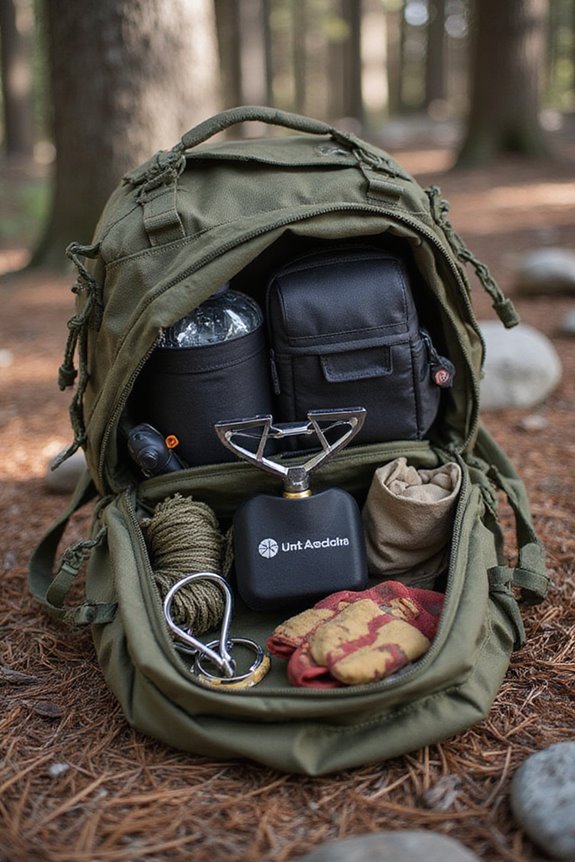
When we’re out in the field, having the right maintenance tools for our knives can make all the difference. First, let’s pack some transportable sharpeners. These nifty tools usually come with diamond plates and ceramic rods—perfect for keeping our blades sharp and ready for action. We can also bring along some mild, food-safe cleaning agents. They’ll help remove any stubborn gunk, like sap or dirt, without damaging our knives.
Don’t forget a couple of absorbent cloths to wipe away moisture, which can lead to rust. A little rust inhibitor can be a game-changer too. When we equip ourselves with the right tools, such as portable multi-tools, we’ll keep our knives in top shape, giving us peace of mind on our adventures!
Routine Cleaning Procedures in the Field
Keeping knives clean and in good working order out in the field is essential—just like your trusty multi-tool, they need a little love and attention! To maintain proper field hygiene, we should clean our knives regularly, ideally after every use.
We’ll need mild soap, warm water, and a soft-bristled brush to get started. First, rinse the knife with warm water and apply soap. Use the brush to scrub away any dirt and debris. Rinse again and make sure to dry it thoroughly; air drying works great!
Don’t forget to oil the blade to prevent rust. Regular cleaning, combined with a good cleaning frequency, helps extend the life of our knives and keeps potential hazards at bay. It’s also advisable to clean knives after each use to maintain hygiene! So, let’s keep those blades shining!
Effective Sharpening Techniques on Location
After ensuring our knives are clean and ready for action, the next step is sharpening them on location. We can use pocket sharpeners like ceramic rods or diamond-coated bars, choosing one that matches our knife’s bevel angle for effective sharpening.
Light pressure and controlled strokes are key to keeping our edges sharp without risking damage. Aim for a consistent sharpening angle—15 to 20 degrees—while alternating strokes on both sides of the blade. Additionally, proper maintenance techniques such as cleaning, drying, lubricating hinges can enhance the longevity of our multitool knives in the field.
Lubrication Practices for Moving Parts
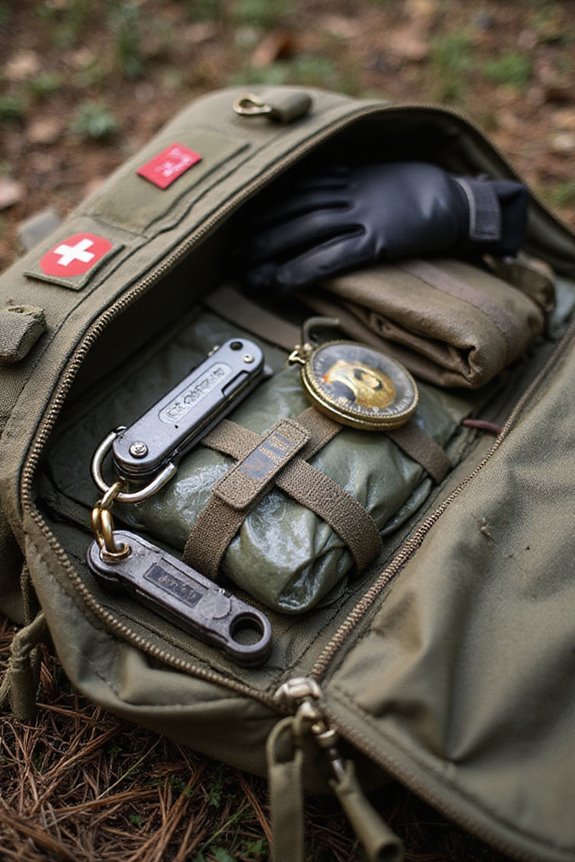
To keep our knives performing their best, lubrication is essential for the moving parts that help them function smoothly. We should select appropriate lubricant types, like mineral oil or specific knife oils, to guarantee good performance. Next, let’s gather our materials: lint-free cloths, cotton swabs, a small screwdriver, and isopropyl alcohol.
Start by cleaning the blade and pivot areas. A little isopropyl alcohol and a cotton swab can really help here. Once dry, apply a drop of oil to the pivot joint, and for the locking mechanism as well. Remember to cycle the blade open and closed to distribute the lubricant evenly. Finally, wipe away any excess oil. This simple process will keep our knives ready for action! Additionally, remember that regular maintenance, including honing the blade’s edge, is crucial to ensure optimal performance and longevity.
Inspection Strategies for Immediate Care
Once we’ve guaranteed our knives are properly lubricated, the next step is giving them a good inspection. We need to start with a visual inspection. Look for chips, cracks, or corrosion on the blade—these can make cutting harder and even compromise knife safety. Don’t forget to check the handle attachment too; anything loose here can lead to accidents.
Next, we’ll assess sharpness. A quick cutting test, like slicing paper, will help us evaluate if our blade’s ready for action. Finally, let’s examine the sheath for wear or damage; it should securely hold the blade. Remember, a little damage assessment now can save us a lot of trouble later. Additionally, ensure that the knife is made from durable materials to enhance its longevity in the field. Let’s keep our knives safe and sharp out there!
Quick Repairs for Minor Damages
Minor damages to our knives can occur anytime we’re out in the field, but fear not—many of these issues can be fixed quickly and easily. For chip repair, we can start by using coarse grit stones to grind down small chips, then shift to finer stones for a polished edge. Remember to maintain that original angle!
If a tip is bent, we can gently use pliers to realign it, then resharpen with a stone. We’ll also want to inspect for edge alignment frequently, ensuring it remains flat and even. Regular touch-ups using honing rods can keep our edges sharp between major repairs, making those quick fixes a breeze when we need them most!
Proper Storage Solutions in the Field
When we’re out in the field, knowing how to properly store our knives is essential to keeping them in top shape. We should always look for dry, well-ventilated spots to minimize rust, especially for our carbon steel beauties. Using knife rolls or tactical storage bags keeps our blades protected and organized during transport.
A light coat of mineral oil before storing can really help deter rust, so let’s make that a habit! And don’t forget to avoid sealed, damp environments. If we’re using a knife display, consider options with compartments to keep our favorites separated and prevent scratches. By paying attention to our storage methods, we can make sure our knives stay sharp and ready for action!
Adapting Maintenance to Environmental Challenges
Maintaining our knives in the field can feel intimidating, especially with the varying environmental challenges we encounter. Weather adaptation is essential. In humid conditions, moisture leads to rust. We should clean and dry our blades immediately, and applying mineral oil helps create a moisture barrier. In sandy areas, grit can dull our knives, so thorough cleaning after use is a must. Regular lubrication reduces friction, and opting for abrasion-resistant materials will keep our blades sharp longer. Coastal environments require rinsing blades after exposure to saltwater. Plus, using stainless steel with protective finishes decreases maintenance time. By prioritizing material selection and adjusting our methods, we can guarantee our knives stay in top shape, no matter where our adventures take us.
Frequently Asked Questions
How Often Should Knives Be Cleaned During Extended Trips?
We should clean our knives after each use during extended trips, especially in tough conditions. Sticking to this maintenance schedule guarantees they’re always sharp and ready, protecting them from grime and wear.
What Types of Food-Safe Lubricants Can Be Used?
We can trust food-grade oils for protection and silicone sprays for a smooth finish. Whether it’s mineral oil for moisture repulsion or camellia oil for tradition, we’ve got our trusty tools covered beautifully.
Can I Use Natural Materials for Knife Maintenance in the Field?
Absolutely, we can use natural oils and sharpening stones for knife maintenance in the field. These materials not only protect our blades but also enhance their sharpness, keeping our tools effective and reliable during our adventures together.
How to Identify When a Knife Needs Sharpening?
We can spot when a knife needs sharpening by observing sharpness indicators like nicks or unevenness. If our blade struggles with clean cuts, it’s time for some edge maintenance to restore its performance.
What Are Signs of Blade Corrosion or Damage While in Use?
Did you know over 80% of knife failures stem from corrosion? While using our blades, we should watch for corrosion indicators like pitting, rough textures, and rust spots to guarantee proper blade maintenance and longevity.