As an Amazon Associate, we earn from qualifying purchases. Some links on this site are affiliate links at no extra cost to you. Our recommendations are based on thorough research and editorial judgment.

How To Filter Water In The Field?

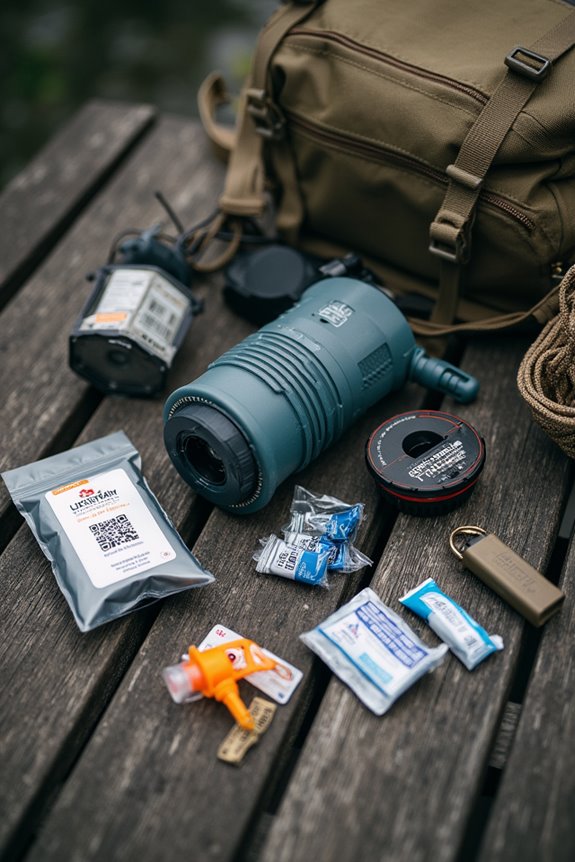
When we’re out in the field, filtering water is a must for our health and safety. First, find a clean water source like a stream. We can use a pump filter or a gravity filter to remove dirt and larger particles. For added safety, let’s follow up with chemical tablets or boiling the water. Don’t forget to use disinfected containers to avoid recontaminating our filtered water. Stick around, and we’ll explore more tips to guarantee our hydration is safe!
Key Takeaways
- Source clean, flowing water from rivers or streams to enhance the quality of filtration.
- Use layered natural materials like sand and charcoal in improvised filters for effective contamination removal.
- Employ hollow-fiber filters for compact and efficient filtration in the field.
- Combine mechanical filtration with boiling or chemical treatments, like iodine tablets, for comprehensive safety against pathogens.
- Consider gravity-fed filters with UV disinfection for broad protection against microorganisms in outdoor settings.
Understanding Water Contaminants
When it comes to drinking water, we often take its safety for granted. Yet, lurking in our water can be heavy metals, organic chemicals, and microbial pathogens. Heavy metals like lead and arsenic can sneak into our wells, causing health risks like liver damage or even cancer. Not to mention, organic chemicals from pesticides can wreak havoc on our kidneys. Microbial pathogens, often from waste, can lead to nasty illnesses. And then there’s nutrient pollution from fertilizers, which can create even more filtration challenges. Emerging contaminants like PFAS are a new worry as well. Thus, recognizing these dangers not only empowers us to act but also keeps our families safe and healthy. Filtration efficiency is key to ensuring we eliminate these harmful substances from our drinking water. Let’s turn awareness into action for cleaner water!
Importance of Water Filtration
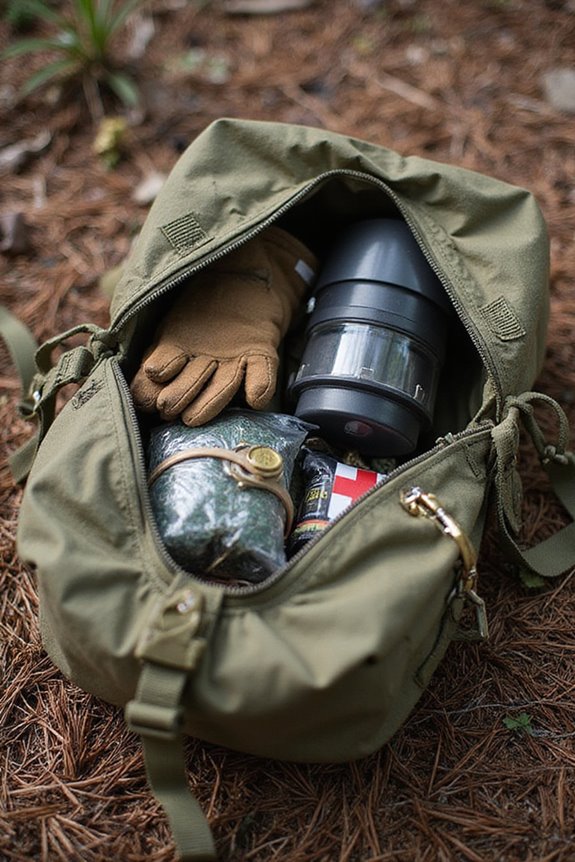
Understanding the importance of water filtration is crucial, especially since clean drinking water is a fundamental need we often overlook. When we filter our water, we’re not just improving its taste – we’re also reaping significant health benefits. Filtered water reduces our exposure to harmful pathogens and is especially important for our little ones, the elderly, and those with weakened immune systems. Additionally, utilizing high-efficiency filtration systems can remove over 99% of contaminants, ensuring safer drinking water for everyone.
Water filtration fosters community engagement, too. By participating in local filtration efforts, we can improve our shared water resources and trust. Whether it’s setting up community filters or supporting initiatives, each step counts. Together, we can guarantee safer hydration for ourselves and our neighbors, promoting a healthier, happier community. So let’s make water filtration a priority!
Overview of Filtration Methods
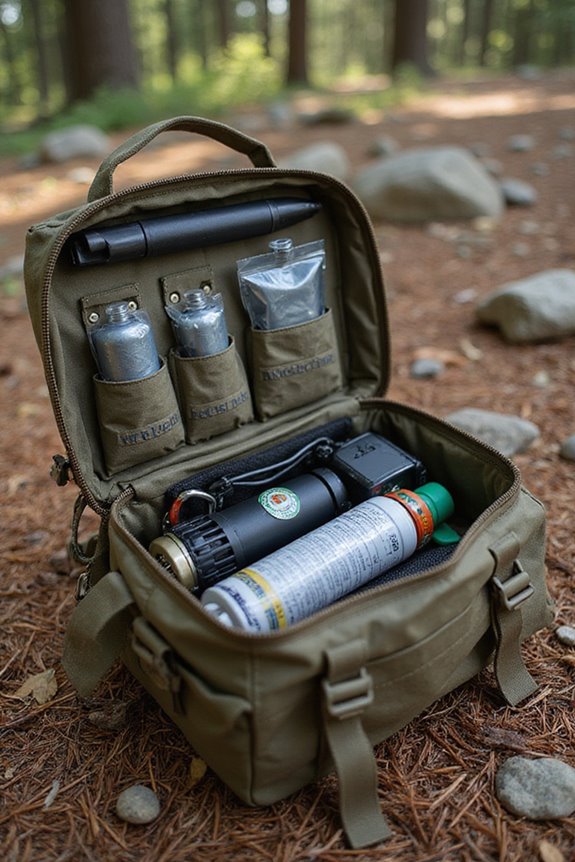
While choosing the right water filtration method might seem overwhelming at first, it’s actually much simpler once we break it down. Let’s think about sand filtration first. Rapid sand filters work wonders by pushing water through layers of sand and activated carbon, removing unwanted particles and improving taste. Slow sand filters are a good option when space is tight.
On the other hand, membrane filtration like reverse osmosis (RO) takes purity up a notch! RO uses a special membrane that kicks out nearly all contaminants, making it a favorite for clean water. Each method has its perks, so we can choose one based on our needs. Remember, clean water fuels our adventures, so let’s make the right choice together! Filters with 99.99% bacteria removal ensure safe drinking water in challenging environments.
Prefiltration Media Filters
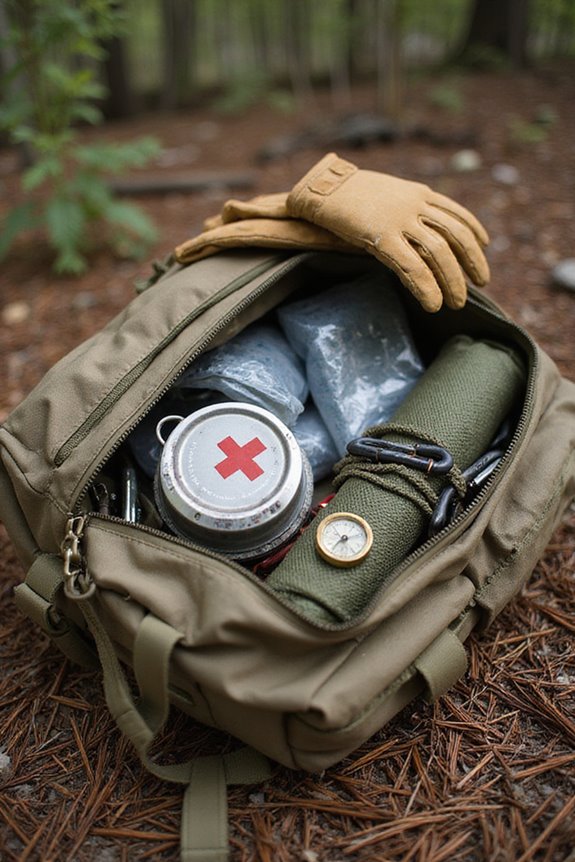
Prefiltration media filters play an essential role in our quest for clean drinking water in the field. These filters catch larger particles and sediments, protecting our finer filtration systems. This not only improves efficiency but also extends their lifespan. The prefiltration benefits are immense, reducing maintenance needs and operational costs.
Using materials like silica sand or activated carbon, we can tailor our filters for specific water sources. It’s vital we keep up with media maintenance, like backwashing, to prevent clogging. A well-maintained filter means better performance and cleaner water! The addition of gravity water filters can enhance our filtration setup, ensuring we meet a high standard of water safety. So, let’s remember: with a little care, our prefiltration media filters make our water treatment process smoother and more effective. Cheers to that!
Filter Cartridges and Bags

After we’ve set up our prefiltration media filters, we can turn our attention to filter cartridges and bags, which add another layer of protection in our quest for clean water. Choosing the right cartridge selection is essential. For example, pleated cartridges are fantastic as they can filter out 99.99% of fine particles. That’s impressive!
We’ve also got options like ceramic and melt blown cartridges, which handle different impurities while supporting filter longevity. When we pick our cartridges, we want to remember that understanding their lifespan and maintenance is just as imperative. Regularly checking O-rings and ensuring the cartridge is clean maximizes our investment in these portable filtration systems. Additionally, it’s helpful to choose cartridges that can filter out 99.9999% of bacteria to ensure effective pathogen elimination. So, let’s keep our drinking water safe and enjoyable!
Activated Carbon Filters
Activated carbon filters are a game-changer when it comes to purifying water in the field. These nifty devices use activated carbon, a porous material that adsorbs contaminants, boosting carbon filtration efficiency. They’re perfect for removing bad tastes and odors from our water, making it more enjoyable to drink. Portable water filtration devices often rely on activated carbon applications to tackle specific chemicals found in natural sources. To use one, simply attach it to your water setup after any sediment filters. Just remember, the activated carbon won’t remove everything—like iron or some inorganic chemicals—so keep that in mind! Regularly replacing the carbon media is essential to guarantee you’re getting clean water every time. Trust us, your hydration game will thank you! Additionally, users should be aware that regular water testing can further ensure the effectiveness of the filtration process and local water safety.
Membrane Filtration Techniques
When it comes to filtering water in the field, membrane filtration techniques are often seen as some of the most effective methods. We can choose from various membrane types, like reverse osmosis (RO) or ultrafiltration (UF), each with its unique abilities. RO uses high filtration pressures to remove almost all contaminants, while UF works at lower pressures to tackle suspended solids.
It’s essential to pre-treat our water by filtering out larger particles, ensuring we protect our membranes. Think of it as giving your system a warm-up! Using these techniques can greatly improve our water quality, making it safe and tasty. So, whether it’s for camping or emergency use, these methods are not only efficient but a bit like magic for our hydration needs!
The Role of UV Disinfection
Membrane filtration techniques are fantastic for cleaning water, but UV disinfection takes our water treatment game to another level. Using UV technologies, we can effectively inactivate bacteria, viruses, and protozoa instantly. The UV effectiveness lies in its ability to damage microorganisms’ DNA without adding any chemicals, preserving the water’s taste and safety. With its compact design, portable UV systems fit into our outdoor adventures perfectly.
However, we must consider UV limitations. Water clarity’s important for maximum UV impact, so pre-filtration is often necessary. Plus, we need a power source for the UV systems, and no residual disinfectant means re-contamination’s a risk if we store it improperly. Regular UV maintenance guarantees we stay confident in our clean water supply. Let’s embrace this technology!
Portable Filter Technologies for Outdoor Use
Portable water filters have become essential tools for adventurers, making it easier for us to stay hydrated in the wild while ensuring our water is safe to drink. With a variety of portable filter technologies available, we have options that can fit any outing. Hand pump filters like the MSR TrailShot let us sip from shallow puddles, while multi-stage systems like the PortaWell target a range of contaminants quickly. Gravity filters, like the Platypus GravityWorks, are a breeze for groups—just hang it up and let gravity do the work. And don’t forget those trusty chemical tablets for backup! Each of these field water solutions makes hydration simpler, giving us the confidence to explore the great outdoors without the worry.
Key Parameters for Selecting Field Filters
Selecting the right field filter can feel overwhelming, but it doesn’t have to be. Let’s break down key parameters for effective filter selection. First, consider turbidity; high turbidity can lead to a need for more robust filtration. We also need to pay attention to the water’s pH, temperature, and specific contaminants our filter must handle.
Next, think about filter media characteristics. Media size and depth influence how well it captures particles. Finally, monitoring operational parameters is essential. We must track filtration rates and backwash protocols to maintain filter efficiency.
Natural and Low-Tech Filtration Options
When we’re out in the wild, having safe drinking water should be our top priority, and natural and low-tech filtration options can be lifesavers. Let’s gather some basic materials—think sand layers, charcoal, and pebbles. We can build a simple gravity-fed filter by layering these components in a plastic bottle or even a cone made from leaves.
Start with a cloth to catch larger debris, then add layers of fine sand and charcoal. Charcoal’s effectiveness shines here; it improves taste and helps absorb toxins. Don’t forget to let water sit first to allow heavier particles to settle. It’s a straightforward method that not only saves us in the field but connects us with nature. Who knew filtering water could feel so earthy?
Advantages and Limitations of Filtration Methods
Once we’ve explored natural and low-tech filtration methods, it’s important to understand the variety of filtration systems available and their strengths and weaknesses.
Cartridge filters are budget-friendly and easy to swap out, but watch those operational costs—frequent changes can add up! Tank-style filters last longer but aren’t portable. Gravity purifiers are labor-free—till they get sluggish and need cleaning. UV purifiers zap germs quickly, but they hate cloudy water and need batteries. Pump filters offer great control, yet they pack a punch on weight and maintenance.
Practical Tips for Effective Water Filtration
Effective water filtration might feel overwhelming at first, but with a little know-how, we can tackle it easily. When we’re out in the field, water sourcing is essential, so let’s choose clean, flowing sources like rivers or streams. We should always grab a disinfected container—dirty ones can ruin the whole process!
For field filtration, consider hollow-fiber filters for their compactness and efficiency. If we’re feeling crafty, we can build improvised filters using natural materials like sand and cloth. Remember, filtration removes larger particles but usually can’t handle viruses, so follow up with boiling or chemical treatments if possible. The key’s to be smart and prepared, because no one wants to drink unfiltered swamp water, right?
Combining Filtration Methods for Optimal Safety
As we venture into the great outdoors, the safety of our drinking water is a top priority. Combining filtration methods can enhance our filtration efficiency and keep us healthy. We can start with mechanical filters to remove particles, then follow up with chemical treatments like iodine or UV light for viral protection. Think of it as multi method integration!
Why not consider a gravity-fed filter for groups and finish with UV disinfection? This combo offers a broad spectrum of pathogen protection and tastes clean. Alternatively, a good old-fashioned boil after filtering guarantees even the toughest microbes are eliminated. Each method complements the other. So, let’s be smart, stay safe, and enjoy our adventures without worrying about our water!
Frequently Asked Questions
How Do I Store Filtered Water Safely in the Field?
Like nurturing seeds into blossoms, we should choose food-grade storage containers for our filtered water, embracing necessary treatments. Let’s shelter it from light and contaminants, ensuring its purity endures, just as we cherish every drop.
Can I Reuse Filters Multiple Times Before Replacement?
Yes, we can reuse filters multiple times, but we must watch for replacement indicators like reduced flow or discoloration. To guarantee filter longevity, regular cleaning can help, but eventually, we’ll need to replace them.
What Are Signs My Filter Needs Maintenance or Replacement?
We’ll notice a change in taste, a decrease in pressure, or cloudy water. To guarantee our filter’s lifespan, we should follow maintenance tips like regular checks and timely replacements. Trust our instincts; health matters.
How Do Different Water Sources Affect Filtration Effectiveness?
Different source qualities greatly impact our filtration techniques. Shallower or surface waters often require more robust filters to tackle microbial threats, while groundwater’s mineral content can shape our choices, adjusting our approach depending on specific needs.
Can Weather Conditions Impact My Water Filtration Process?
Absolutely, weather effects like cold temperatures can seriously impact our water filtration process. They lower microbial activity and could even freeze our systems, making adjustments essential for maintaining clean, safe water during those chilly conditions.