As an Amazon Associate, we earn from qualifying purchases. Some links on this site are affiliate links at no extra cost to you. Our recommendations are based on thorough research and editorial judgment.

How To Create A First Aid Refill List?

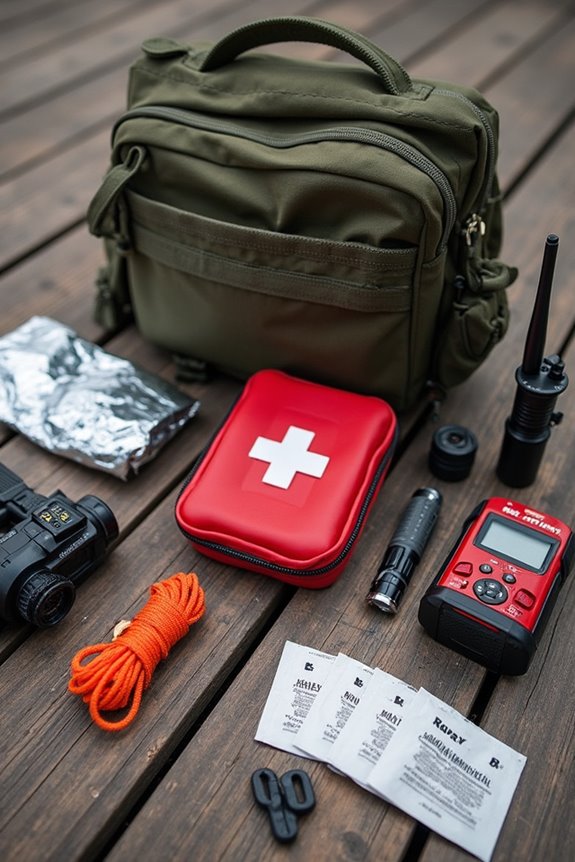
Creating a first aid refill list is simple and keeps our kits ready for emergencies. First, we should assess what supplies we have and identify any expired or used items. Next, evaluating how often we use certain supplies helps us prioritize our needs. Familiarizing ourselves with ANSI standards guides us on essentials. Set a regular maintenance schedule for inventory checks, and let everyone know how to use the kit. There’s more to learn about stocking effectively, so stick with us!
Key Takeaways
- Conduct regular audits of your first aid kit to identify depleted or expired items needing restocking.
- Utilize an inventory checklist to record current stock levels and highlight items that require replenishment.
- Track usage trends from past incidents to prioritize high-demand items for your refill list.
- Set reminders for routine inspections to ensure timely updates to your first aid inventory.
- Include essential items based on ANSI standards relevant to your workplace and risk assessment.
Assessing Your Current First Aid Supplies
When it comes to making sure we’re prepared for any minor injuries or emergencies, evaluating our current first aid supplies is essential. First, we need to assess the risks in our workplace and identify any special hazards. This will help us determine what type of first aid kit we need—whether it’s personal, basic, or intermediate. Is our workplace accessible to everyone, including those with disabilities? Next, let’s check our inventory. We should have gloves, bandages, and scissors easily available. Consider the number of employees and any typical shift schedules we might have. Are we prepared for a burn or chemical exposure? Reviewing our supplies keeps us ahead of potential issues, ensuring everyone stays safe and sound. Regular inspections of trauma first aid kits are crucial for maintaining readiness and ensuring supplies are up-to-date.
Identifying Expired or Used Items
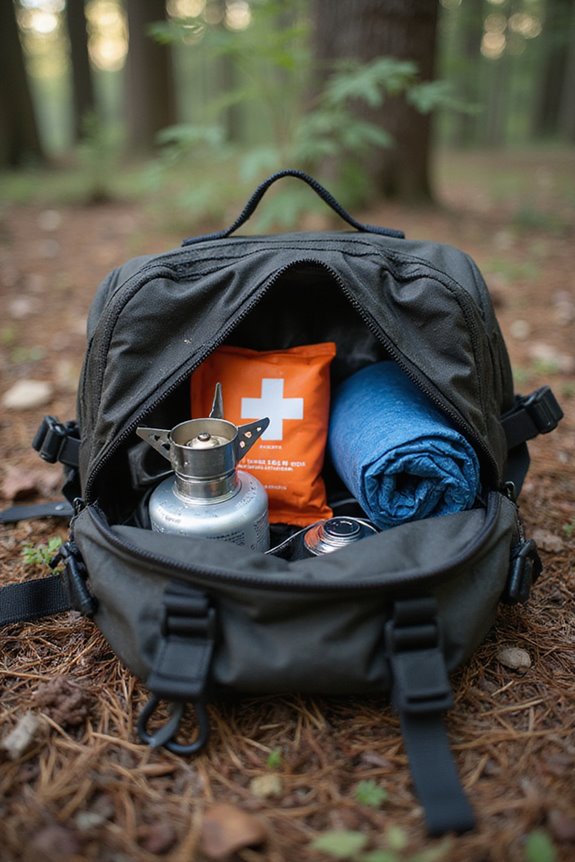
It’s important to keep our first aid supplies fresh and effective, especially when emergencies strike. First, let’s tackle expired medications. We should regularly check the expiration dates on our pain relievers and ointments, replacing anything past its prime. Remember, expired medications can become ineffective or even harmful—like aspirin turning toxic!
Next, look for any damaged packaging on items like adhesive bandages. If we see tears, discoloration, or other signs of wear, it’s time to toss them. Additionally, keeping essential first aid supplies in good condition ensures that we are adequately prepared for minor injuries or emergencies.
Finally, a checklist helps make this task easier. Let’s set reminders every six months to keep our first aid kits stocked and ready for anything. After all, being prepared is the best way to stay safe!
Evaluating Frequency of Use
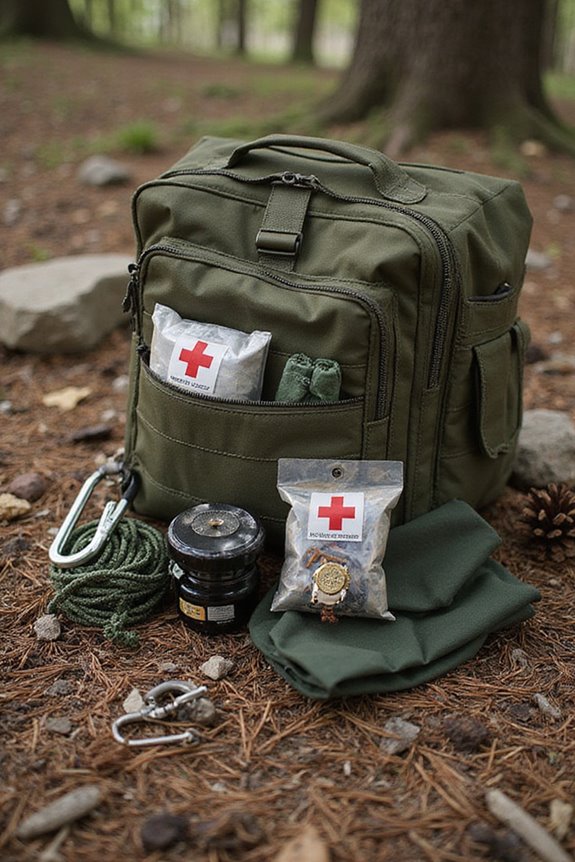
Evaluating how often we use our first aid supplies is key to keeping them ready for action. By tracking our usage trends, we can better understand which items deplete quickly and should be prioritized on our refill timeline. For example, in high-risk areas like construction sites, we might need to check supplies monthly. However, home kits can go six months between restocks, if we’re lucky!
Let’s not forget to review past incident reports. They help predict which items will be used most often. Regular audits—easy with checklists—keep us in the know. With smart tracking of those handy antiseptic wipes and adhesive bandages, we guarantee our kits are stocked and good to go when we need them! Additionally, understanding the shelf life of emergency supplies can help ensure that we replace items before they expire.
Understanding ANSI Standards for Refills
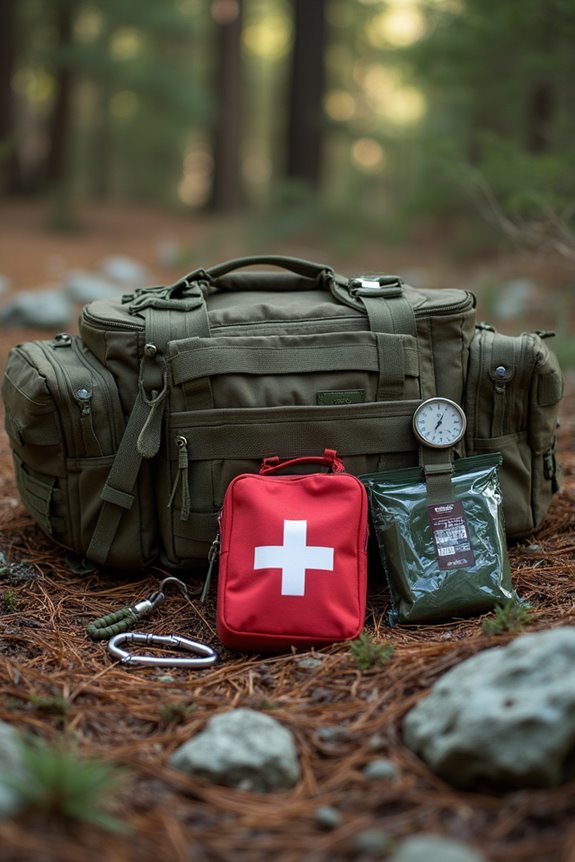
Understanding ANSI standards is key to keeping our first aid kits fully stocked and ready for emergencies. These standards outline minimum content and performance requirements for our kits based on where we use them.
For example, there are Class A kits for basic needs and Class B for higher-risk workplaces. Keeping track of refill frequency is vital. Regularly inspecting and replenishing items like adhesive bandages, antiseptics, and burn treatments helps us stay ANSI compliant. We should use refill packs tailored to our kit type, ensuring we always meet the specified quantities. Additionally, comprehensive kits often include advanced medical supplies that are necessary for dealing with various emergencies.
Prioritizing Essential Supplies
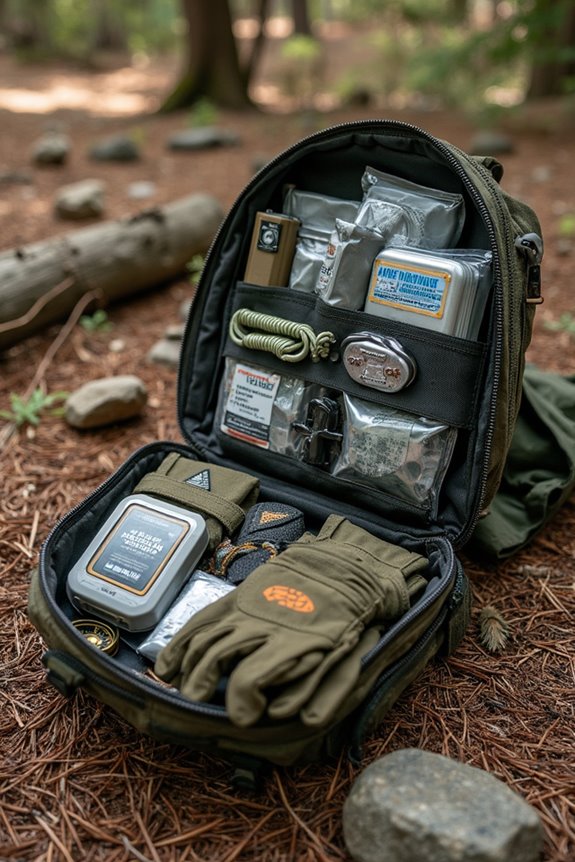
When we think about first aid supplies, it’s a bit like preparing for a surprise party—we need to have everything ready before something unexpected happens. To prioritize our essential supplies, we should start with a risk assessment. Consider the most common injuries in our activities, like sprains or cuts. Next, think about supply compatibility; for instance, elastic bandages can support a sprain and secure dressings, making them quite versatile.
We should always include sterile gauze pads, nitrile gloves, and antiseptic wipes. These items won’t just sit around; they’ll be there when we need them the most. By keeping these priorities in mind, our first aid kit will be well-equipped to handle whatever surprises come our way! Furthermore, ensuring accessibility of supplies—with quick retrieval and easy organization—can make a significant difference during emergencies.
Categorizing Items by Function
Categorizing first aid items by function can make our kits not only organized but also more effective in an emergency. To start, let’s separate our supplies into groups like wound care, pain management, and cleaning. For wound care, we need adhesive bandages, sterile dressings, and hemostatic agents to control bleeding. Under pain management, having some non-drowsy analgesics like acetaminophen or ibuprofen is essential for those annoying bumps and bruises.
Next, let’s not forget about cleaning supplies, like antiseptic wipes and saline solution, to keep those cuts and scrapes free from infection. By grouping our items this way, we’ll know exactly where to turn during those frantic moments. An organized kit can make all the difference! Additionally, consider incorporating essential supplies based on common needs to ensure your first aid kit is well-prepared for various situations.
Creating a Checklist for Each Category
Creating a thorough checklist for each category of first aid supplies can really simplify the preparation process. We should start by breaking down our supplies into specific categories—bandages, medications, tools, emergency supplies, and specialized items. Each checklist will guide us in stocking the right supplies.
For bandages, let’s note varied adhesive types and gauze pads. Medications should include antibiotic ointments and antacids. Our tools must encompass scissors and tweezers, while emergency supplies like heat-reflective blankets are essential too.
Don’t forget to review these lists regularly! With first aid training, we can master advanced first aid techniques, ensuring nothing’s expired and that we’re always prepared. Let’s keep our first aid kits ready for unexpected situations!
Sourcing Refill Packs and Products
Sourcing refill packs and products for our first aid kits can be a breeze if we grasp where to look and what to take into account. We should start by checking out reputable sourcing distributors like FirstAidSuppliesOnline and MFASCO Health & Safety. They often provide custom refill options tailored to our unique needs, making it easier than ever.
We want to verify that the refills meet ANSI and OSHA standards, especially for workplace compliance. It’s essential to have the right supplies for our industry, whether it’s basic items like bandages or specialized ones for construction. So, let’s take our time and review what each supplier offers. A little research now saves us from scrambling later. Happy sourcing!
Organizing Your First Aid Kit
When it comes to organizing a first aid kit, a little thought can go a long way. We want easy access to essentials while keeping kids safe. Start by storing your kit in an accessible spot but out of reach of tiny hands. Using clear containers can help us see what’s inside without opening everything.
Let’s categorize supplies by type: bandages, medications, and tools. Label sections clearly for quick identification, and group items based on specific needs. It’s also smart to keep an inventory checklist handy, tracking what’s left and what’s expired.
Implementing Regular Maintenance Schedules
Keeping our first aid kit in tip-top shape goes hand in hand with organizing it. To do this, we should establish regular inspection schedules, checking items monthly or quarterly, depending on usage. Each time, we’ll verify that everything’s intact and look for expiration dates. If we find anything torn, leaking, or expired, let’s toss it out—safety first!
Documenting our findings in maintenance logs is critical. This way, we’ll track what’s been checked and know when to restock. If we ever use our kit for an incident, we should restock immediately to stay compliant with OSHA standards. Regular audits guarantee that our kits stay accessible and ready for action, assuring we’re always prepared when emergencies arise.
Educating Others on Kit Use and Restocking
Educating everyone on how to properly use and restock our first aid kit is essential for maintaining safety in emergencies. Let’s kick things off with first aid demonstrations. These hands-on sessions help us familiarize ourselves with kit contents and functions. A quick-reference card inside the kit can be a real game changer, too!
We need solid replenishment strategies. Assign someone to regularly check our supplies, using a checklist to prevent forgetfulness. Remember: expired items can’t help anyone. Regular refreshers and drills keep us sharp and confident. Plus, we can turn to digital resources for quick learning.
Maintaining Compliance for Workplace Kits
Maintaining compliance for workplace first aid kits isn’t just a box to check—it’s an important part of workplace safety. We need to be aware of our legal responsibilities and the most recent compliance updates. Following OSHA guidelines, kits must be stocked according to workplace risk levels and inspected regularly. We should conduct thorough hazard assessments to tailor our supplies accordingly and keep documentation in each kit to meet regulations.
Accessibility is crucial too; everyone must know where to find the kits. Don’t forget about adding visible indicators! By staying proactive with inspections, checking expiration dates, and keeping thorough records, we help guarantee that our workplace remains safe for everyone. After all, those kits are there to keep us all safe when we need it most!
Tracking Inventory and Refill Needs
When it comes to tracking inventory and refill needs for our first aid kits, we’ve got to be proactive. By utilizing cloud management systems, we can monitor our supplies in real time. This means checking levels and expiration dates won’t feel like a chore. Instead, we’ve got automatic reporting to keep us in the loop.
Mobile accessibility makes it even easier. With a simple app, we can dig into usage details anytime, anywhere. Regular checks, whether they’re through our phones or easy scans, help us stay organized and compliant. Plus, who doesn’t love the peace of mind that comes with knowing we’re prepared for anything? Let’s embrace these tools and keep our first aid kits stocked and ready!
Frequently Asked Questions
How Often Should I Check My First Aid Kit?
We’ve all dreamed of forgetting our first aid kit, right? To avoid that nightmare, we should conduct monthly checks and keep up with inventory tracking. Let’s stay prepared and avoid unnecessary surprises together!
What Are the Signs an Item Needs Replacing?
We should regularly check for replace indicators like expired items, damaged packaging, and worn-out bandages. Keeping an eye on our refill frequency guarantees we’re always prepared and can act quickly in emergencies.
Can I Create My Own Refill Packs?
Yes, we can absolutely create our own DIY refill options! Custom first aid kits let us select just what we need, ensuring we’re prepared for any situation while keeping our supplies fresh and personal.
How Do I Dispose of Expired Items Safely?
When we’re faced with expired items, we can’t just toss them aside. For proper disposal, let’s treat contaminated supplies as hazardous waste, double-bagging them, and using designated drop-off sites. Together, we protect ourselves and our environment.
What First Aid Supplies Are Essential for Outdoor Activities?
For our outdoor adventures, we need essential wound care supplies, like antiseptic wipes and adhesive bandages, along with insect repellent to keep those pesky bugs at bay. Let’s stay safe and enjoy every moment together!