As an Amazon Associate, we earn from qualifying purchases. Some links on this site are affiliate links at no extra cost to you. Our recommendations are based on thorough research and editorial judgment.

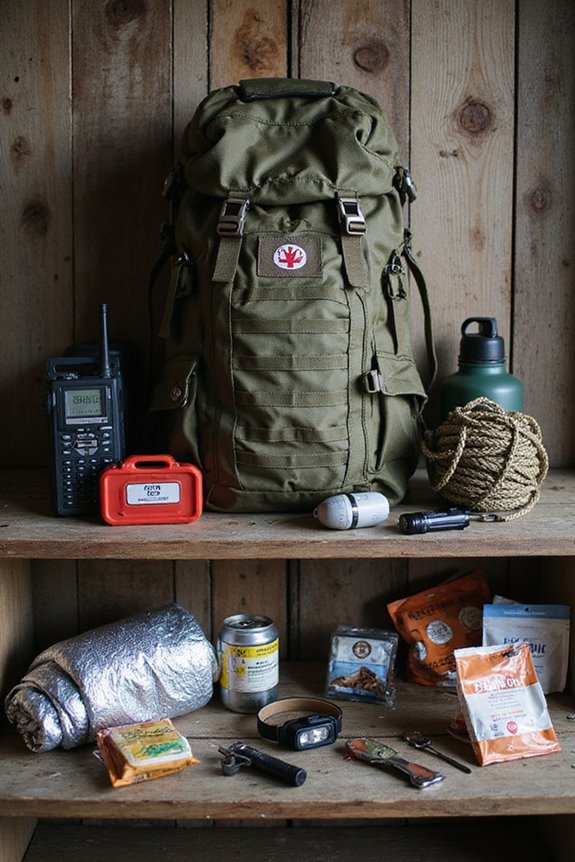
How To Build A Closet Emergency Shelf?

To build a closet emergency shelf, we first need to measure our closet space. Grab a tape measure, and note the width, depth, and height. Next, we’ll decide what emergency supplies we need and select sturdy materials like solid or engineered wood. For support, space brackets every 36 inches and secure them to wall studs. After assembling the shelves, we should organize our supplies efficiently for easy access. Let’s make sure it’s adaptable for future needs. Stick around, and we’ll explore more handy tips!
Key Takeaways
- Measure your closet dimensions accurately, noting width, depth, and height for optimal shelf placement.
- Categorize emergency supplies, prioritizing frequently used items at eye level for quick access.
- Choose suitable materials like solid wood or engineered wood for durable shelf construction.
- Space brackets 90 cm apart and ensure secure installation by locating wall studs and pre-drilling holes.
- Regularly review and adjust shelf content to accommodate seasonal changes and maintain organization.
Measure Your Closet Space
When we set out to build our closet emergency shelf, the very first step is to measure our closet space accurately. We need to gather some handy measurement tools—like a tape measure or laser distance meter—to verify we get it right. We should measure our closet dimensions by checking the width, depth, and height. Remember, standard closet depths are 24 to 30 inches, and heights typically range from 72 to 84 inches. Also, it’s smart to measure all wall dimensions at different heights. By noting any obstacles, like furniture or vents, we can plan effectively. Jotting it all down on a sketch is super helpful. Trust us, accurate measurements lead us to a perfectly organized closet! Additionally, considering the importance of survival skills in emergency situations can guide what supplies to prioritize on your shelf.
Determine Your Storage Needs
Now that we’ve got our closet measurements down, it’s time to figure out what we actually need to store. First, let’s take a complete inventory of our items. We can sort them into categories: keep, donate, discard, or store elsewhere. While doing this, let’s prioritize accessibility based on how often we use these items. It’s smart to place frequently used items at the front or eye level, while seasonal gear can go up high.
We should also consider different storage types, like shelves for folded clothes or racks for shoes. We’ll need to decide how to accommodate bulkier items, too. With careful item prioritization, we’ll not only optimize space but also make our closets much more functional. Additionally, consider allocating space for emergency food supplies to ensure your family is prepared for any unexpected events.
Select Suitable Materials
Selecting the right materials for our emergency closet shelf is like choosing the foundation for a house – it’s essential for stability and function. Solid wood looks beautiful and is super durable, but it can be pricey and needs care to prevent warping. Engineered wood offers good value and resilience, especially MDF, which takes paint beautifully, but particle board’s light load capacity is a con. Melamine is affordable and stylish, though we should watch out for scratches. Wire and plastic shelving are budget-friendly but might not support heavier items well. Additionally, we could consider using food-grade containers to store essential supplies safely, ensuring that our preparations remain effective. Let’s carefully weigh the material pros and cons, considering our specific needs and the environment. After all, a solid shelf deserves solid materials!
Build Strong Shelf Supports

After selecting the right materials for our emergency shelf, it’s time to get serious about building strong shelf supports. First, let’s talk bracket placement—space them no more than 90 cm apart for load distribution. Position them at the shelf midpoint to prevent sagging. Trust us, sagging is not a good look!
Next, we need to secure these brackets properly. Use a stud finder to locate wall studs for the strongest support. Pre-drill your holes to avoid wood splitting. Starting with the top screws will help keep everything aligned. Remember, a level tool will be our best friend here—nobody wants a crooked shelf! Additionally, consider adding emergency kit essentials like first aid supplies or food provisions to your closet shelf for enhanced preparedness. With these steps, we’re set for a solid foundation. Let’s go build that shelf!
Assemble and Install Shelves
Ready to plunge into assembling and installing those shelves? Let’s get those materials selected! After clearing the closet and prepping the walls, we’ll find the studs using a stud finder. This step makes shelf installation a whole lot easier. Next, we’ll mark level lines for our shelves—trust me, this helps avoid wonky shelves!
Now, let’s attach those hanger rails to the studs. If there aren’t any, wall anchors can save the day. We’ll secure vertical uprights and drill pilot holes for stability. After measuring our shelves, we’ll trim them to fit—double-checking is key! Finally, we snap the shelves onto the brackets. Let’s step back and verify everything is level. Additionally, it’s wise to consider using heavy-duty brackets to ensure the shelves can hold all the items you plan to store. We’re almost ready to fill those shelves!
Organize Emergency Supplies Effectively
When it comes to organizing emergency supplies, we want to make certain we can find what we need, when we need it—because let’s face it, chaos won’t wait for us to figure things out. First, let’s explore emergency supply categorization. We can group items by function: Health, Safety, Food & Water, and Utilities. Then, color-coded labeling strategies can help: red for medical, blue for water, green for food. Use clear containers for visibility and waterproof labels to withstand damp conditions. Remember to position essential items at eye level for quick access. And let’s not forget, periodically revisiting our categories guarantees they still fit our needs. Keeping it organized means we’ll feel more prepared, and that’s a win in any situation!
Implement Maintenance Procedures
Implementing maintenance procedures is essential for keeping our emergency shelf in top shape. Regular dusting procedures are our first line of defense. We should dust daily or before major uses, starting from the front edges to keep dust from falling onto our supplies. Remember to use soft cloths and wash them when dirty!
Next, let’s inspect for structural integrity at least once a week. We need to check brackets, screws, and look for any sagging or cracks. If we find any damage, we should replace it immediately to prevent a shelf catastrophe.
Let’s not forget to document our efforts in a maintenance log. Keeping everything organized will make our tasks easier and maintain our emergency shelf efficiently, ensuring we’re always prepared! Additionally, conducting regular assessments of emergency supplies’ shelf life ensures that we have effective and reliable items ready for use.
Optimize Shelf Space Regularly
After we’ve taken care of our emergency shelf maintenance, it’s time to give our shelf space a bit of a workout. Let’s commit to regular shelf rotation and space reassessment! We can start by evaluating what we actually use. Group items by type—clothes, shoes, and accessories—to see what takes up space unnecessarily. We should adjust shelves based on our needs, moving frequently used items within easy reach. As seasons change, let’s swap out out-of-season items, maximizing our use of vertical space. And don’t forget: corners can hold treasures! By regularly checking what we have, we not only declutter, but we also make every inch of our emergency shelf work for us. So, let’s get to it!
Ensure Accessibility and Flexibility
To make certain our emergency closet shelf is as functional as it is organized, we need to focus on accessibility and flexibility. By installing shelves between 30” and 46” high, we can reach everything easily. Pull-down rods really can save our backs from stretching too much! Clear labels are a lifesaver, helping us find items quickly without unnecessary movements.
Now, let’s think flexible solutions. Pull-out shelves and adjustable storage allow us to adapt as our needs change. Keeping frequently used items at waist height ensures comfort. And don’t forget, at least one section should always adhere to ADA guidelines for accessibility features—our friends with mobility aids will thank us for that! Together, we can create a truly accommodating emergency shelf.
Frequently Asked Questions
How Much Weight Can My Shelves Safely Hold?
Our shelves’ weight capacity varies based on materials and installation—typically, they can hold between 50 to 200 lbs. We must always prioritize weight distribution to guarantee stability and safety for our cherished items.
Can I Use Adjustable Shelves in My Design?
Absolutely, we can embrace adjustable shelves in our design. Their benefits, like accommodating various supplies and allowing flexibility, make it easier to create a space that evolves with our needs, bringing peace of mind amidst uncertainty.
What Tools Do I Need for This Project?
For our project, we’ll need measuring tapes, power tools like a saw and drill, plus clamps and wood screws for securing our shelf materials. Together, we’ll create a sturdy space for our emergency supplies!
How Can I Waterproof My Shelves for Emergency Supplies?
To waterproof our shelves for emergency supplies, we should use waterproof materials and apply shelf sealing techniques. Let’s opt for airtight bins and consider moisture-absorbing desiccants to keep everything dry and safe, together.
What Safety Precautions Should I Take During Installation?
When we think about safety during installation, it’s essential we follow guidelines closely, ensuring proper shelf placement and secure fastening. Let’s avoid mishaps by using level tools and checking our materials before we proceed.