As an Amazon Associate, we earn from qualifying purchases. Some links on this site are affiliate links at no extra cost to you. Our recommendations are based on thorough research and editorial judgment.

How To Build A 72 Hour Emergency Kit?

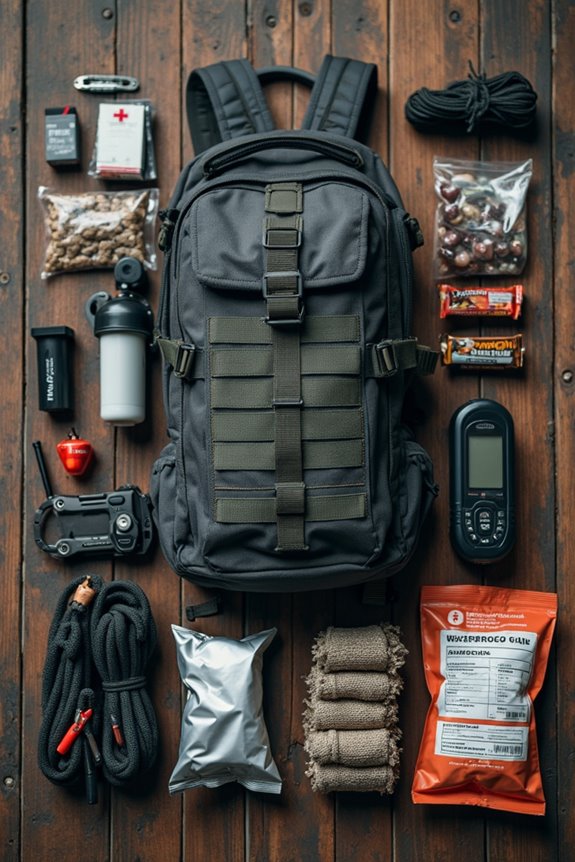
Building a 72-hour emergency kit is essential for our family’s safety. We’ll need a sturdy container, like a backpack or duffel bag, to easily carry our supplies. Let’s pack at least one gallon of water per person each day, along with non-perishable food like granola bars and canned goods. Don’t forget warm clothing, medical supplies, and important documents in waterproof bags. Regularly checking our kit helps keep it fresh and ready. Stick around; there’s more to explore!
Key Takeaways
- Choose a durable, portable container like a backpack or duffel bag, ensuring easy access to supplies during an emergency.
- Pack at least one gallon of water per person per day and include non-perishable food items tailored to dietary needs.
- Store essential documents, including IDs and pet papers, in a waterproof bag and keep electronic copies in a secure location.
- Include clothing for varying conditions, such as sturdy shoes, warm layers, and blankets to ensure comfort and warmth.
- Regularly check and update the kit every six months, replacing expired items and adjusting for family needs or changes.
Importance of a 72 Hour Emergency Kit
When the unexpected happens, having a 72-hour emergency kit can be a lifesaver. Think about it—those first three days after a disaster are critical. Relief might take time, and that’s where our emergency preparedness shines. By preparing ourselves with essential supplies, we boost our chances of surviving anything from floods to hurricanes.
We should pack non-perishable food, water, first aid supplies, and sanitation items. Don’t forget tools for warmth and communication! A well-rounded kit makes each of us more self-sufficient. Plus, knowing we’re ready helps ease anxiety during tough times. Remember, it’s not just about the stuff; it’s about the peace of mind that comes from having solid survival strategies. Additionally, being equipped significantly enhances safety and survival chances. So let’s start building that kit today!
Choosing the Right Container
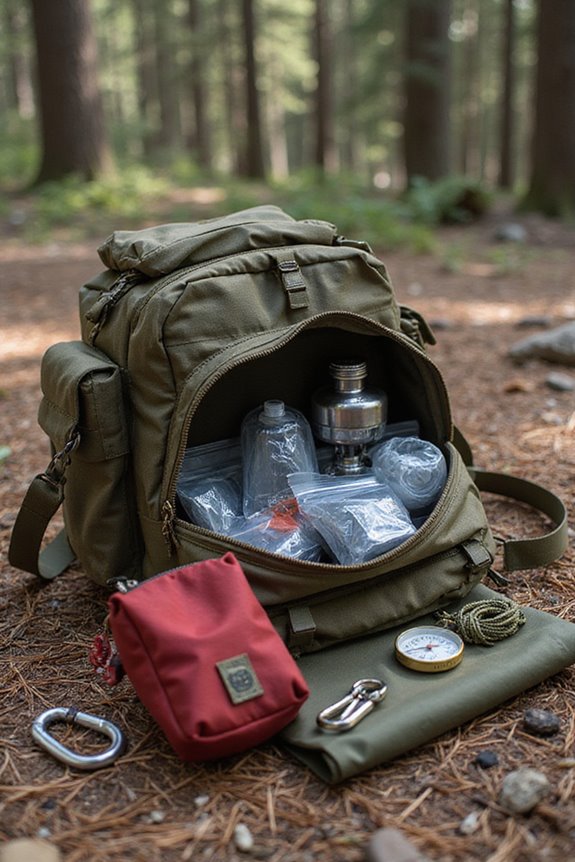
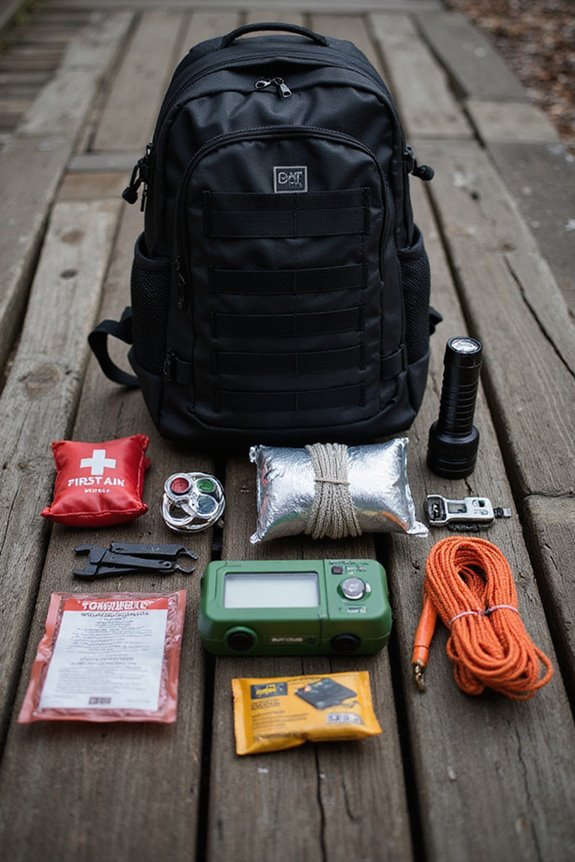
Having a reliable emergency kit is just the start; we also need to think about how we’ll store it. When choosing a container, consider portability—backpacks are great for individual kits, while duffel bags can accommodate family needs. Plastic buckets or totes protect against moisture and stack neatly.
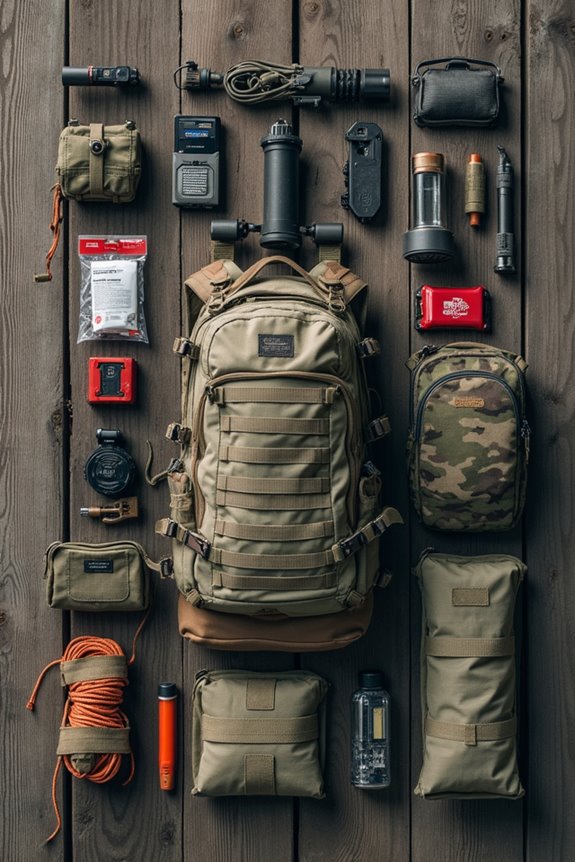
We want sturdy materials, so picking something durable with good handles or wheels keeps it manageable. Let’s also remember weight; lightweight containers help us move quickly. Additionally, including essential survival gear in your kit ensures that all necessary items are easily accessible during an emergency. Transparency is key, too—being able to see or easily label contents saves time. Finally, we should regularly assess our kit’s size and storage location to guarantee everyone can grab it easily when it matters most. After all, emergencies aren’t polite enough to wait!
Food and Water Supplies
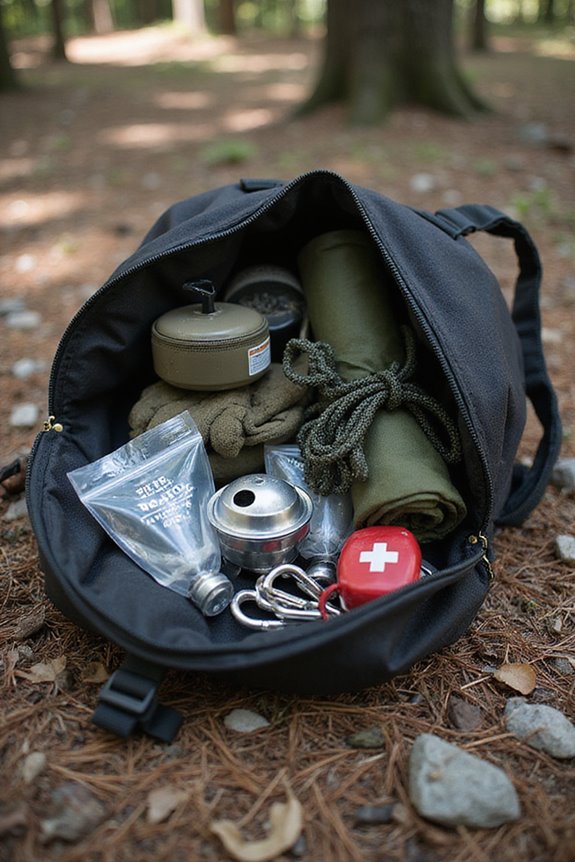
While we may not want to think about emergencies, packing food and water supplies is essential to our readiness. We should store at least a gallon of water per person for each day, totaling three gallons for three days. It’s vital to use clean, BPA-free containers and include water purification supplies like tablets or filters just in case. Additionally, we should consider using durable, BPA-free plastic containers for safe water storage to ensure quality during emergencies.
For food, let’s opt for non-perishables—think canned goods and ready-to-eat meals. Emergency snacks like granola bars, trail mix, and jerky can give us quick energy when we need it. Don’t forget to take into account dietary needs, and keep everything organized, accessible, and stored in a cool, dry place. This way, we’ll be ready, calm, and nourished when the unexpected happens.
Recommended Products

Our Premium Taste: Our water is crisp, refreshing, and loved by customers. Everybody Water goes through a 5-step reverse osmosis filtration process to deliver exceptional taste.

Canned water in eco-friendly aluminum, not plastic

CANNED WATER IN ECO-FRIENDLY ALUMINUM, NOT PLASTIC - Open Water uses sustainable packaging made of 100% recyclable BPA-free aluminum. Our 12 oz aluminum cans get recycled more often than any other beverage container material including plastic, glass, and even cartons. Aluminum is also infinitely recyclable, which means it can be recycled over and over without losing quality or volume.
Clothing and Bedding Essentials
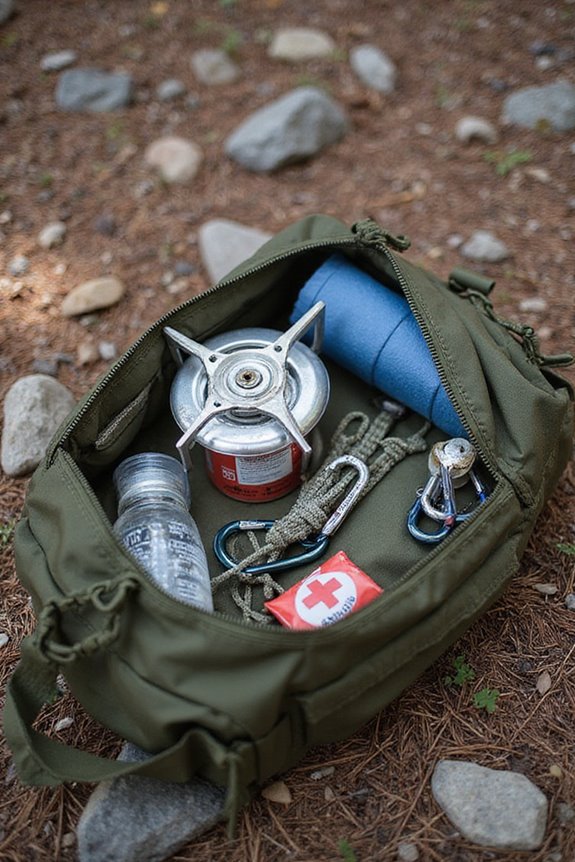
After we’ve covered the importance of food and water supplies, it’s time to think about clothing and bedding essentials. Think sturdy shoes—they’ll help us navigate debris and harsh conditions. We need extra warm clothing, like jackets, hats, and gloves, especially for cold weather. Don’t forget rain gear for those unexpected downpours and at least one change of clothes per person. Durable socks are a must, too!
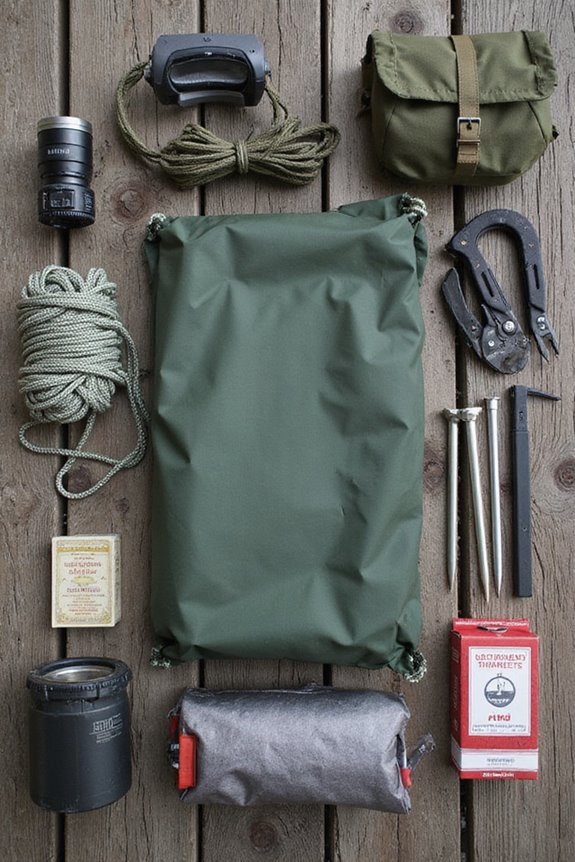
For bedding, grab blankets or sleeping bags for warmth. Don’t overlook sleeping pads for comfort and insulation. A tarp or plastic sheeting can provide shelter or ground cover. Finally, space blankets and bivvy sacks are compact options that can save the day. With these clothing types and bedding materials in our kit, we’ll keep cozy when it counts! Additionally, temperature ratings of sleeping bags are important to ensure they provide adequate warmth in cold conditions.
Recommended Products

4K@60fps Cinematic Footage for Adventurers & Creators: Experience your adventures like never before with the HOVERAir X1 PRO action camera. Capture every detail in stunning 4K@60fps, from the crisp mountain air to the motion of the waves. This camera drone effortlessly delivers cinematic-quality footage, bringing your most unforgettable moments to life in ultra-clear, lifelike 4K. (Horizontal: 4K@60fps, Vertical: 2.7K@60fps)


Durable Paratex Steelplate outer shell provides water resistance and wind protection
Light, Fuel, and Signaling Devices
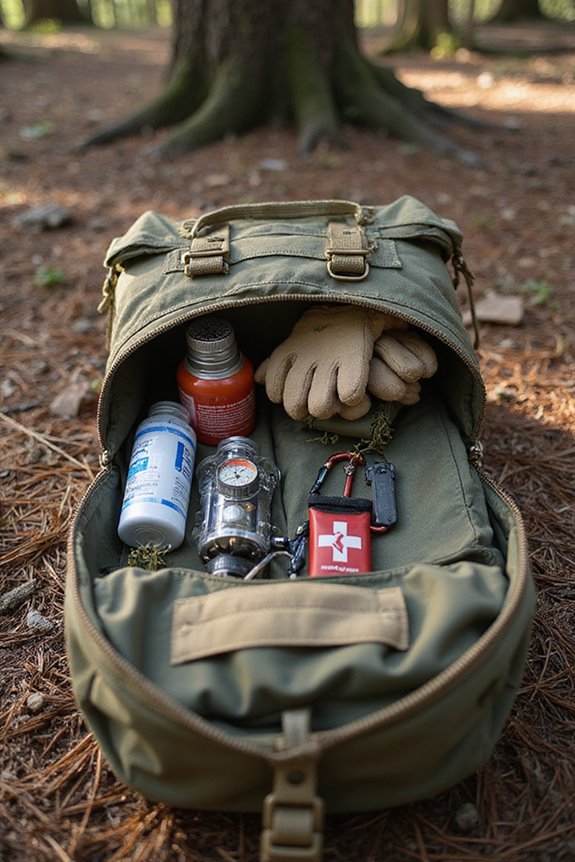
In any 72-hour emergency kit, having reliable light sources, fuel, and signaling devices is essential. We should prioritize various light options like LED flashlights, headlamps for hands-free use, and lanterns for broader illumination. Solar-powered lights are a game changer too! Additionally, considering emergency light options can provide peace of mind during unexpected power outages.
When it comes to fuel types, let’s stock up on batteries and consider hand-crank gadgets. Remember, avoiding open flames like candles is vital for safety. For signaling methods, whistles, reflective mirrors, and signal flares can really catch attention.
Essential Tools and Equipment
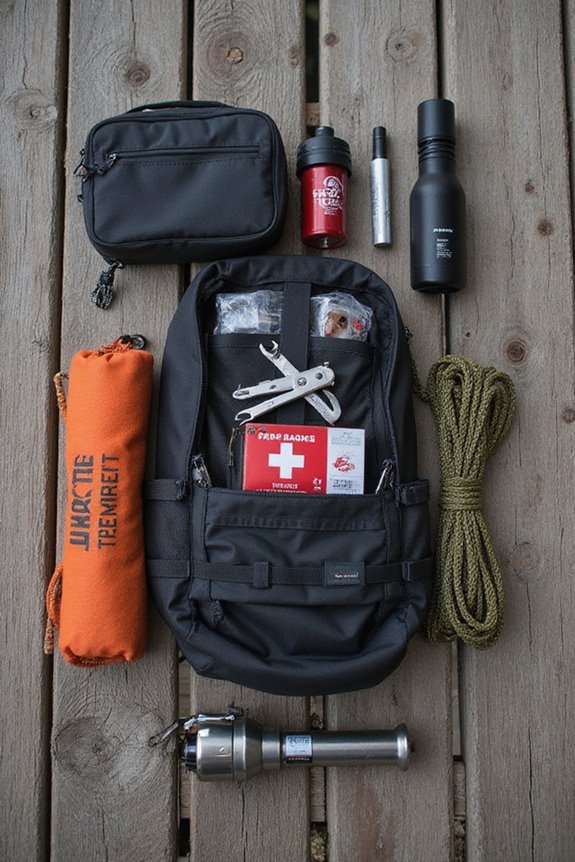
When building a 72-hour emergency kit, having the right tools and equipment can make all the difference. We should focus on essential items like a wrench or pliers for turning off utilities, a manual can opener for that canned food you might have, and a pocket knife or multi-tool for tackling various tasks.
Consider our tool selection tips: prioritize based on immediate needs. A fire extinguisher is crucial to tackle small fires, while a foldable shovel can clear debris if we need to escape. Don’t forget the duct tape—it’s like the superhero of the toolbox! By efficiently managing our equipment prioritization, we can guarantee our kit is both functional and ready for whatever comes our way. Additionally, incorporating emergency preparedness essential tools ensures that we are equipped for food, water, warmth, and light during unforeseen situations. Let’s get prepared together!
Personal Care and Hygiene Items
While we gear up our emergency kit with tools and equipment, we can’t overlook the need for personal care and hygiene items. Maintaining our hygiene practices is vital to staying comfortable during stressful situations. We should pack soap, toothbrushes, and toothpaste for personal grooming. Feminine hygiene products and moist towelettes help manage cleanliness, especially when water’s scarce.
Adding hand sanitizer, garbage bags, and disinfecting wipes helps keep our environment clean. A comb can work wonders for our hair, while lip balm and sunscreen protect our skin from the elements. Let’s not forget the basics: toilet paper and nail clippers for minor grooming. By gathering these essentials, we set ourselves up for a cleaner, more comfortable experience.
Medical Supplies to Include
We’ve all seen how unexpected emergencies can strike, catching us off guard. That’s why including proper medical supplies in our 72-hour emergency kit is vital. We should pack a variety of medical supply types, starting with wound care essentials like sterile gauze pads, adhesive bandages, and antiseptic wipes. They help us handle cuts and scrapes effectively.
Let’s not forget instant cold packs for swelling or elastic bandages for support. We’ll also want pain relievers, such as acetaminophen, and any personal prescriptions.
Don’t overlook tools! A thermometer, tweezers, and a CPR mask can save lives. Finally, remember a first-aid manual—it’s like having a friend guiding us through tough times. With these supplies, we’ll feel more prepared for whatever comes our way.
Packing for Pets
Packing for pets isn’t just an afterthought; it’s an essential step in preparing for emergencies. Our furry friends need love and safety too! Start with a 72-hour supply of their regular food in waterproof containers. Don’t forget collapsible, non-spill bowls to make mealtime easier on the go.
Include sturdy leashes, harnesses, and extra ID tags—just in case our pets try to play hide and seek during chaos. Biodegradable waste bags and disinfectant supplies are vital for keeping things clean and hygienic. For comfort, pack familiar toys and cozy blankets to help ease anxiety.
When planning pet safety, remember: a little prep goes a long way in ensuring our pets feel secure and loved during emergencies. Let’s keep them happy!
Organizing Important Documents
After ensuring our pets are well-prepared for emergencies, it’s time to focus on something just as important: organizing our essential documents. Let’s gather crucial records like birth and marriage certificates, photo IDs, and pet ownership papers. We should consider document organization; a waterproof, portable container or a secure document bag is perfect for this.
Next, we can store electronic copies on encrypted USB drives or secure cloud storage. It’s wise to keep the sensitive stuff, like Social Security cards, separated to minimize theft risks. Including local maps and emergency contact details is a smart move, too. This way, we’ll be ready for anything, and a little laughter goes a long way in stressful times. So, let’s get started!
Regular Maintenance and Updates
Maintaining a 72-hour emergency kit isn’t just a one-time task; it’s an ongoing commitment. We should schedule regular kit inspections every six months. This guarantees we replace expired food, water, and medications. Remember—heat and humidity can shorten shelf life.
We can also update our inventory as family needs change. Dietary restrictions or health conditions might require us to adjust contents. Don’t forget to swap out sizes for growing kids!
For organization, jot down inspection dates and what we updated. It keeps our kits efficient and ready. Storing kits in cool, dry places helps, too. Let’s keep our emergency plans and kit contents aligned, making sure everyone in the household knows where everything is—like our secret stash of snacks!
Frequently Asked Questions
How Do I Decide What Food Items to Include?
When deciding what food items to include, let’s focus on non-perishable snacks and easy prep meals. We should aim for energy-dense options that taste good and keep us satisfied during emergencies.
Can My Emergency Kit Serve Multiple Purposes?
You know what they say—kill two birds with one stone! Our emergency kit’s filled with multifunctional items and versatile gear, helping us meet diverse needs and ensuring we’re well-prepared for any situation.
How Often Should I Refresh My Kit’s Supplies?
We should refresh our kit’s supplies every six months, keeping an eye on expiration dates. Regular inspection helps us guarantee everything’s in good shape, ready for when we need it most. Let’s stay prepared together!
What Should I Do if I Have Special Dietary Needs?
What if our special dietary needs aren’t met during emergencies? We should prioritize packing foods with special ingredients, always keeping allergy considerations in mind, ensuring we stay nourished and safe in any situation we face together.
How Do I Ensure My Kit Is Portable During Evacuation?
To guarantee our kit’s portable during evacuation, we’ll use lightweight containers that offer easy access to essentials. By organizing items thoughtfully and distributing weight, we can carry everything comfortably and efficiently when it counts.