As an Amazon Associate, we earn from qualifying purchases. Some links on this site are affiliate links at no extra cost to you. Our recommendations are based on thorough research and editorial judgment.

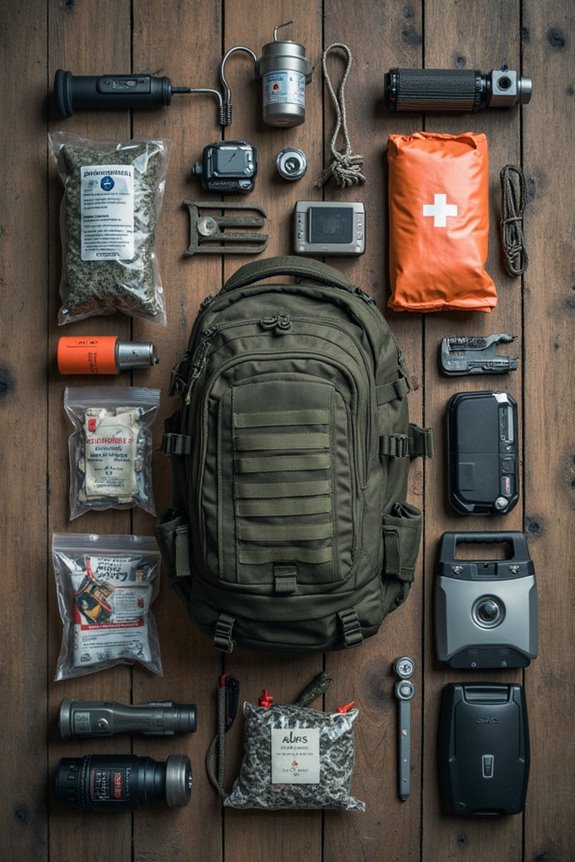
What Are Essential Survival Skills?

We all need essential survival skills to thrive when things go sideways. First, we should master fire skills; think waterproof matches and dry tinder like leaves or pine needles. Next, we’ll want a solid shelter—pick a good spot and stack up on materials, layering for warmth. Knowing how to find clean water is vital too; streams are best! Stay tuned for tips on how to gather food and signal for rescue—there’s more to explore!
Key Takeaways
- Master fire skills, including techniques for starting and maintaining a fire for warmth, cooking, and signaling for rescue.
- Learn effective shelter construction to protect against environmental elements and ensure safety in various conditions.
- Acquire skills for locating and purifying clean water sources to stay hydrated and healthy during survival situations.
- Develop foraging abilities to identify and gather nutritious wild edibles, along with food preservation techniques for long-term sustenance.
- Cultivate a survival mindset to enhance emotional resilience, adaptability, and focus on immediate needs in challenging circumstances.
Fire Skills
When we find ourselves in the great outdoors, mastering fire skills is like gaining a superpower. Using reliable fire starter techniques, like waterproof matches and ferrocerium rods, can guarantee we get that spark—no matter the weather. But it doesn’t stop there! Let’s talk about tinder identification; we need dry leaves, grasses, or even pine needles to ignite that flame.
First, gather your tinder, kindling (small twigs for initial flames), and larger fuelwood for sustained heat. Once we have our materials, clear the ground and choose a safe spot. Use a solid fire lay, like a teepee, to generate maximum heat. Remember, collecting extra firewood is key to our fiery success. Moreover, utilizing a magnesium fire starter ensures efficient ignition even in challenging conditions. With practice, our superpower will glow brighter every time!
Shelter Construction
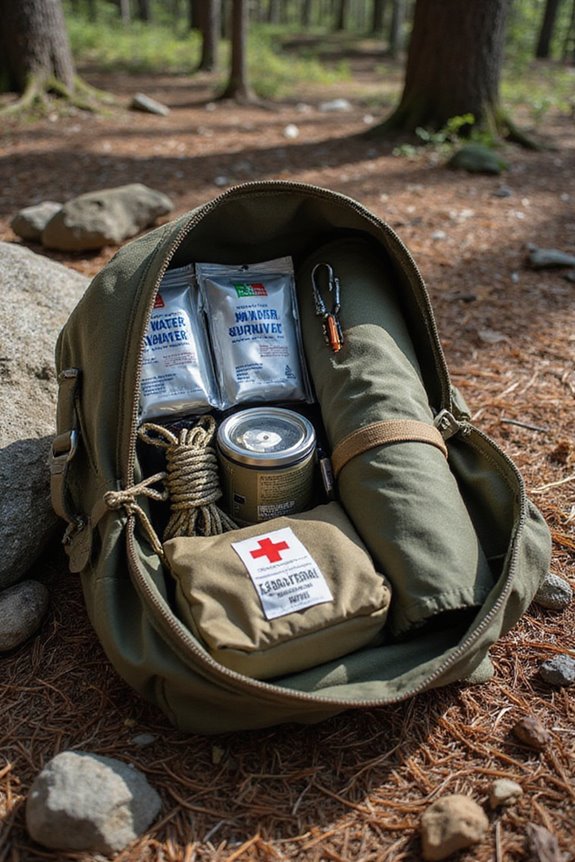
Constructing a shelter might just be one of the most essential survival skills we can master. First off, we need to choose a good shelter location. Avoid low spots and areas near water to keep dry. Look for sturdy trees to support our structure and consider the wind direction for protection.
We can use strong branches to build our frame, tying them with natural cordage. Insulation techniques are vital, too! Layer thick materials like leaves or moss to keep warmth in and rain out.
Don’t forget to make a snug entrance; we want to hang onto that heat! Additionally, understanding the importance of shelter-building techniques will enhance your overall survival capabilities. Finally, let’s check our shelter regularly for damage and animal visitors. With practice, building a comfy, safe shelter becomes second nature!
Signaling for Rescue
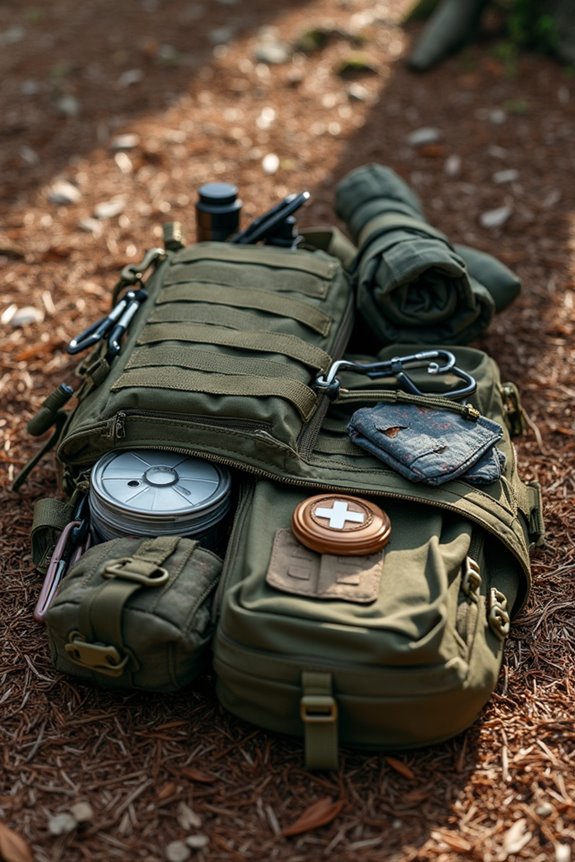
In survival situations, knowing how to signal for rescue can make a life-or-death difference. Let’s break down some effective techniques, combining visual signaling and sound signaling. For visuals, we can use mirrors to flash sunlight or make large symbols like “SOS” with logs — they catch attention from the skies. At night, a flashlight set to an SOS pattern is our best friend.
For sound, a whistle with three sharp blasts is universally recognized, and honestly, it takes less energy than shouting. If we find ourselves overwhelmed, firing three shots in the air can alert hopefully nearby rescuers. Remember, whether it’s light or sound, consistency is key—three is our magic number. Practicing these signals ahead of time boosts our confidence when we truly need it! Additionally, having essential tools like multi-functional signaling devices in your survival kit can significantly enhance your chances of being located quickly.
Water Procurement and Purification
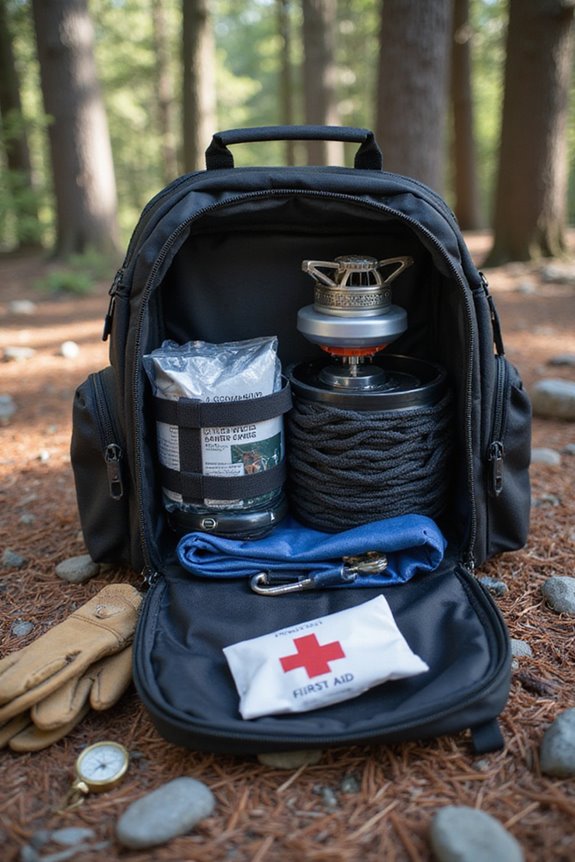
Finding and purifying water is one of the first things we should tackle in any survival situation because, without it, our chances of making it out decrease rapidly. We can use water sourcing techniques like locating streams or springs, which usually offer cleaner water than ponds. Dew could be harvested with cloths or even by tapping bamboo stalks for a drip or two.
Once we’ve gathered water, purification methods become essential. Boiling is straightforward—just a few minutes and most germs are gone! If we need speed, chemical tablets can help, although they might leave a funky taste. Remember, avoiding stagnant water is key; it’s like drinking a science experiment! In addition, investing in a reliable portable water filter may enhance our ability to ensure safe drinking water in various environments. Let’s stay hydrated and ready for what’s next.
Food Acquisition and Nutrition
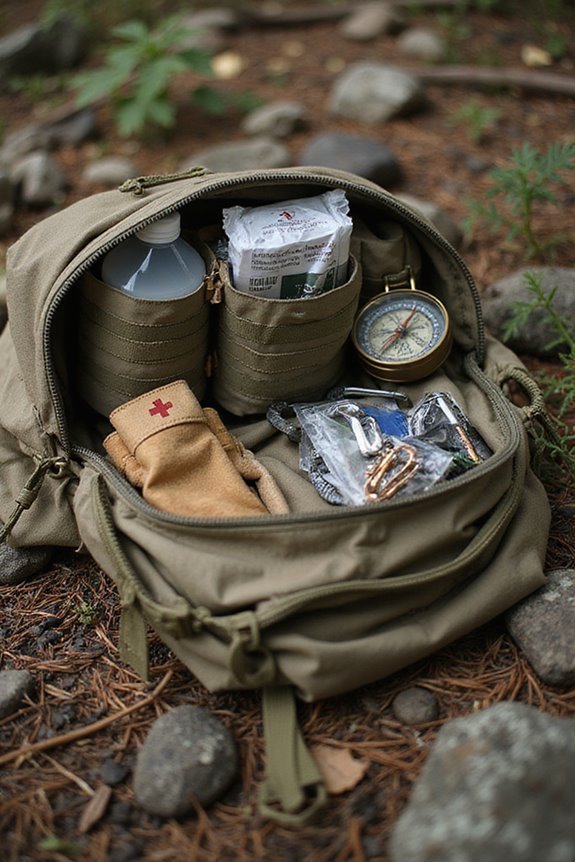
Surviving in the wild isn’t just about finding water; we’ve also got to think about food. Let’s explore some food acquisition methods that keep us nourished. We can use foraging techniques to find wild edibles, like berries and mushrooms. Remember, some might not be safe—so, always double-check!
When it comes to long-term survival, stocking up on grains, beans, and canned goods is crucial. They’re nutritional powerhouses! Additionally, having a supply of dehydrated meals ensures we have convenient and flavorful options during our adventures.
Plus, mastering food preservation techniques is key to keeping our supplies fresh. Airtight containers and cool storage areas work wonders.
And don’t forget, knowing how to cook our finds—like soaking dried beans—helps avoid tummy troubles! With these essentials, we’ll guarantee a solid nutritional base for our survival journey.
First Aid and Health Management
When it comes to staying safe in the wild, knowing first aid and health management skills can be a lifesaver. Having a well-stocked first aid kit is essential, so let’s make sure it includes disinfectant, bandages, and treatments for bites and stings. A wilderness first aid course can equip us with crucial injury management skills like wound care, evaluating broken limbs, and even performing CPR if needed. Additionally, it’s wise to consider the organization of contents in your first aid kit to enhance quick access during emergencies. Staying hydrated is key to our health, too. We’ve got to keep our water levels up to prevent dehydration. And don’t forget about sun protection! Remember, we’re all in this together, so learning these skills not only benefits us but our friends and loved ones out there in nature.
Navigation Techniques
Steering through the great outdoors can feel like a thrilling adventure, but without the right skills, it can also lead us astray. Mastering map reading and compass use is key to our success.
First, let’s orient our map by aligning its north arrow with the compass needle. Next, we’ll use the compass to set a course by connecting our current location to our destination on the map. As we move, we’ll keep the compass needle aligned.
Don’t forget to observe nature too! The sun can help with direction, while mountains and water sources can guide our way. These techniques, paired with our trusty map and compass, will keep our adventures exciting and safe. Let’s navigate like pros!
Emergency Preparedness
Being prepared for an emergency can make all the difference when things go wrong. We need to start by assembling an emergency kit. This should include water—about a gallon per person per day—and non-perishable food. Let’s not forget a flashlight, batteries, and a radio for updates!
Next, we should create a communication plan. This plan will keep us connected. Charge your cell phones and keep important numbers handy on waterproof paper.
It’s essential everyone in our household knows about emergency alerts, too. Tailoring our plans to possible local disasters makes a huge difference. Remember, preparedness isn’t just about having supplies; it’s about knowing how to use them together. We’ve got this!
Weather Assessment and Response
Knowing how to assess weather conditions can really save our necks in an emergency. By watching weather patterns, we can read signs like cumulonimbus clouds that hint at upcoming thunderstorms. It’s also smart to observe animal behavior—like birds flying low before rain—as they often sense changes in the atmosphere before we do.
To prepare, let’s guarantee we have a portable barometer to track pressure changes. This will help us forecast whether a storm is brewing. And remember, dress in layers to guard against sudden cold or heat. By understanding these elements, we can build our shelters wisely, ensuring they withstand whatever Mother Nature throws our way. Staying aware is the best way to keep ourselves safe and dry.
Survival Mindset and Mental Resilience
A solid survival mindset might just be the difference between thriving and barely making it through tough situations. We’ve all felt that rush of adrenaline when danger lurks. That’s survival psychology kicking in, activating our will to live. But it’s more than instinct; it’s about emotional endurance. Keeping our spirits high, even when the odds seem stacked against us, can change outcomes.
Let’s remember to embrace adaptability and optimism, even when faced with chaos. Simple affirmations like, “I’m resilient,” keep negativity at bay. Practicing calm routines can help us maintain focus on survival’s immediate needs. Ultimately, we can cultivate a survivor mentality, pushing through adversity while finding meaning in every challenge. Together, we’ve got this!
Frequently Asked Questions
What Tools Are Recommended for Effective Fire-Starting and Maintenance?
For effective fire-starting, we suggest waterproof matches, wind-resistant lighters, and ferro rods. Let’s remember maintenance tips like using proper storage and practicing regularly to keep our fire starters ready for any situation.
How Do I Choose a Shelter Site Based on Wildlife Activity?
When choosing our shelter location, let’s look for wildlife signs like tracks and scat. We’ll avoid trails and dens, ensuring our cozy refuge remains a safe haven, away from roaming creatures and their curious ways.
What Are the Best Materials for Signaling at Night?
For nighttime signaling, we love using signal mirrors for light reflection—they’re effective even with moonlight. Plus, combining them with glow sticks enhances visibility, ensuring our signals catch rescuers’ eyes in the dark.
How Can I Identify Contaminated Water Sources in the Wild?
When we’re identifying pollutants in the wild, let’s look for murky water or unusual colors. After collecting, we should always use water filtration and treat as necessary to stay safe and healthy together.
What Are Common Misconceptions About Survival Skills?
We’ve all heard those myths about survival skills, but let’s embrace some myth debunking together. Skill misconceptions can leave us unprepared; understanding the reality equips us better for real challenges we might face outdoors.