As an Amazon Associate, we earn from qualifying purchases. Some links on this site are affiliate links at no extra cost to you. Our recommendations are based on thorough research and editorial judgment.

How To Insulate Sleeping Systems For Cold?

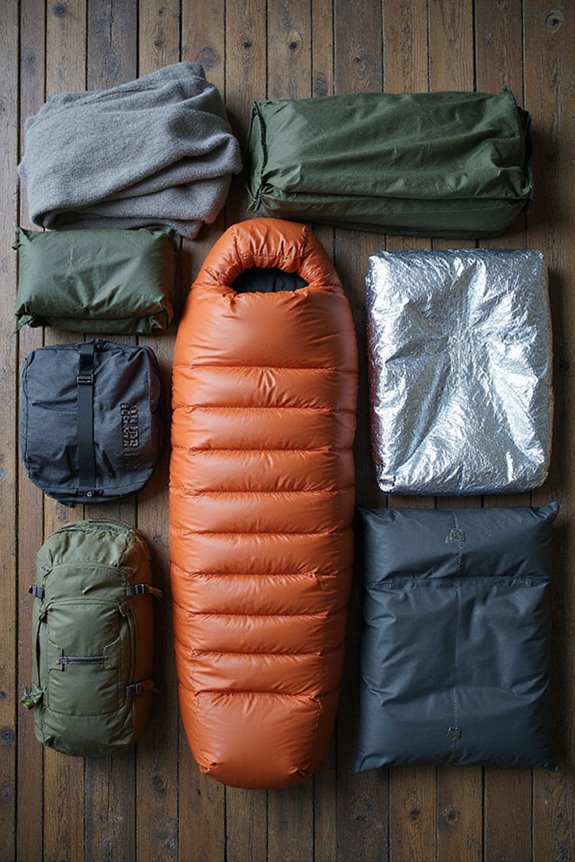
To insulate our sleeping systems for cold nights, we need to layer quilts and manage moisture effectively. Start with a lightweight moisture-wicking layer to stay dry, then use heavier quilts on top. Don’t forget a good sleeping pad with a high R-value for extra warmth! Properly seal our clothing to keep out dampness and consider using a bivy sack or sleeping bag cover. This keeps us cozy, and there’s more to discover about optimizing insulation!
Key Takeaways
- Layer sleeping quilts strategically, using lighter options on the bottom and heavier ones on top to maximize insulation and minimize cold spots.
- Choose materials with high thermal efficiency, like down insulation, and ensure fabrics are durable yet lightweight for optimal comfort.
- Use a sleeping pad with a high R-value and sufficient thickness to prevent cold from seeping through from the ground.
- Maintain dryness by managing moisture; utilize vapor barriers and ensure proper ventilation to prevent dampness in your sleeping system.
- Enhance warmth by sealing dry clothing, wearing accessories like hats and gloves, and considering group sleeping for shared body heat.
Layering Sleeping Quilts for Enhanced Warmth
When it gets chilly at night, layering our sleeping quilts can really make a difference in staying warm and cozy. To maximize warmth, let’s place lighter quilts on the bottom and heavier ones on top. This keeps us snug while maintaining thermal efficiency. It’s essential to align insulation compartments between layers to avoid cold spots—nobody likes a surprise chill! A looser fitting top quilt preserves the bottom quilt’s insulation loft, which is imperative for warmth.
Let’s secure our quilts with straps to prevent shifting and drafts. Remember, layering isn’t just about warmth; it’s a smart way to adapt our setup to different temperatures. By testing combinations in safe environments, we can plunge into the cold with confidence. Additionally, considering a sleeping bag with a temperature rating ensures that we stay protected against the cold during our adventures.
Utilizing Vapor Barriers in Sleeping Systems
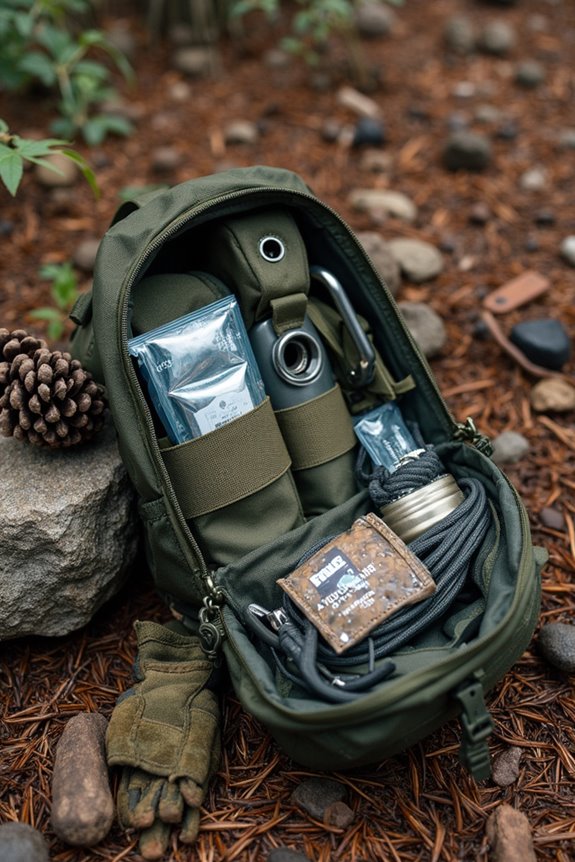
Utilizing vapor barriers in our sleeping systems can truly revolutionize how we stay warm and dry during chilly nights. These barriers work to prevent moisture from sweat and condensation from soaking our insulation, enhancing vapor barrier effectiveness. By trapping water vapor close to our skin, we keep evaporative cooling at bay, which is essential in subzero conditions.
To use them, we simply place a non-permeable liner against our bodies. This retains more than 90% of our body’s moisture, maintaining that cozy warmth we crave. Sure, it can feel a bit clammy, but the trade-off is worth it. With less insulation needed and better moisture retention, we’re set for those long, cold nights under the stars without the risk of frostbite. Additionally, choosing a sleeping bag with high fill power insulation can significantly enhance our overall warmth and comfort in colder temperatures.
Recommended Products

A liner is the climate core of your sleep system - the Silk Blend liner adds warmth and a touch of luxury to your sleeping bag
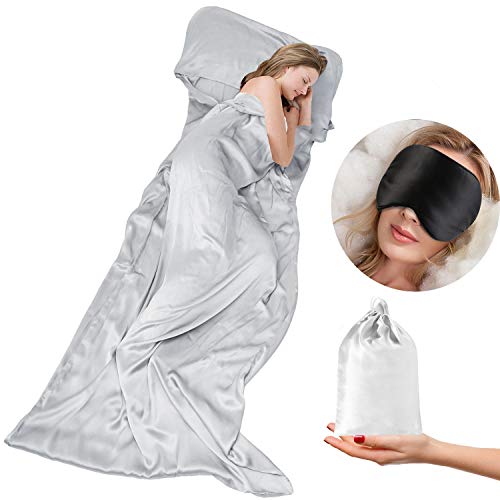
Double-sided Usable Design - We use a special sewing method to make it available on both sides. You can let the smooth side of the silk at outside. You can also choose to let your body directly touch the smooth side of the silk by using the liner in reverse. You can try both to determine which one do you prefer.

Adds up to 12.6 °F to a sleeping bagdegrees to a sleeping bag
Choosing the Right Quilt Materials
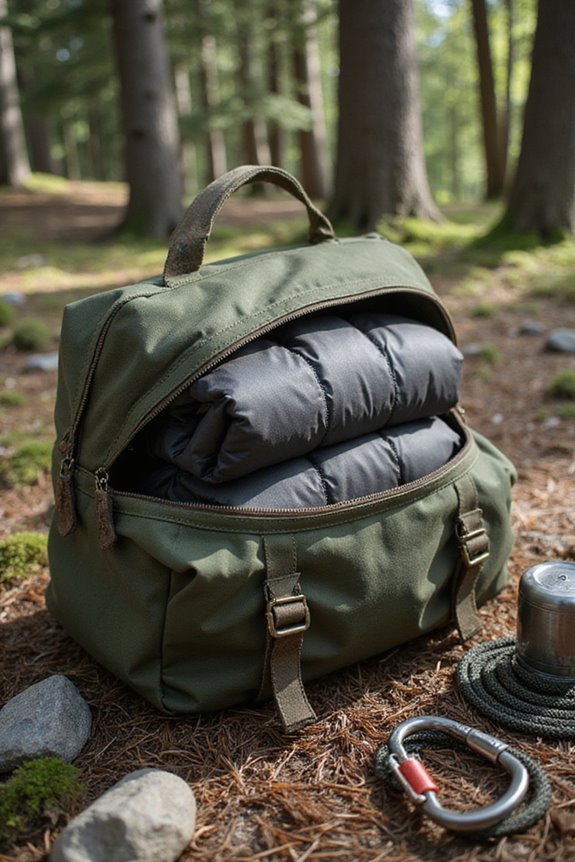
Staying warm and comfortable at night hinges on the materials we choose for our sleeping systems, and that includes our quilts. Down insulation offers an incredible warmth-to-weight ratio, especially with high fill power ratings. Opt for fabric types like durable yet lightweight 7D ripstop nylon for ultralight options. Don’t overlook hydrophobic down; it’s a game-changer in damp conditions.
When selecting quilt designs, look for adjustable closures for a snug fit and footboxes for excellent draft prevention. For couples, double quilts work wonders—but coordination is key! If budget’s a concern, consider budget options that still maintain durability. Finally, remember sustainability matters; choosing ethically sourced materials not only keeps us warm but also cares for our planet. Lightweight options make it easier to pack your sleeping system for camping adventures. Cozy up smartly!
Optimizing Sleeping Pad Insulation
Optimizing sleeping pad insulation can make a world of difference in how well we stay warm at night. First, let’s choose the right pad thickness. Thicker pads generally provide better insulation, keeping us cozy even on chilly nights. Next, we need to take into account air circulation. It’s essential to place our pads in a way that prevents cold drafts. This means ensuring no gaps exist between our pad and the ground.
We can also layer our setup, combining a high-R-value sleeping pad with a comfortable sleeping bag. Remember, a little extra care goes a long way. Let’s keep our insulation effective by drying our pads after use, avoiding dampness that can freeze our dreams. Additionally, selecting pads with a higher R-value insulation rating can significantly enhance our warmth during cold nights. Happy camping!
Understanding R-Values and Their Importance
When we think about keeping warm at night, R-values play a big role in our sleeping systems. R-value is a measure of how well a material resists heat flow. The higher the R-value, the better the insulative materials can keep us cozy by slowing heat loss.
For example, sleeping pads can have R-values ranging from 1 to over 11! To pick the right pad, we can do a simple R value calculation based on the coldest temperature we expect.
Combining pads with different R-values can bolster our warmth. Remember, even a great sleeping bag won’t keep us warm if we’re losing heat to the cold ground. So let’s choose wisely, and we’ll sleep soundly under the stars! Additionally, understanding portable gas stoves can help enhance our outdoor cooking experience while staying warm in colder environments.
Using Bivy Sacks and Sleeping Bag Covers
Bivy sacks and sleeping bag covers can be game-changers for staying warm in cold conditions. They offer essential bivy sack features like being waterproof and windproof, which protect us from harsh weather. This means more warmth and fewer worries about the elements. Sleeping bag covers bring extra insulation, enhancing the advantages of our sleeping bags. When layered correctly, they trap body heat while minimizing heat loss. Plus, they’re lightweight and easy to pack, making our nighttime setup a breeze. Additionally, utilizing temperature ratings can help in selecting the right combination of layers for optimal warmth.
Managing Moisture for Effective Insulation
Effective insulation isn’t just about the sleeping bags or pads we choose; it’s also about managing moisture in our sleeping systems. We’ve got to be aware of moisture sources—like our own breath and sweat. A little breathing can create a lot of condensation, especially inside a tent. So, let’s use some condensation management tactics.
Consider adding vapor barrier liners (VBLs) to keep our body moisture away from the insulation. Ventilating our tents is essential, too; it’s all about balance. We can also pre-warm our sleeping bags with hot water bottles! And let’s be honest, nobody likes waking up damp. By being proactive, we’ll stay warm, dry, and ready for the next adventure!
The Benefits of Hybrid Insulation Systems
Hybrid insulation systems are a game changer for anyone serious about staying warm and comfortable while sleeping outdoors. By combining two different materials, like dense and porous insulations, we get an unbeatable thermal resistance and better airflow. This means no more chilly drafts ruining our peaceful slumber!
These systems not only cut down heat loss but also stabilize internal temperatures—perfect for those frosty nights. Plus, they’re budget-friendly! Who doesn’t love saving some cash while keeping cozy?
Their durability is another win; they resist moisture damage and reduce wear on heating systems. So, whether we’re setting up in a tent or a cabin, hybrid insulation is the trusty sidekick we all need for battling cold temperatures.
Recommended Products

Professional grade 30-degree Fahrenheit (-1-degree Celsius) ultralight down sleeping bag for for 2-season backpacking, bike packing, and touring; contoured mummy shape features hood and zipper draft tubes

30-degree Fahrenheit (-1-degree Celsius) ultralight down sleeping bag for 2-season backpacking, bike packing, and touring

Women's 30-degree Fahrenheit (-1-degree Celsius) ultralight down sleeping bag for for 2-season backpacking, bike packing, and touring; broad mummy shape features hood and zipper draft tubes
Strategies for Efficiency Improvements in Sleeping Systems
After exploring the advantages of hybrid insulation systems, it’s clear there’s always room for improvement when it comes to staying warm while we sleep outdoors. We can enhance our sleep system optimization by layering properly. Using two sleeping pads can bump our R-value, a measure of insulation effectiveness, up to meet or exceed the winter requirement of 5. We should consider modular systems that adapt to changing temperatures, mixing sleeping bags, liners, and quilts. For insulation efficiency, lightweight materials are a game changer. Plus, keeping our dry clothing sealed helps maintain warmth. Let’s get creative with our layers! A little humor? Adding a cozy quilt may turn our chilly night into a sleepover! Let’s stay warm, friends!
Frequently Asked Questions
How Do I Choose the Right Sleeping Bag for Extreme Cold?
To choose the right sleeping bag for extreme cold, we should prioritize bag temperature ratings and insulation materials. Let’s evaluate our needs, ensuring we select a bag that matches our comfort and warmth requirements together.
Can I Use a Self-Inflating Pad With a Foam Pad?
Sure, we can certainly combine self-inflating pads with foam cushioning! The self-inflating benefits enhance comfort while the foam adds extra warmth. Together, they create a cozy, cushioned haven for our restful nights under the stars.
What Are Common Mistakes in Layering Sleeping Quilts?
We often make mistakes with layering techniques, like mismatching quilt materials or failing to secure our quilts properly. Let’s remember to guarantee proper fit and alignment, minimizing cold spots for a cozy night’s sleep together.
How Often Should I Replace My Sleeping System Components?
We should replace our sleeping system components every few years, considering the sleeping bag’s lifespan and insulation durability. Regular checks can guarantee we stay warm and cozy during our nights under the stars together.
Does Body Size Affect Insulation Effectiveness in Sleeping Systems?
Absolutely, our body size considerably impacts insulation performance. In our sleeping bags, body mass affects warmth retention. By finding the right fit, we enhance personal comfort and tackle those cold weather challenges together.