As an Amazon Associate, we earn from qualifying purchases. Some links on this site are affiliate links at no extra cost to you. Our recommendations are based on thorough research and editorial judgment.

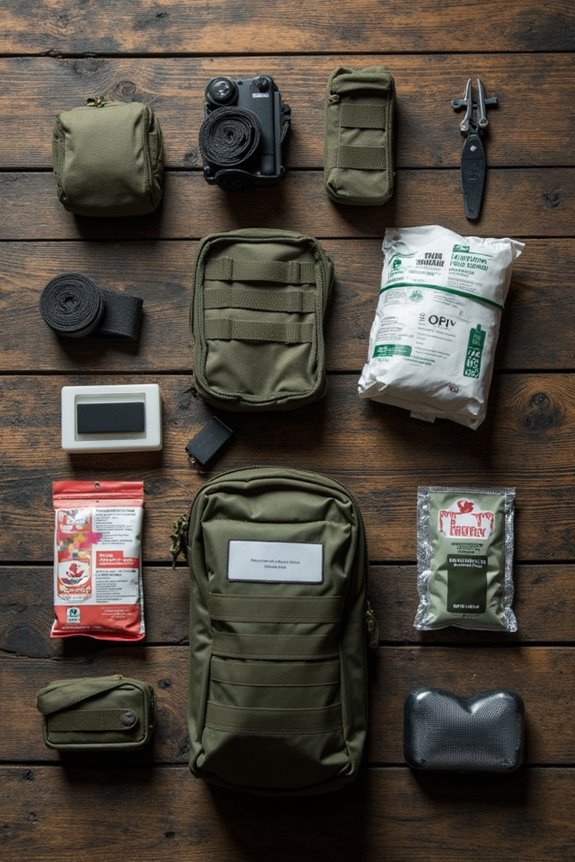
What Is An IFAK Used For?

An Individual First Aid Kit, or IFAK, is our go-to tool for emergencies. It’s lightweight and packed with lifesaving supplies like tourniquets and gauze to control severe bleeding and manage trauma. We use it in critical scenarios, from hiking mishaps to car accidents. Regular checks guarantee it’s always ready. Knowing how to use it effectively is key—because in a pinch, every second counts! Stick with us and you’ll learn more about maximizing your IFAK’s potential.
Key Takeaways
- IFAKs are designed to provide essential supplies for life-saving care during emergencies, ensuring individuals can manage severe injuries effectively.
- They are crucial for controlling severe bleeding, a leading cause of preventable death in trauma situations.
- Key components include wound dressings, tourniquets, antiseptics, and tools for effective injury management.
- IFAKs are widely utilized in military operations for both self-aid and buddy-aid, promoting quick response during critical situations.
- Regular maintenance and training enhances their effectiveness, ensuring readiness for household accidents and emergency scenarios.
Purpose of an IFAK
When we think about emergencies, it’s essential to have the right tools at our fingertips, and that’s where an Individual First Aid Kit (IFAK) comes into play. An IFAK is designed to equip us with life-saving essentials, making it an excellent choice for emergencies. We can customize our kits to our specific needs, ensuring that we have the most effective supplies.
IFAK advantages include its portability, as it’s lightweight and easy to carry. Plus, its organized compartments help us quickly locate and use supplies. Inside, we’ll find items like tourniquets, gauze pads, and antiseptic wipes ready for action. Importantly, an IFAK’s customizable options ensure that it meets individual needs and considers activity-specific risks. With an IFAK, we’re not just prepared; we’re empowered to attend to emergencies efficiently, knowing we’ve got what we need when it counts.
Importance in Emergency Scenarios
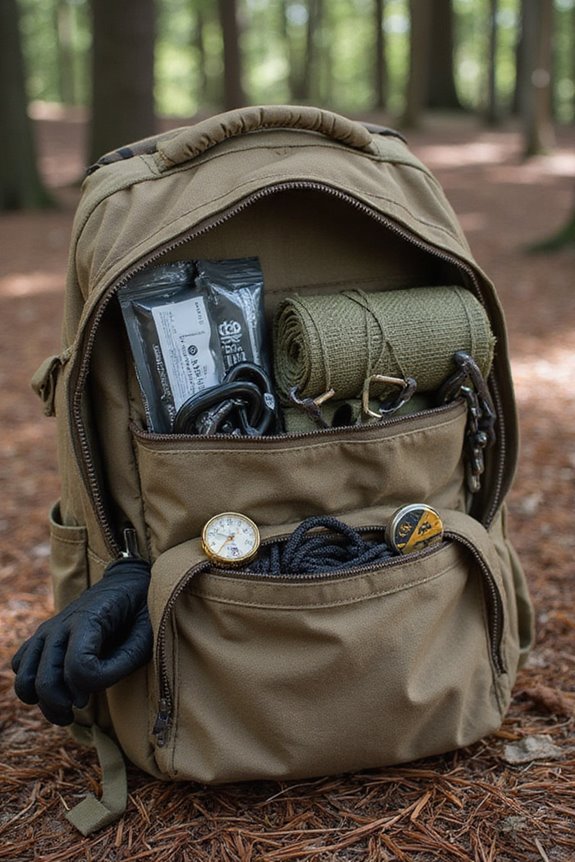
In emergencies, having an Individual First Aid Kit (IFAK) can make all the difference. These kits are designed to save lives, offering essential tools to control severe bleeding—the leading cause of preventable death in trauma. With the ability to quickly apply tourniquets or dressings, we can markedly improve survival rates.
Emergency statistics show that prompt first aid lowers risks of complications like infections. Imagine being at a job site, or even on a hike, and knowing we have an IFAK at the ready. It’s reassuring! Additionally, the inclusion of hemostatic agents in your kit can significantly enhance your ability to manage traumatic wounds efficiently.
Whether at home or in the field, IFAK advantages empower us to respond effectively, making sure we’re prepared for anything life throws our way. Ready to tackle emergencies, together!
Key Components of an IFAK
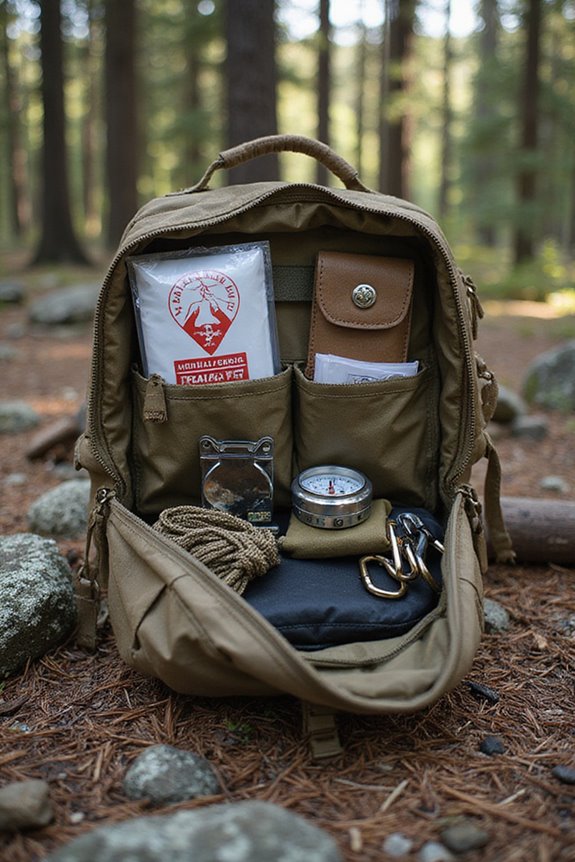
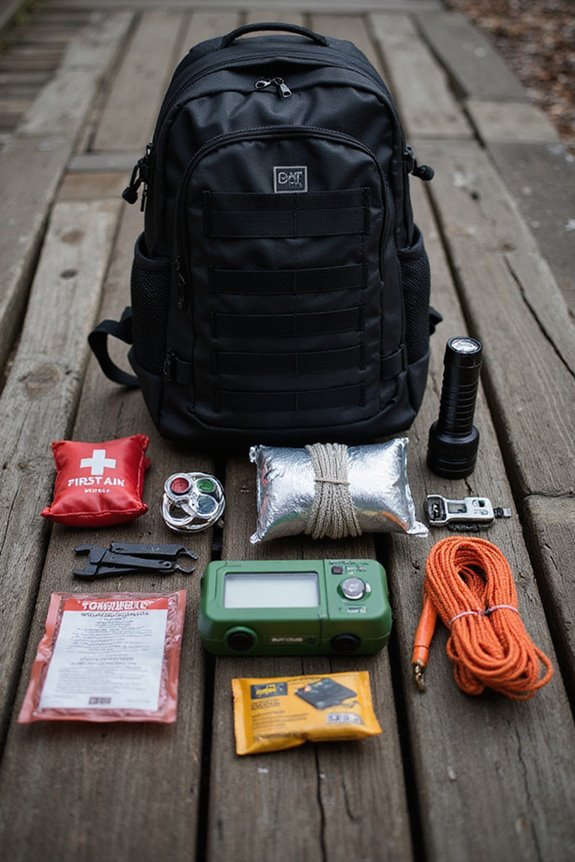
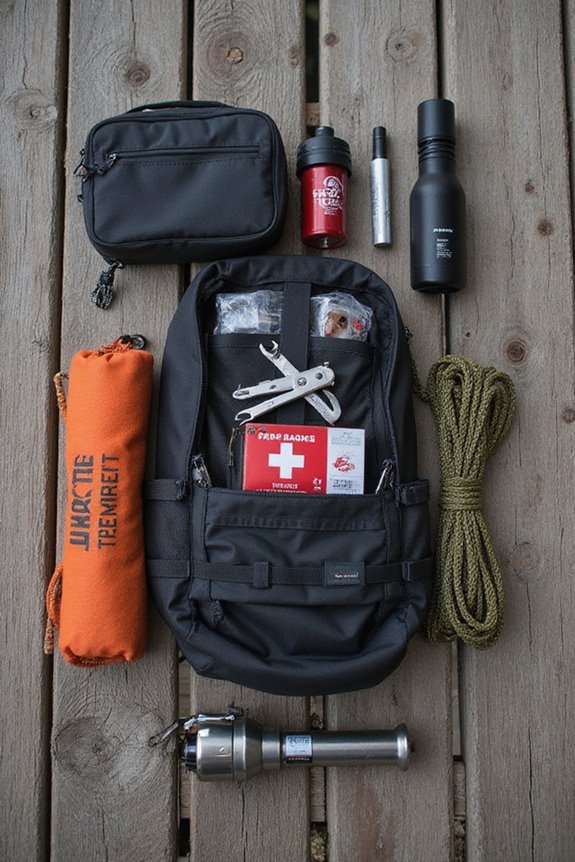
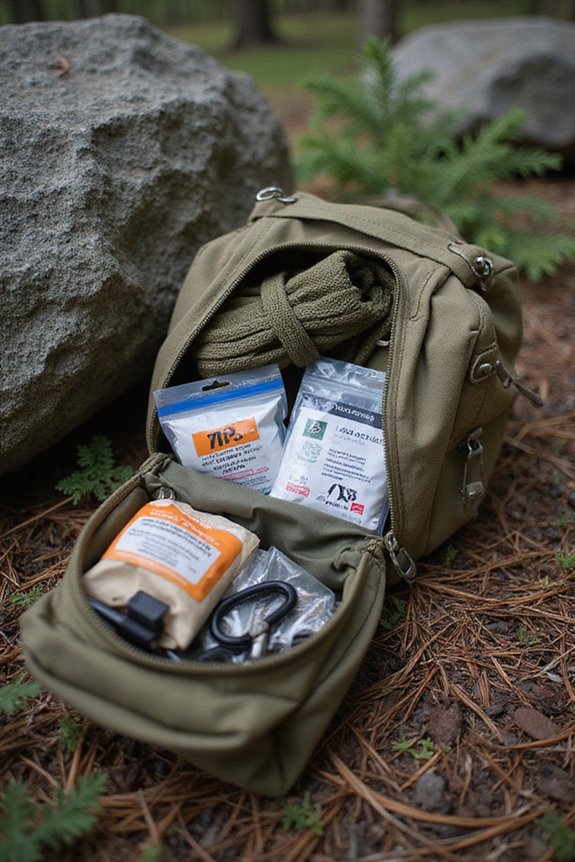
To be truly effective in an emergency, an Individual First Aid Kit (IFAK) must include a variety of essential components. We need wound dressings, like conventional gauze and hemostatic gauze, which speeds up clotting. It’s important to have compression bandages, too. Don’t forget cutting tools like tactical shears and tweezers; they help us manage injuries better.
We’ll also need disposable gloves to maintain hygiene and prevent infection, plus some antiseptic and hand sanitizer. Pain relievers and topical antibiotics are essential supplies for treating wounds. Finally, a first-aid manual can be a lifesaver. Additionally, packing items like triage tools can enhance our ability to manage multiple injuries effectively. By packing these IFAK components, we’re preparing ourselves to respond effectively during emergencies. A well-stocked IFAK can make a real difference.
Tourniquets: Controlling Severe Hemorrhage
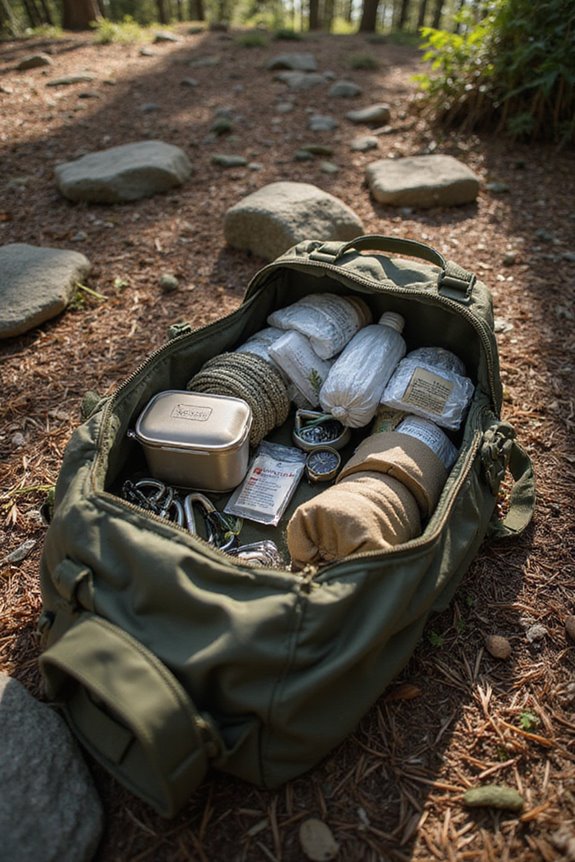
Wound dressings and basic supplies may be the starting point of an IFAK, but when it comes to controlling severe bleeding, nothing’s quite as effective as a tourniquet. These tools are lifesavers in traumatic situations. With just a quick tourniquet application—averaging about 19 seconds—we can greatly reduce the risk of serious complications and even lower mortality rates by almost half.
Using a proper commercial tourniquet, like the Combat Application Tourniquet, can enhance our chances of success. This isn’t just a battlefield tool; it’s essential in civilian emergencies too! With the right training, we can guarantee effective hemorrhage control. In fact, relying on reliable tourniquet designs can significantly impact the efficacy of bleeding control efforts. Just remember, proper application and monitoring are key. After all, we’re not just stopping the bleeding; we’re saving lives!
Dressing Wounds: Elastic Bandages and Gauze
When it comes to dressing wounds, a solid understanding of elastic bandages and gauze is essential. Elastic bandages offer crucial compression techniques to control swelling and stabilize injuries. They hug our body contours, making them perfect for joints like wrists and knees while keeping gauze securely in place.
To dress a wound, we first apply a soft, absorbent gauze to soak up any fluids. Then, we wrap the elastic bandage snugly, ensuring we avoid creases that could cut off circulation. Regular dressing changes help us monitor healing, keeping our eyes peeled for any signs of increased pain or tingling. Remember, if something feels too tight, don’t hesitate to loosen it! It’s also important to ensure that the materials used, such as elastic bandages and gauze, are durable and of high quality to promote effective healing. With practice, we’ll master this crucial skill together.
Airway Management With Nasopharyngeal Airways
Airway management is an essential skill we need to master, especially when time is of the essence. When it comes to dealing with airway obstruction, a nasopharyngeal airway (NPA) can be a game-changer. Designed to slide through the nostril, the NPA helps keep the airway open, especially when the tongue tries to block the passage.
For those of us facing patients who can’t maintain their airway, yet have a gag reflex, this device is lifesaving. It’s less invasive and easier to insert than some other options, making it less traumatic. So, when we’re in a pinch, the NPA can be our trusty ally, ensuring our patients get the airflow they desperately need without added stress. Just remember, size and lubrication are key! Additionally, understanding emergency preparedness is crucial to responding effectively in critical situations.
Ensuring Hygiene With Surgical Gloves
We’ve just wrapped up discussing airway management, which is pretty essential in emergency situations. Now, let’s explore the role of surgical gloves in ensuring glove hygiene and contamination prevention. These gloves create a protective barrier against germs and bodily fluids, which keeps us and our patients safe.
Before we put them on, we must wash our hands to minimize contamination. Remember, using gloves isn’t a free pass; we still need to practice good hand hygiene afterward. If a glove tears, it’s essential to change it immediately—no one wants a germ party on their hands!
Choosing the right glove material matters too. Whether it’s latex or nitrile, make sure it fits well. After all, we’re all in this together, aiming for a cleaner, safer experience for everyone involved.
Deployment in Military Operations
In the heat of military operations, having the right tools can make all the difference in saving lives. Our Individual First Aid Kits (IFAKs) are essential for self-aid and buddy-aid, effectively addressing critical injuries like severe bleeding. IFAK distribution strategies guarantee that more than 900,000 troops have easy access to these life-saving kits.
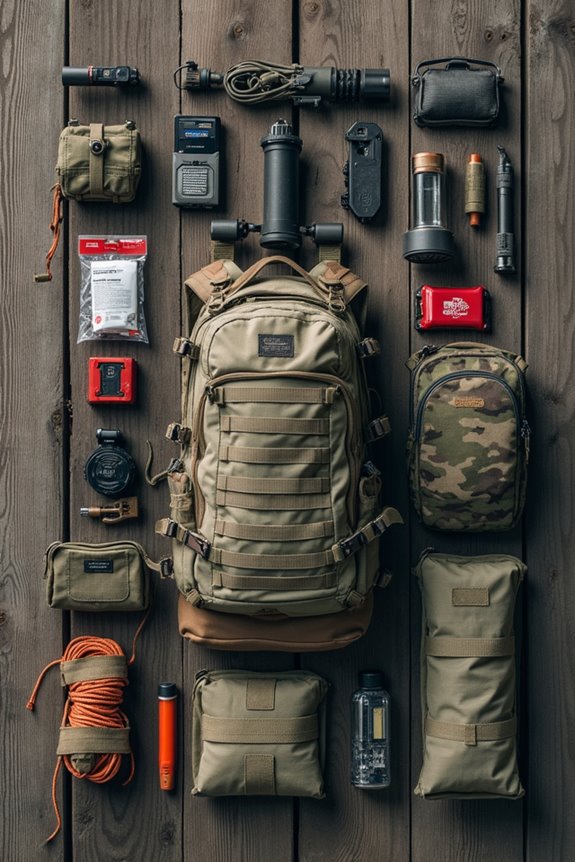
They’re designed to be lightweight and compatible with our gear, allowing for swift deployment during intense situations. With IFAK storage methods utilizing MOLLE-compatible straps, we can quickly reach our kits without fumbling. Training is significant, too—we practice using these essential items, enhancing our unit’s survival rates. With every mission, our IFAK equips us to face the battlefield with a bit more confidence, knowing we’re prepared to help one another.
Use in Civilian Emergency Preparedness
When emergencies strike, having an Individual First Aid Kit (IFAK) at the ready can mean the difference between life and death. IFAKs are designed specifically for severe injuries and offer essential tools like tourniquets and hemostatic agents, allowing us to take immediate action. This means we can manage bleeding, a leading cause of trauma fatalities, giving us a sense of emergency confidence in tough times.
We can customize our kits based on risks in our area, whether we’re in the city or the wilderness. Keeping IFAKs in our cars, homes, and workplaces enhances our civilian readiness. If we face a crisis, we’ll be prepared to intervene quickly, ultimately improving survival outcomes while ensuring we stay calm when it counts.
Training for Effective Use of an IFAK
Mastering IFAK skills can dramatically enhance our ability to respond to emergencies effectively. It’s not just about having the kit; it’s about knowing how to use it. Regular IFAK drills are essential. These drills help us practice airway management, control bleeding, and triage patients under stress.
Simulation exercises make things real. We can mimic situations like gunshot wounds or burns, allowing us to make quick decisions. When we familiarize ourselves with every component of our IFAK, we build muscle memory. Remember, practice using tourniquets and chest seals.
With each training session, we grow more confident. We’re not just prepared; we’re ready to save lives when every second counts. That’s what effective training can do for us!
Maintenance and Inspection of IFAK Kits
To keep our IFAK kits ready for action, regular maintenance and inspection are vital. We can’t wait for an emergency to find out something’s missing or expired! First, let’s check our IFAK inspection procedures. Start with a detailed inventory checklist to verify all items are present and intact. Don’t forget those expiration dates; it’s important for items like medications.
We also need to assess the condition of tools like scissors and tourniquets—clean and fully functional is the goal! As we manage our IFAK inventory, documenting our findings helps confirm we’re compliant with safety standards. So, let’s make it routine—monthly checks help us stay ready. Remember, an IFAK only works if it’s in top shape!
Real-Life Scenarios for IFAK Application
Although emergencies can catch us off guard, knowing how to effectively use an Individual First Aid Kit (IFAK) can make a huge difference in real-life situations. Whether it’s a household accident or a chaotic scene involving an active shooter, we can be a significant part of the solution. IFAKs hold essential tools like tourniquets and hemostatic dressings that can stop life-threatening bleeding quickly.
When we practice first aid demonstrations, we not only build confidence but also prepare ourselves for real-world applications. If we find ourselves needing to apply pressure or secure a chest seal, we’ll be ready. With a little training and the right gear, together we can make a life-saving impact in those critical moments.
Frequently Asked Questions
Can I Customize the Items in My IFAK?
Absolutely, we can customize our IFAK with essential supplies tailored to our needs. By selecting specific items, we can enhance our preparedness and guarantee our kit is perfect for any situation we might face.
How Often Should I Replace Items in My IFAK?
We’ve all heard that “expiry dates are just suggestions,” right? But for our IFAK, let’s replace items every six months for expired ones and annually for medications to keep our readiness up to snuff.
Is First Aid Training Necessary to Use an IFAK?
Yes, first aid training’s essential for effective IFAK use. It enhances our emergency preparedness, ensuring we’re confident and capable in applying first aid essentials, ultimately allowing us to respond better during critical situations together.
What Is the Shelf Life of IFAK Supplies?
In our hands, IFAK supplies have a ticking clock. With shelf lives ranging from 2 to 5 years, we need to mind those expiration dates, ensuring our kit stays ready when life throws challenges our way.
Are IFAKS Suitable for Children’s Emergencies?
Yes, pediatric-specific IFAKs are essential for child safety and emergency preparedness. They address unique needs, helping us effectively manage emergencies for our little ones. Let’s guarantee our kits are tailored and accessible for every situation.